
The work of
Harry Nuriev
- DesignerHarry Nuriev & Crosby Studios
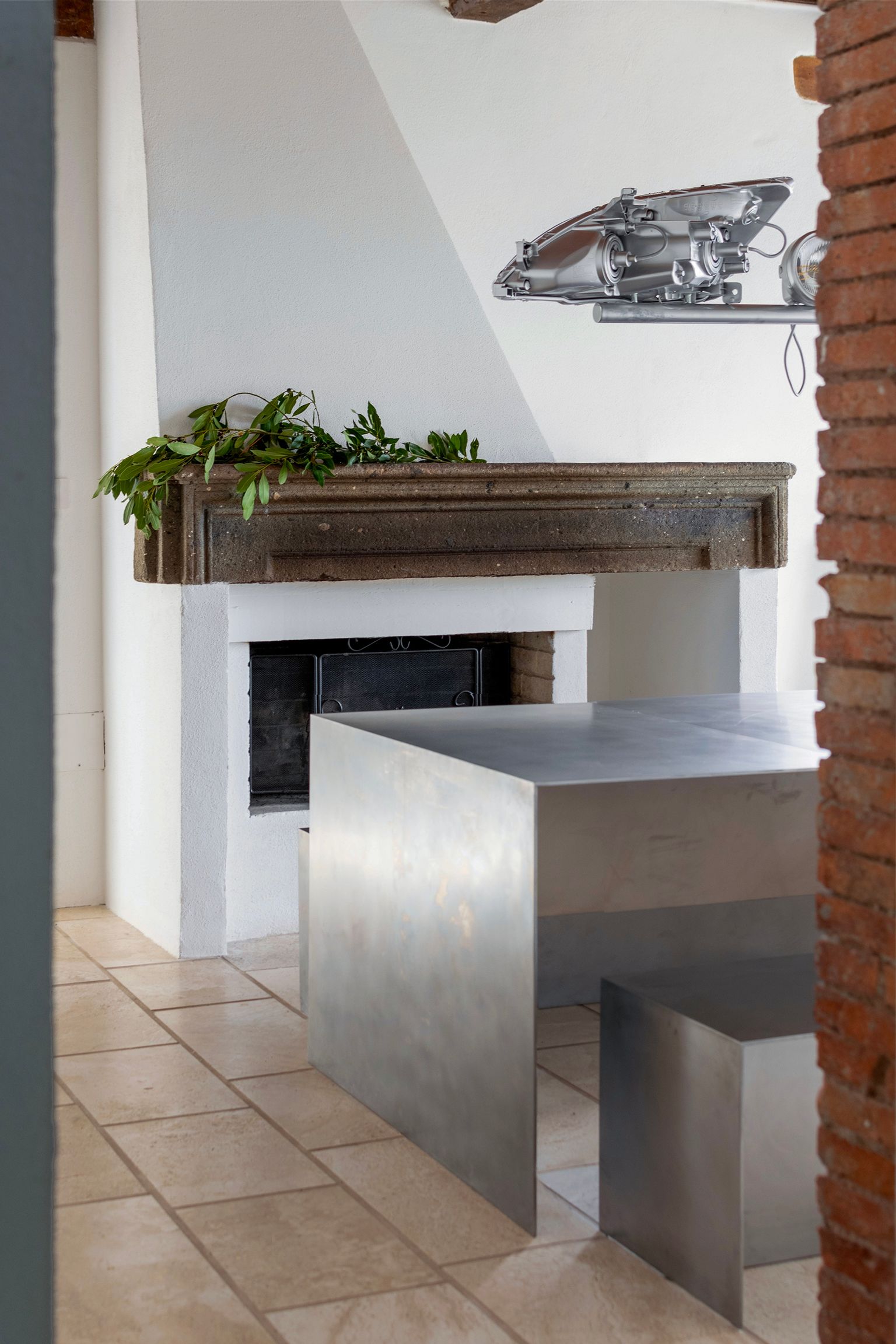
Bjarke Ingels Harry Nuriev and his Crosby Studios bring an eclectic appreciation of traditional furniture, historical tapestries, and found objects into dialogue with the futuristic minimalism of stainless steel, chrome fabrics, and mirrored finishes. In their transformation of a 17th-century Italian villa in Tuscany, this sensibility unfolds as an exuberant invasion: an eclectic cacophony of chrome car parts and historical tapestries inhabiting centuries-old rooms.


Bjarke Ingels on the work of Harry Nuriev
Harry Nuriev and his Crosby Studios bring an eclectic appreciation of traditional furniture, historical tapestries, and found objects into dialogue with the futuristic minimalism of stainless steel, chrome fabrics, and mirrored finishes. In their transformation of a 17th-century Italian villa in Tuscany, this sensibility unfolds as an exuberant invasion: an eclectic cacophony of chrome car parts and historical tapestries inhabiting centuries-old rooms.
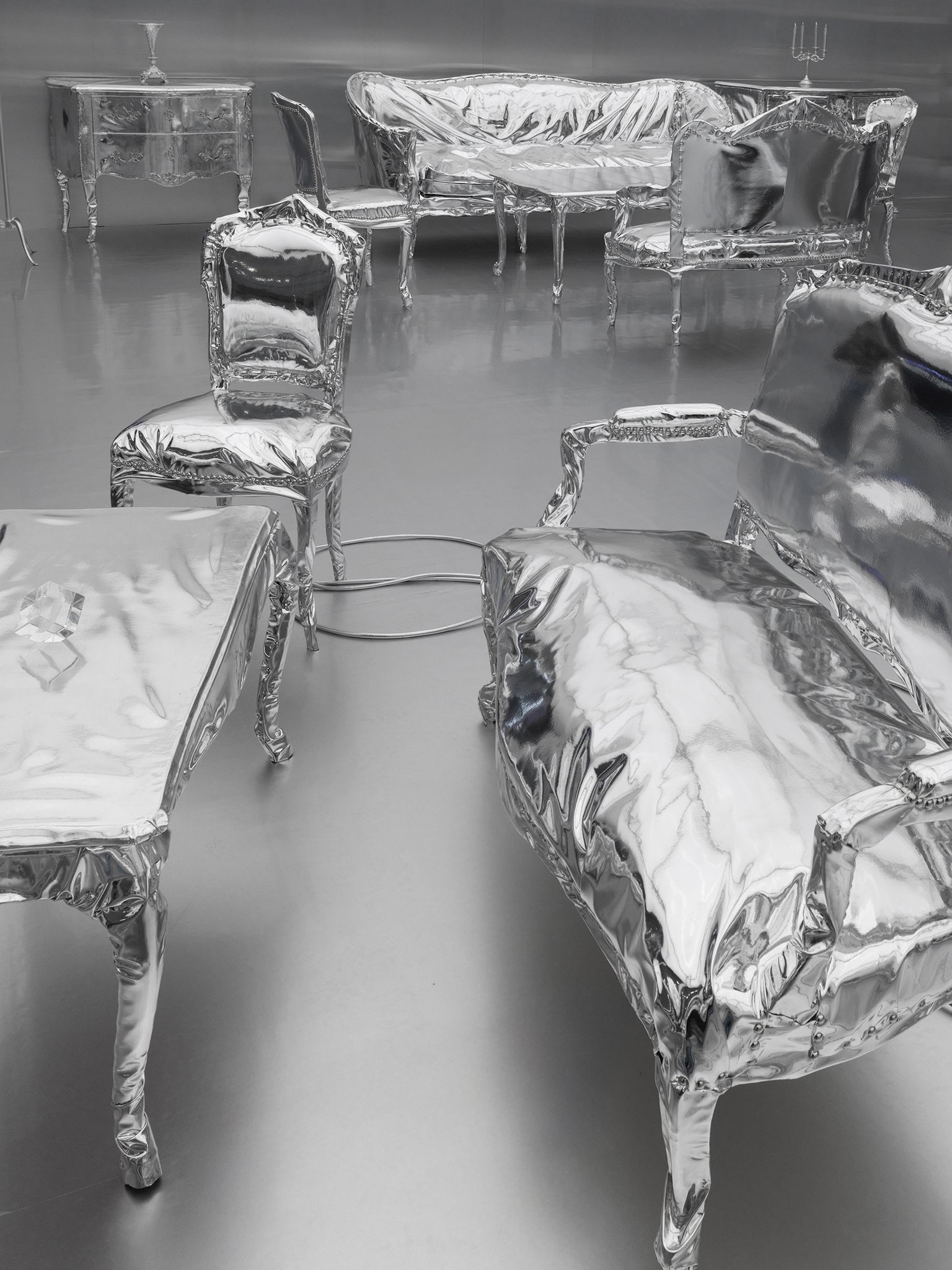
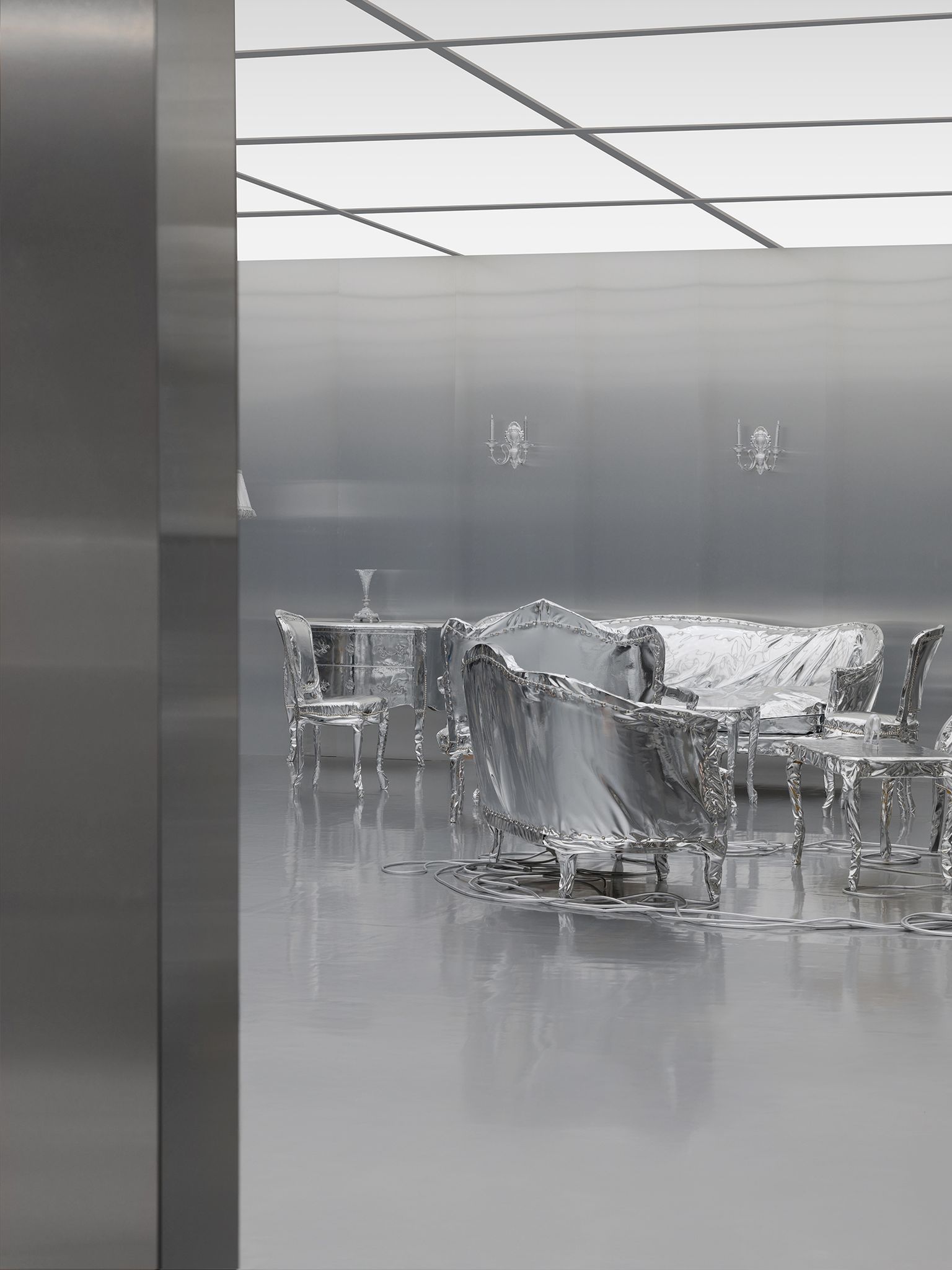
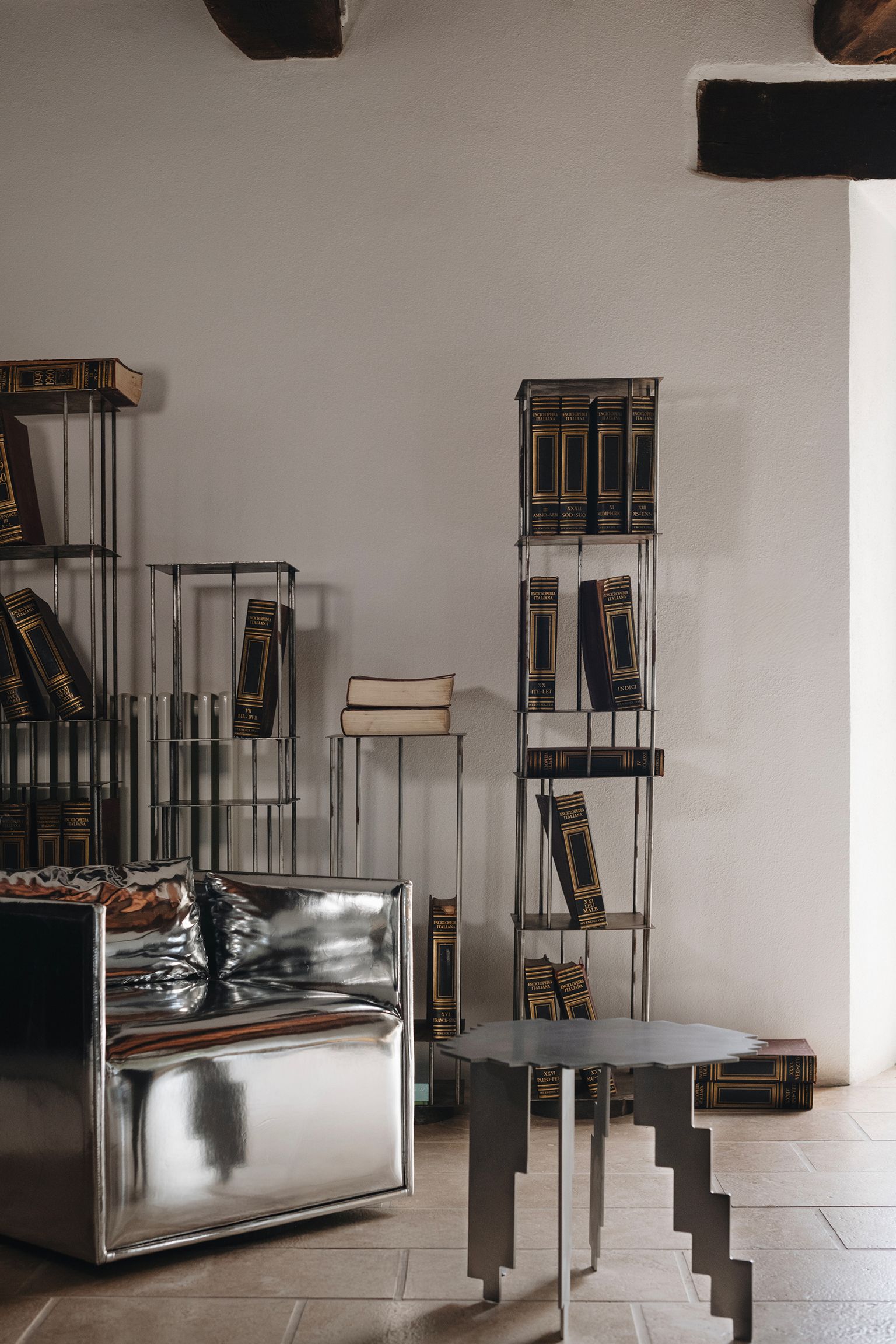
The result is a particular kind of retrofuturism, where a sofa covered in tapestries coexists with Baroque furniture finished entirely in chrome. Chandeliers assembled from repurposed headlights, cushions and seats wrapped in denim, and constellations of car side-view mirrors come together in spaces that sound oxymoronic - even conflictual - on paper, yet feel effortlessly harmonious and straight-up beautiful in reality.
The ability to bring together different centuries and seemingly incompatible worlds of taste and material is a true gift. It opens our eyes to reconsider what is possible and what is beautiful, making Harry Nuriev a compelling creative mind across product design, furniture, and interiors.


Harry Nuriev: The Art of Transformation
Harry Nuriev approaches design as an act of reimagining rather than simply creating something new. Through Crosby Studios, the Paris and New York based creative practice he founded in 2014, the designer moves fluidly between architecture, interiors, furniture, art and immersive installations. His work often begins with familiar objects and materials, which he removes from their conventional context and gives an entirely different identity. Chrome, plastic, industrial components and everyday consumer goods become tools for questioning our understanding of beauty, value and taste. There is an irreverence to his approach, but beneath the visual provocation lies a more considered idea: that the objects already surrounding us contain possibilities we have yet to recognise.

A Tuscan Farmhouse Reimagined
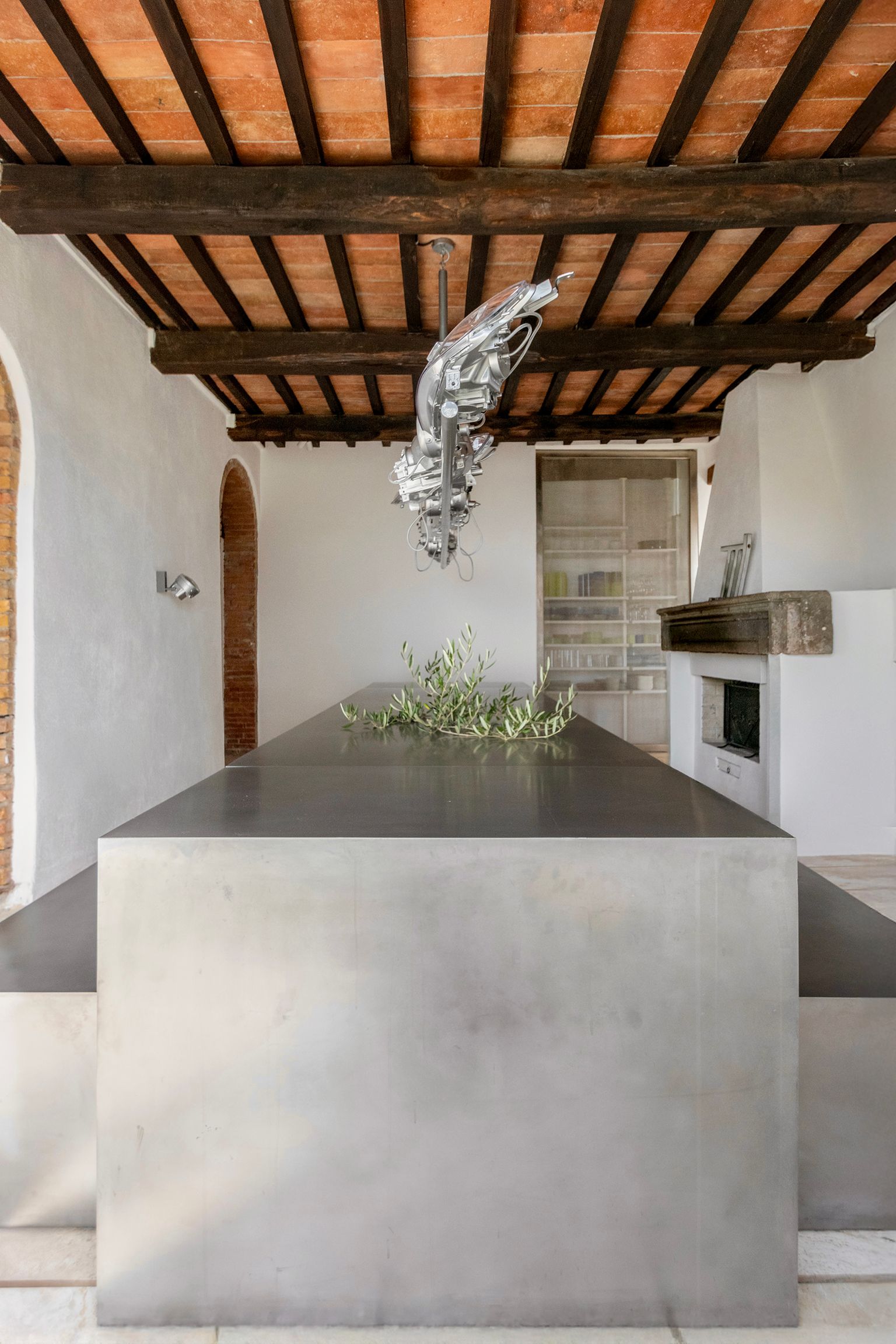
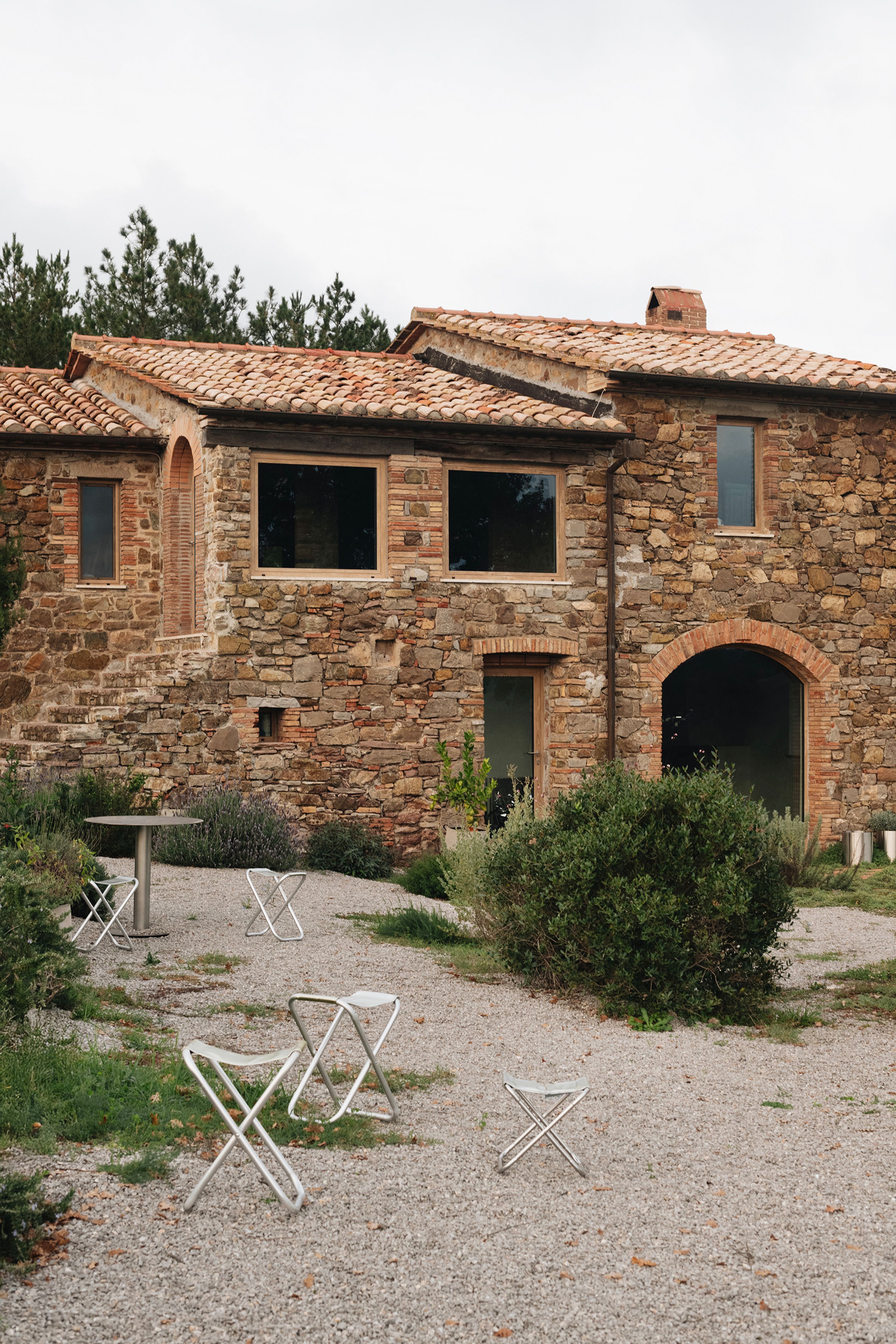
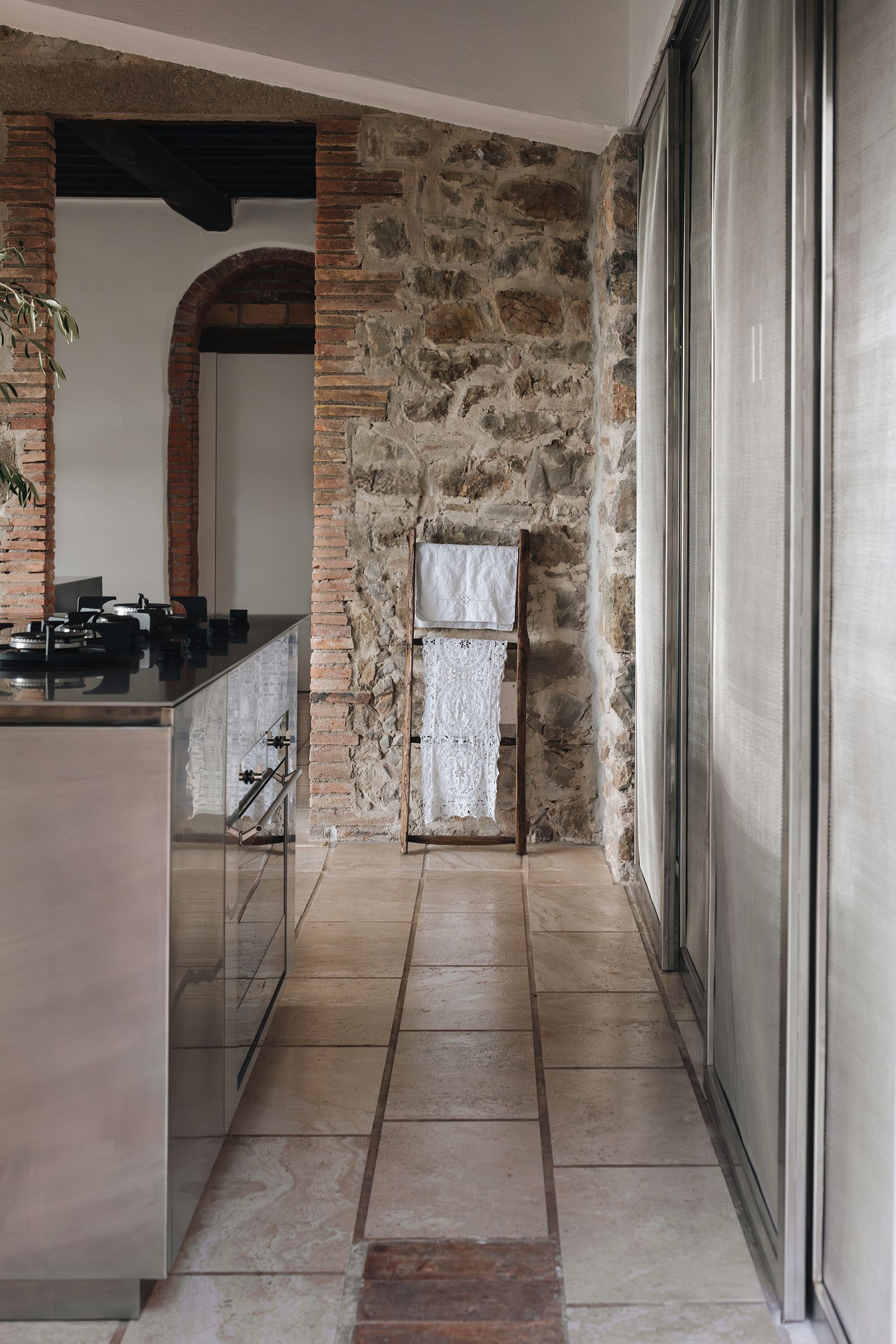
In the Tuscan countryside, outside the medieval village of Roccalbegna, Nuriev and his partner Tyler Billinger have transformed a centuries old farmhouse into an unconventional family retreat. Set within a vast rural estate, the house offers an intriguing counterpoint to the designer's more futuristic interiors. Original stone walls, exposed wooden beams and travertine floors preserve the character of the historic building, while an entirely different visual language unfolds inside.
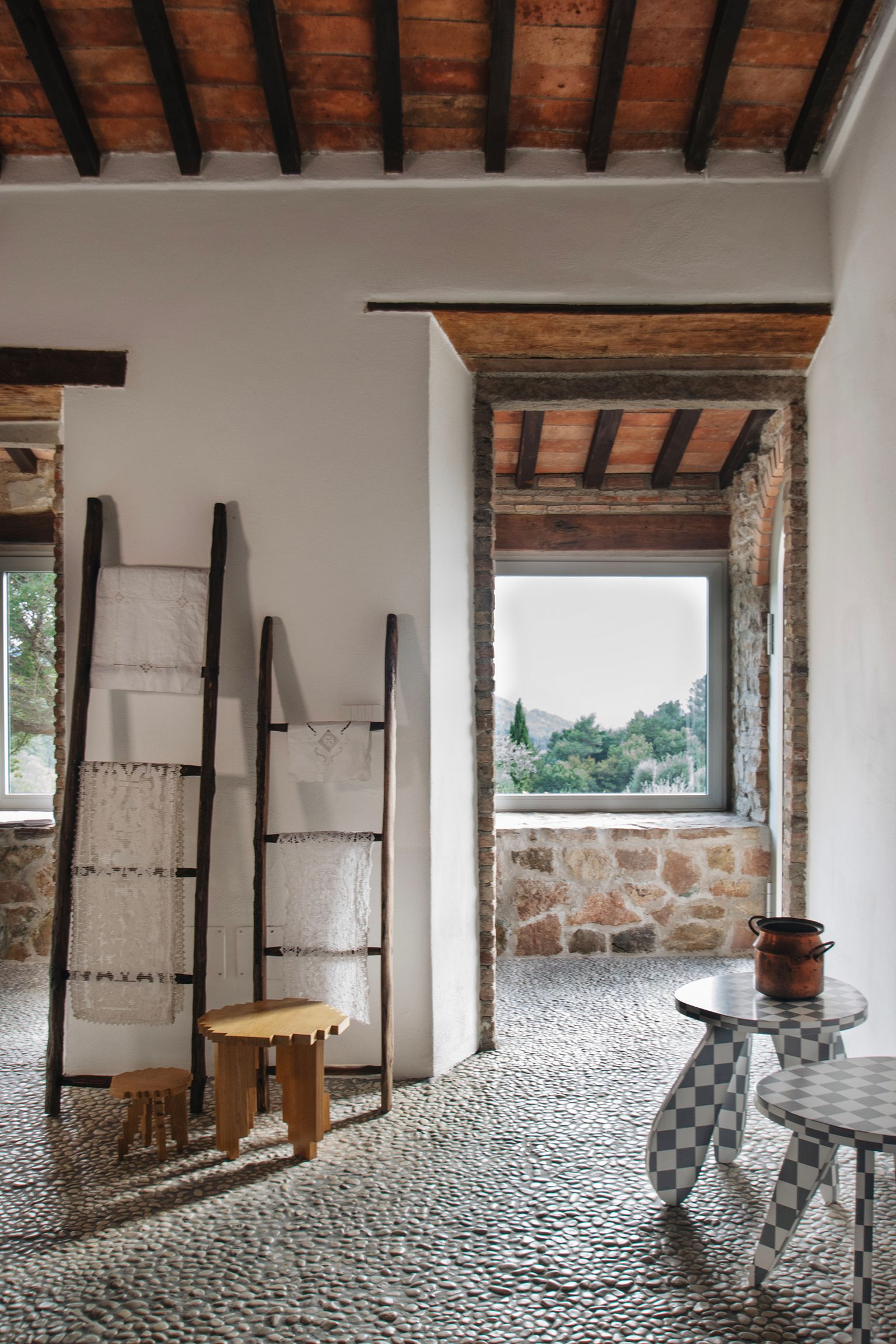

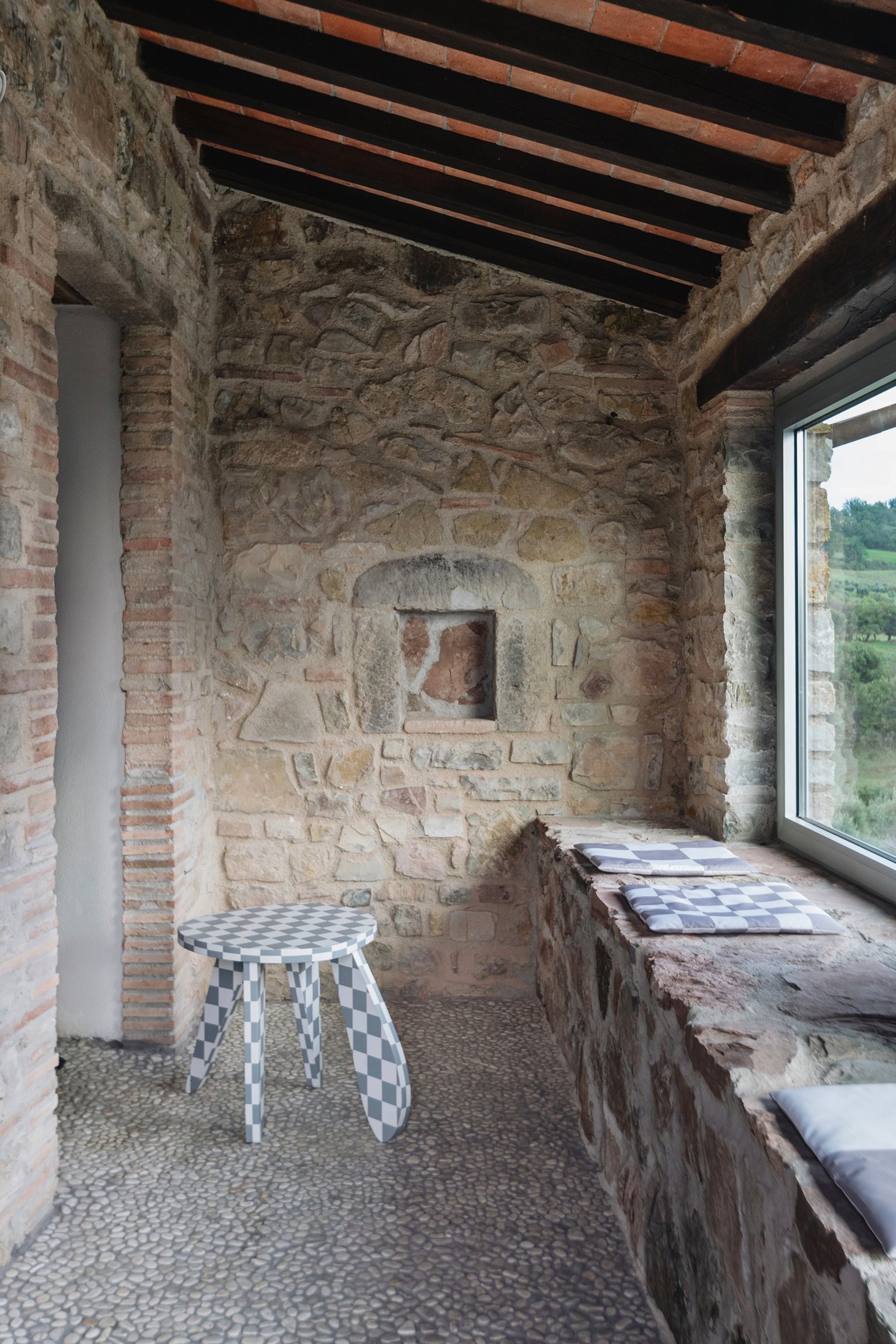

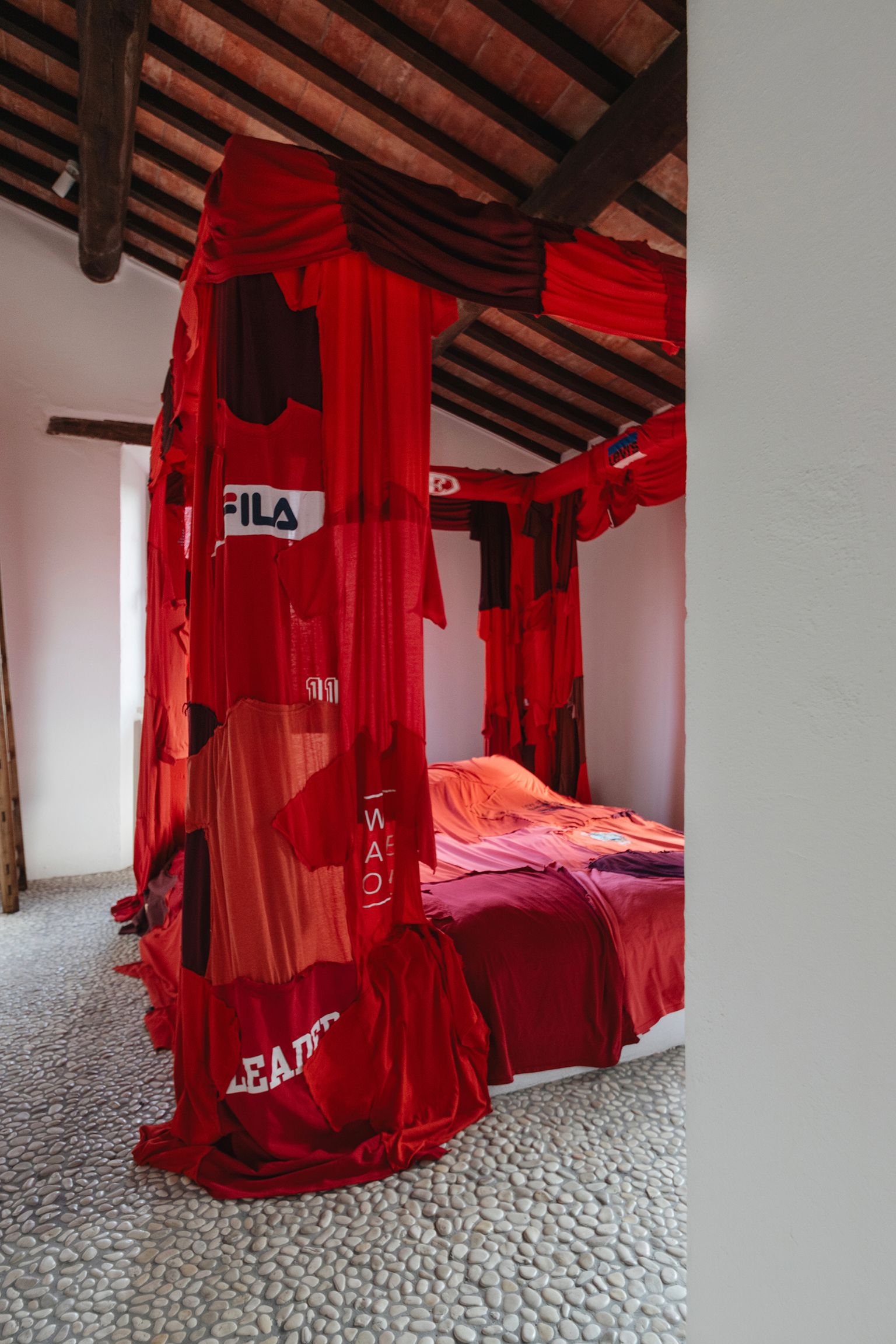

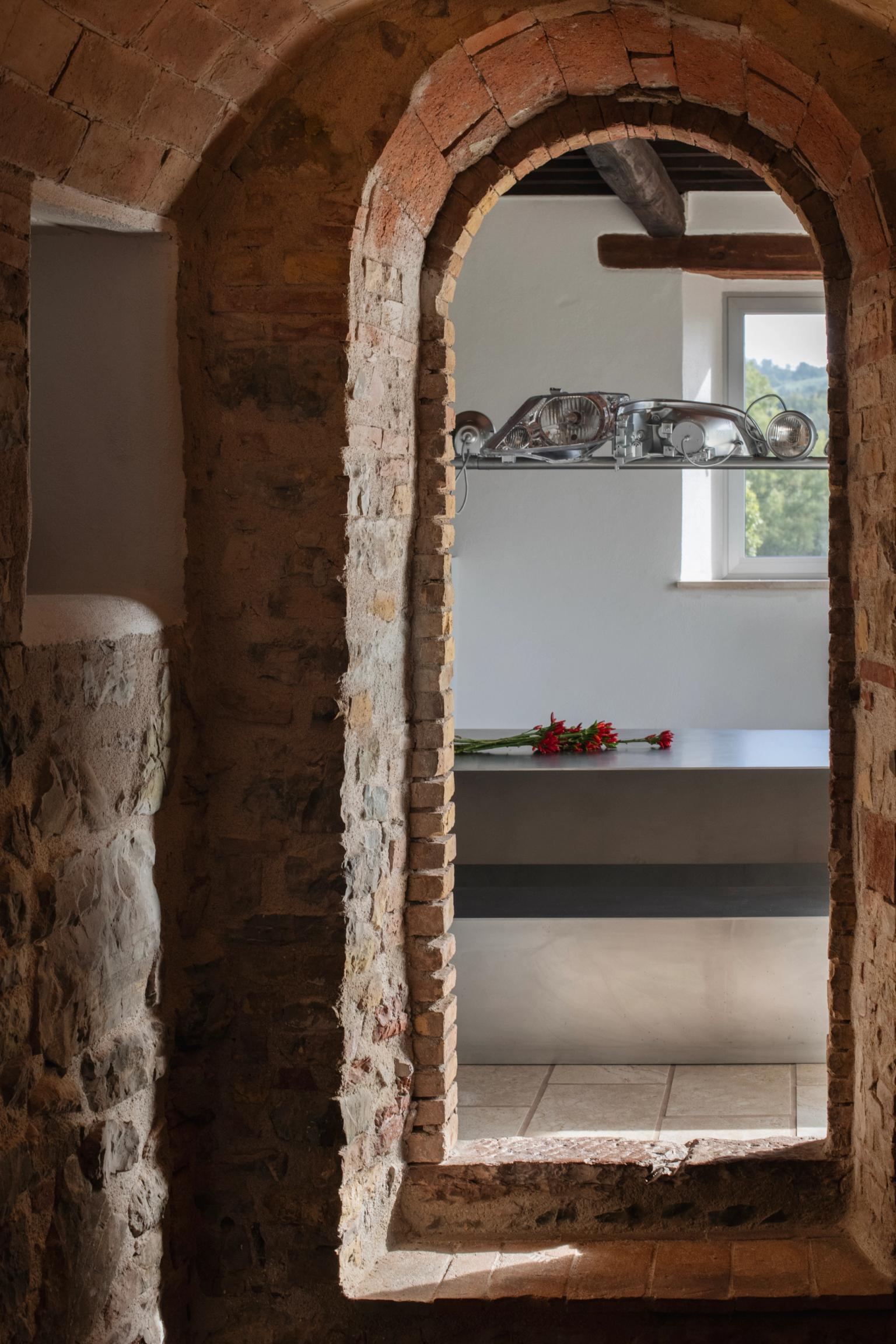

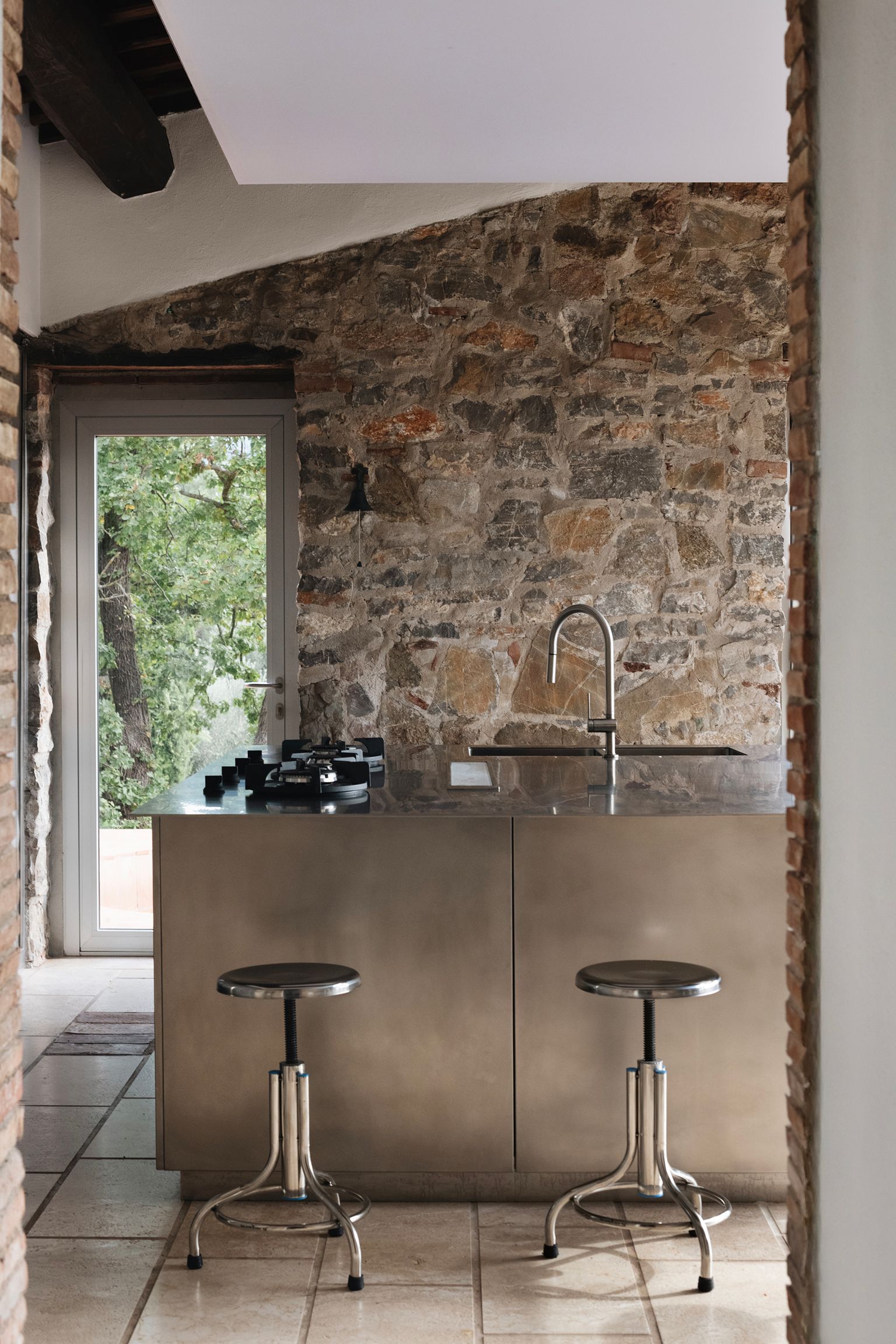

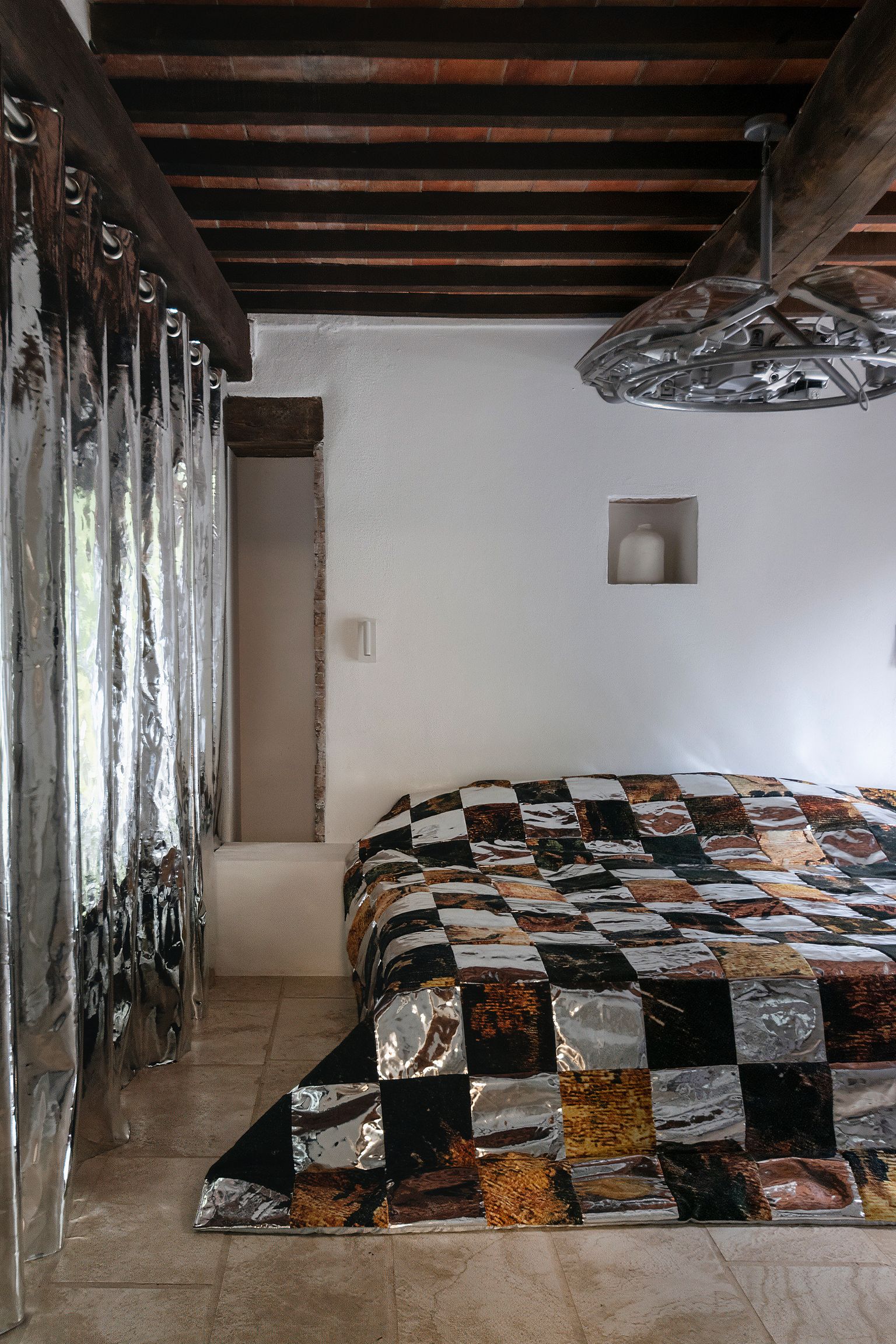

The intervention is neither a nostalgic restoration nor a conventional contemporary renovation. Instead, the rustic setting becomes a backdrop for Nuriev's fascination with the unexpected. Chrome furniture reflects the rough textures of the old stone, while automotive headlights are transformed into chandeliers and rearview mirrors form sculptural constellations on the walls. A canopy bed made from repurposed red T shirts introduces another unexpected material into the domestic environment. Familiar objects are stripped of their original associations and given new lives, creating a dialogue between rural tradition and industrial futurism.
What makes the project particularly compelling is the way it resists the polished uniformity often associated with luxury interiors. The house feels personal, eccentric and occasionally surreal, yet its connection to the surrounding landscape remains intact. Traditional craftsmanship and contemporary interventions coexist without either attempting to dominate the other. The farmhouse becomes a living expression of Nuriev's belief that design can transform our perception of an object without erasing its history.


Manifesto of Transformism
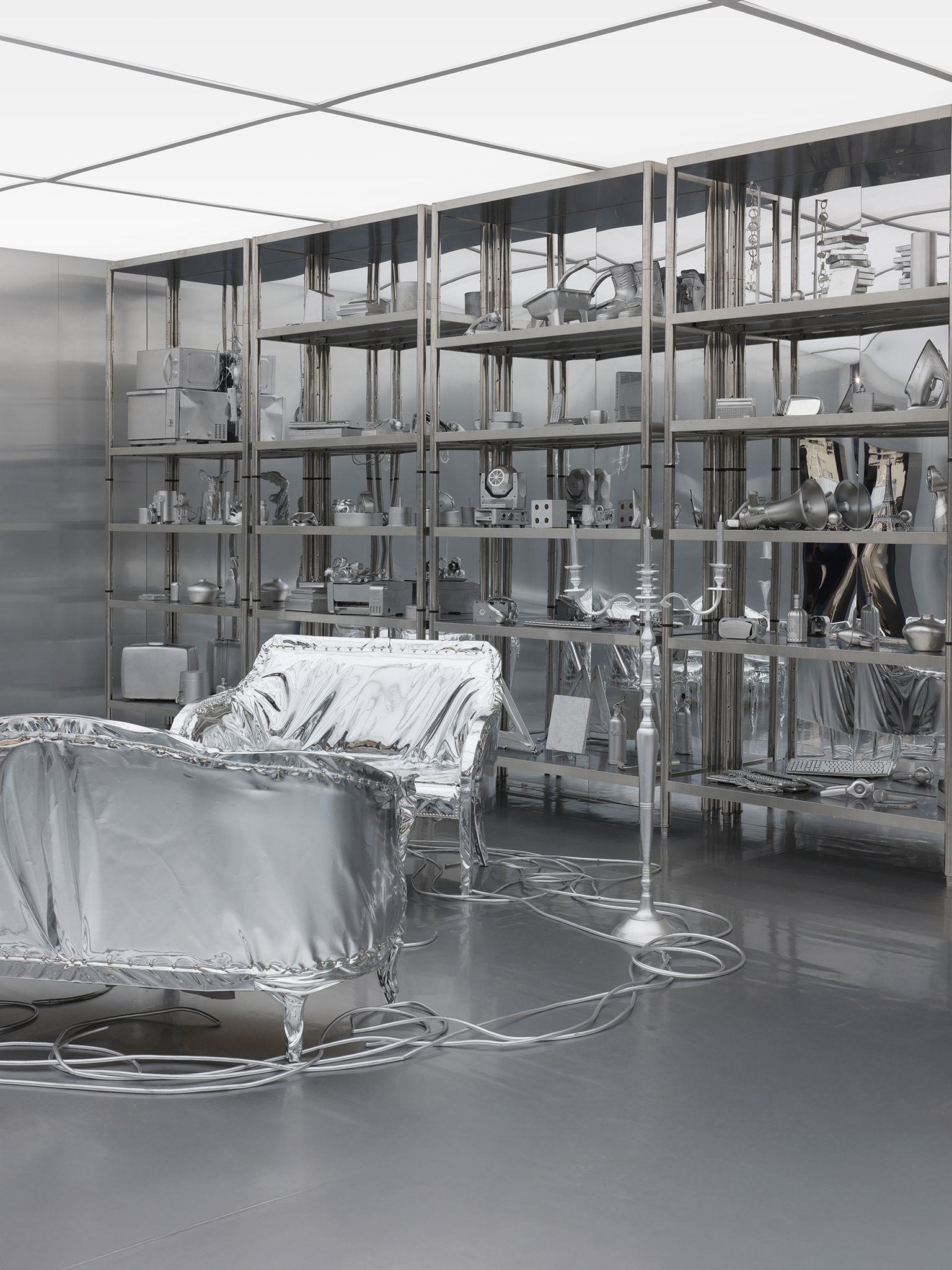
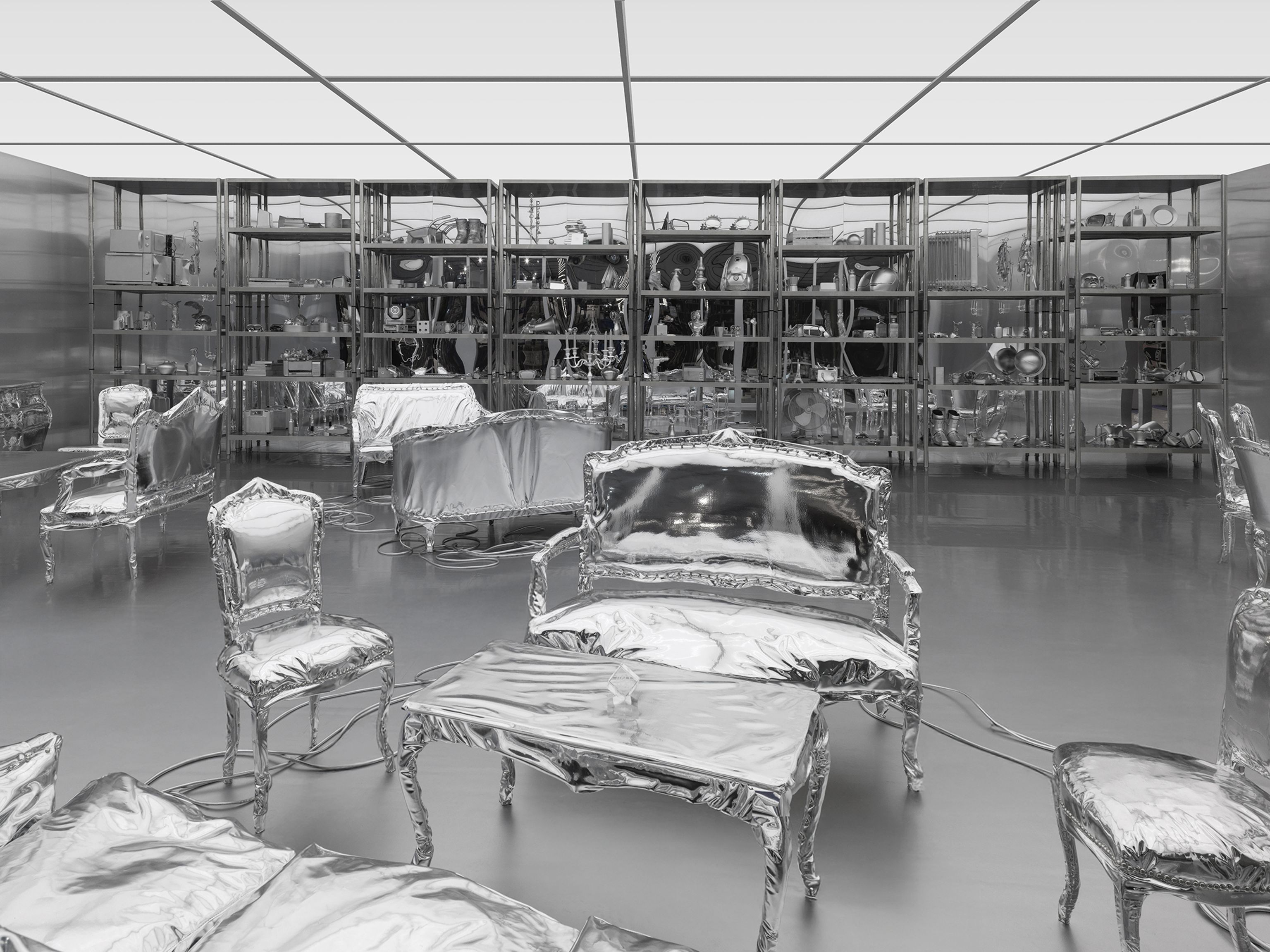
This philosophy took centre stage at Maison&Objet in January 2026, where Nuriev was named Designer of the Year. His installation, Manifesto of Transformism, translated his approach into an immersive environment that invited visitors to reconsider the overlooked objects of everyday life.
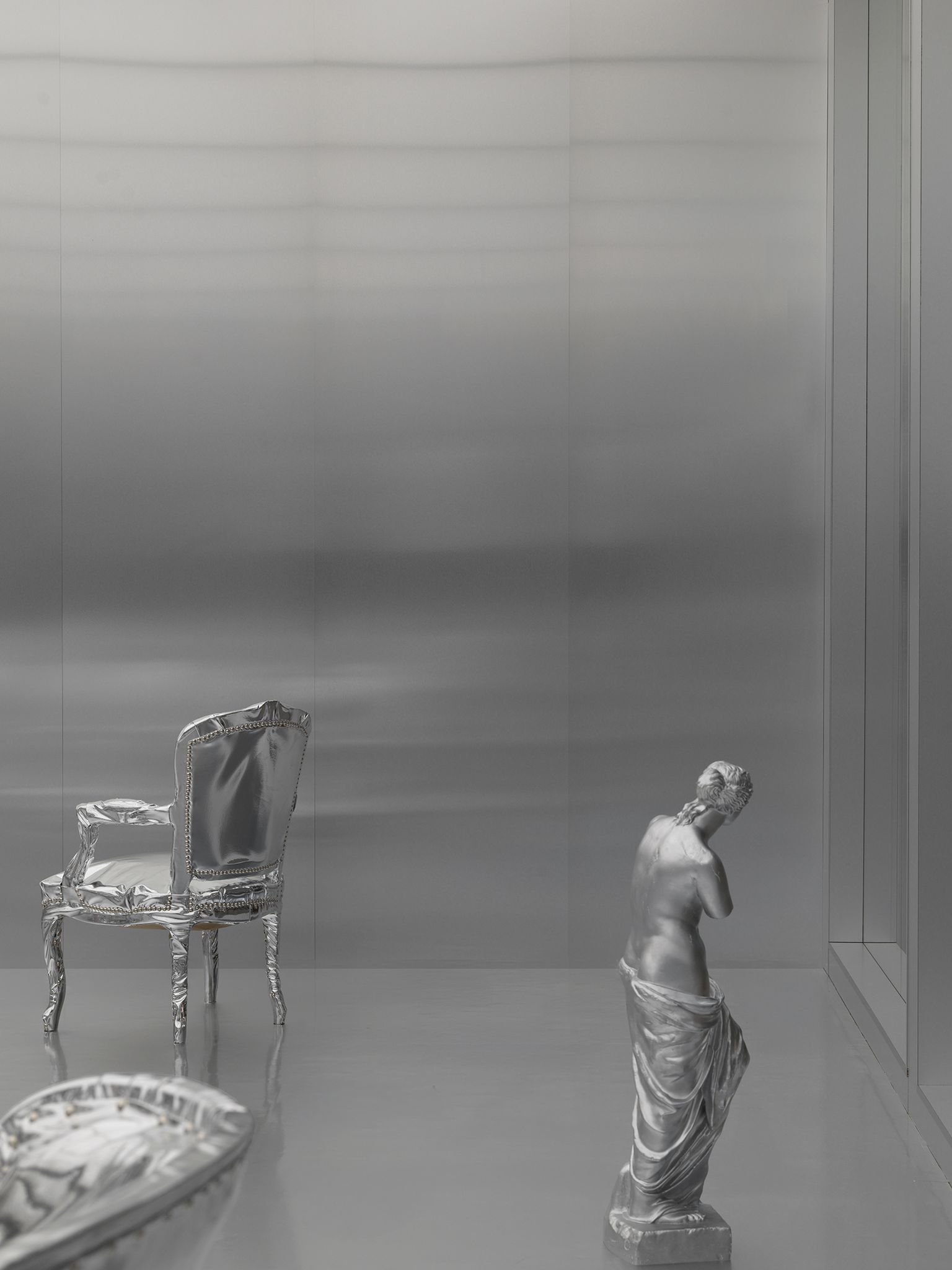
A silver coloured interior established the setting, with futuristic furniture and seating arranged around displays of ordinary consumer objects. Items that might otherwise be discarded, ignored or considered aesthetically unremarkable became part of a carefully composed visual landscape. Against the reflective surfaces, their familiar identities shifted. The installation was less about introducing another collection of desirable products than about proposing a different way of looking at the things we already possess.
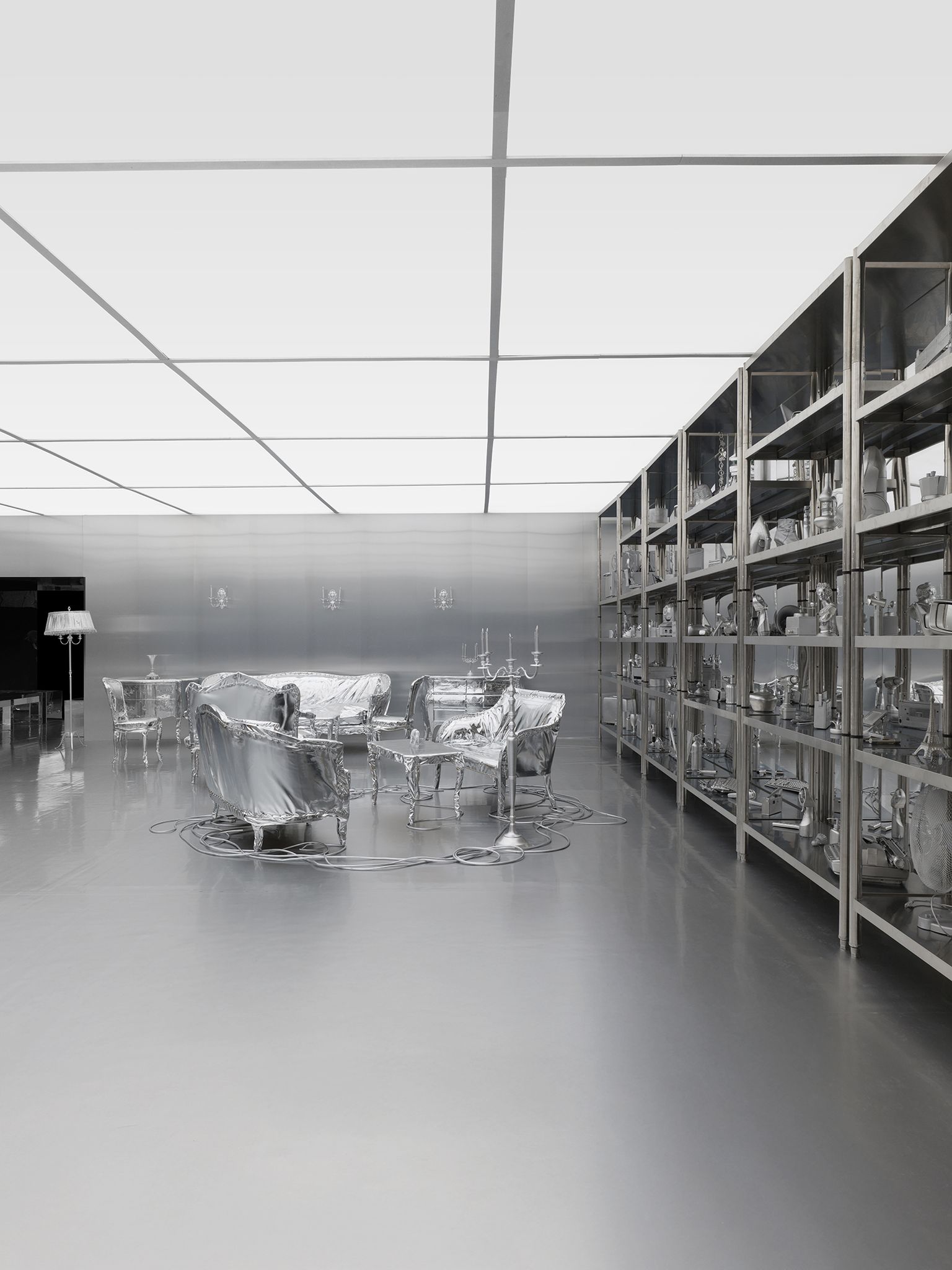

Nuriev describes transformism as the act of turning something into something else without erasing its origins, instead amplifying its essence. It is a philosophy that questions the assumption that innovation must always begin with new materials, new products or new forms. In a culture defined by constant consumption and an endless search for novelty, the act of reusing and reinterpreting what already exists becomes both a creative method and a statement of intent.
Across the farmhouse and the Maison&Objet installation, Nuriev demonstrates how dramatically context can alter our relationship with objects. A car component becomes a chandelier, discarded clothing becomes a bed canopy, and an everyday household item acquires the presence of a collectible design piece. His work occupies the space between functionality and fantasy, familiarity and estrangement, humour and conceptual inquiry. Rather than offering a fixed definition of beauty, Nuriev asks us to look again at the ordinary, suggesting that the future of design may lie not in producing more, but in discovering what is already there.