Harmony Korine
Gummo
- DirectorHarmony Korine
- CinematographerJean-Yves Escoffier
LIONEL GOLDSTEIN This Harmony Korine movie is a perfect example of how generation X saw the world. The Movie translates the everyday, yet world-detached American dullness, but also its surrealism into a contemporary reality. The style of this film influenced the photography of many trendy magazines and music videos.









The story behind Gummo
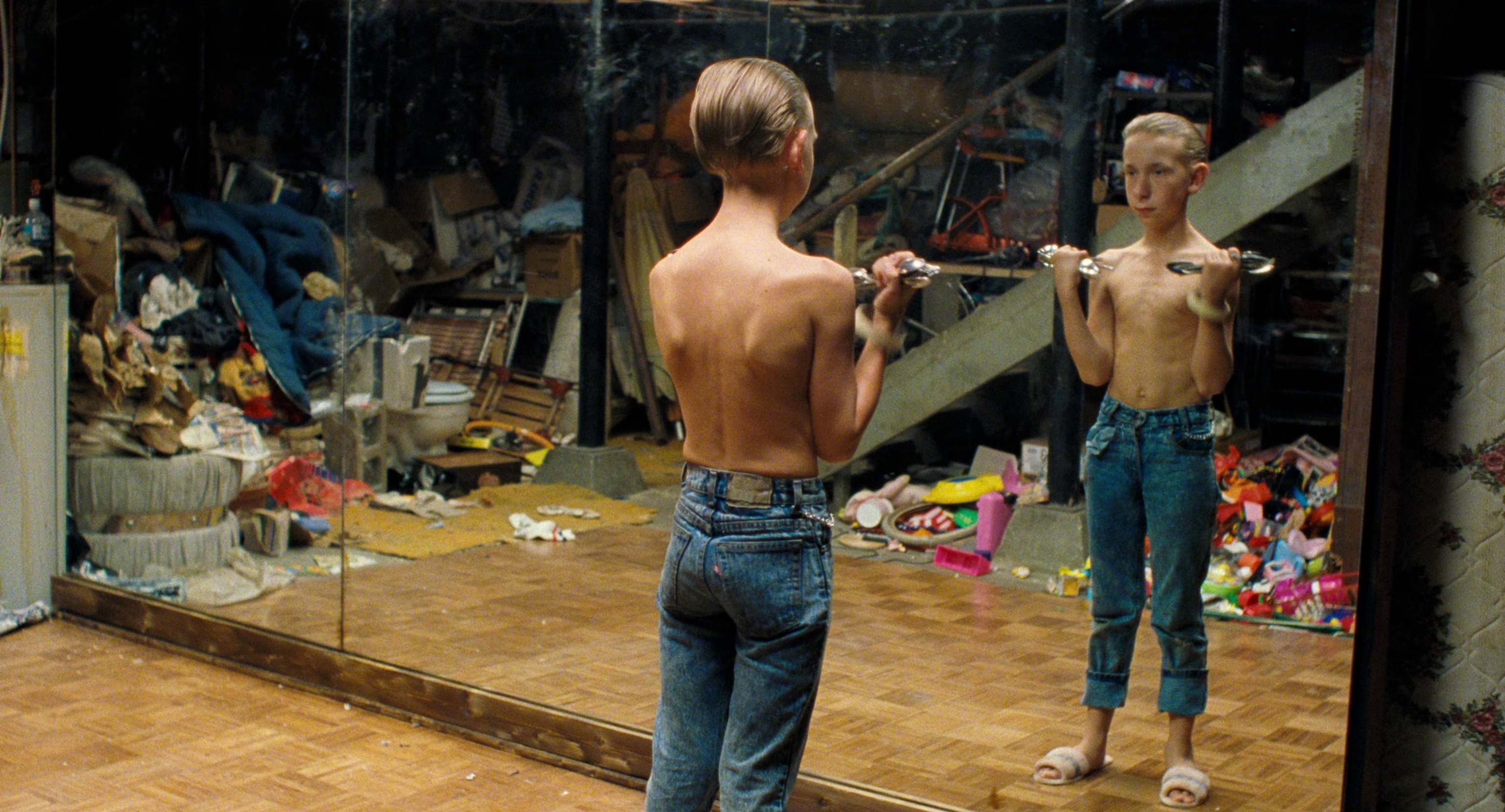
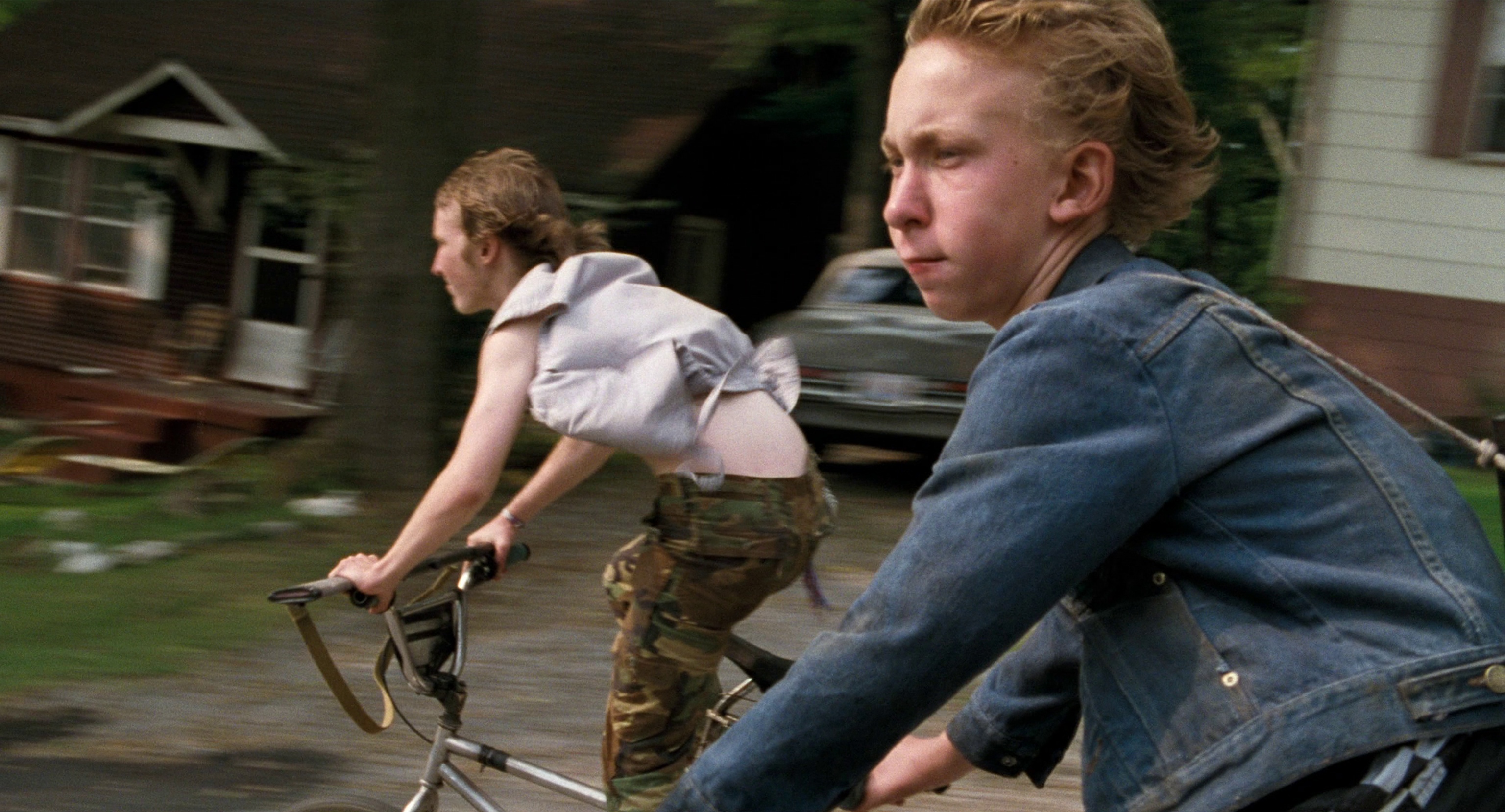
Harmony Korine’s Gummo (1997) feels less like a film than a discovered artifact -unearthed rather than made. Rejecting plot and resolution, it drifts through a ruined Midwestern town in fragments, observing lives suspended in the aftermath of an unnamed catastrophe. Loosely inspired by Xenia, Ohio, after its 1974 tornado, the disaster is never shown; it lingers as atmosphere. Time feels stalled, and what remains are moments - awkward, cruel, tender - preserved without explanation.
A Scrapbook of Ruins
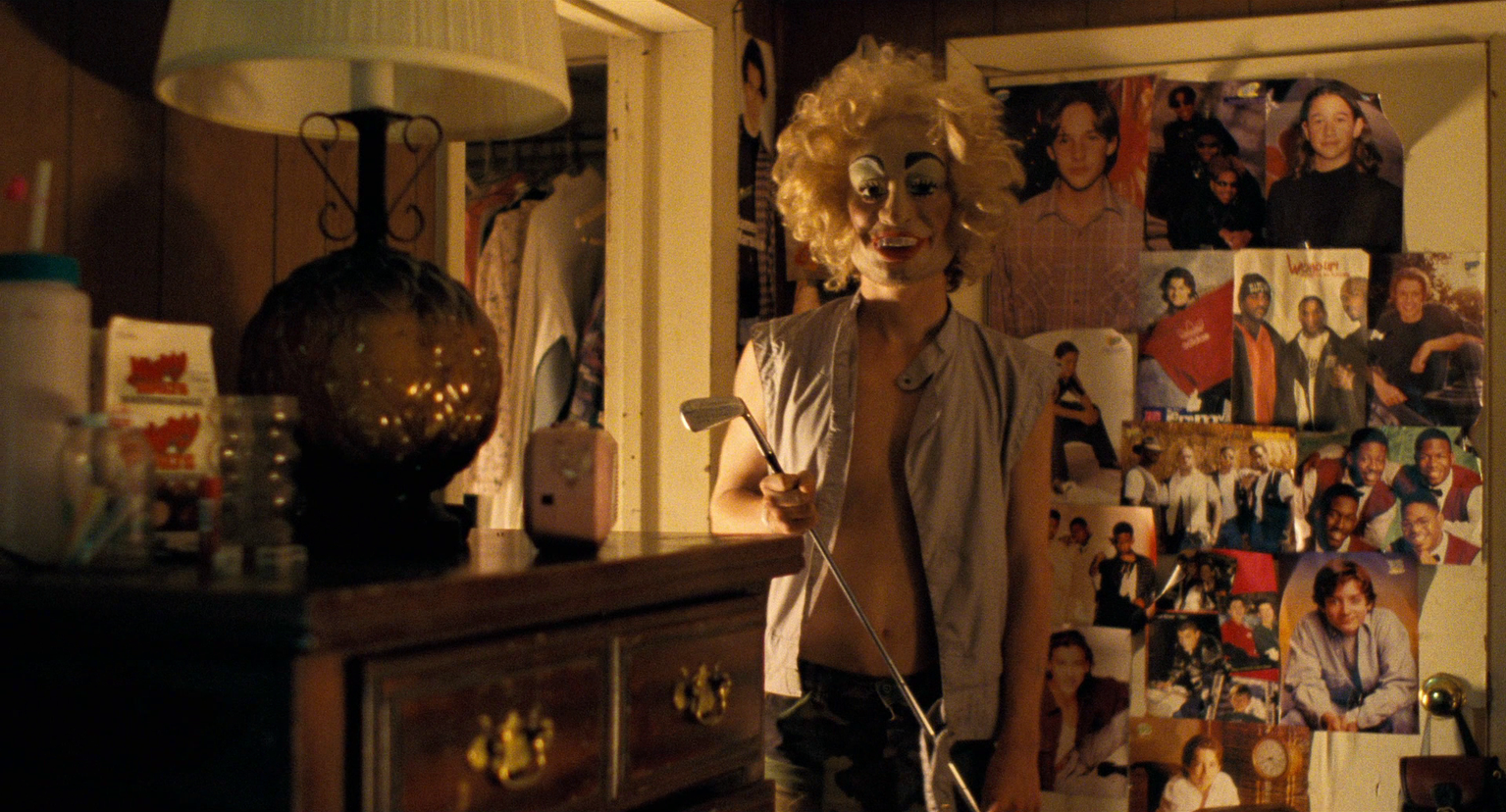
Given creative freedom after writing Kids, Korine deliberately broke from narrative realism. Influenced by home videos, public-access television, documentary footage, and punk’s DIY ethos, he structured the film like a scrapbook or mixtape. Scenes feel overheard rather than staged, their meaning incidental rather than imposed, aligning Gummo more with outsider art and collage than with traditional cinema.
Photography as Proximity
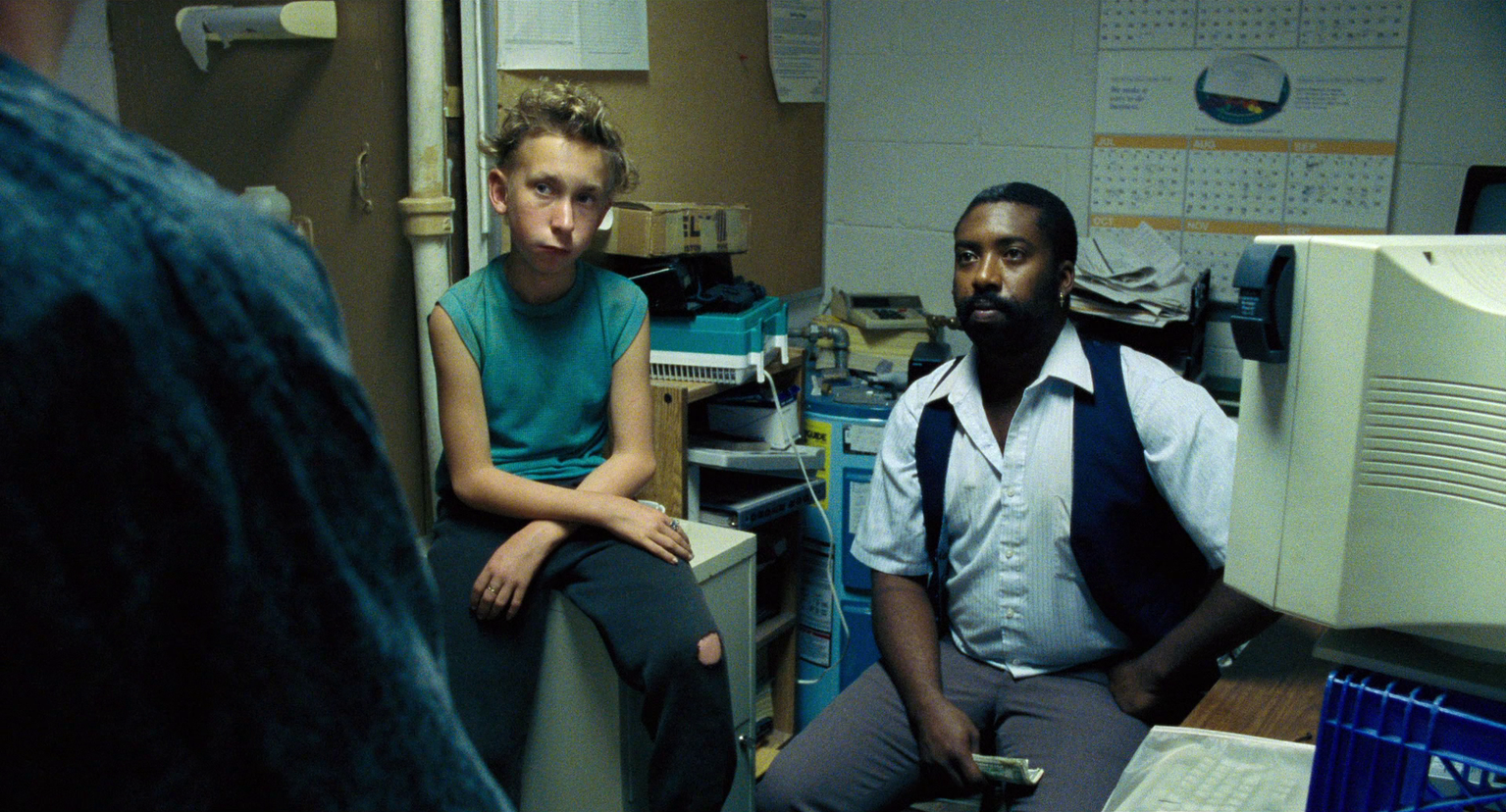
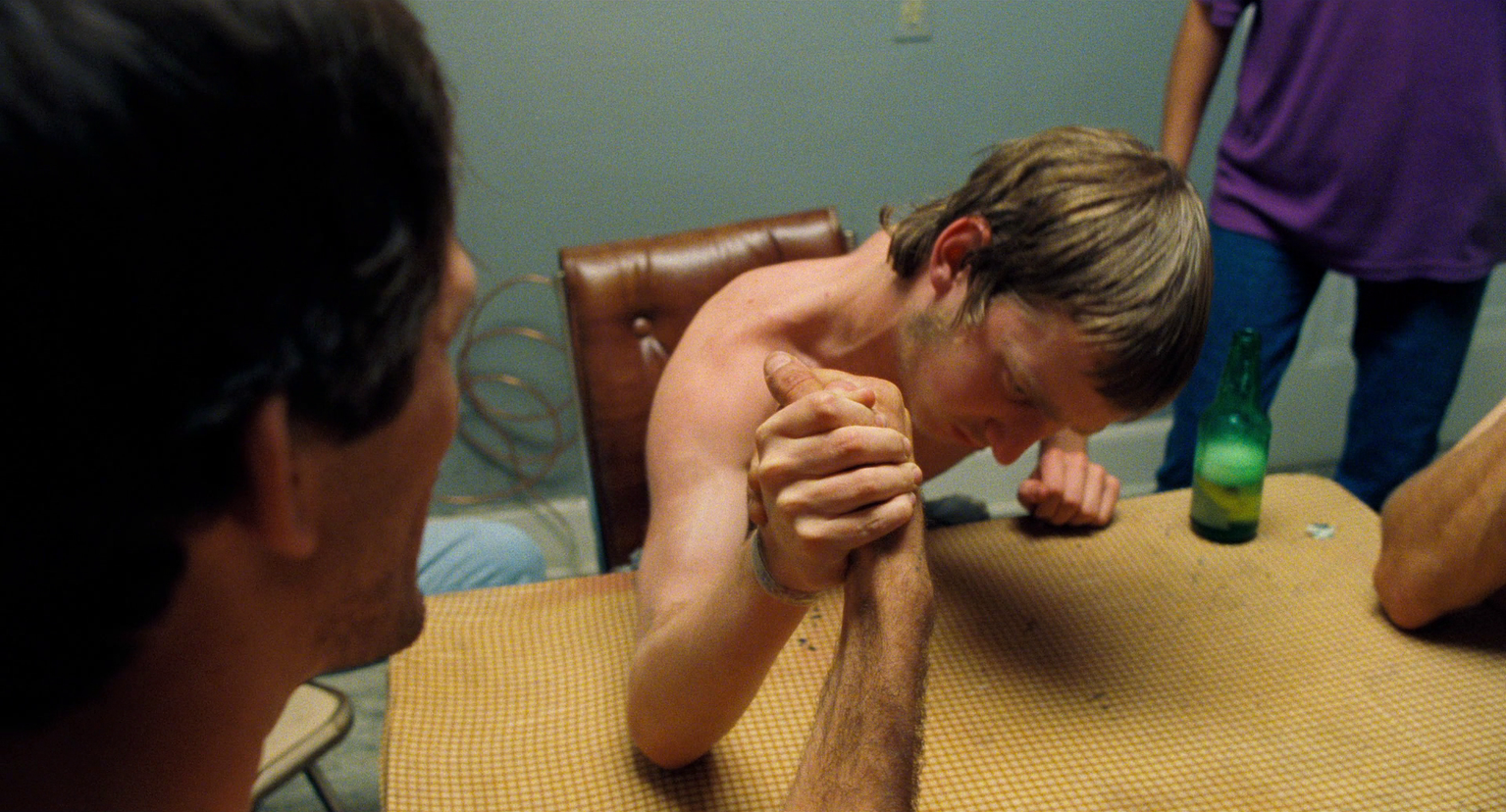
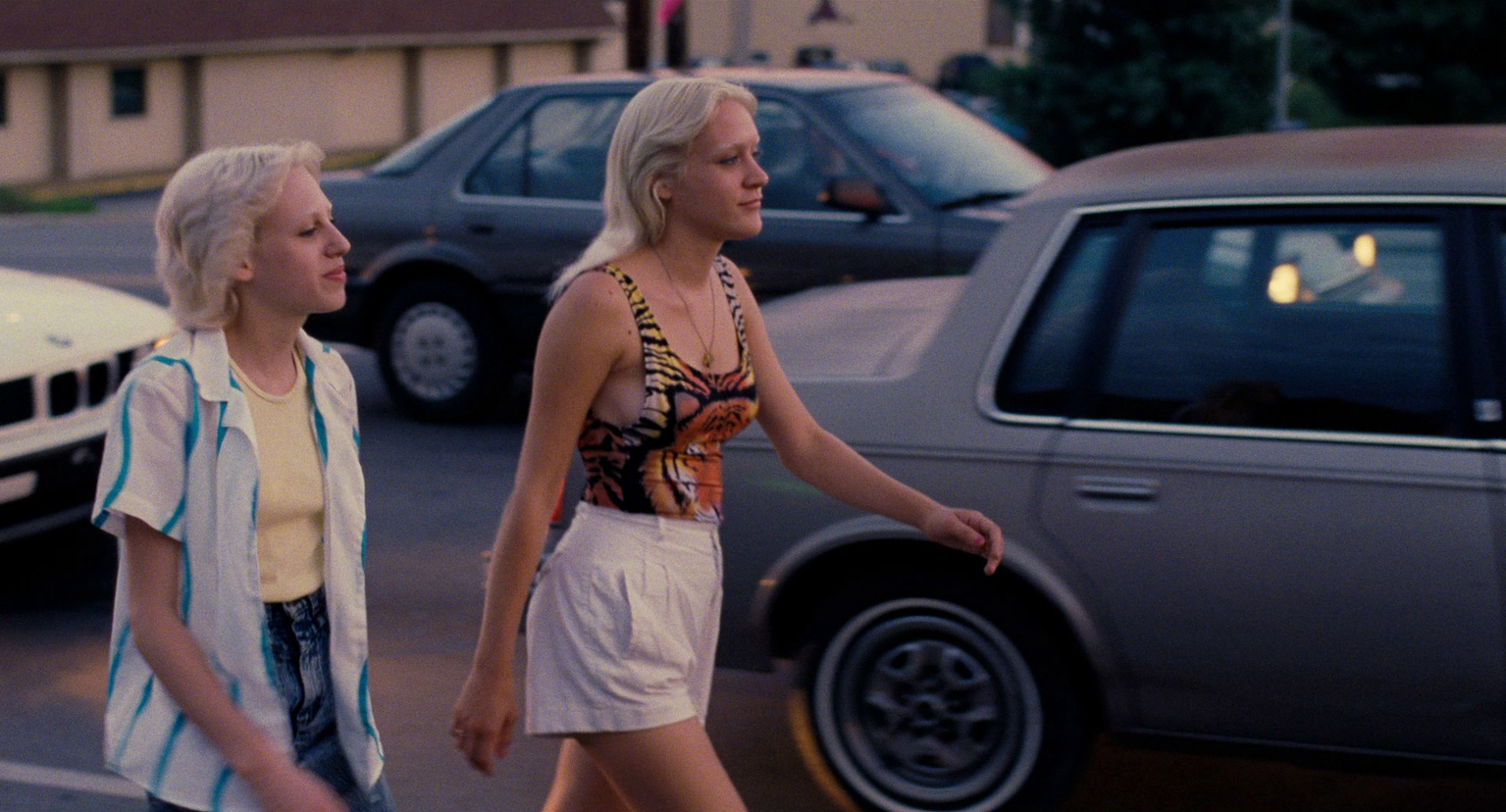
The film’s photography is central to its impact. Shot across 35mm, 16mm, and VHS, the shifting textures mimic memory and degradation. Korine embraces flat lighting, awkward framing, and prolonged stares, echoing the confrontational intimacy of photographers like Diane Arbus and Nan Goldin. Faces are centered too directly, held too long, denying aesthetic distance.
Sound deepens the disorientation: black metal, punk, gospel, and ambient noise collide without emotional guidance. Music often contradicts the image, reinforcing the film’s refusal to instruct the viewer how to feel.



Fragments Before the Internet
In retrospect, Gummo feels prophetic. Its collage structure anticipates internet-era consumption, where meaning emerges from fragments rather than stories. Its lo-fi textures prefigure the aestheticization of degradation in contemporary photography, fashion, and social media. What once seemed like provocation now reads as preservation - a record of lives lived outside representation, captured without explanation.
Gummo endures because it refuses to translate experience into something palatable. It does not explain its world; it exposes it. In doing so, Korine didn’t just make a controversial debut - he expanded the visual and emotional vocabulary of cinema, collapsing the boundaries between film, photography, memory, and debris.