
Peggy Guggenheim
Guggenheim Venice
- PhotographerStefan Moses and David Heald
OUTOFARTGALLERY We're heading to Venice, where we get up close to one of history's most significant art collectors. We dive into relationships, artistic visions, and see how one woman's passion for art helped shape an extraordinary collection. Along the way, we get to experience a long list of masterpieces.
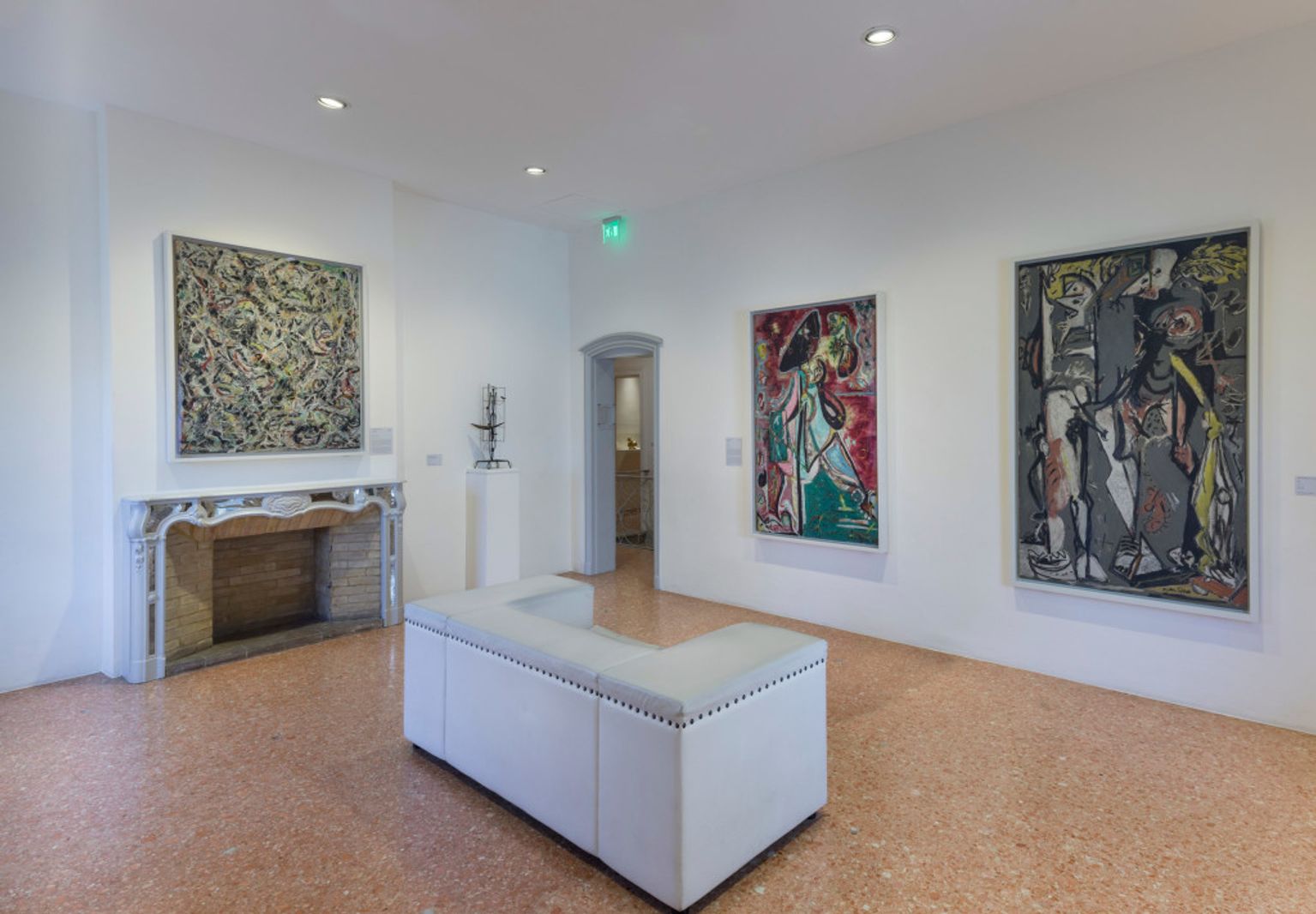
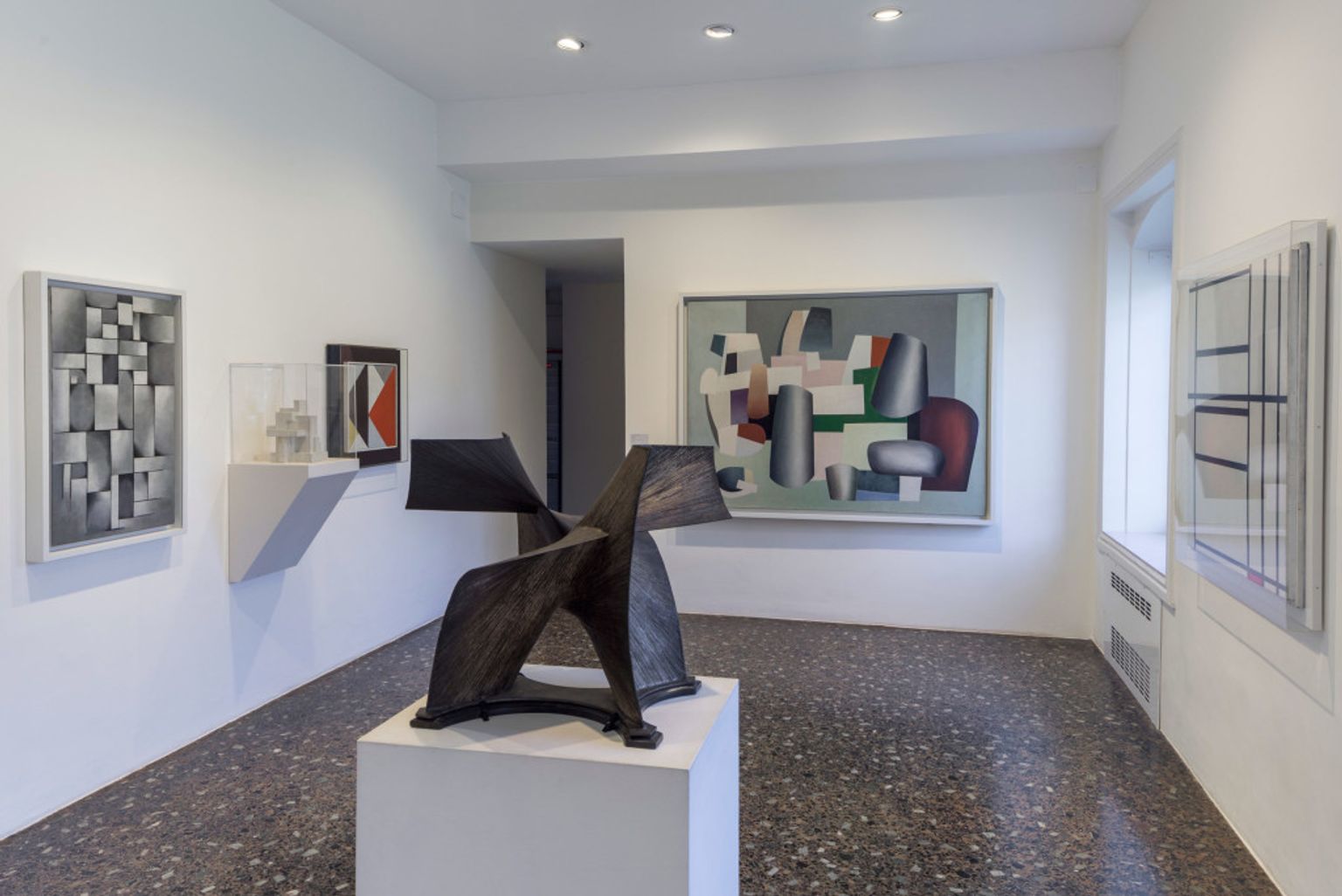
Peggy Guggenheim was a wealthy art collector with an unusual eye for art and talent. Early on, she discovered artists who later became among the greatest masters of the 20th century. Over the years, she built up an impressive collection featuring works by, among others, René Magritte, Pablo Picasso, Salvador Dalí, and Jackson Pollock.

The Woman Who Gave Venice Modern Art
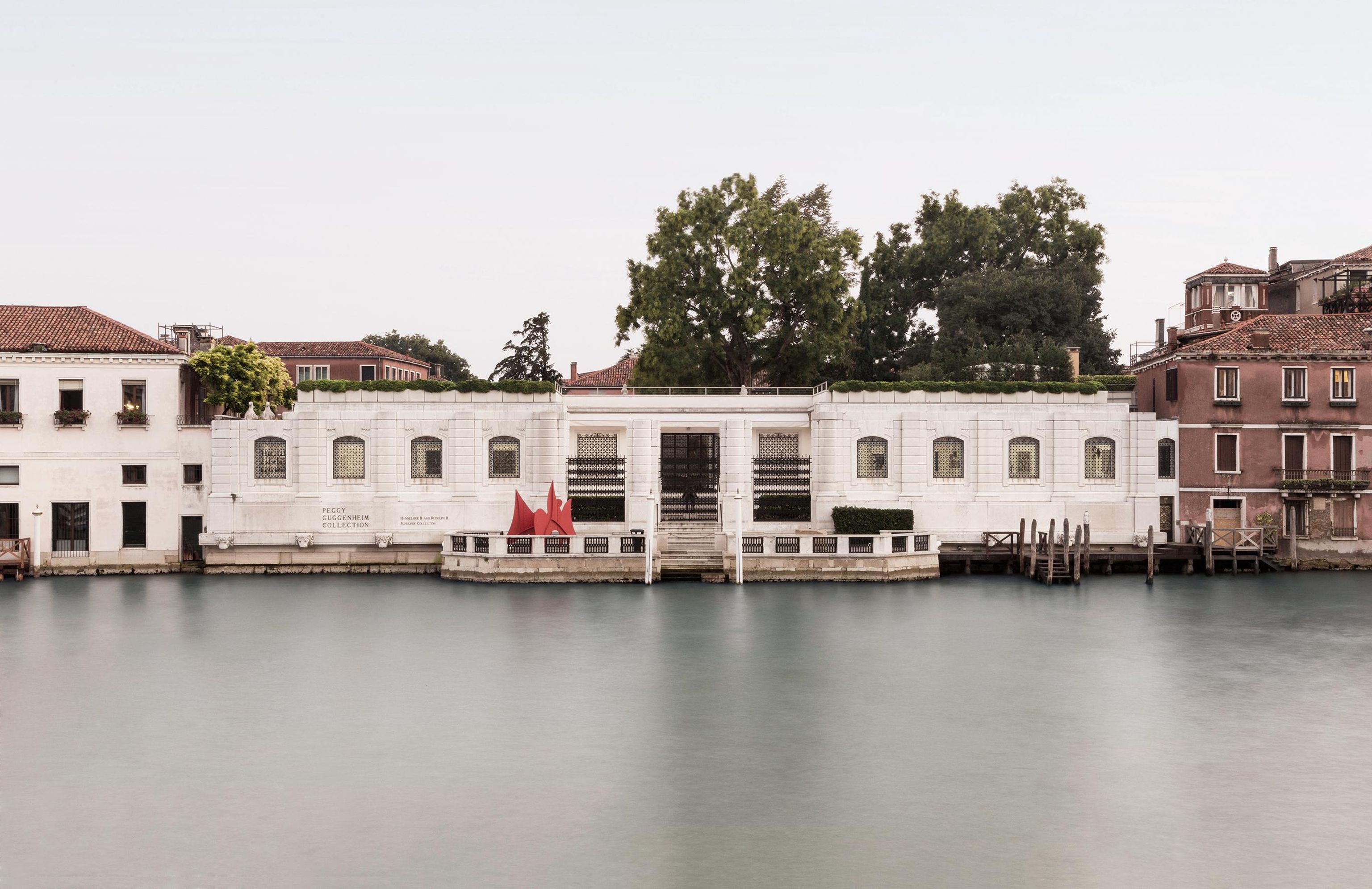
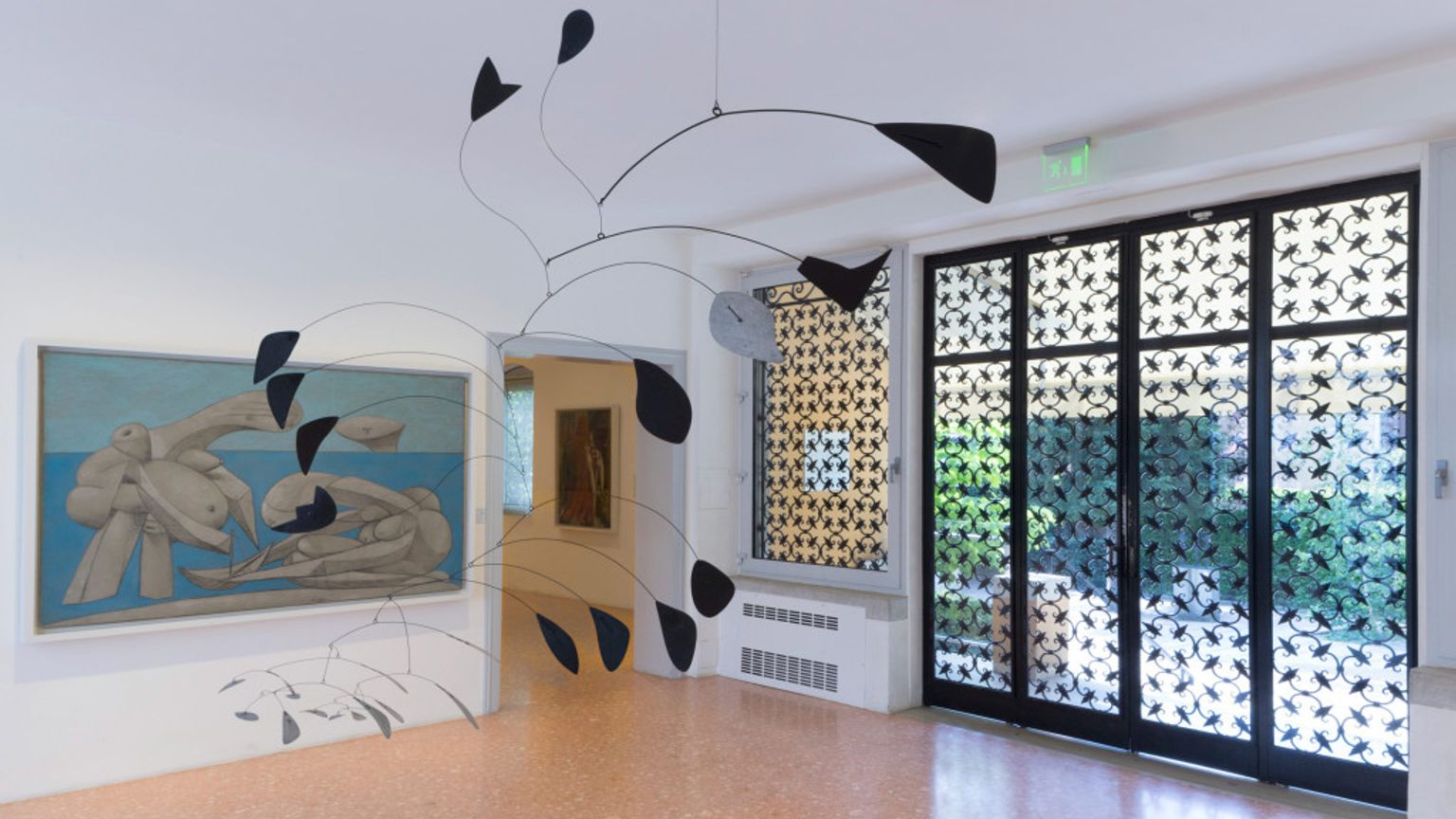
There is a stretch of the Grand Canal where the palazzi rise in their usual splendor of marble and moss, centuries of Venetian grandeur stacked one atop the other. And then, low and unfinished looking among them, sits the Palazzo Venier dei Leoni, a single story building that was never completed beyond its ground floor. It looks almost shy next to its neighbors. Yet inside lives one of the boldest collections of twentieth century art in the world, assembled by an American heiress who arrived in Europe determined to live entirely on her own terms.
Her name was Peggy Guggenheim, and Venice became the place where her restless life finally found a home.


An Heiress in Search of Herself
Peggy was born in New York in 1898 into the Guggenheim family, one of America's great mining fortunes, though her own branch of the family was comparatively modest. Her father died on the Titanic when she was thirteen, and the inheritance she eventually received, while substantial, was smaller than the wealth associated with her famous surname. Still, it was enough to fund a life of independence, and independence was exactly what she wanted.
She left for Europe in her early twenties and fell in with the writers and artists of the interwar avant garde. She married the artist Laurence Vail, befriended Marcel Duchamp, and began to develop the eye and the appetite for risk that would define the rest of her life. In London in the late 1930s she opened a gallery called Guggenheim Jeune, showing work by Jean Cocteau, Wassily Kandinsky, and other artists still considered dangerously modern by the wider public.

Buying a Picture a Day
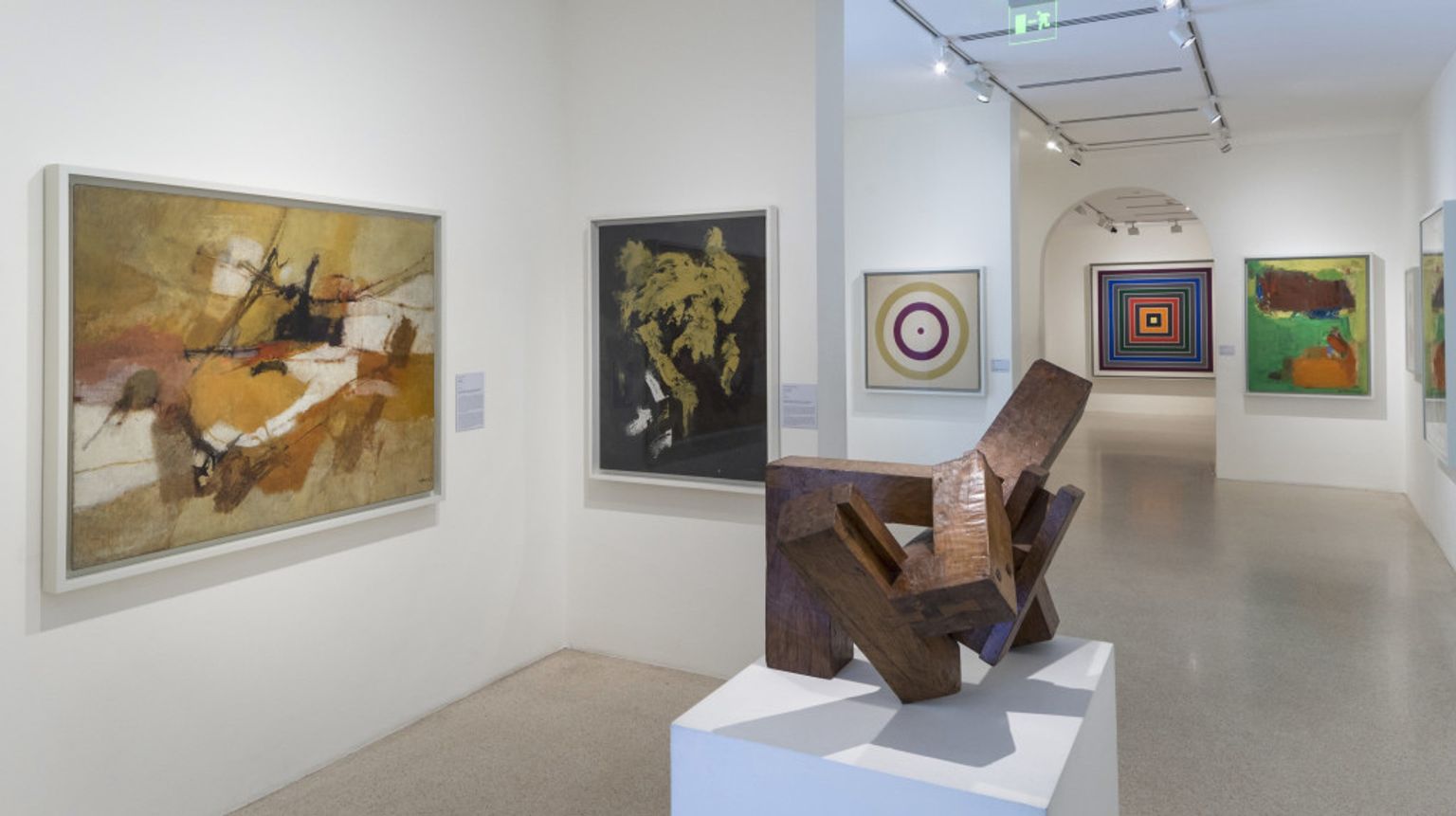
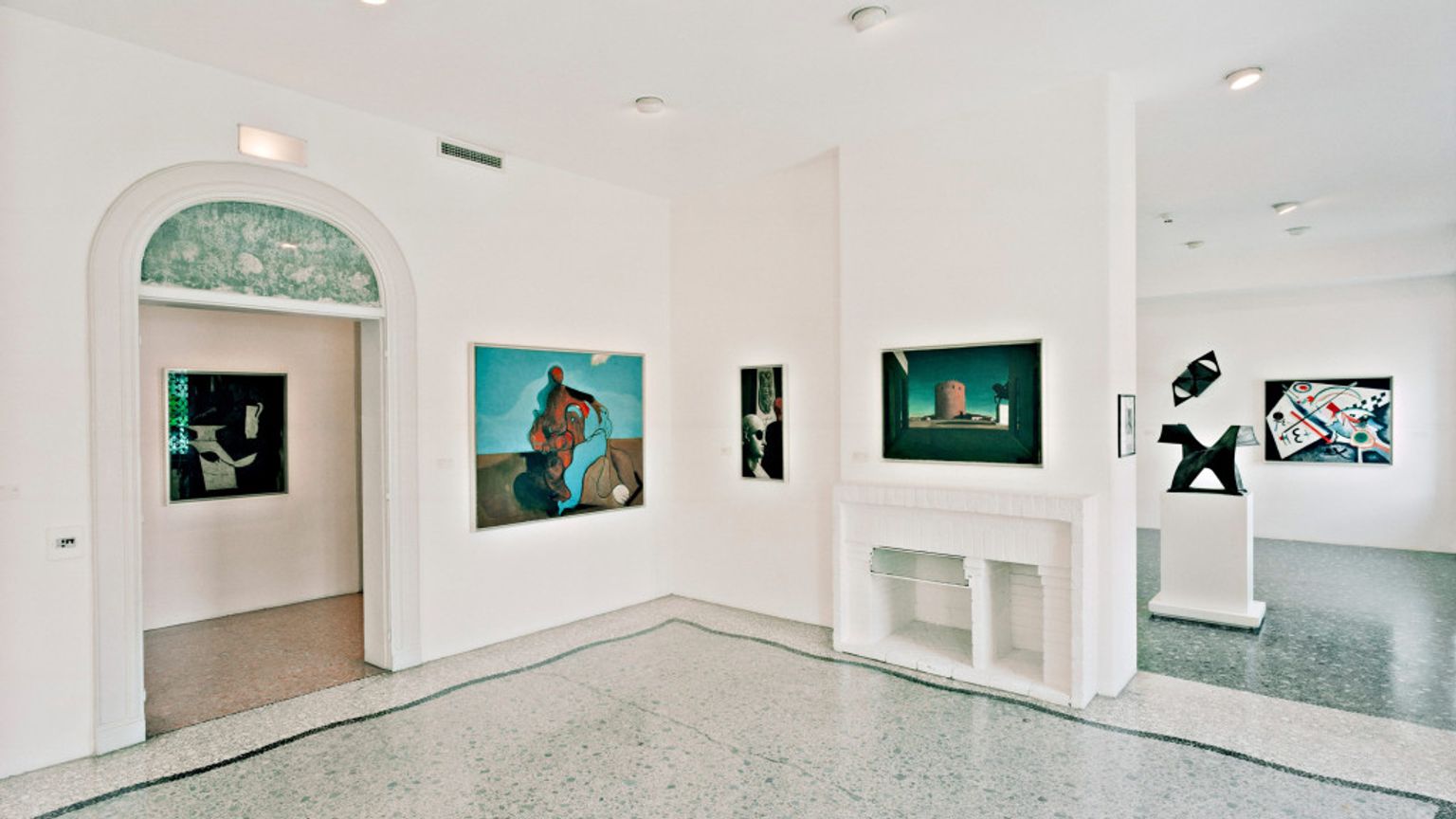
As war closed in on Europe, Peggy made a decision that would later be recognized as one of the great acts of cultural rescue of the twentieth century. Living in Paris as German forces advanced, she resolved to buy as much art as she could, reportedly setting herself the goal of purchasing one picture a day. Dealers were desperate to sell and prices were low, so she moved quickly, acquiring works by Picasso, Braque, Dali, Miro, and many others before fleeing to the United States in 1941 with her collection packed among the household goods, disguised so as not to draw attention at the border.
Back in New York, she opened a gallery called Art of This Century, an extraordinary architectural experiment in its own right, and used it to champion a group of young American painters who had almost no reputation at the time. Among them was a struggling artist named Jackson Pollock, whom she supported with a monthly stipend and gave his first solo exhibition. Without her early backing, the story of American abstract expressionism might have unfolded very differently.

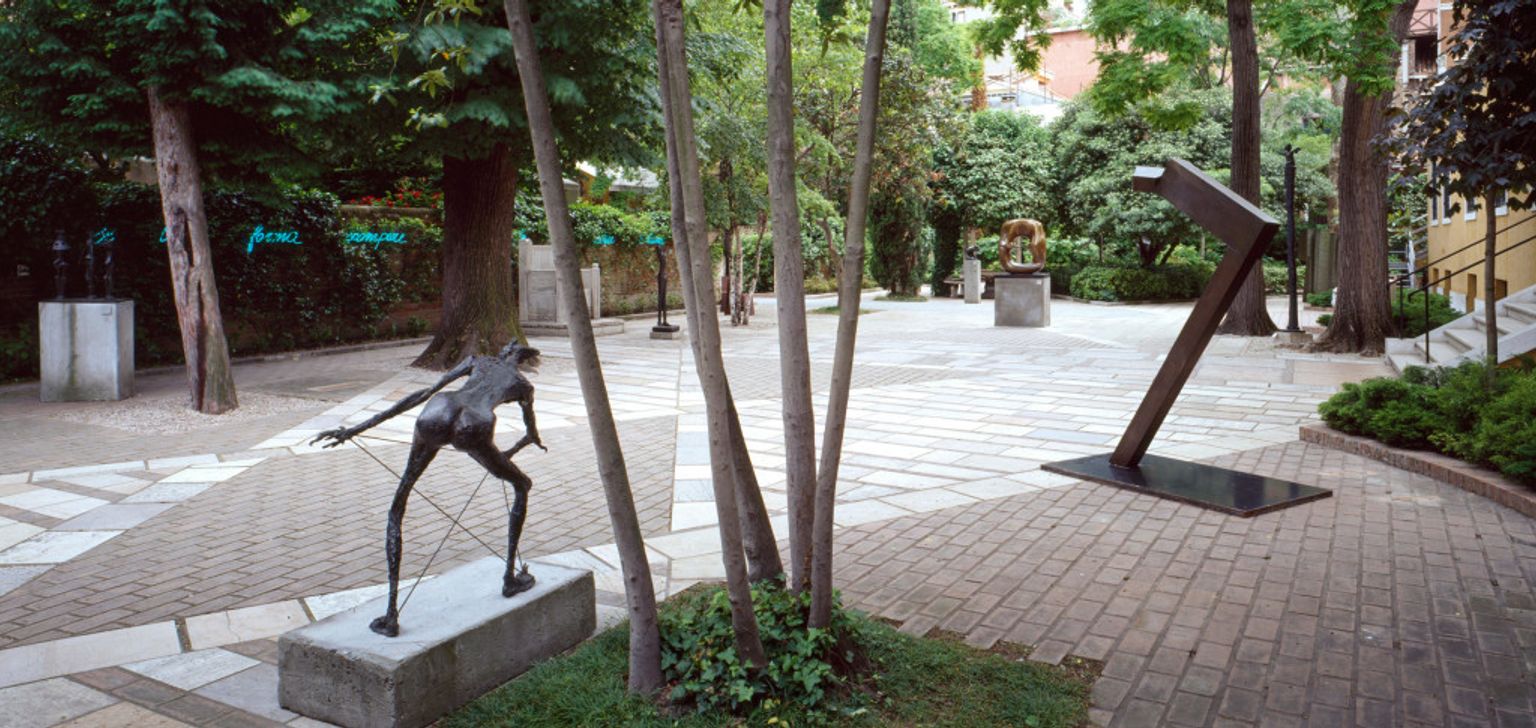

A Palazzo on the Grand Canal
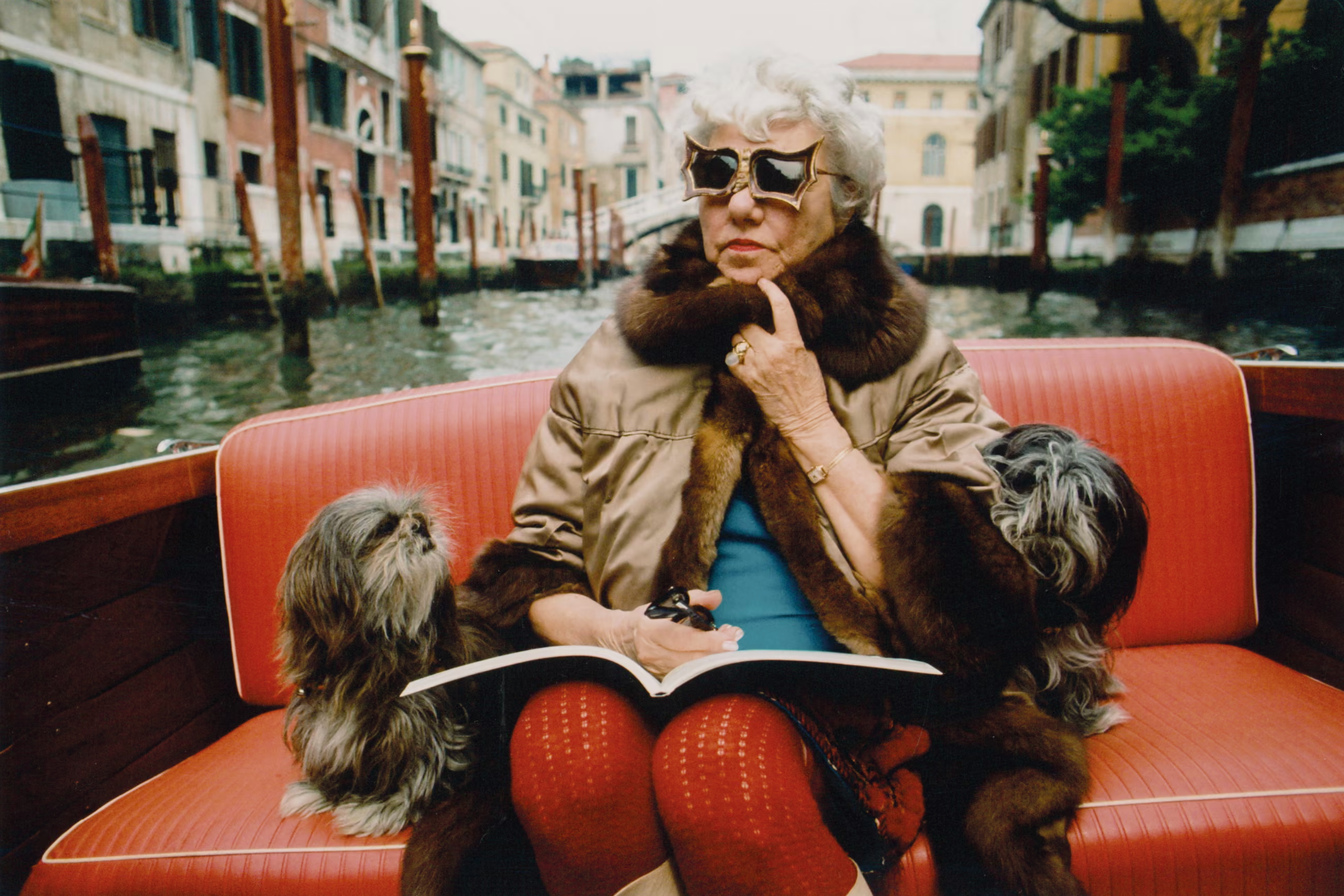
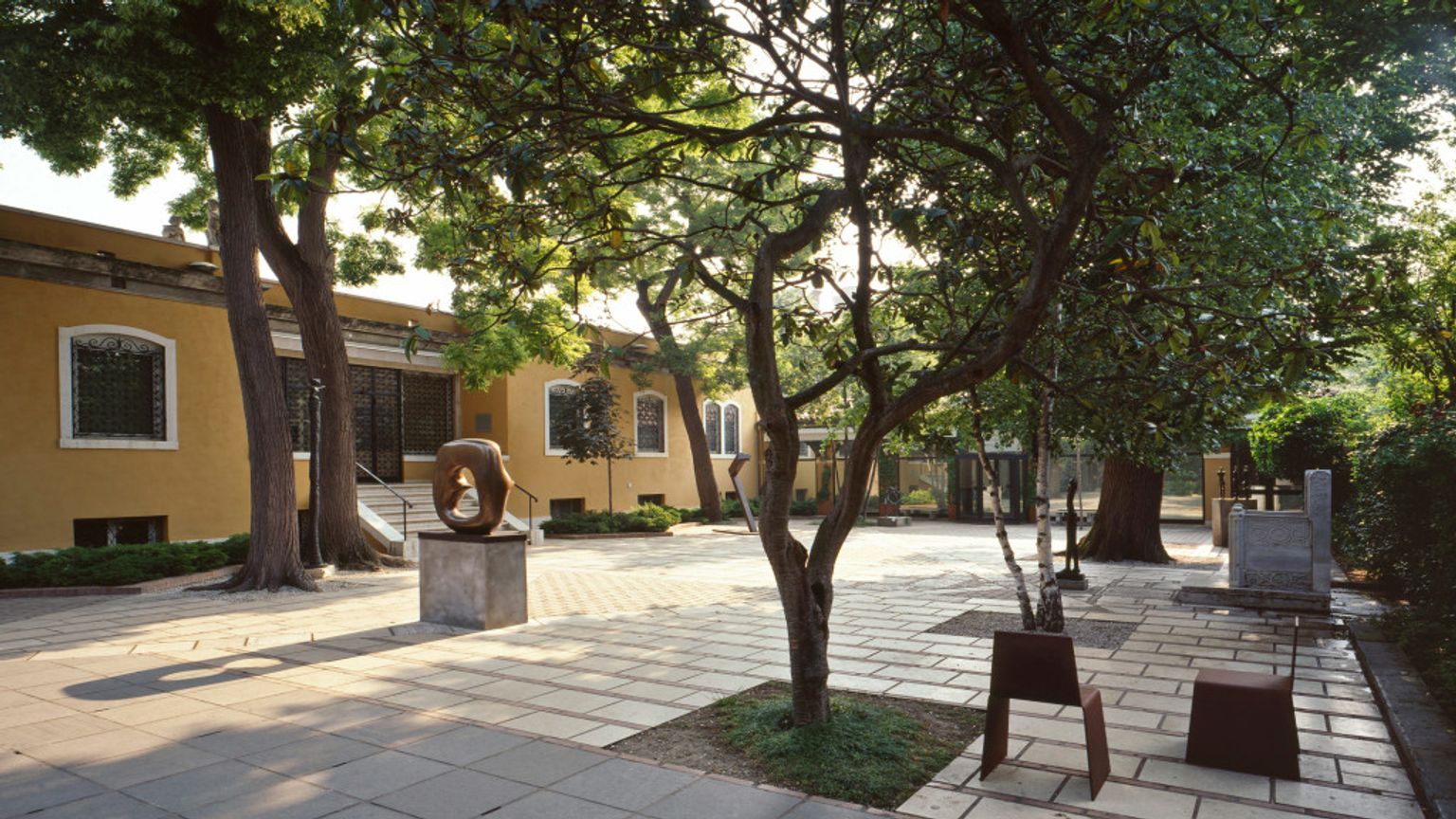
By 1949, restless again and drawn back to Europe, Peggy settled in Venice and bought the Palazzo Venier dei Leoni. The building's unfinished upper floors gave her an open, sunlit space unlike anything else on the canal, and she filled it with her collection, opening her home to the public during the summer months almost immediately. She lived among the paintings, walked her beloved Lhasa Apso dogs through the rooms, and became something of a local legend, the eccentric American who sunbathed on her rooftop terrace and sailed the canal in a gondola fitted with a specially commissioned Marino Marini sculpture at its prow, one so provocative that Venetian tradition holds she had a detachable version made for use during religious processions.
She continued collecting and befriending artists for the rest of her life, forming close relationships with figures like Max Ernst, to whom she was briefly married, and with a generation of European surrealists whose work might otherwise have found no permanent home. When she died in 1979, she left the palazzo and its contents to the Solomon R. Guggenheim Foundation, ensuring that her collection would remain in Venice rather than being absorbed into a larger institutional archive elsewhere.
The Collection Today
The Peggy Guggenheim Collection is now one of the most visited museums in Italy, drawing travelers who come as much for the intimacy of the setting as for the art itself. Unlike the vast halls of larger museums, the palazzo retains the scale of a home, and the works, by Pollock, Picasso, Ernst, Magritte, Brancusi, and dozens of others, feel encountered rather than displayed. The garden where Peggy is buried, alongside the graves of her dogs, sits just steps from the galleries, a quiet reminder that this was never meant to be a distant institution but a personal act of devotion to art she genuinely loved.
Venice has never lacked for beauty or history. What Peggy Guggenheim gave it was something rarer, a direct line to the art of her own century, delivered by a woman who refused to let convention, wealth, or expectation dictate how she would live.