
Michaël Borremans
French Painting
- ArtistMichaël Borremans
- GalleryCourtesy the artist and David Zwirner. Photos by Cedric Verhelst, Nicolas Brasseur and Alex Salinas
Derek Henderson Michaël Borremans’ paintings are amazing. They are often everyday things we see but somehow he reimagines them in such a way that you can’t stop looking at them.

French Painting
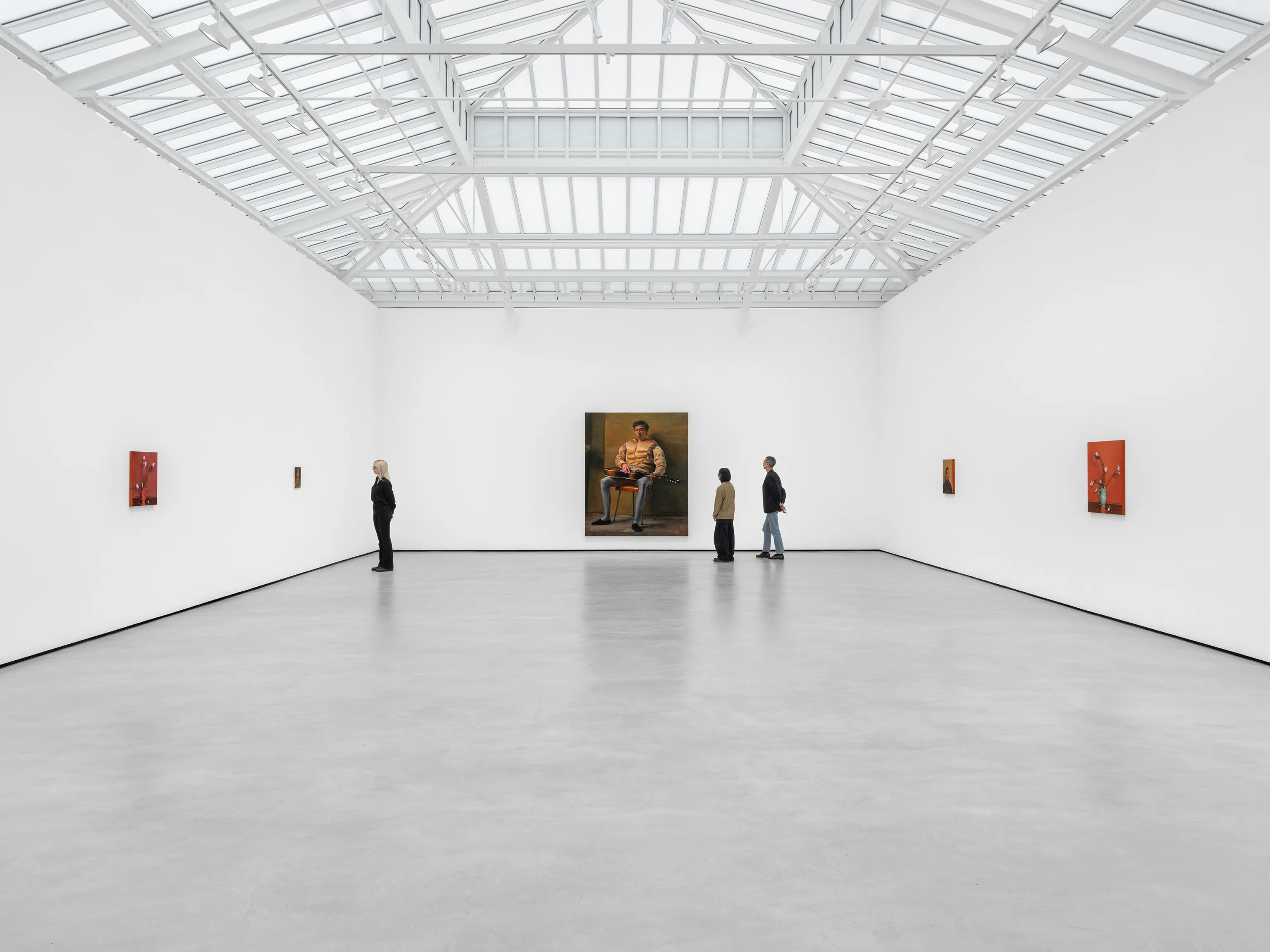
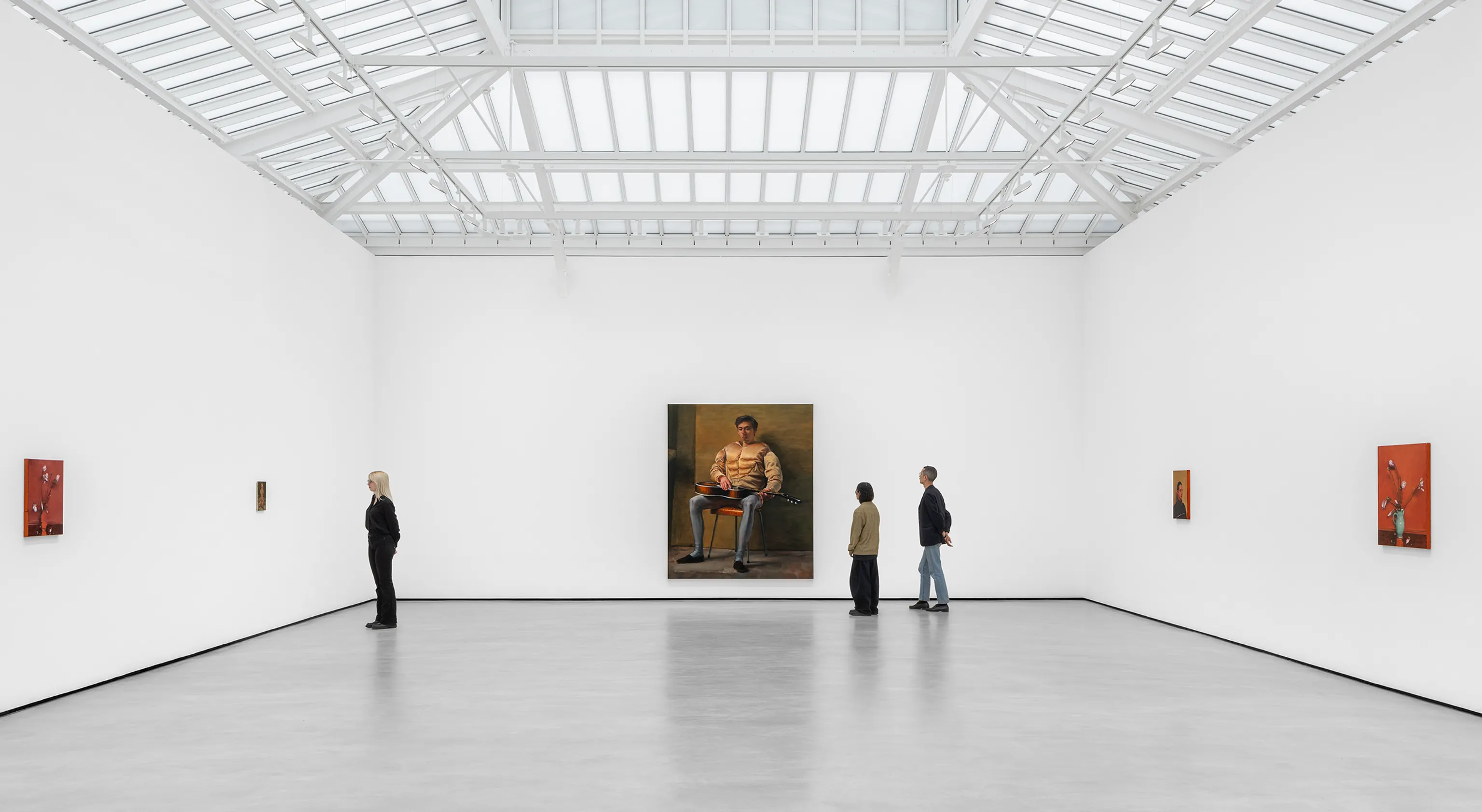
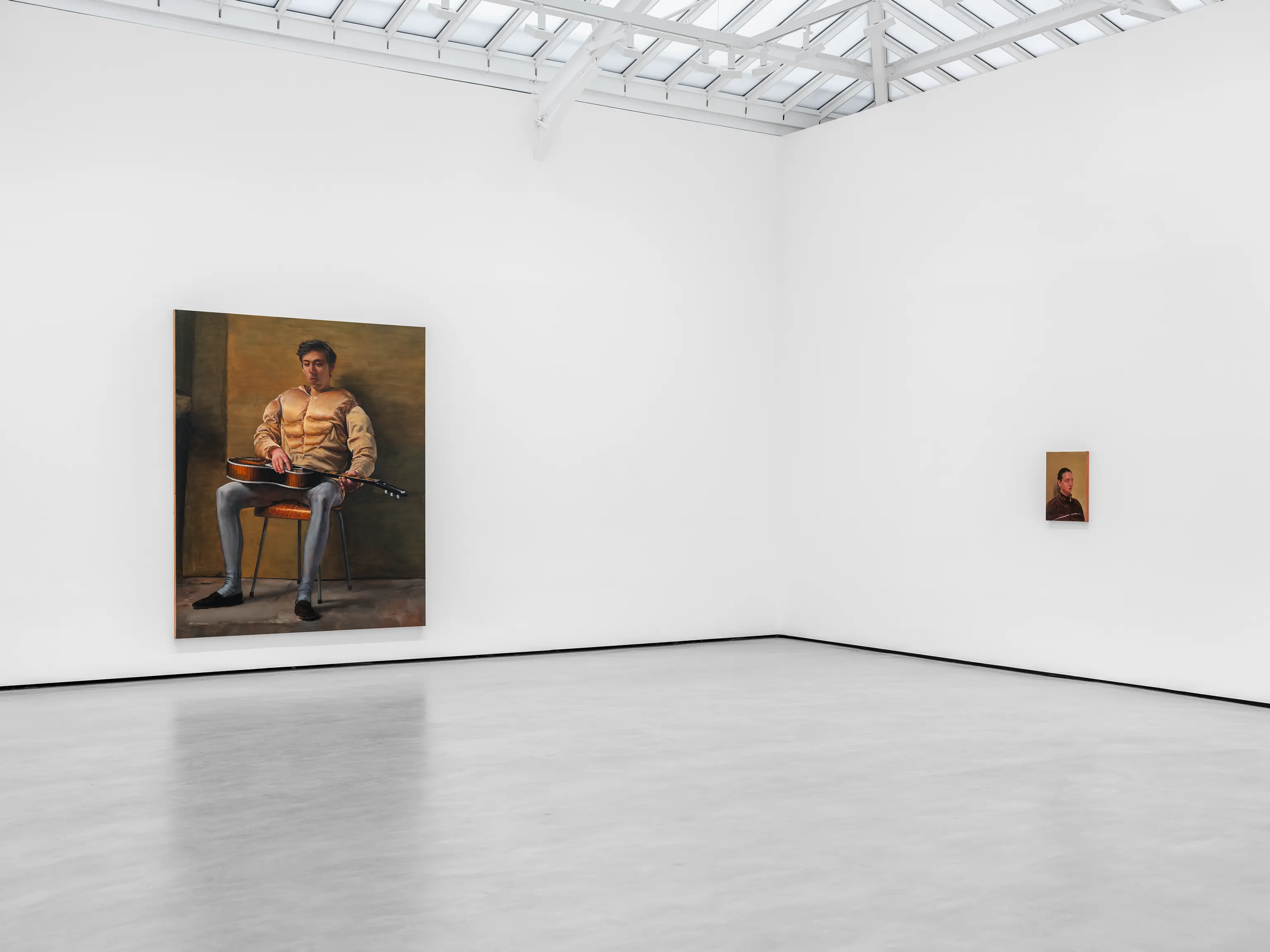
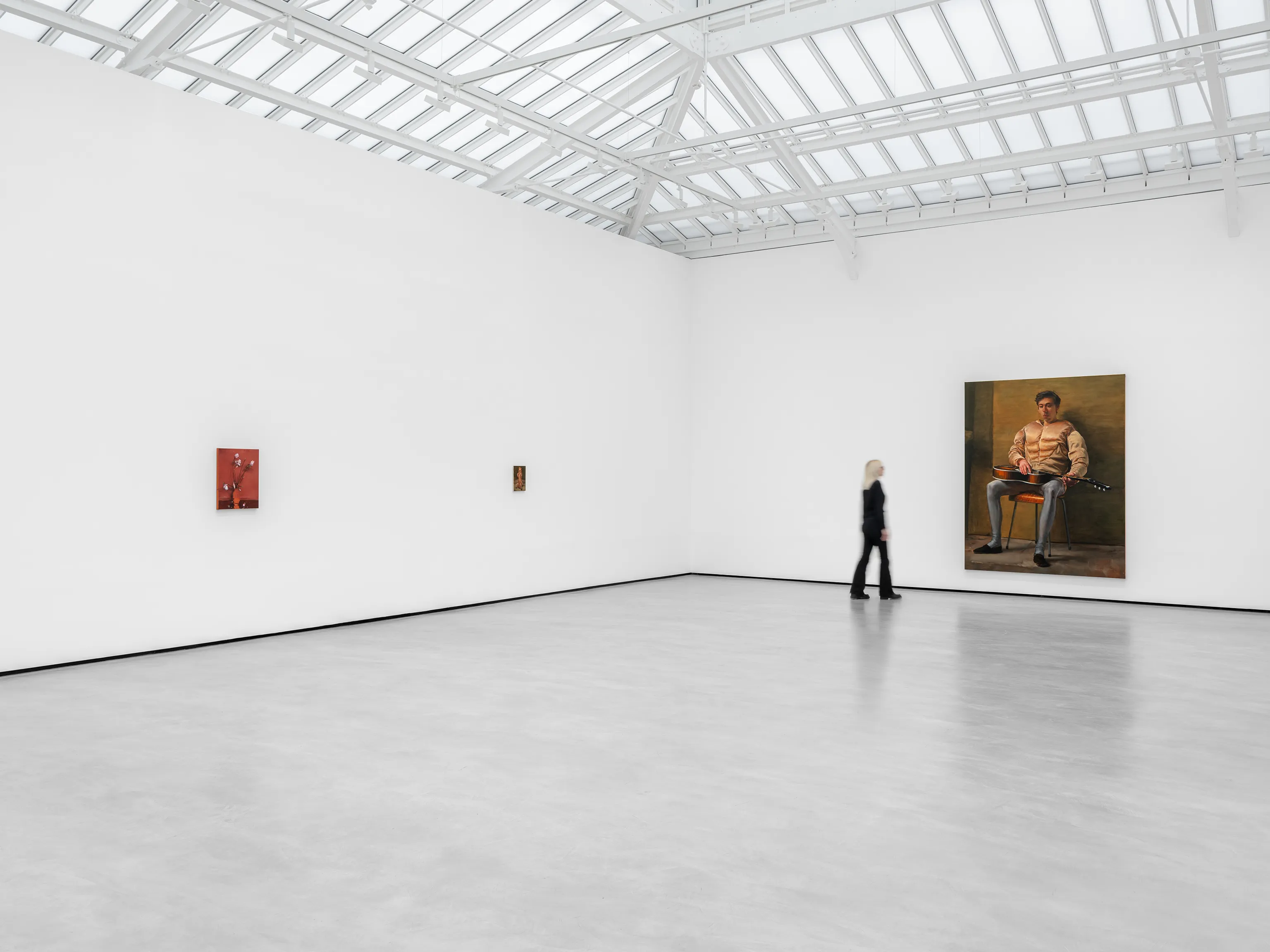
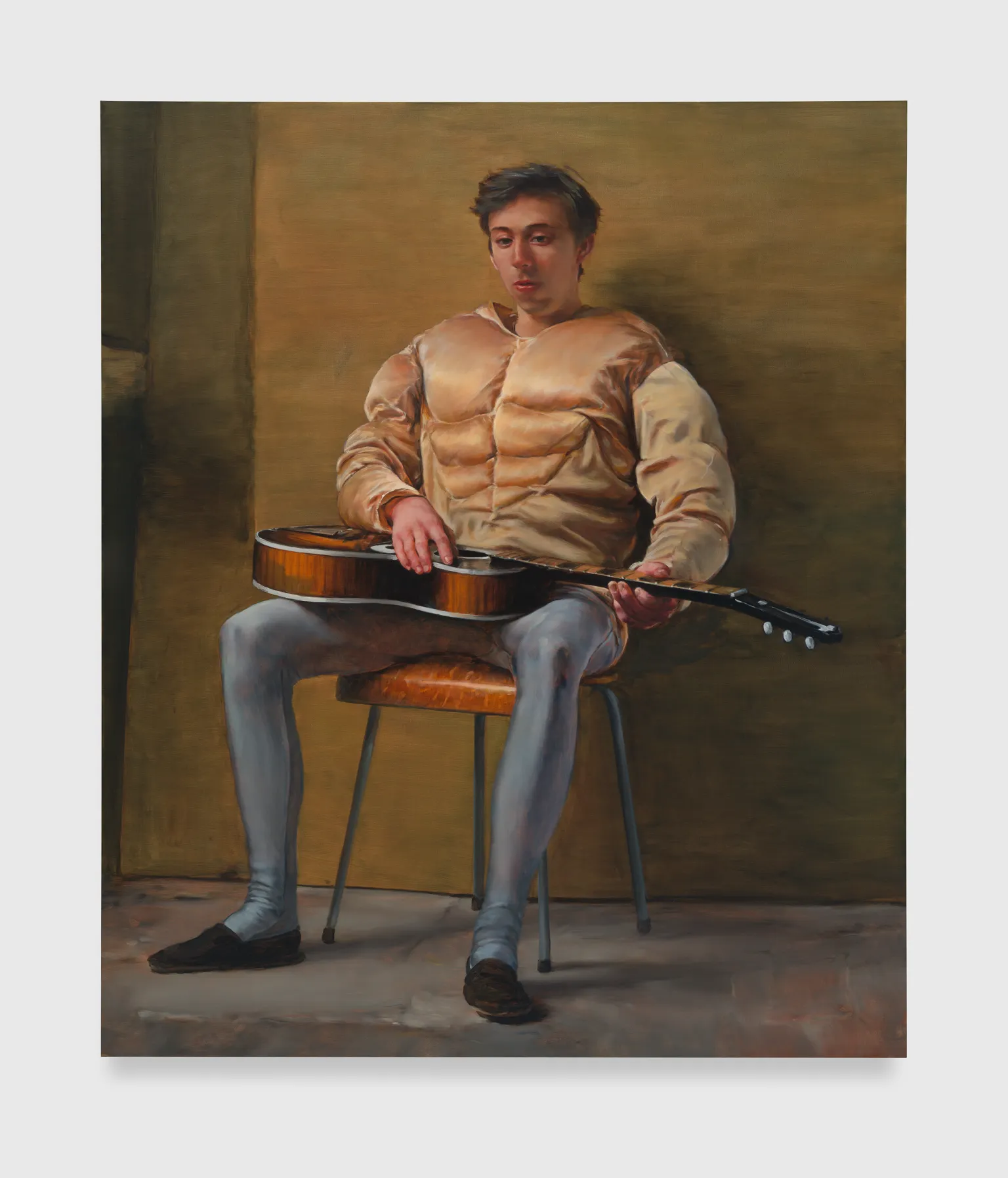
For his 2026 exhibition French Painting, Michaël Borremans presented a new series of paintings at David Zwirner’s Paris gallery. The exhibition ran from June 5 to July 22 and marked his first show at the gallery’s Paris location, as well as his return to France twenty years after his 2006 exhibition at La maison rouge. Across the works, Borremans draws on familiar traditions of European painting while introducing unexpected subjects and details. The paintings are carefully composed and technically precise, but they resist giving the viewer an immediate or certain interpretation.

Looking Back At Painting
The title refers to the long history of French painting, including traditions of portraiture and still life and artists such as Jean-Antoine Watteau, Jean-Siméon Chardin and Édouard Manet. Borremans does not try to recreate this tradition, but uses it as a way of looking at the present. He has spoken about his interest in connecting contemporary images with images from the past, arguing that these older visual references are still part of how we understand pictures today. In French Painting, familiar forms are therefore combined with details that feel unusual, creating a connection between art history and contemporary life.


Beauty And Disruption
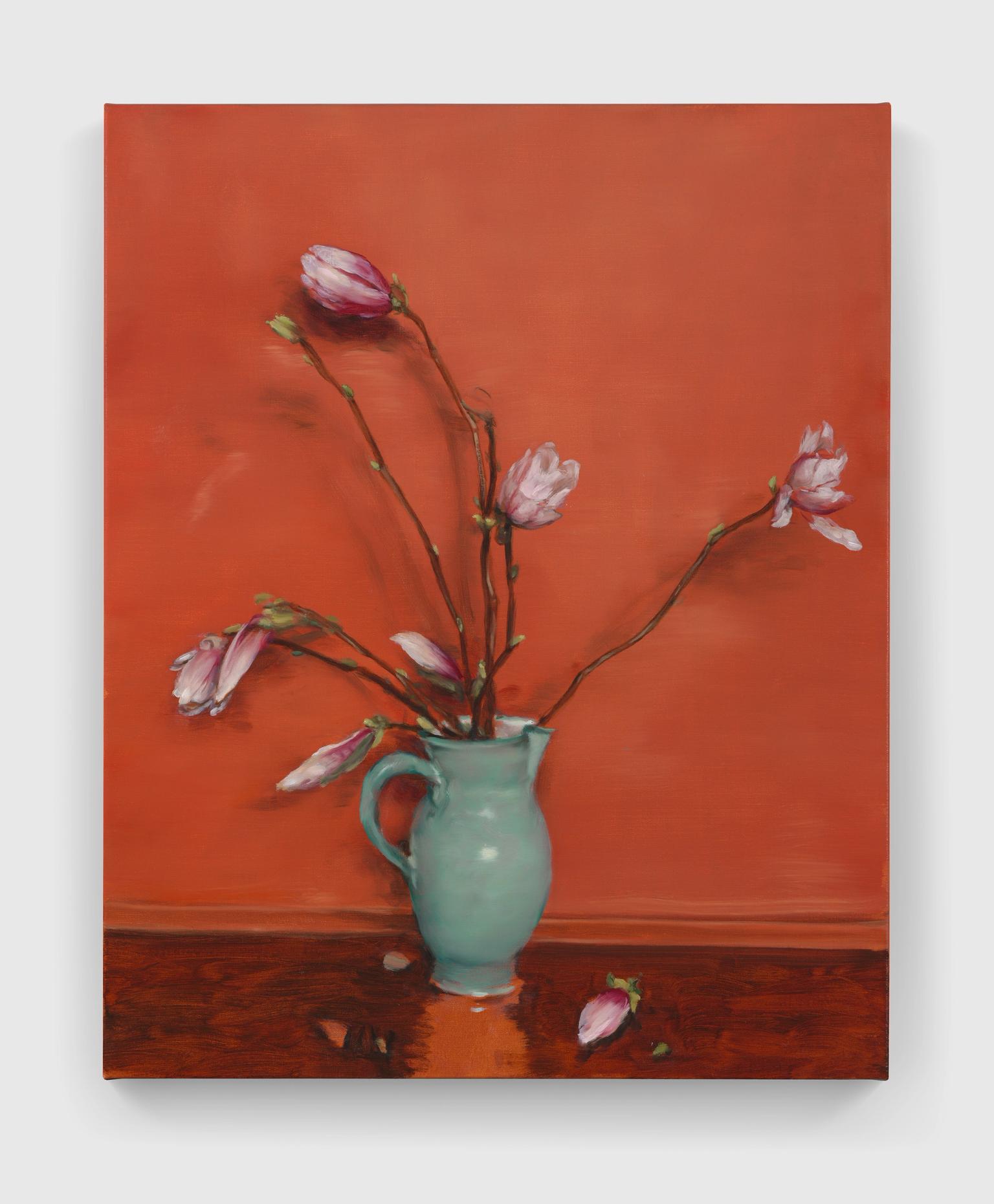
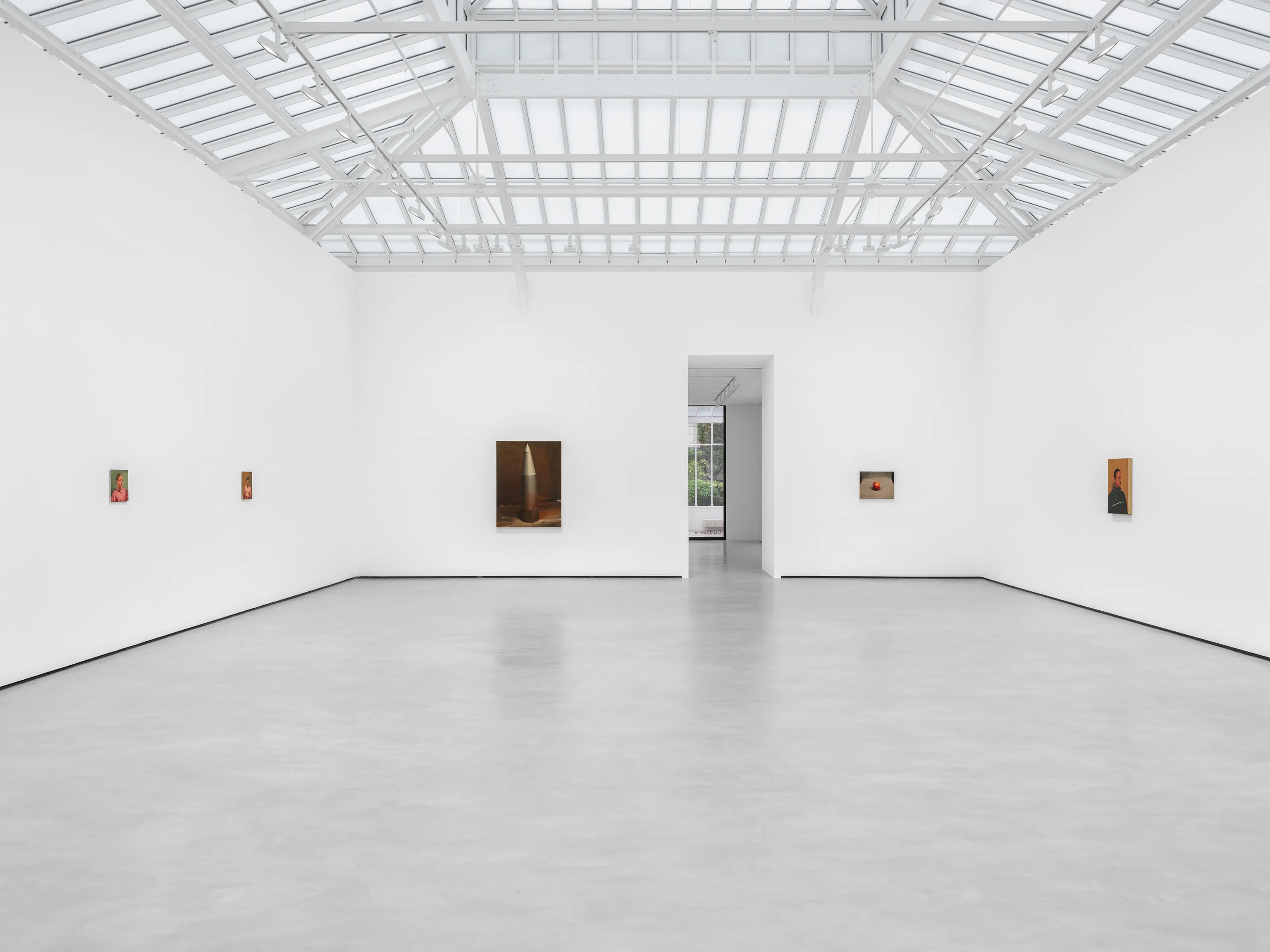
Several works in the exhibition place very different ideas next to each other. In Happiness (2026), an explosive device is partly hidden inside a bright pink sleeping bag, bringing together an object associated with destruction and an image of comfort. In another painting, flowering magnolia branches sit in a green ceramic jug, recalling a traditional still life while also raising ideas of innocence, nature and human control. Across the exhibition, beauty and disturbance exist together, making the paintings difficult to read in a single way.

Between Portrait And Still Life
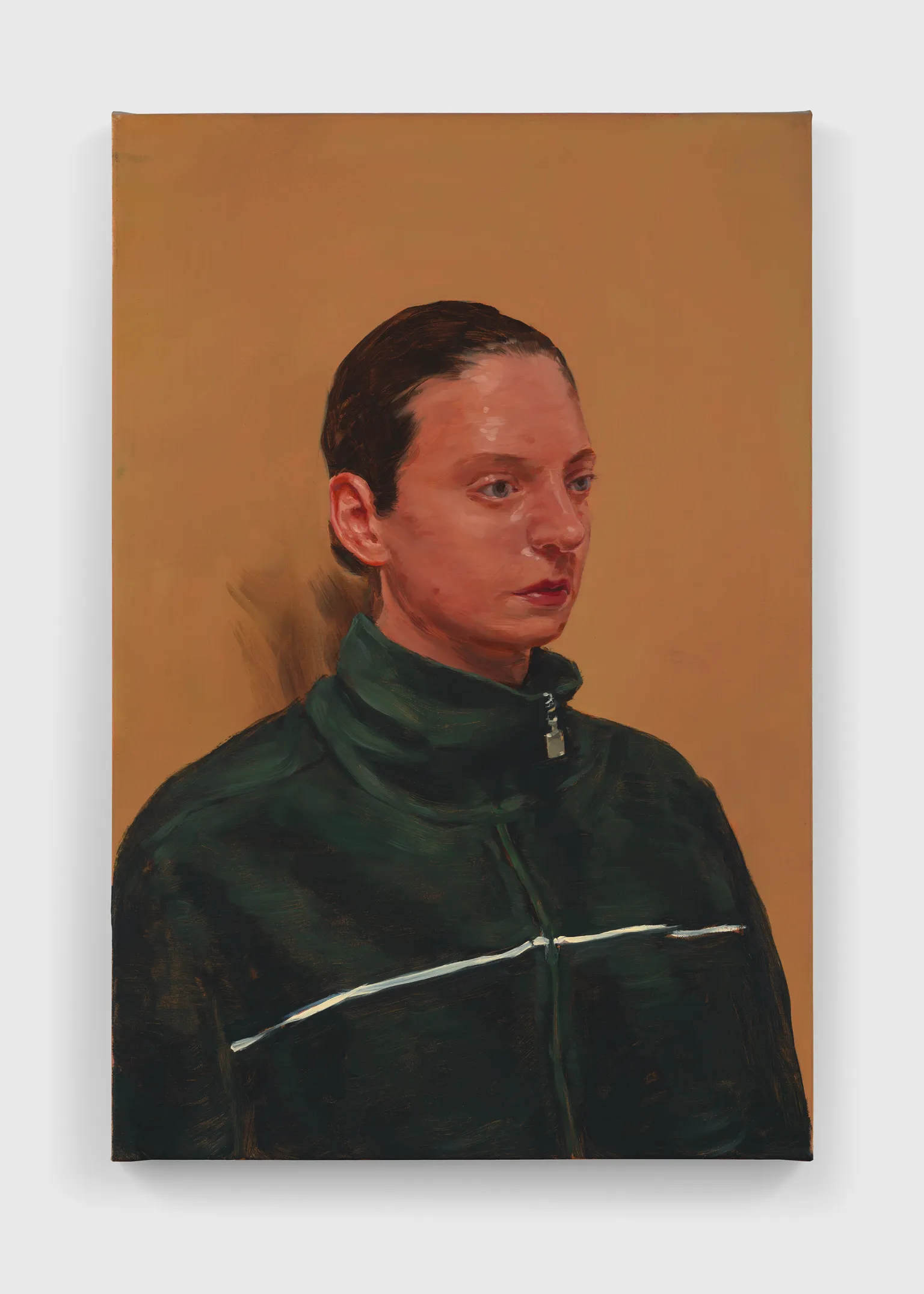
The portraits in French Painting are similarly open to interpretation. The figures can appear innocent, vulnerable or disturbed, sometimes at the same time. Borremans also plays with the boundaries between genres: a portrait can begin to feel like a still life, while an object can carry the emotional weight normally associated with a person. This uncertainty is central to his practice. Rather than telling a clear story, he introduces small shifts and unexpected associations that make the viewer question what they are seeing and how they are meant to understand it.

Michaël Borremans
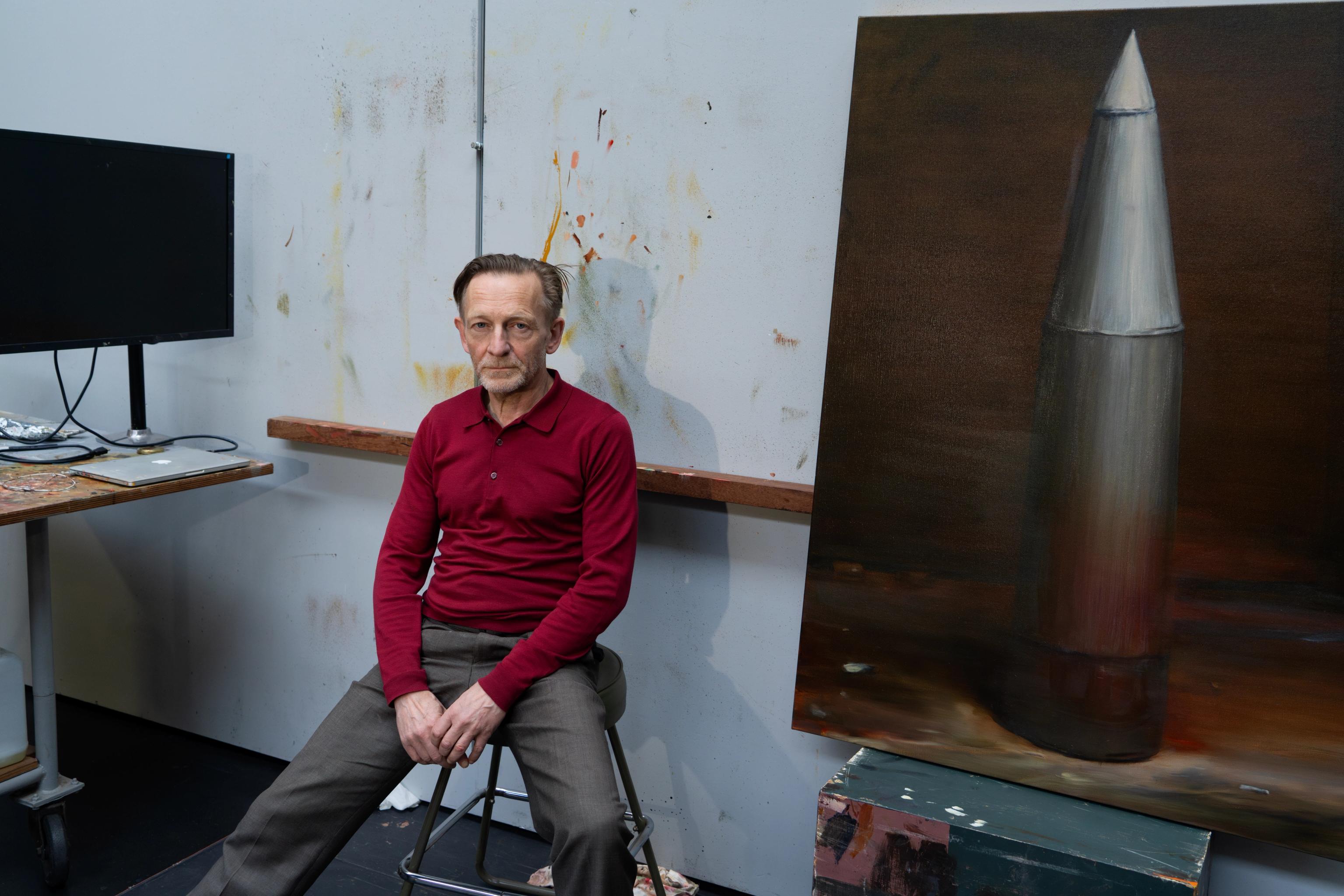
Born in Gerardsbergen, Belgium, in 1963, Borremans studied at the College of Arts and Sciences St. Lucas in Ghent, where he received his MFA in 1996 and still lives and works today. Originally trained as a photographer, he turned towards drawing and painting in the 1990s and later expanded his practice to include film and sculpture. His work draws on the history of European painting, with influences including Édouard Manet, Edgar Degas and Diego Velázquez, while photographs he makes himself and sculptures created as references can also form the basis for his paintings. Before gaining wider recognition, he worked as a teacher in Ghent.
His work has since been exhibited internationally, including major solo exhibitions at the Palais des Beaux-Arts in Brussels, Museum Voorlinden in the Netherlands and the Hara Museum of Contemporary Art in Tokyo. His paintings are also held in collections including MoMA in New York, the Art Institute of Chicago and the Museum of Fine Arts, Boston.