
Niels Strøyer Christophersen
FRAMA Studio Store
- Creative DirectorNiels Strøyer Christophersen
- Design StudioFRAMA
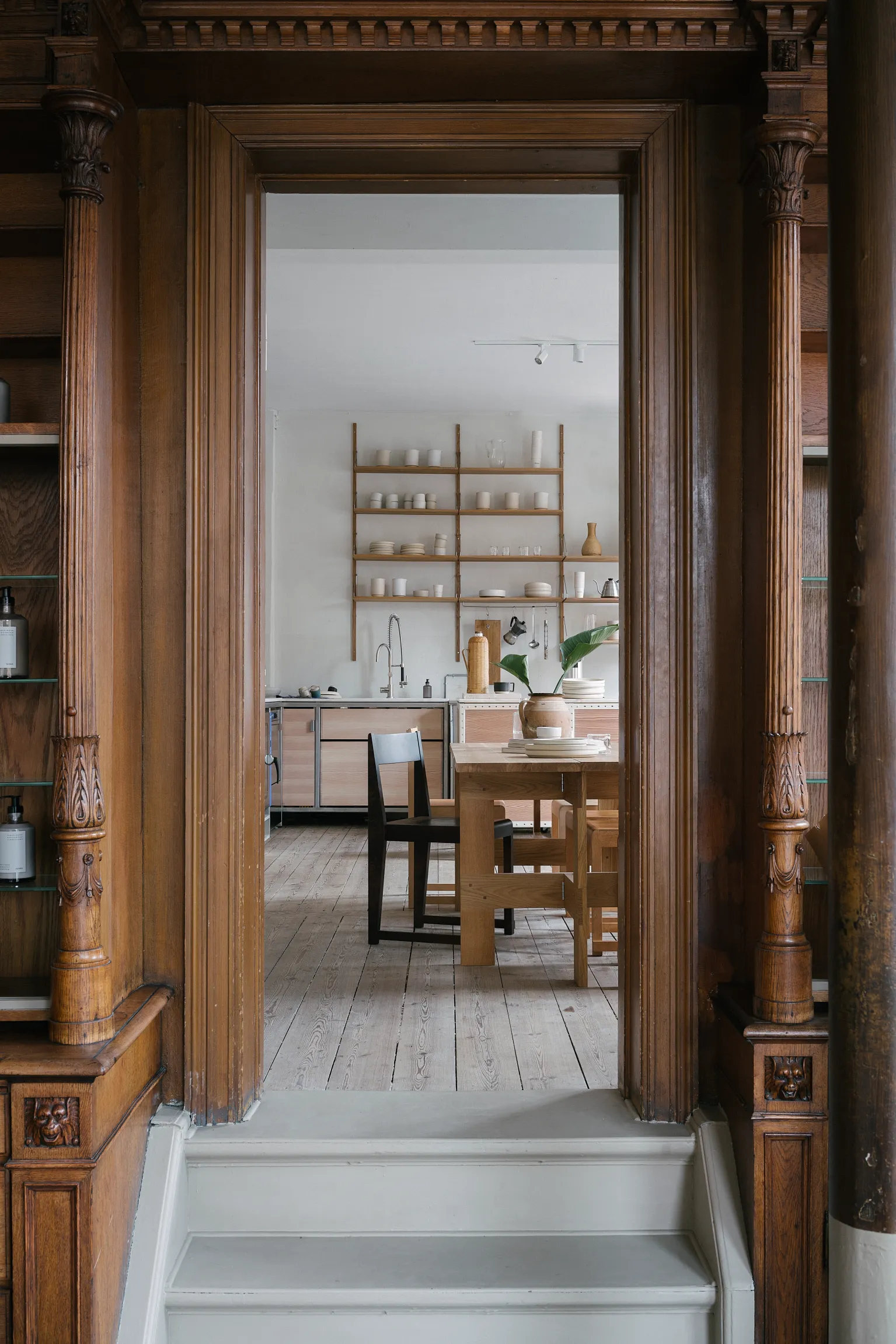
Frederik Gustav The FRAMA Studio Store works because nothing has been overdone. The former apothecary interior already carries the space, and the design wisely steps back – a difficult discipline for which we have great respect. In its fusion with Apotek 57, the space feels more like a place to linger than a traditional retail store.

FRAMA Studio Store – A Spatial Extension of the Brand
The FRAMA Studio Store in Copenhagen represents the physical and conceptual heart of FRAMA’s multidisciplinary universe. Situated in the historic St. Paul’s Apotek building, the project is more than a retail space; it is a living expression of the studio’s philosophy of mindful living, material honesty, and sensory design.
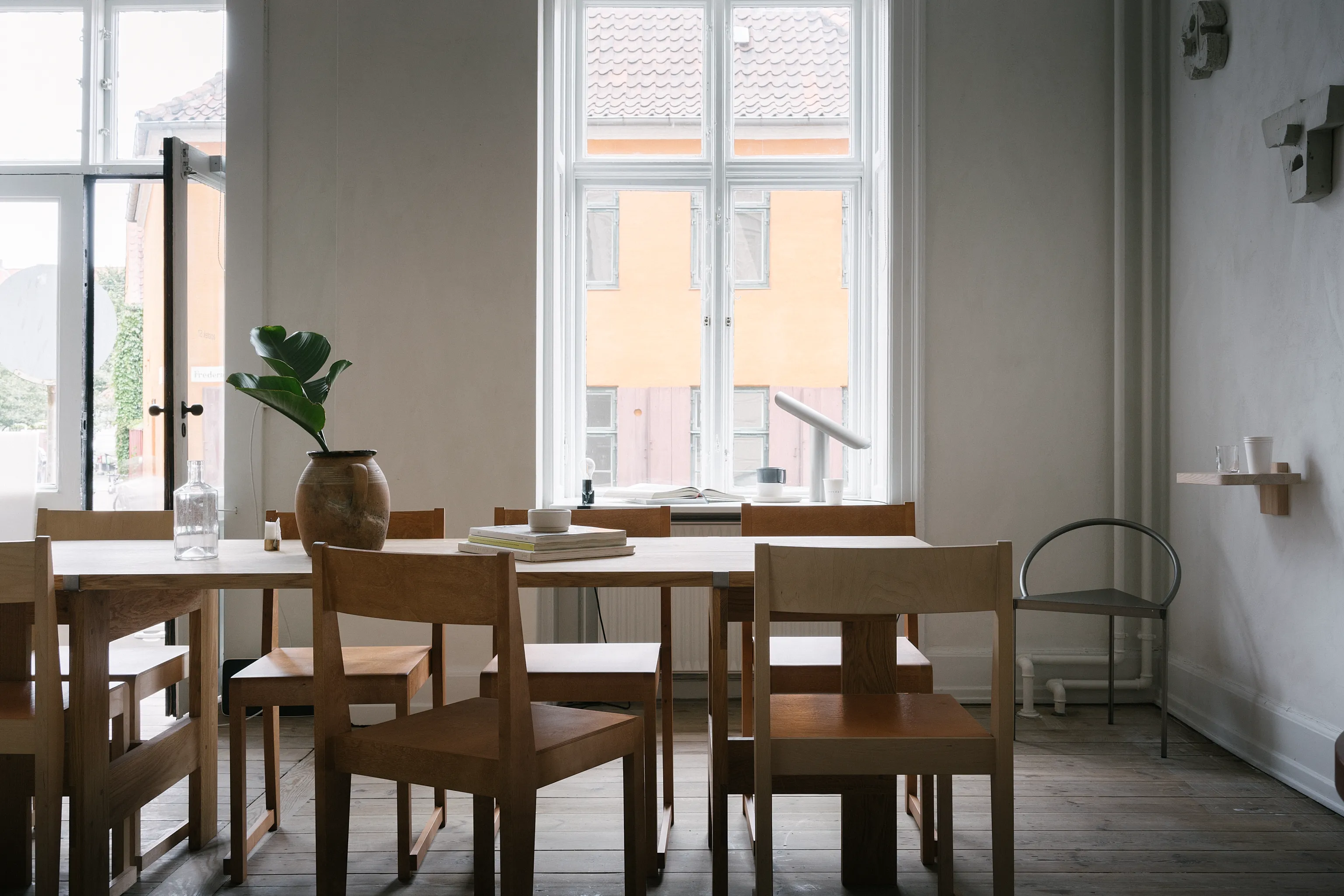
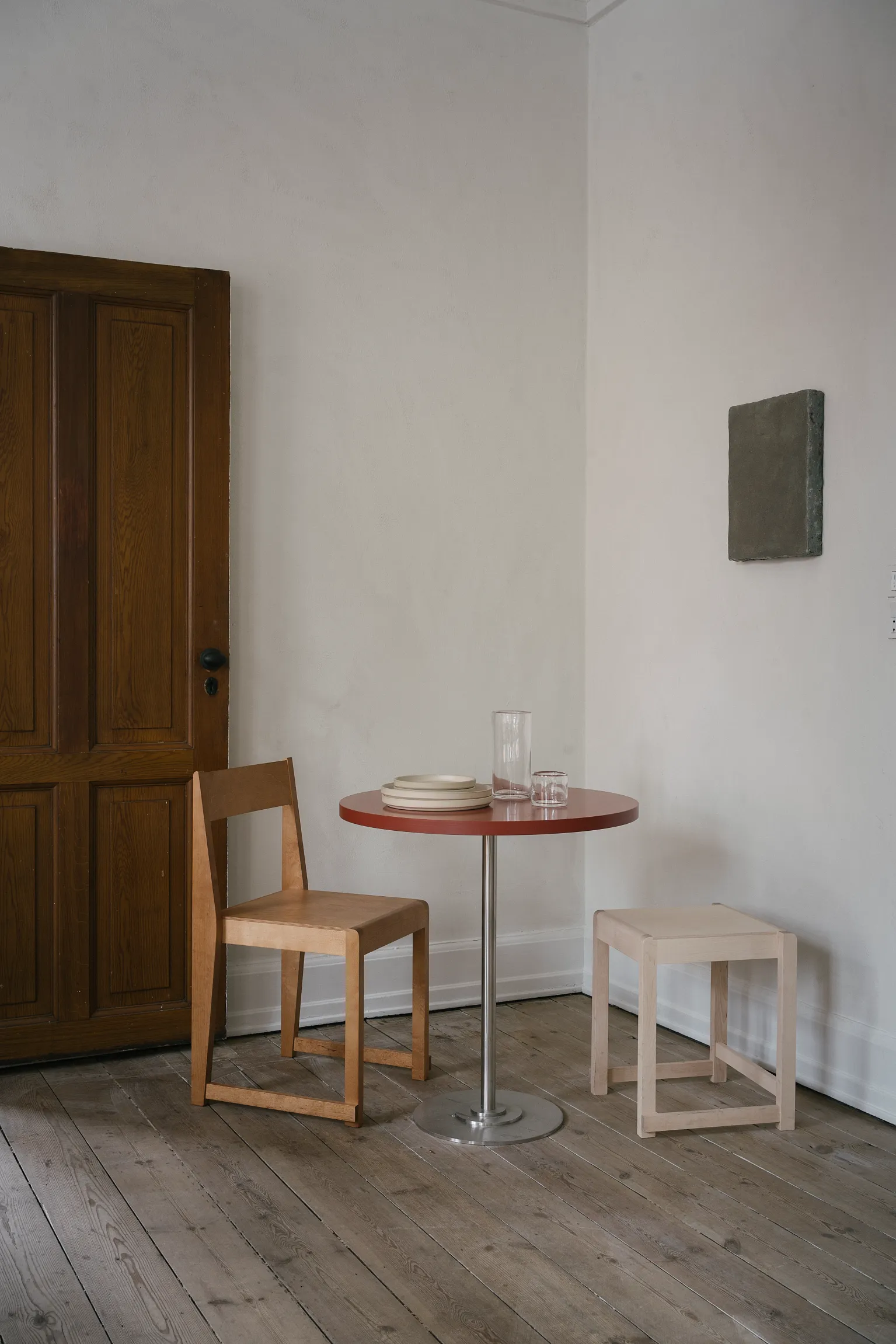
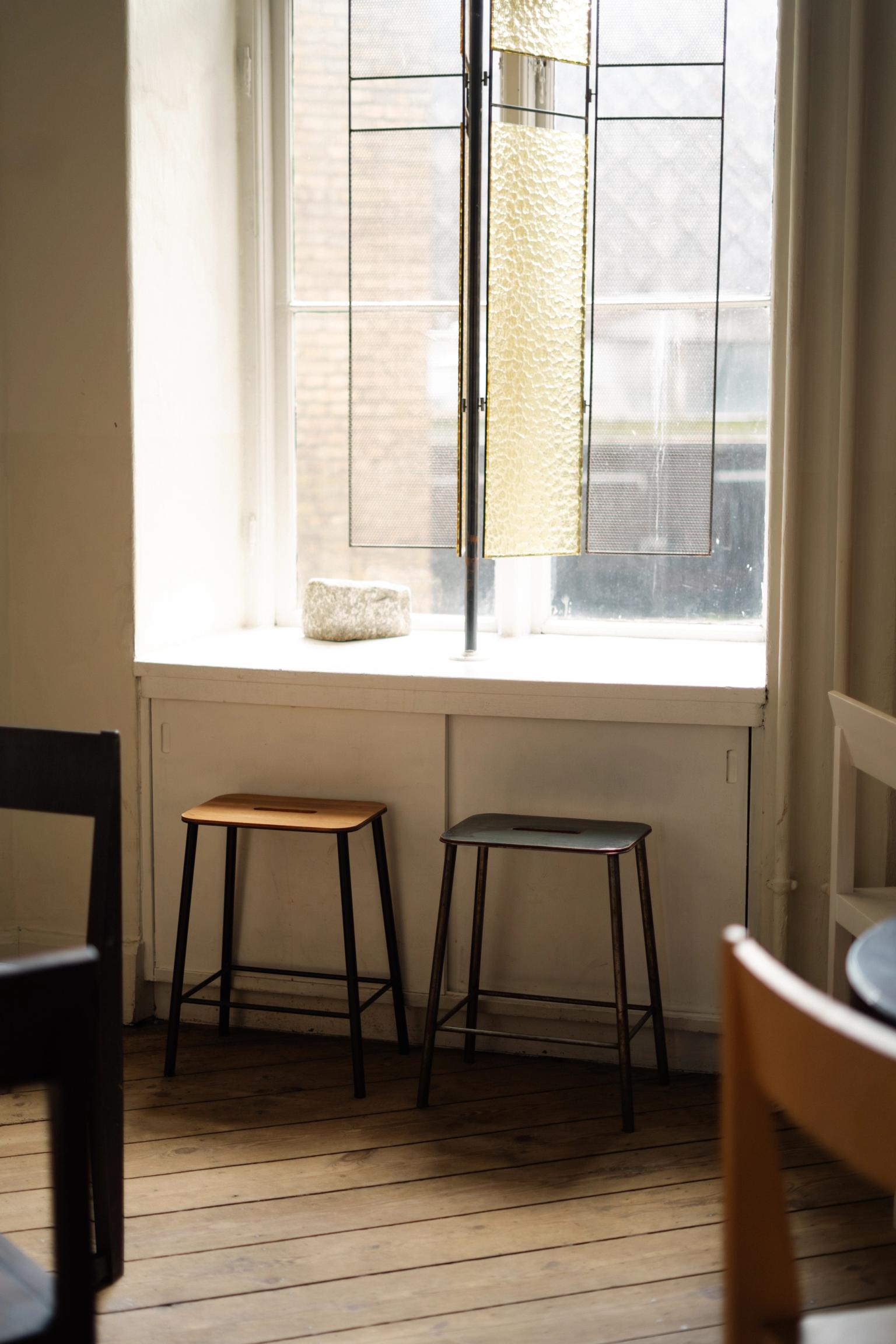
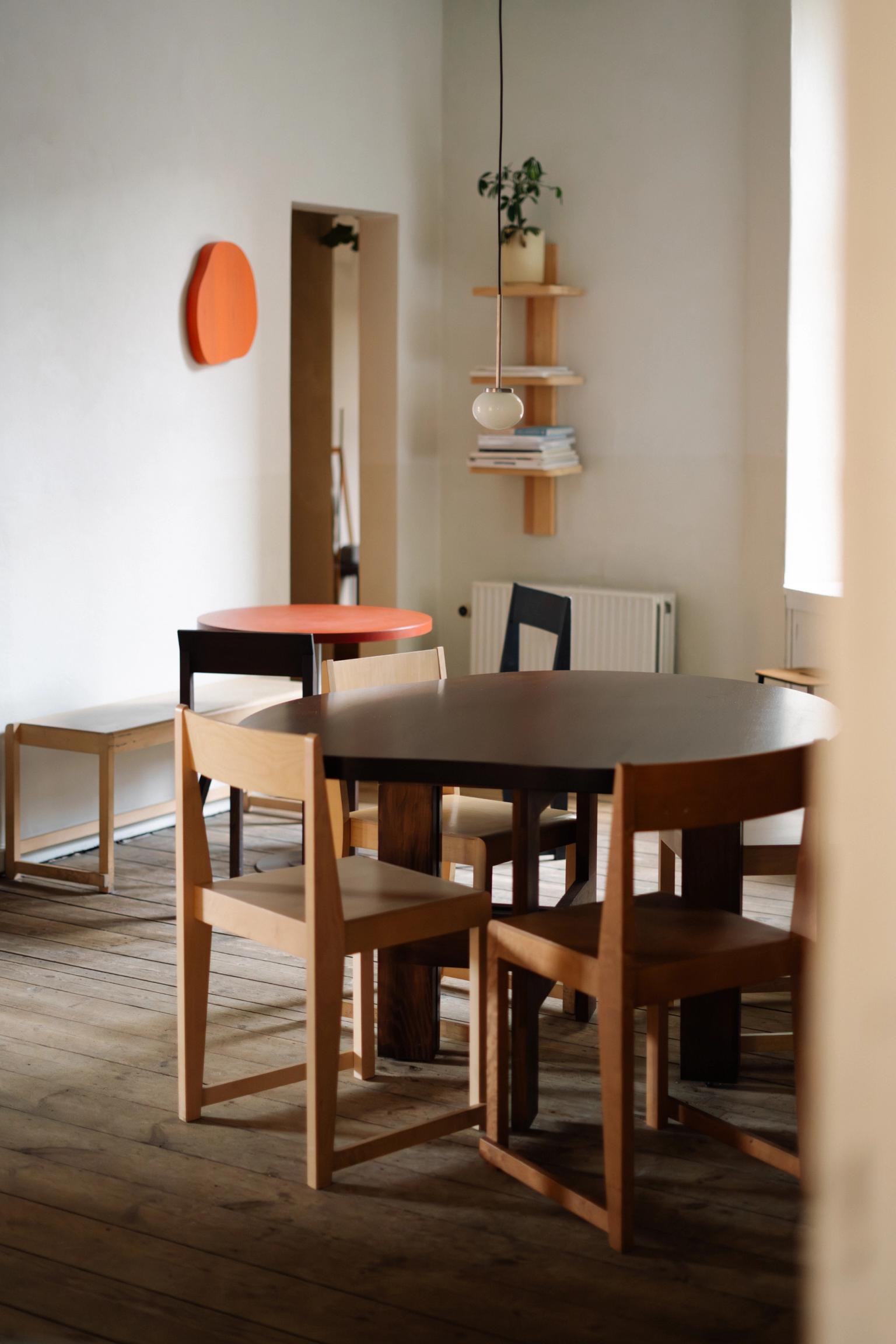
The Studio Store acts as a place where architecture, objects, and atmosphere merge into a cohesive experience, inviting visitors to move beyond conventional consumption and instead engage with design as a cultural and emotional practice. Natural materials, restrained geometries, and soft, daylight-driven interiors shape a spatial language that feels both contemporary and timeless, reflecting the brand’s belief that simplicity can carry profound depth.
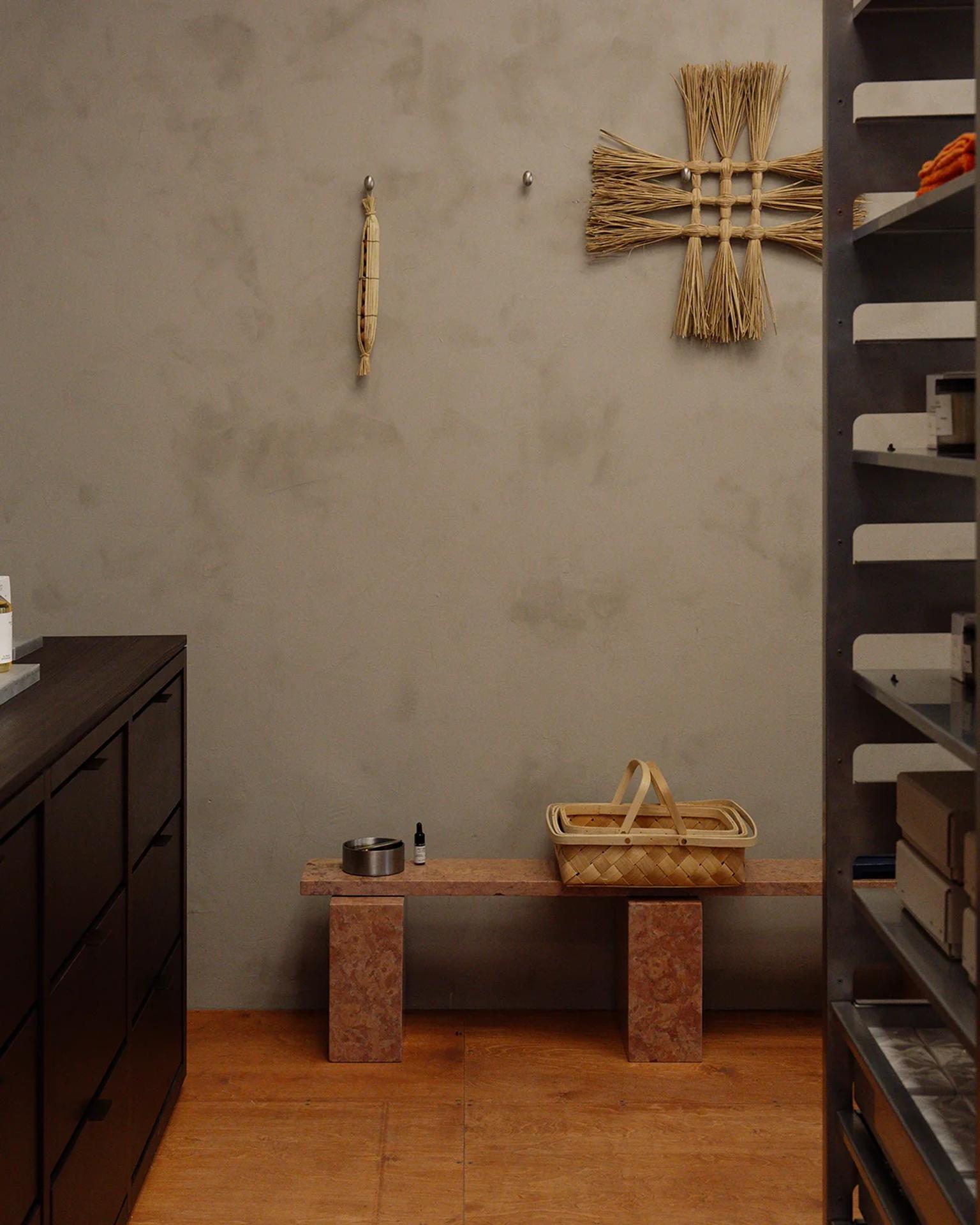

Design Philosophy
FRAMA’s work is rooted in a dialogue between classical craftsmanship and modern sensibilities, exploring the intersection of digital production methods and analogue traditions. Founded in 2011 by creative director Niels Strøyer Christophersen, the studio has developed a distinctive aesthetic based on natural materials, functional clarity, and long-lasting design values.
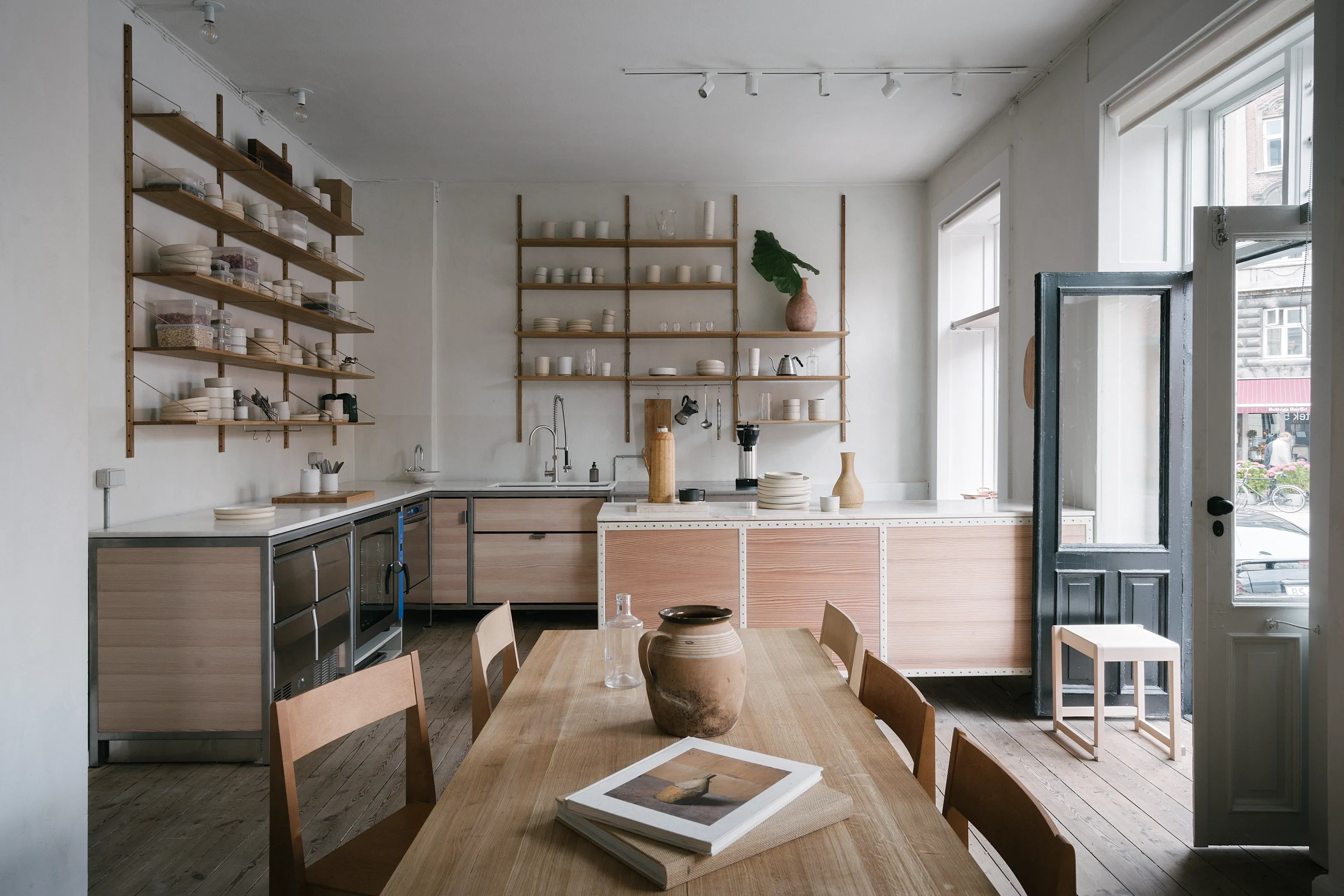

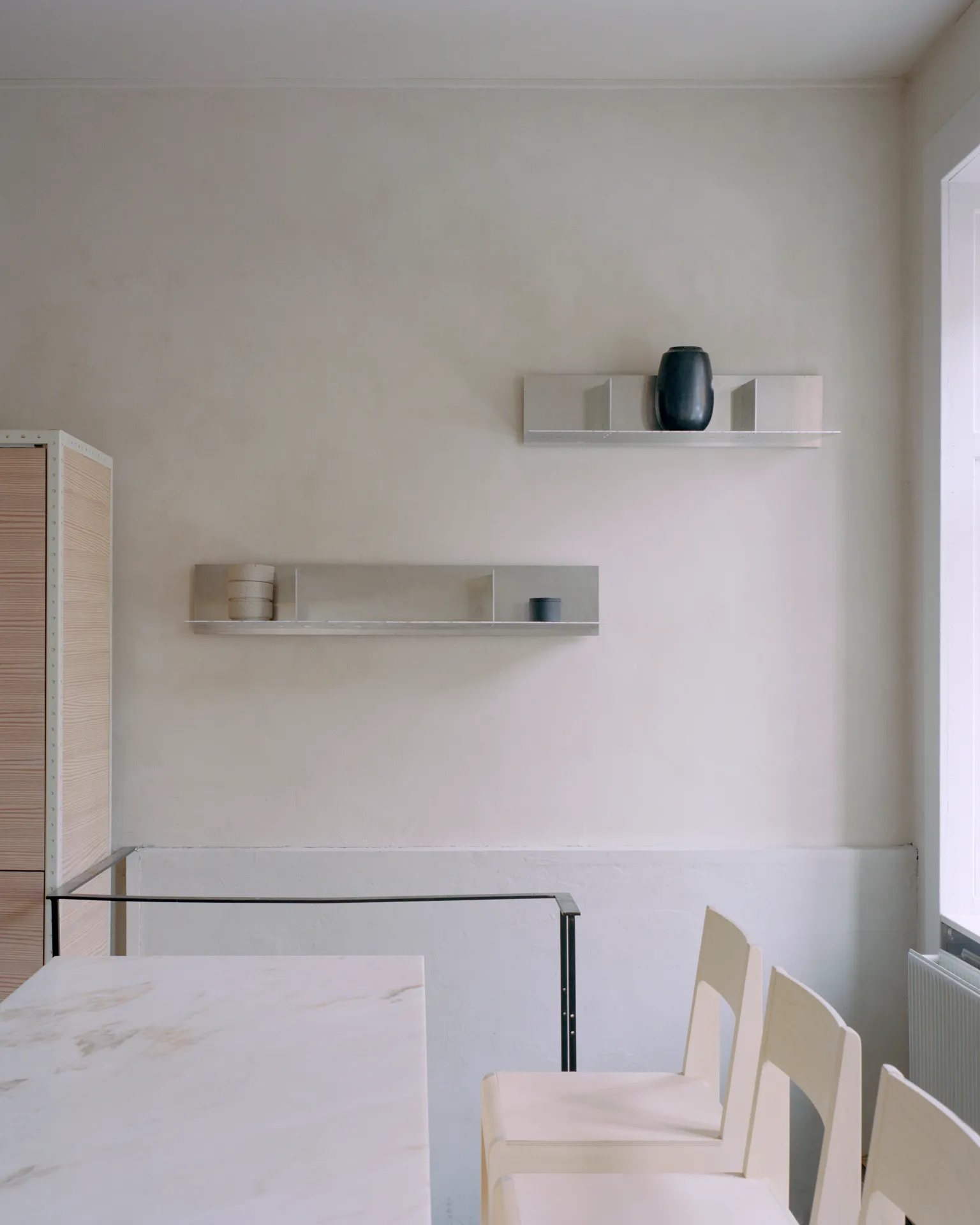
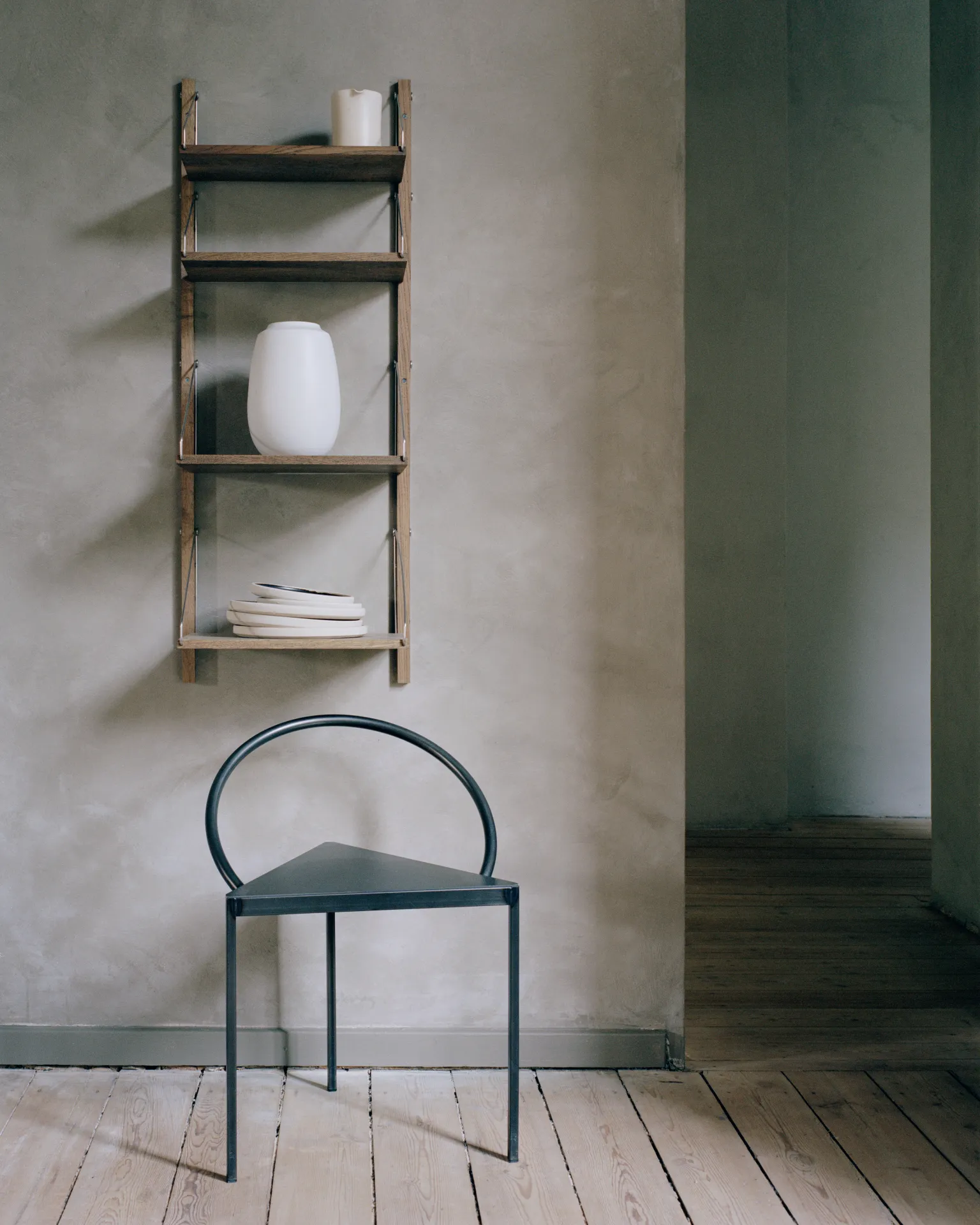
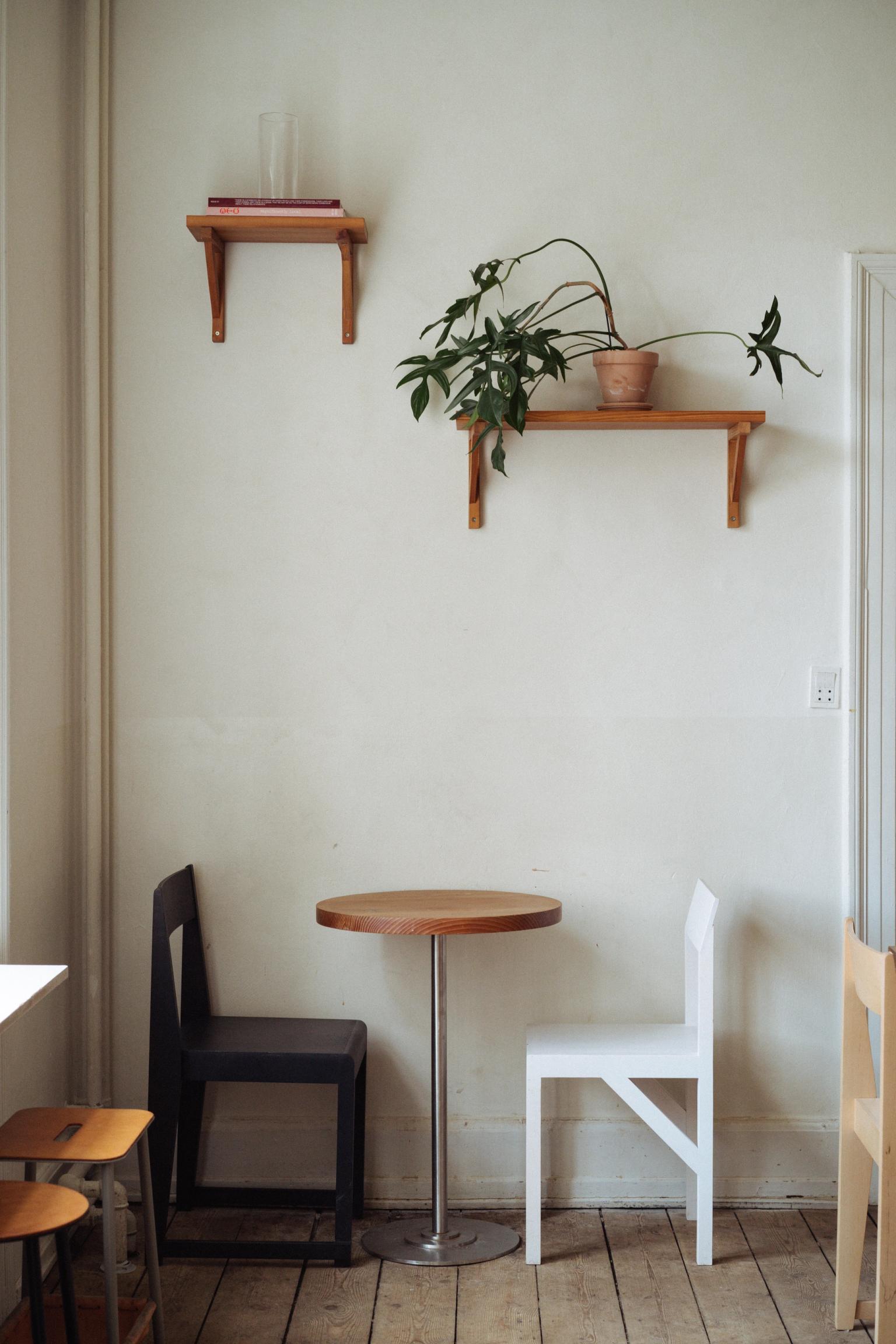
The Studio Store translates this philosophy into spatial form through warm, tactile surfaces, daylight-driven atmospheres, and carefully curated product displays that blur the boundary between showroom and lived environment. The design approach resists seasonal trends, instead focusing on archetypal forms that age gracefully over time, reinforcing the idea that beauty emerges through durability, use, and patina.







Apotek 57
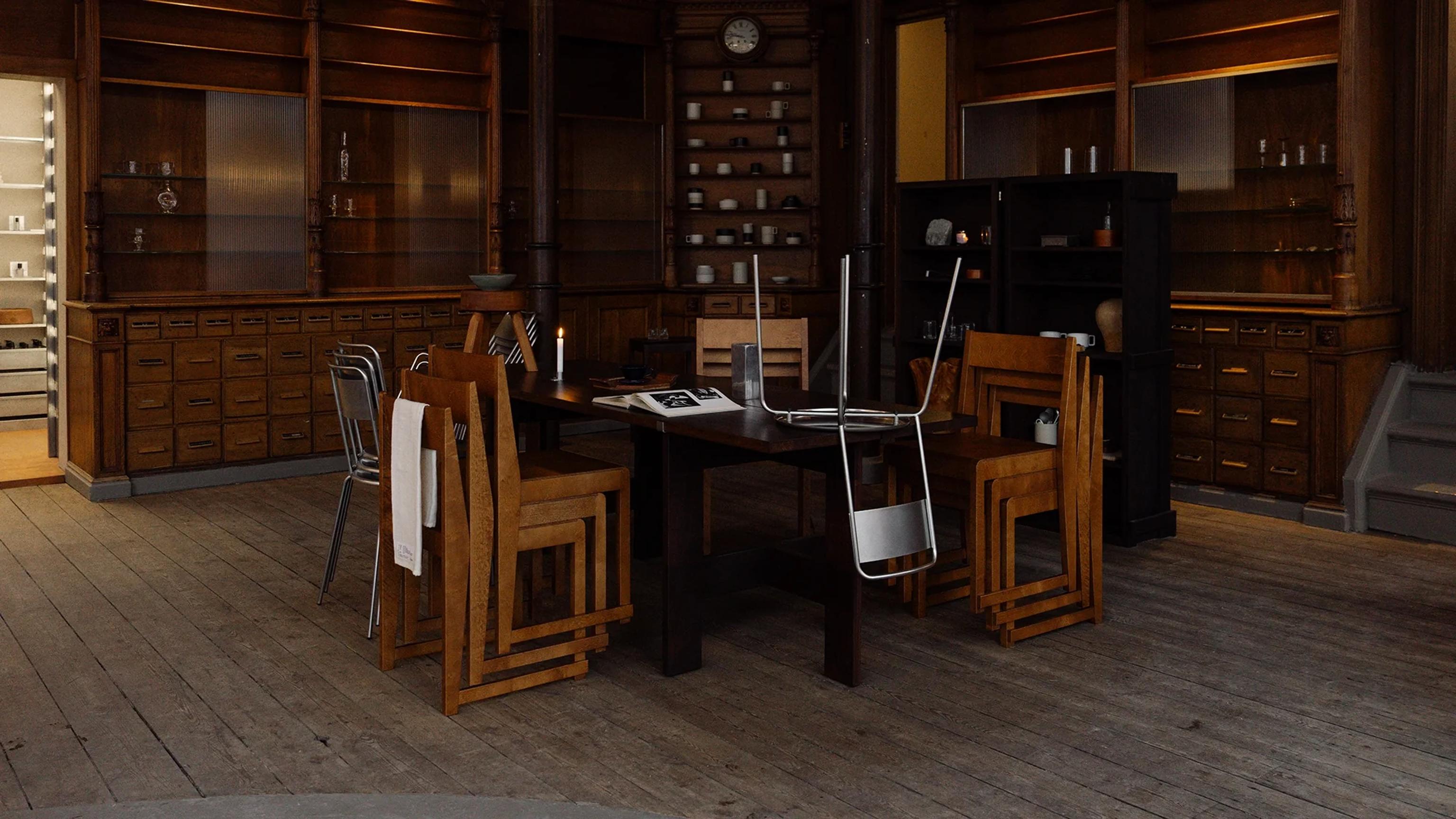
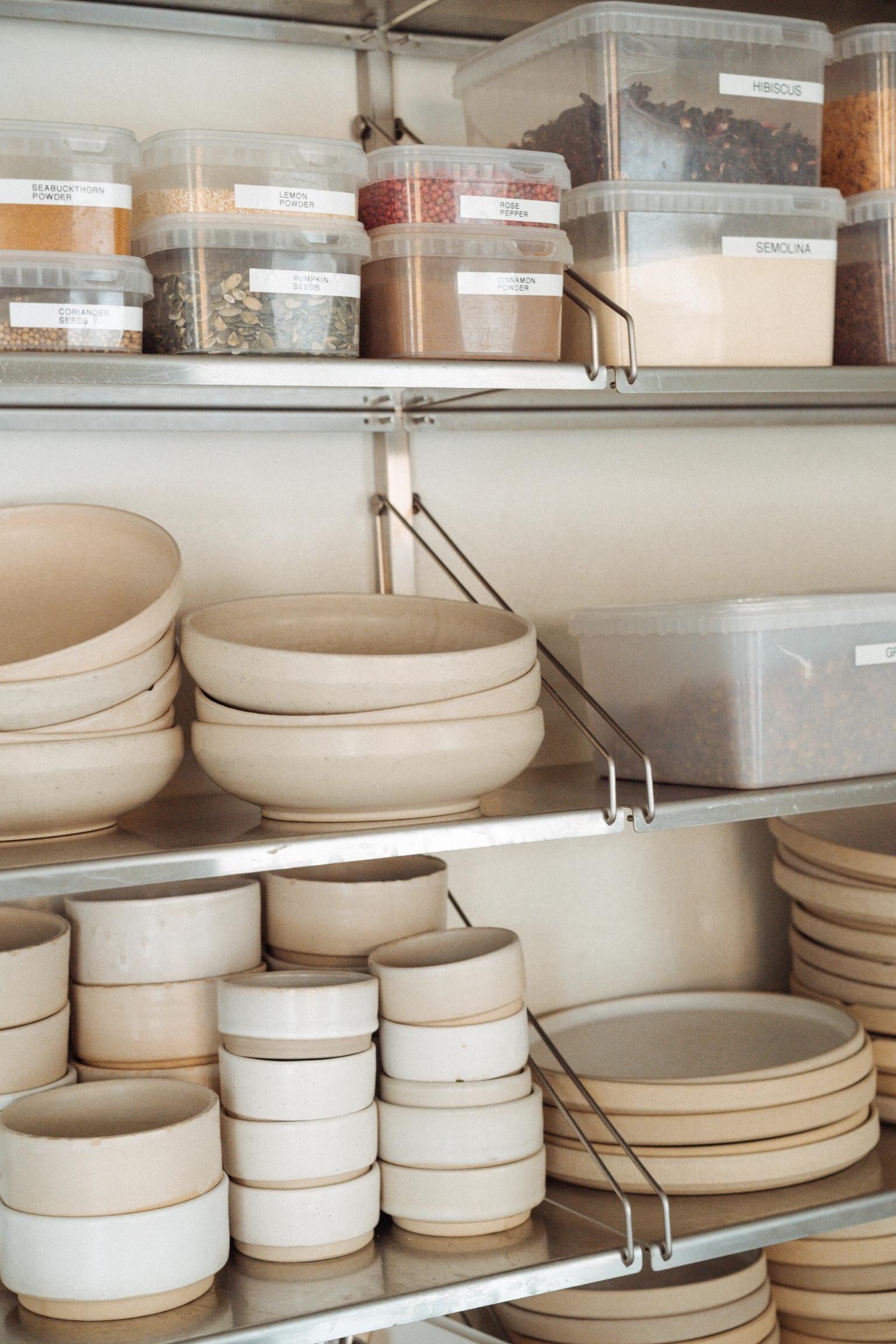
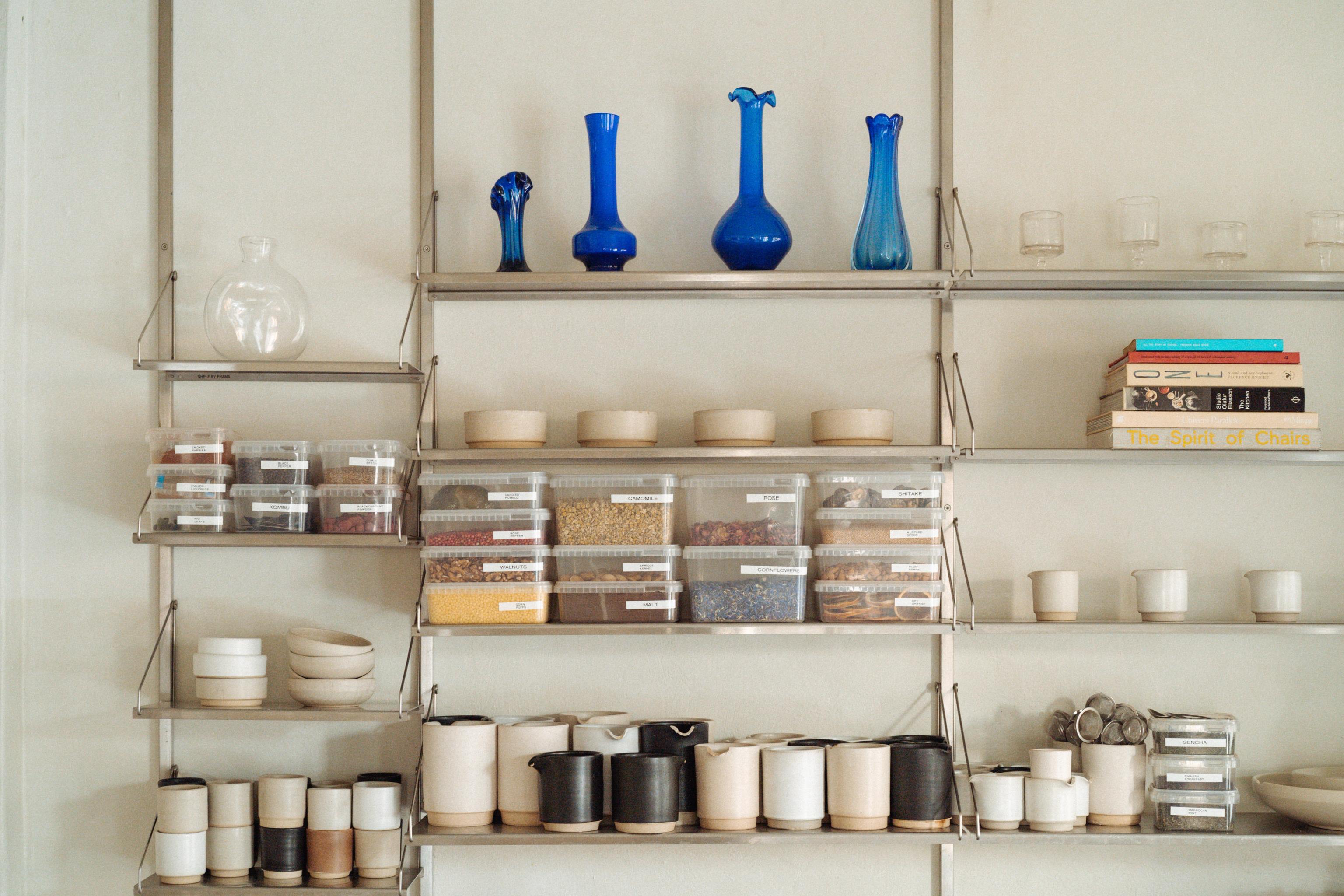
Inside the Studio Store, the eatery Apotek 57 introduces another layer of experiential architecture where gastronomy and design coexist. Curated by chef Chiara Barla, the café operates as a community gathering space and a “living showroom” where FRAMA’s tableware, furniture, and kitchen objects are used in everyday practice. The seasonal menu emphasises simplicity, organic ingredients, and hand-made production, drawing inspiration from Barla’s background in art history and Mediterranean culinary culture.
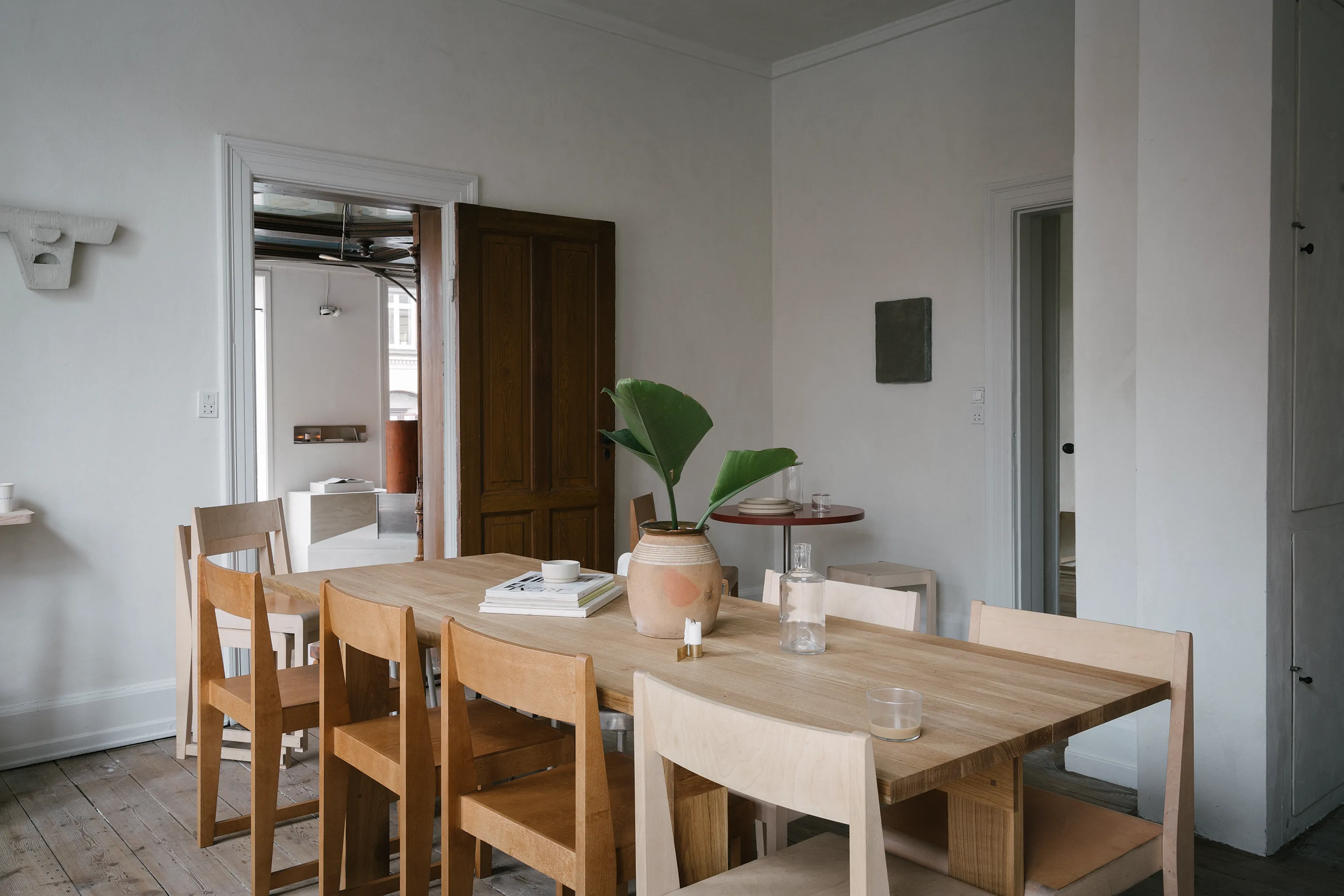

The project evolved during the pandemic period as a flexible, adaptive concept, shifting from eatery to bakery production when circumstances required, demonstrating the brand’s broader design principle of responding creatively to change rather than resisting it.

The Building as Narrative Layer
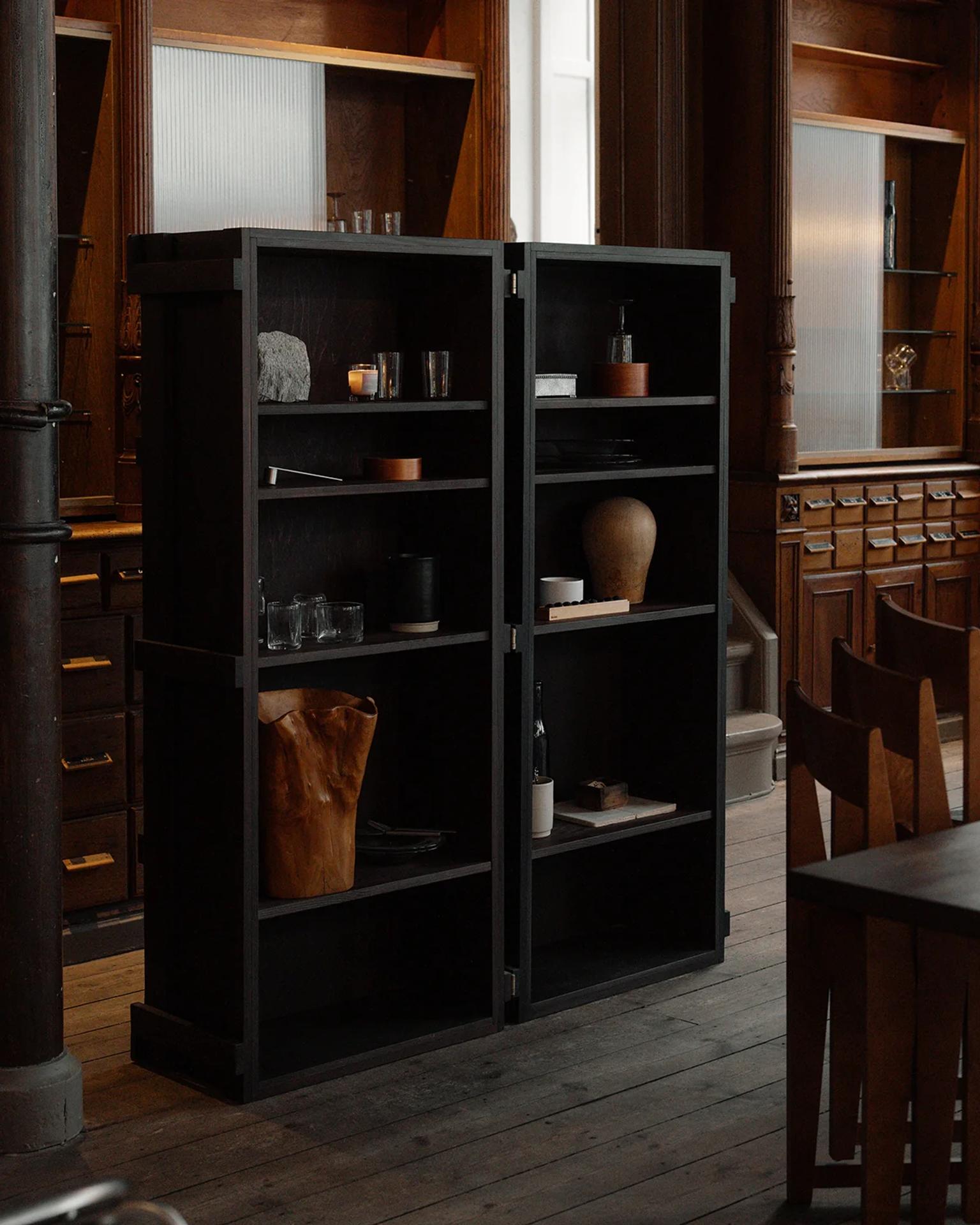
The Studio Store is housed in the former St. Paul’s Apotek, a nineteenth-century pharmacy building that preserves original wooden cabinetry, ornamental paneling, and historical interior layers. The renovation and spatial rethinking were guided in part by designer Louisa Grey’s sensory installation philosophy, which explored how design can engage all five senses through curated material environments.
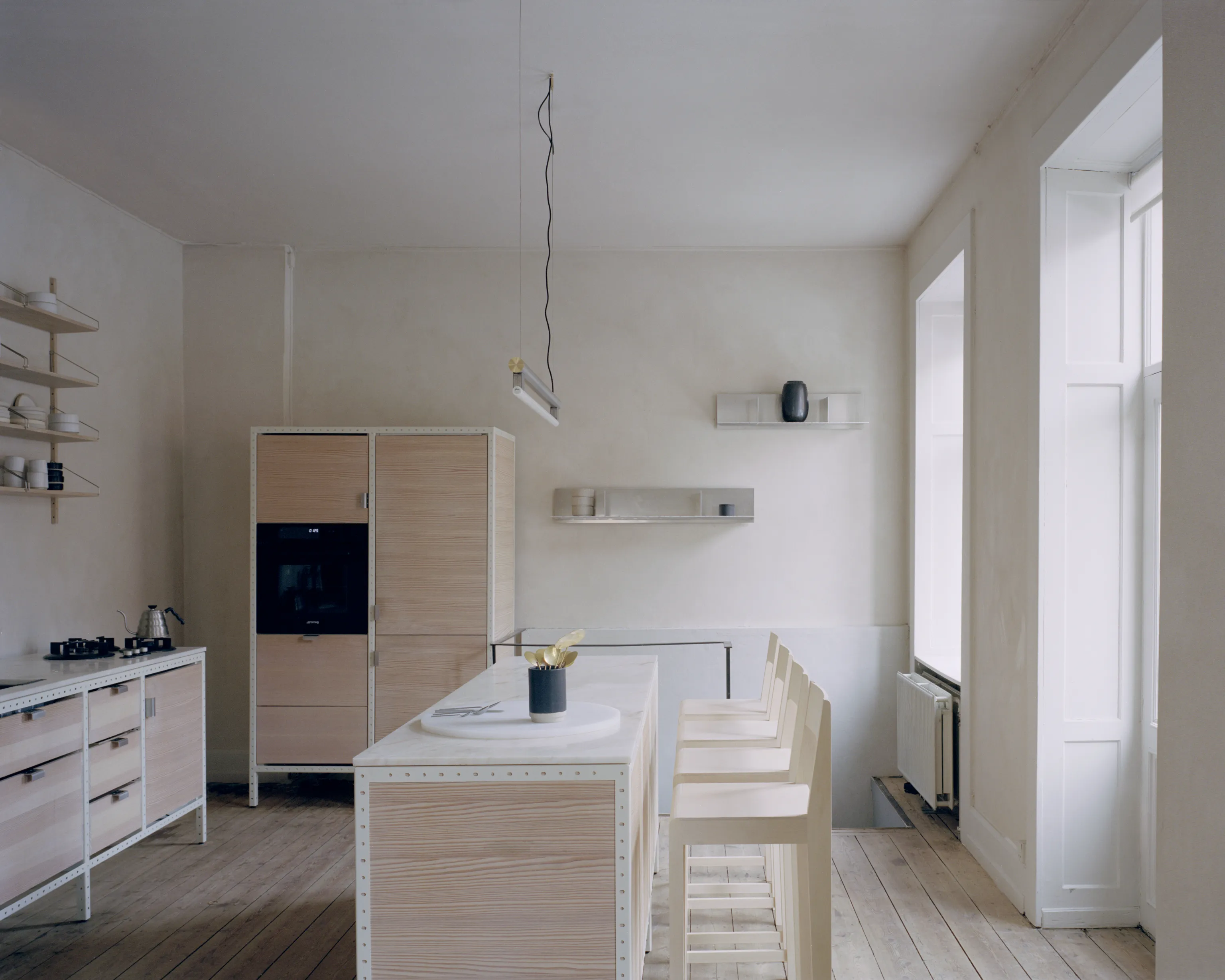
Further spatial expansion of the upper floors was developed in collaboration with architect Mathias Mentze from Studio 0405, transforming former residential pharmacy quarters into offices, gallery spaces, and guest rooms for international collaborators. The approach carefully balances heritage preservation with contemporary function, using muted chalk-white wall finishes from Scandinavian design traditions while allowing the building’s historical character to remain visible.


A Living Design Ecosystem
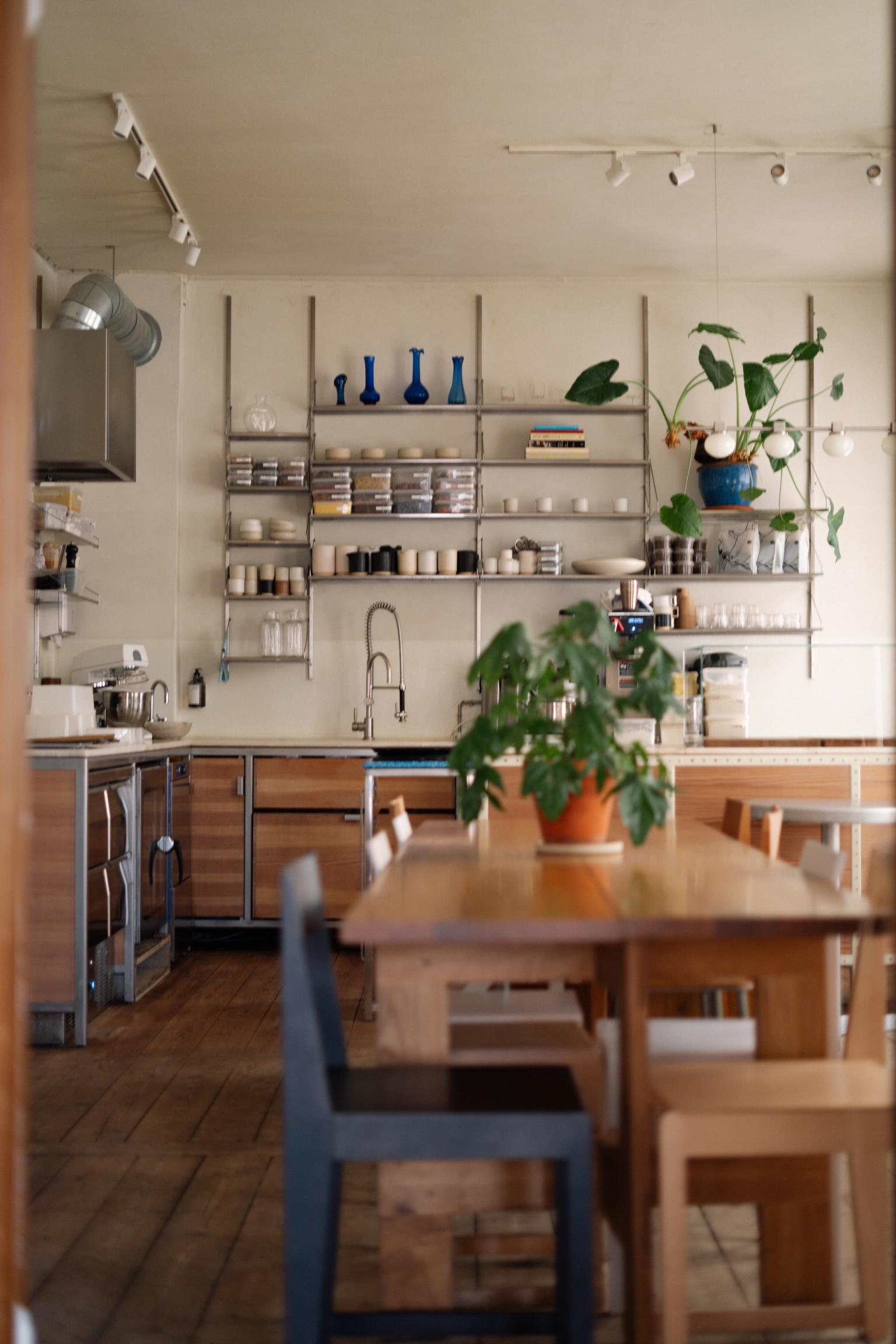
FRAMA Studio Store ultimately operates as a cultural ecosystem rather than a conventional retail environment. Through installations, collaborative exhibitions, hospitality elements, and product presentation, the space reflects the studio’s broader ambition of exploring how people live, work, and experience everyday life. Influenced by ideas of slow living, sensory awareness, and community-oriented design, the project encourages visitors to pause, observe, and engage with material culture on a more intimate level.
By merging store, studio, café, and social space into one coherent environment, the Studio Store embodies FRAMA’s vision of design as a continuous, evolving conversation between objects, architecture, and human experience.