
Willy Chavarria's A/W 2026 Show
Eterno
- Creative Director and DesignerWilly Chavarria
- StylistCarlos Nazario
- PhotographerGaspar Lindberg
- ProductionBureau Betak
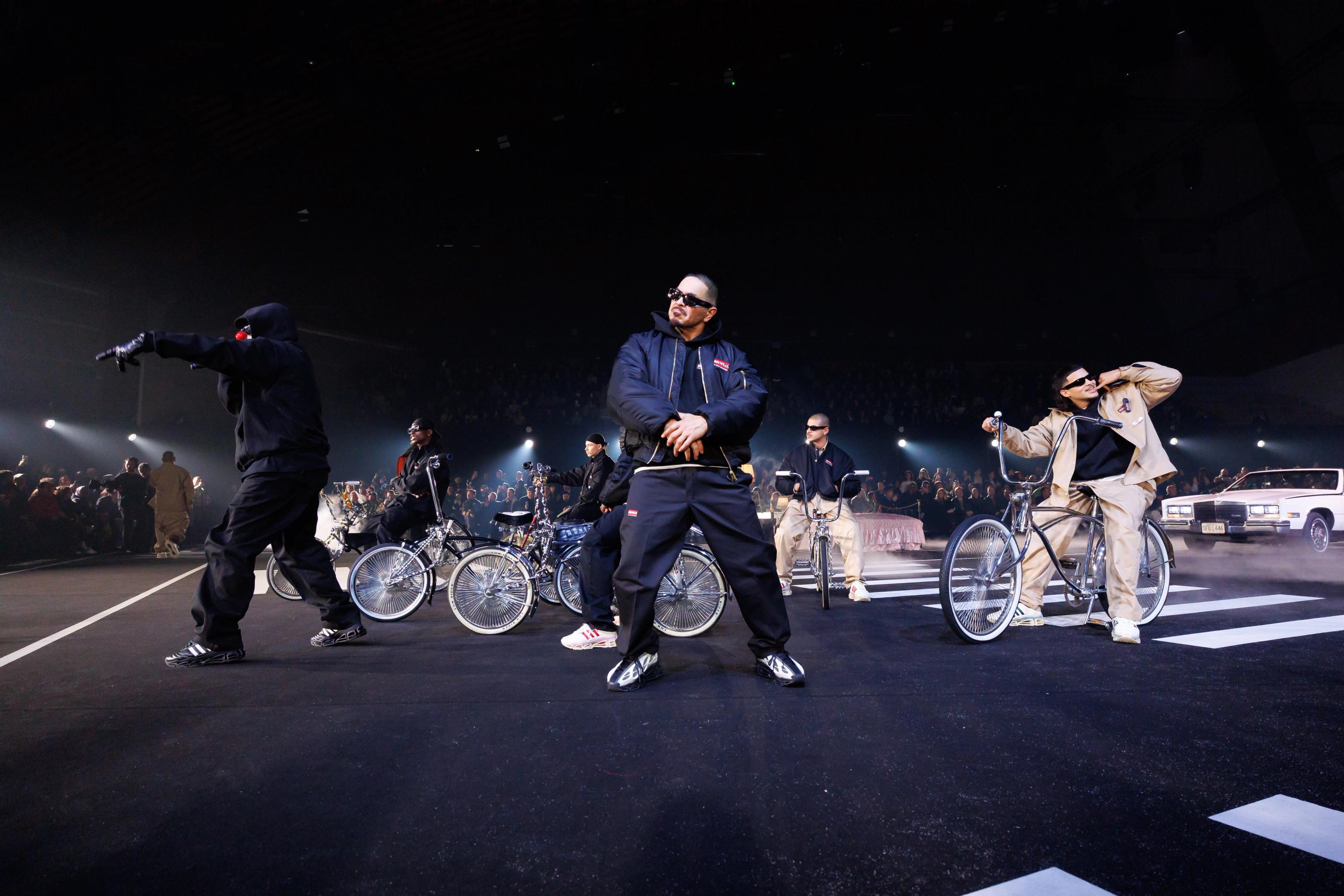
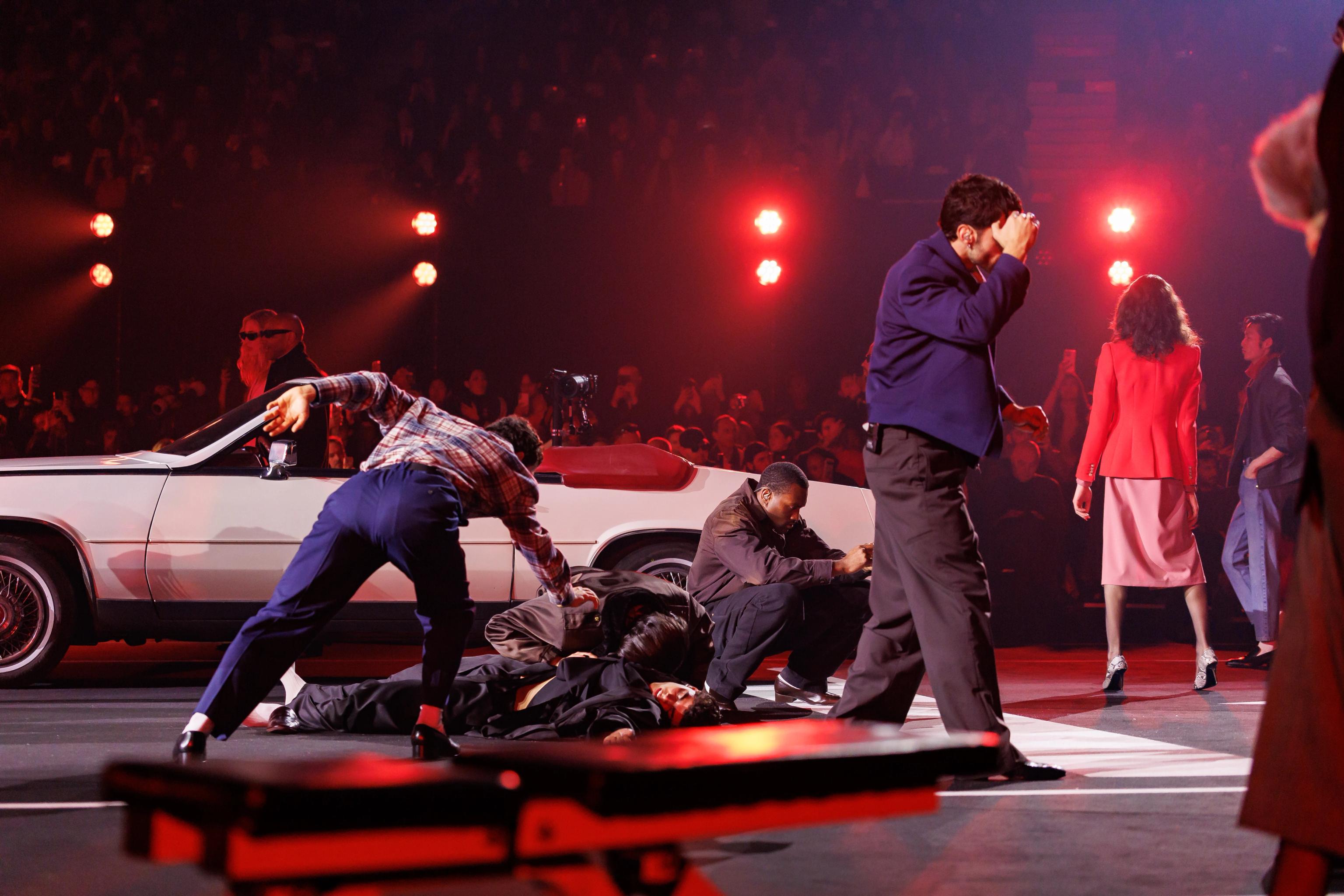
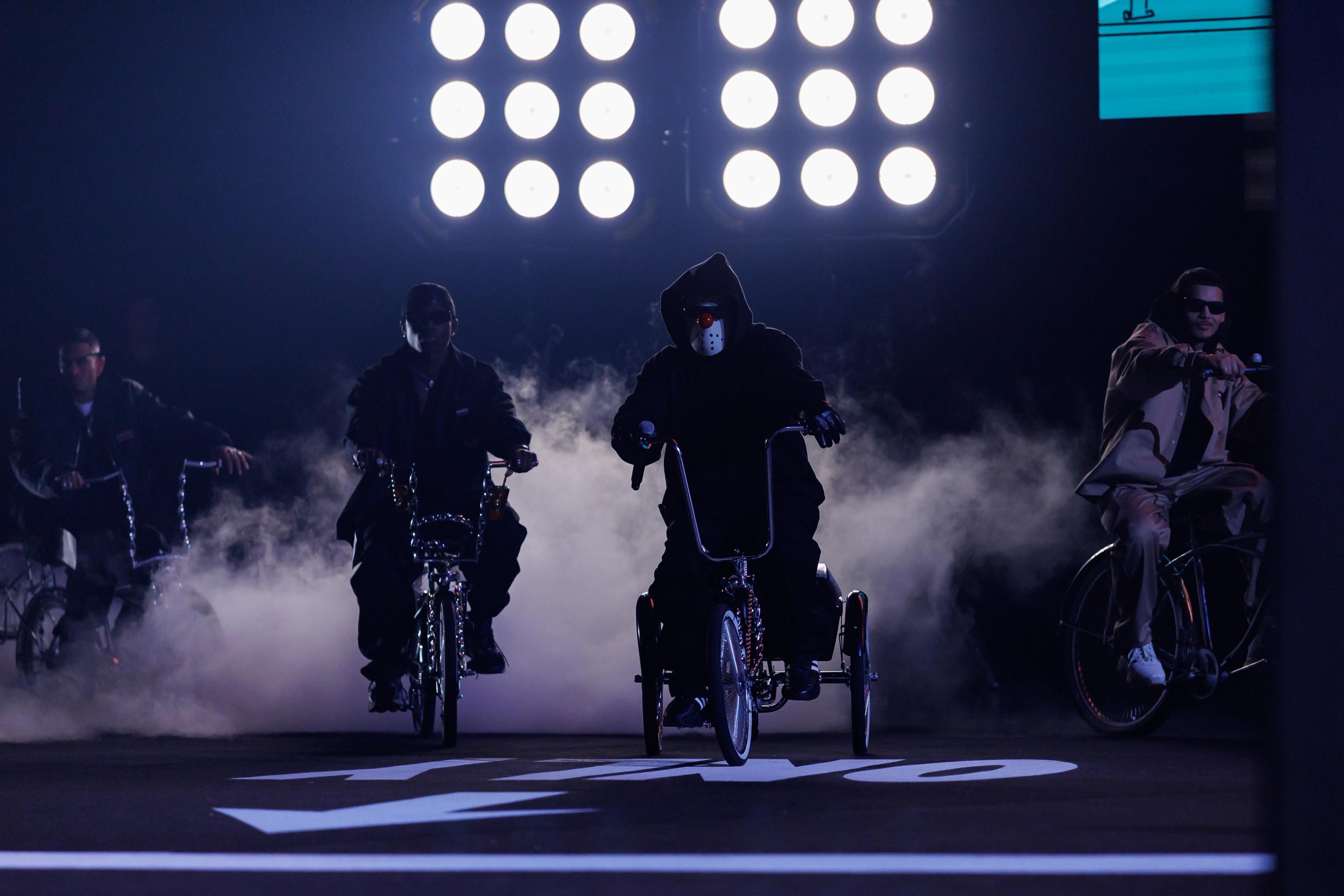
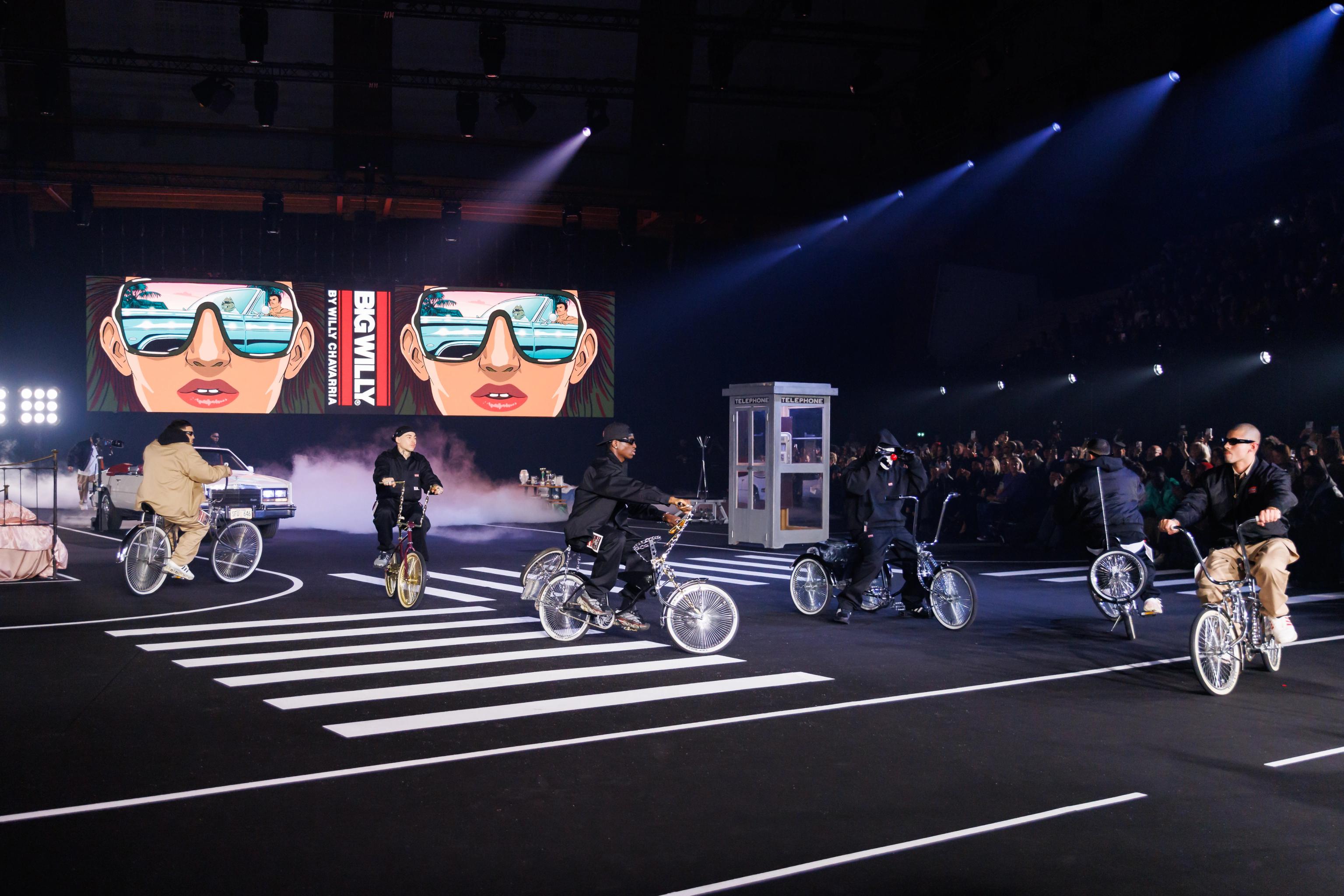
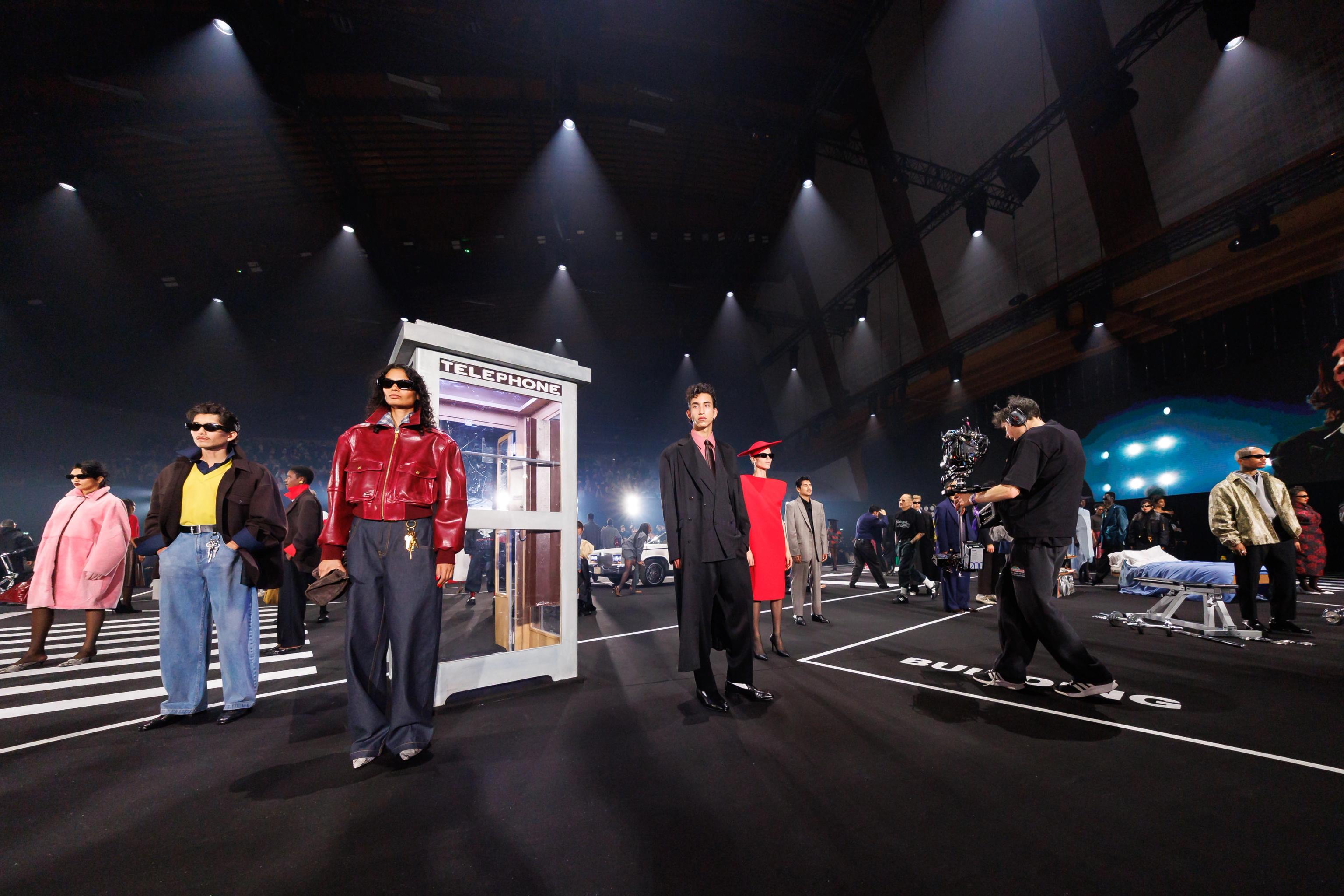
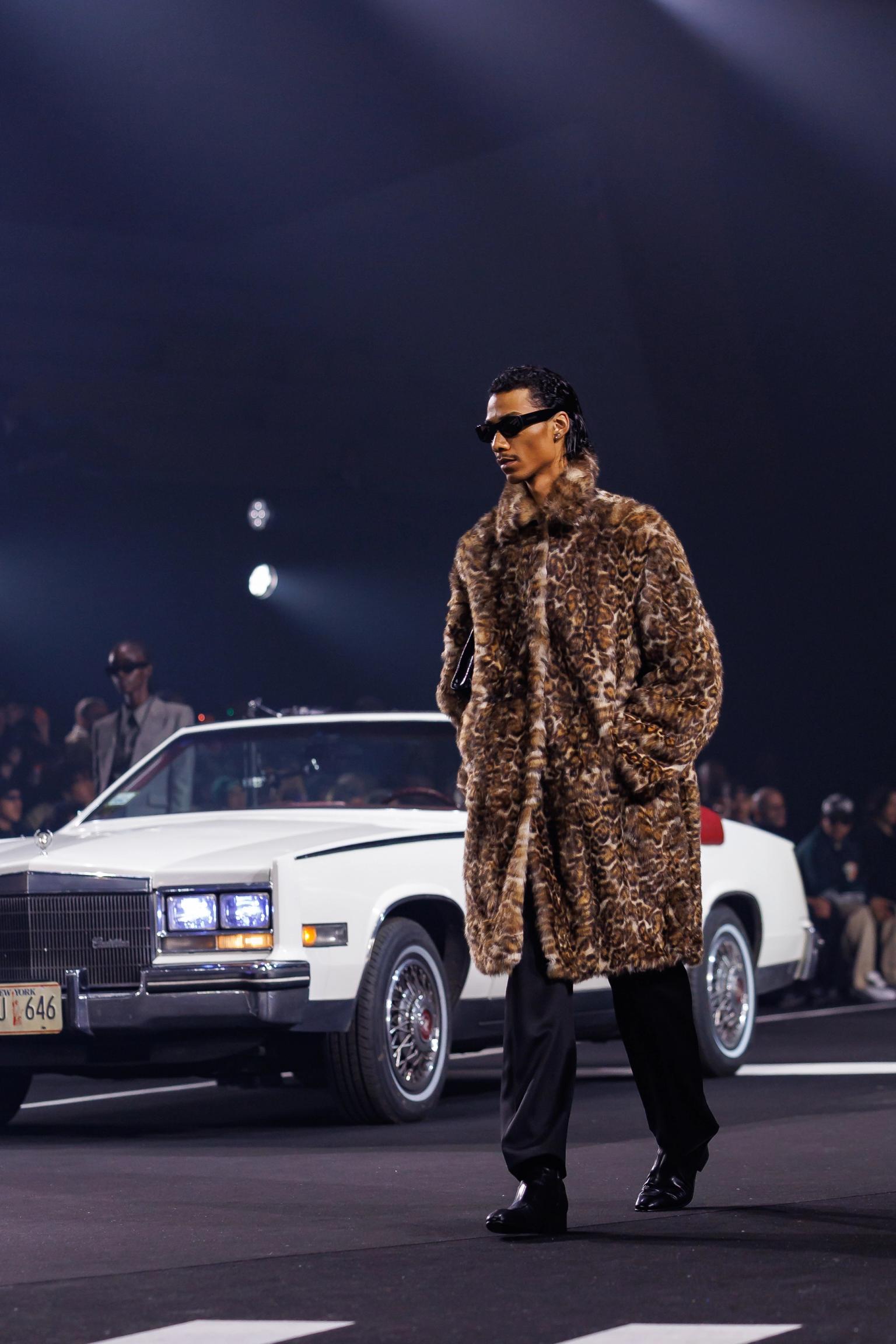
Kristoffer Alexander Holtermann Chavarria turned a combat sports venue in Paris into a New York intersection. Lowriders rolled in. Live musicians performed between acts. Models crossed the runway like people crossing a street. The collection arrived last, after the world had already been built around it. That’s the sequence I believe in: world first, clothes second. Eterno was the most convincing argument I’ve seen recently that a fashion show can be a genuine cultural event rather than a presentation.

A World Built From Emotion
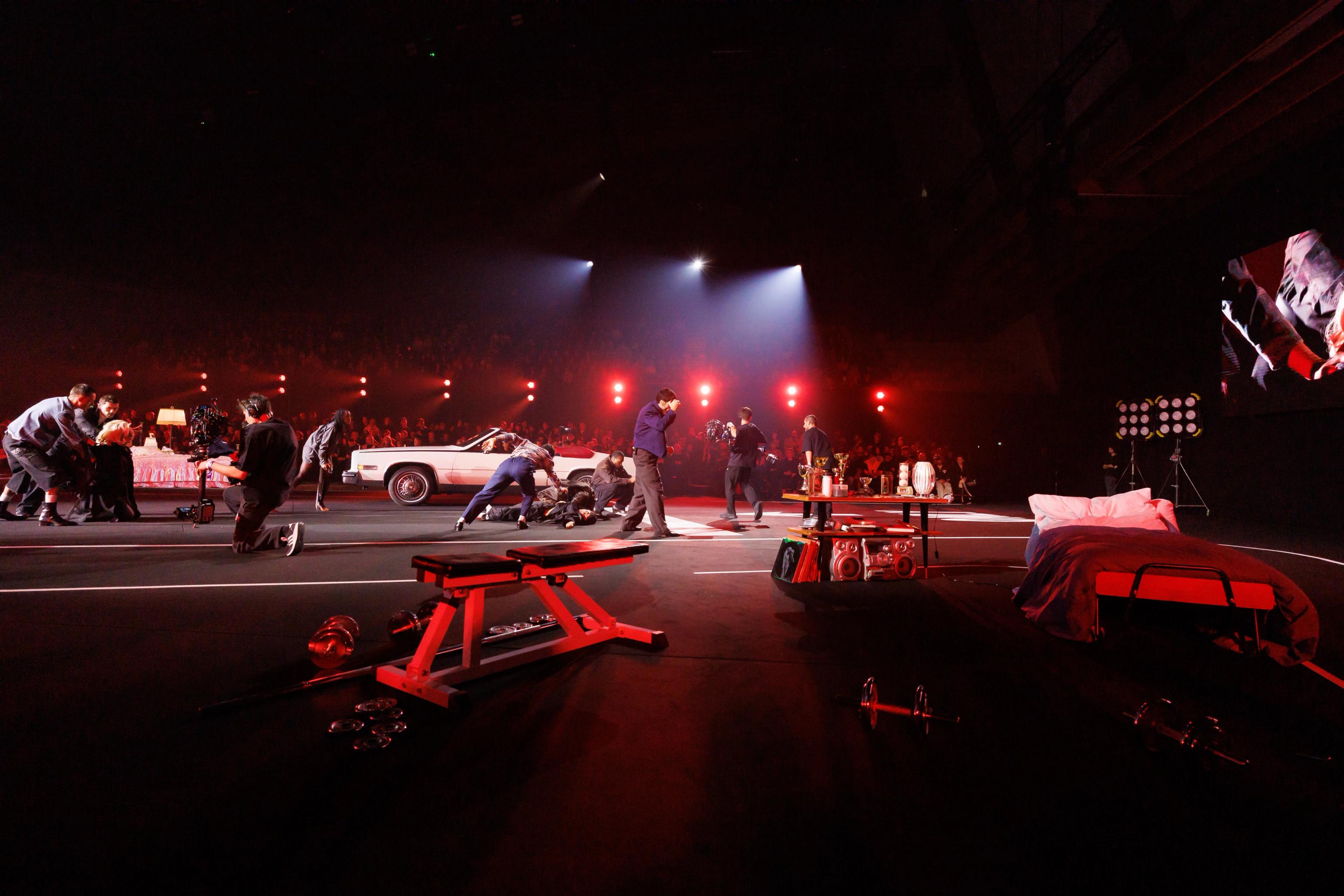
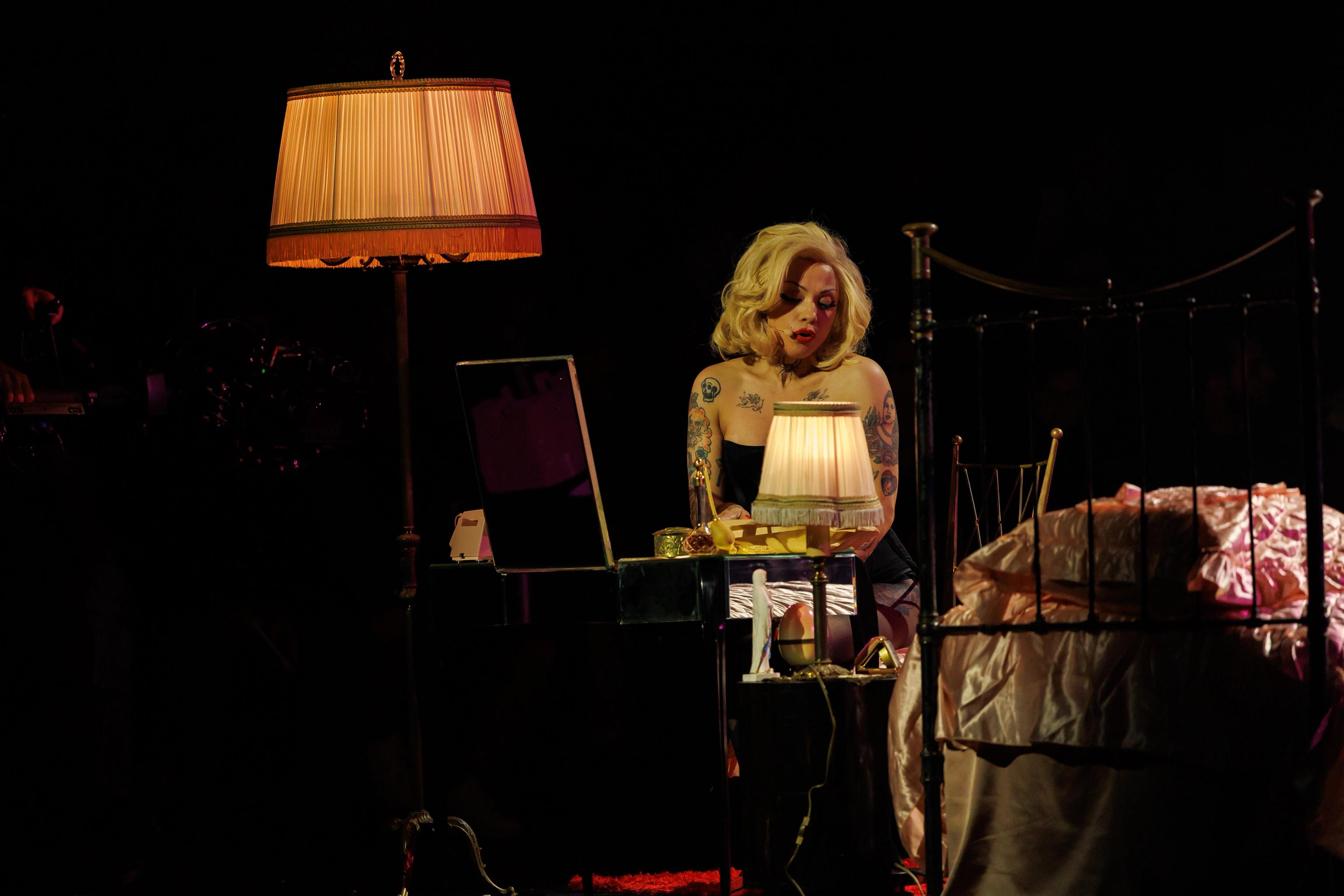
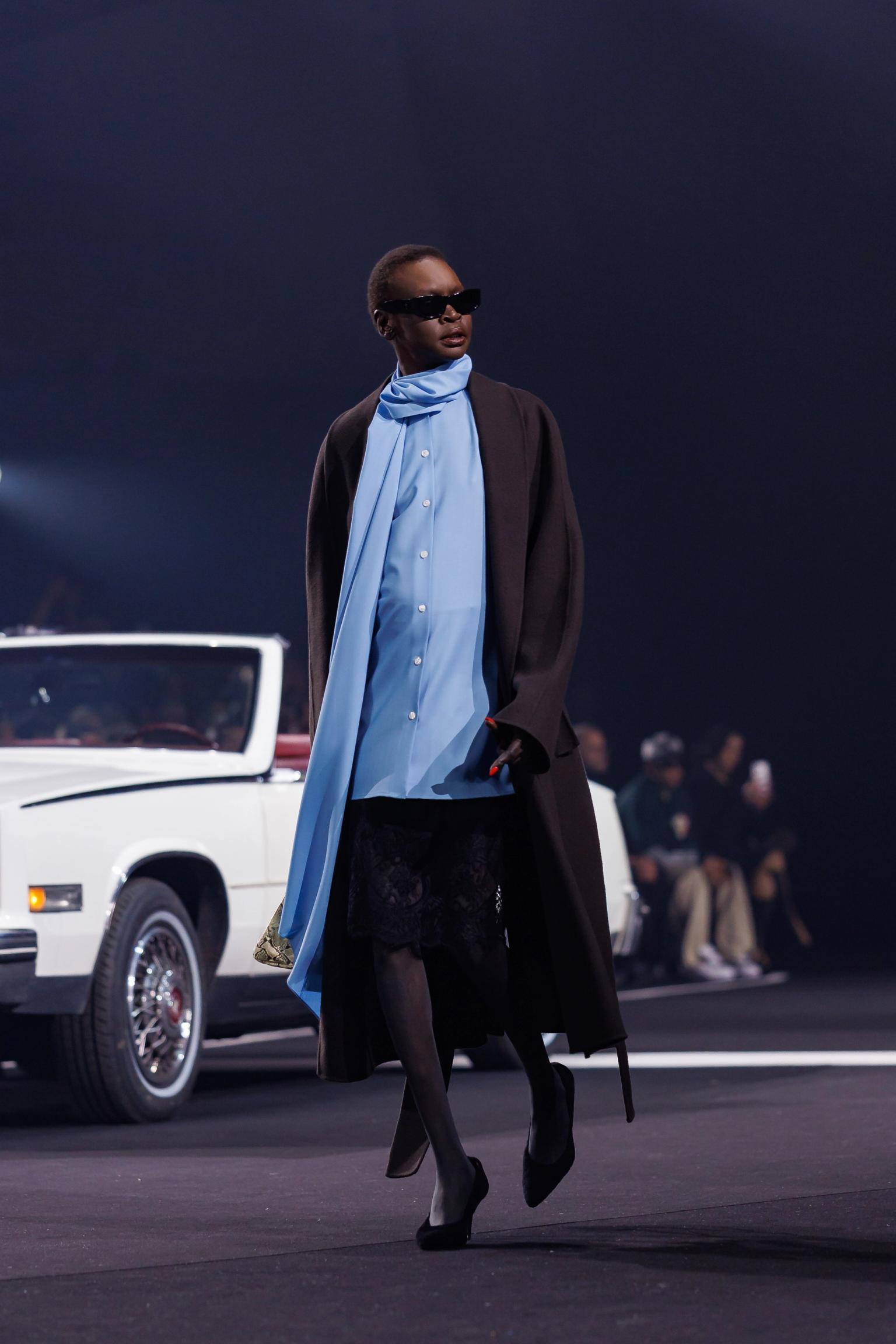
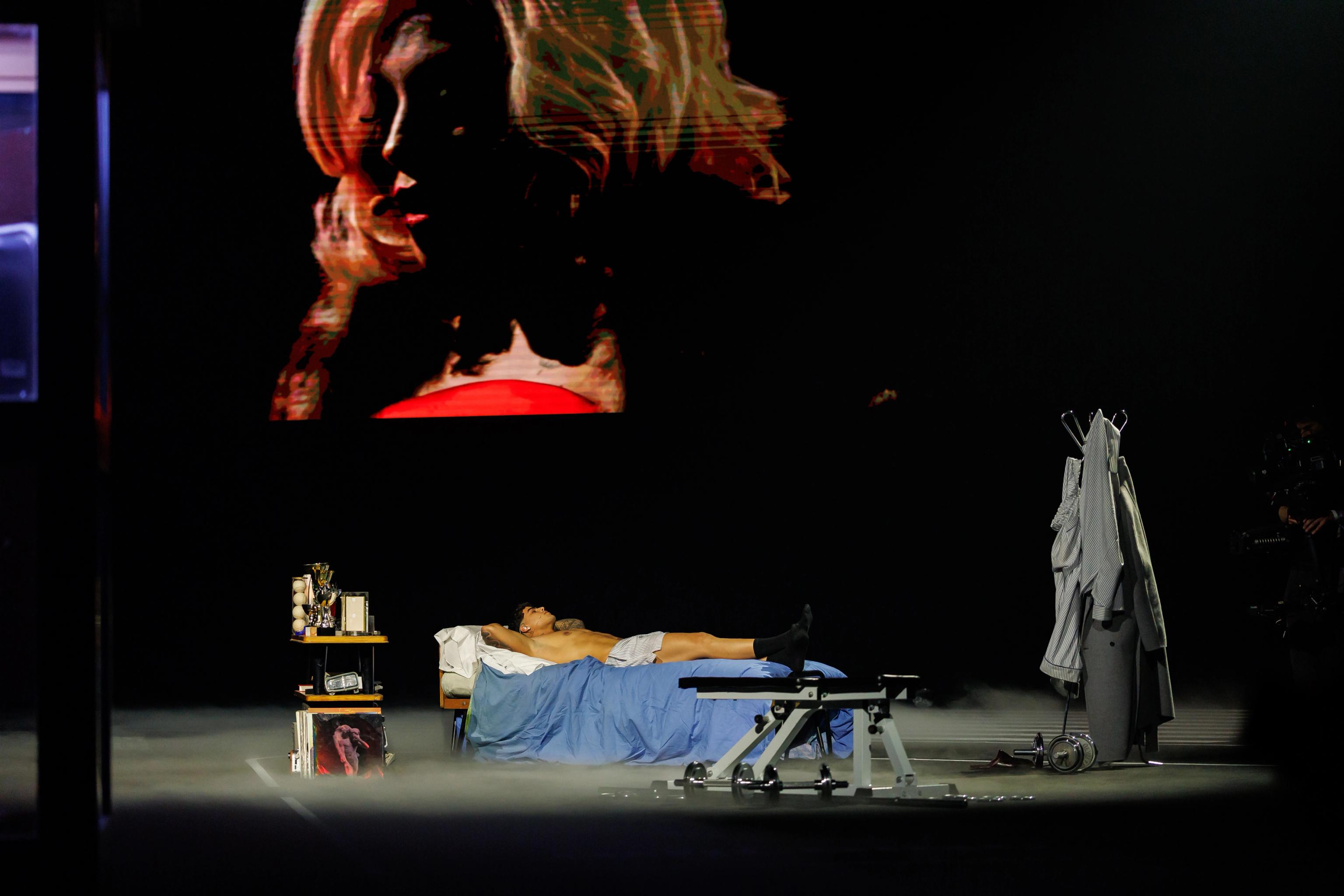
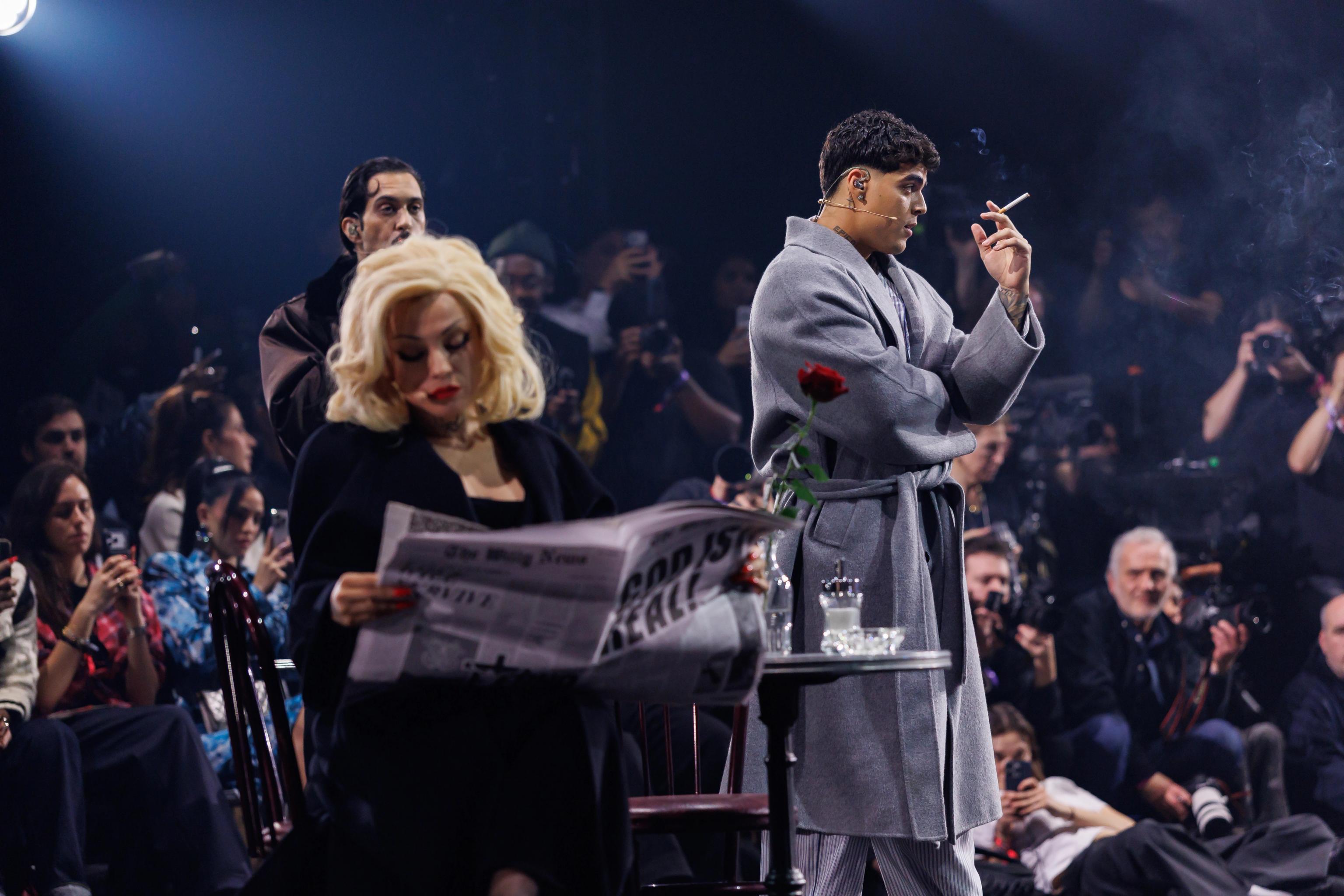
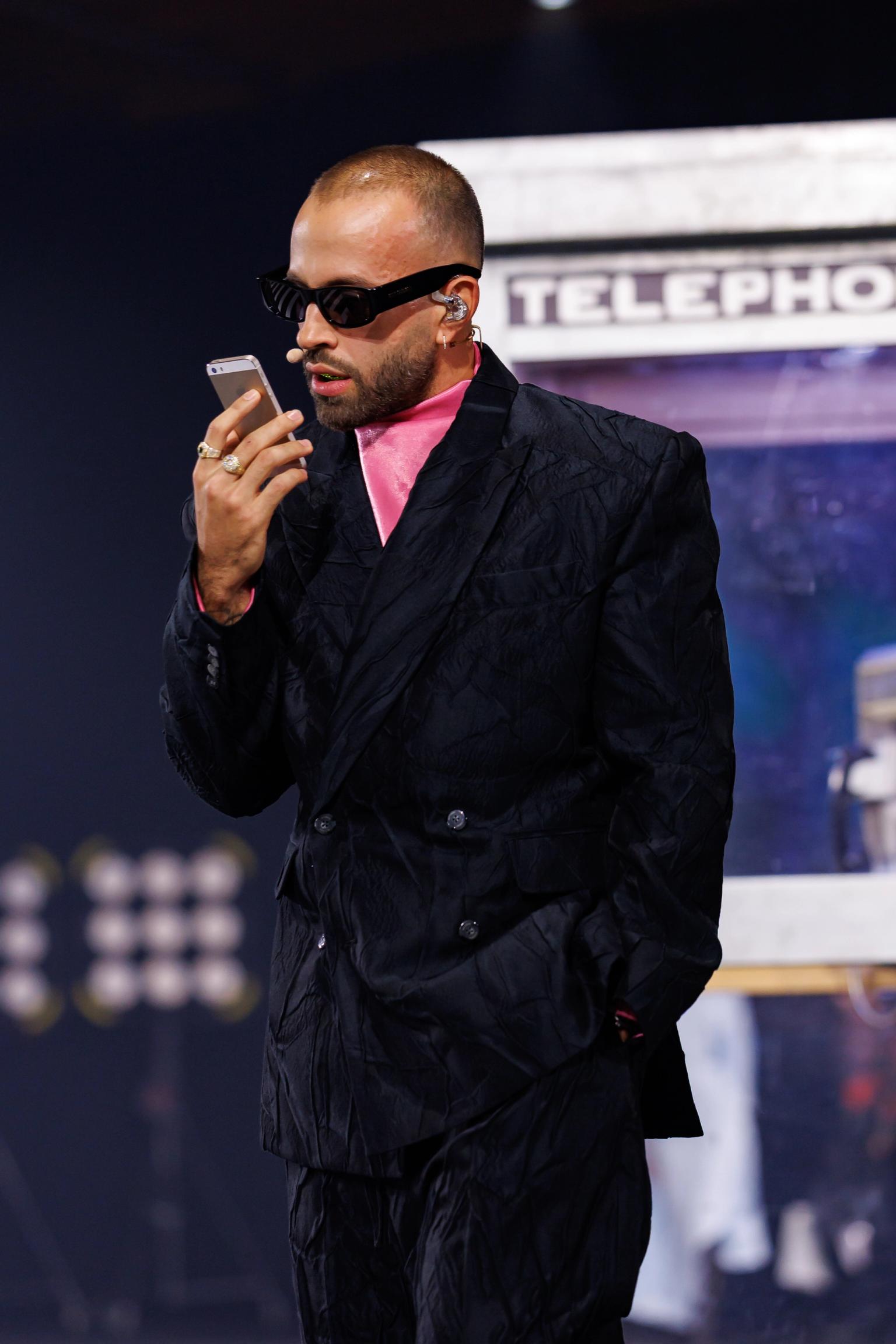
For Autumn/Winter 2026, Willy Chavarria’s Runway Show Eterno became far more than a runway presentation. Staged inside a huge Paris arena transformed into a cinematic cityscape, the show unfolded like a live film set: part theatre, part musical, part fashion spectacle. Streets, bedrooms, cafés, bus stops, lowrider cars and glowing phone booths created the backdrop for a story about love, heartbreak, masculinity, faith, desire and survival. More than 2,000 guests watched as performers and models moved through the space in real time while cameras projected the action onto massive screens above.
Chavarria described it as a “one-take movie,” and that ambition could be felt in every detail. The clothes were never separated from the emotions around them. Instead, they existed inside a living narrative where tailoring, music, movement and human connection became inseparable. The result was immersive rather than performative, a fashion show designed to make people feel something before they even fully processed the clothes themselves.


Willy Chavarria
Willy Chavarria has built his entire career around the idea that fashion should carry emotional and cultural weight. Raised in Huron, California, and deeply shaped by his Mexican-American identity, queer experience and years spent around nightlife and club culture, Chavarria approaches clothing as both personal expression and social commentary. His work consistently centers communities that fashion has historically ignored or stereotyped, but what makes his perspective powerful is that he never reduces those identities into costume or cliché.
Instead of presenting a simplified “Latino aesthetic,” he builds a richer and more layered visual language, one where Chicano style, streetwear, elegance, Catholic symbolism, sports culture, queer intimacy and classic tailoring can all exist together naturally. That tension between refinement and rawness has become his signature. In recent years, Chavarria has emerged as one of the defining voices in contemporary menswear because his work feels connected to real people and real emotion rather than trend cycles. His casting reflects that philosophy too: his runways are filled with different ages, body types, ethnicities and personalities, making the clothes feel lived-in and believable rather than distant or fantasy-driven.

Three Acts, One Story
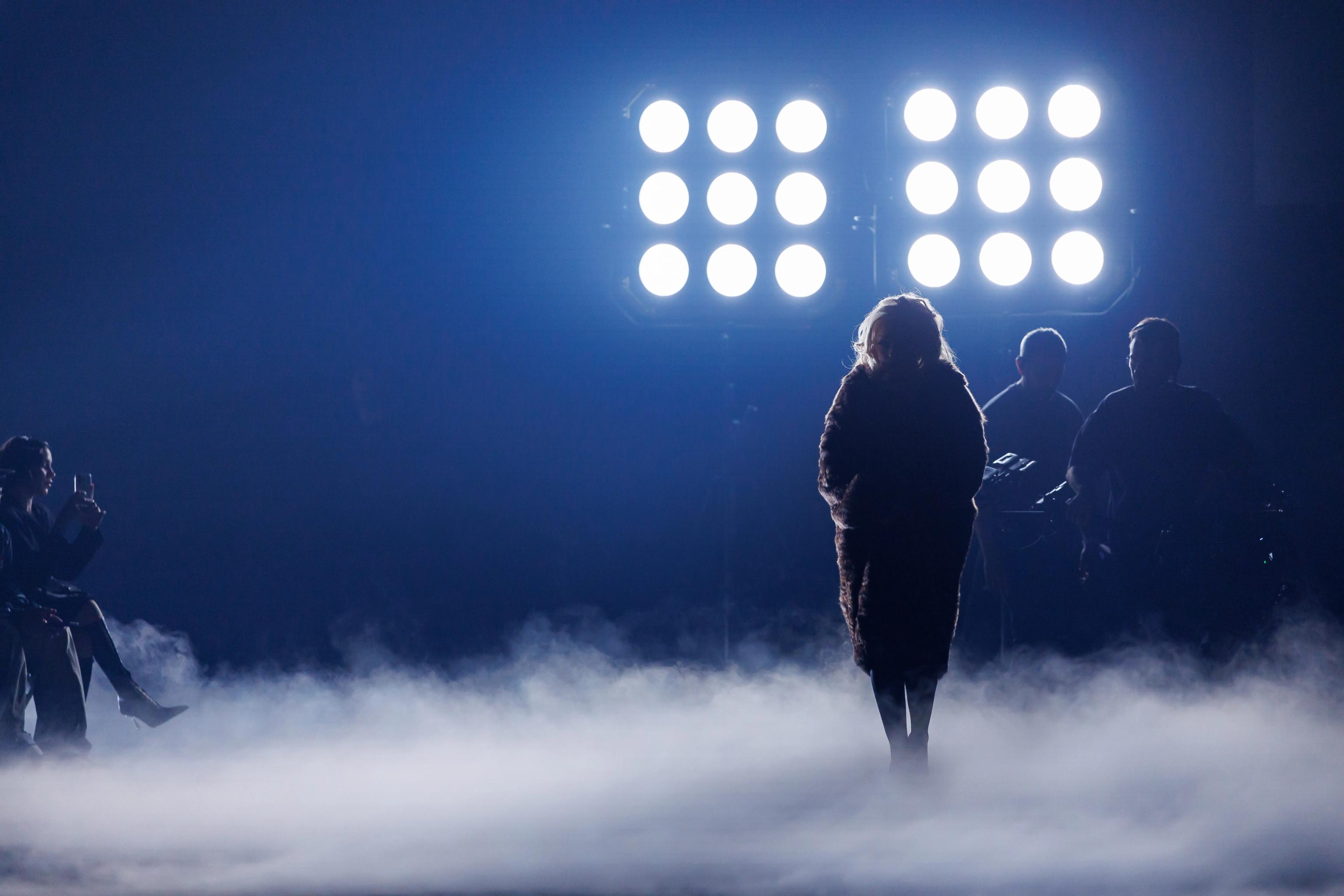
The structure of Willy Chavarria's Autumn/Winter 2026 Show, Eterno, was divided into three cinematic acts - Faith, Hope and Wisdom - each shifting the emotional tone of the collection. The opening began quietly with Chilean-Mexican singer Mon Laferte performing Femme Fatale beneath a single spotlight while moving through an empty city before dawn. As the story unfolded, performers including Lunay, Mahmood, Feid, Latin Mafia and Santos Bravos moved through scenes of romance, tension, nightlife and confrontation. The narrative eventually climaxed in a dramatic staged shooting that transformed the entire show from spectacle into tragedy.
Yet despite the scale of the production, the storytelling never overwhelmed the fashion. Chavarria used movement to demonstrate how the clothes actually exist in life: oversized coats swayed while characters crossed the stage, sharply tailored trousers folded naturally while people danced, and long skirts dragged dramatically behind bodies in motion. Everything felt intentionally cinematic. Rather than presenting garments as static luxury objects, Chavarria treated them as part of everyday human drama, clothing connected to memory, vulnerability and identity.


Tailoring, Drama and Chicano Codes
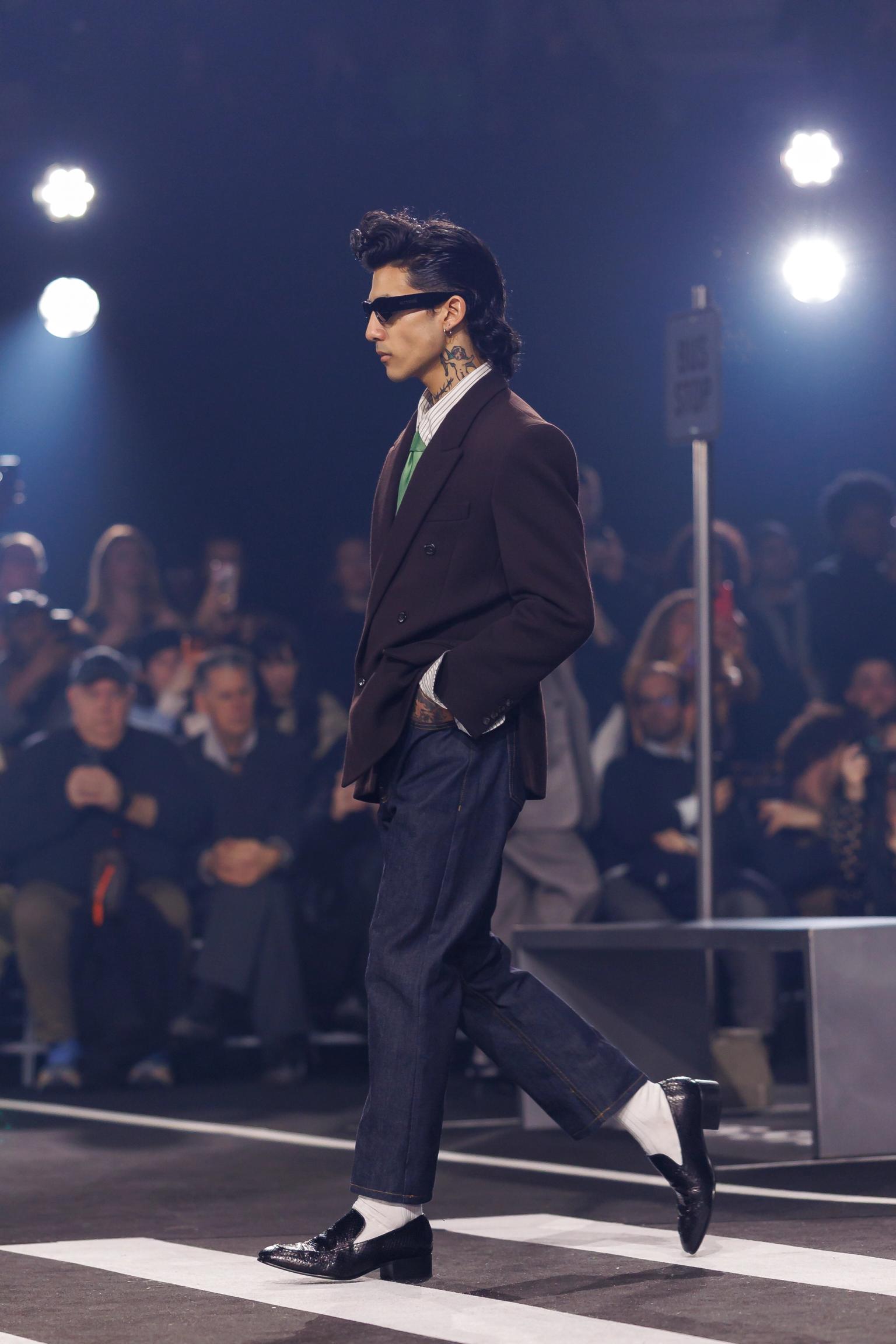
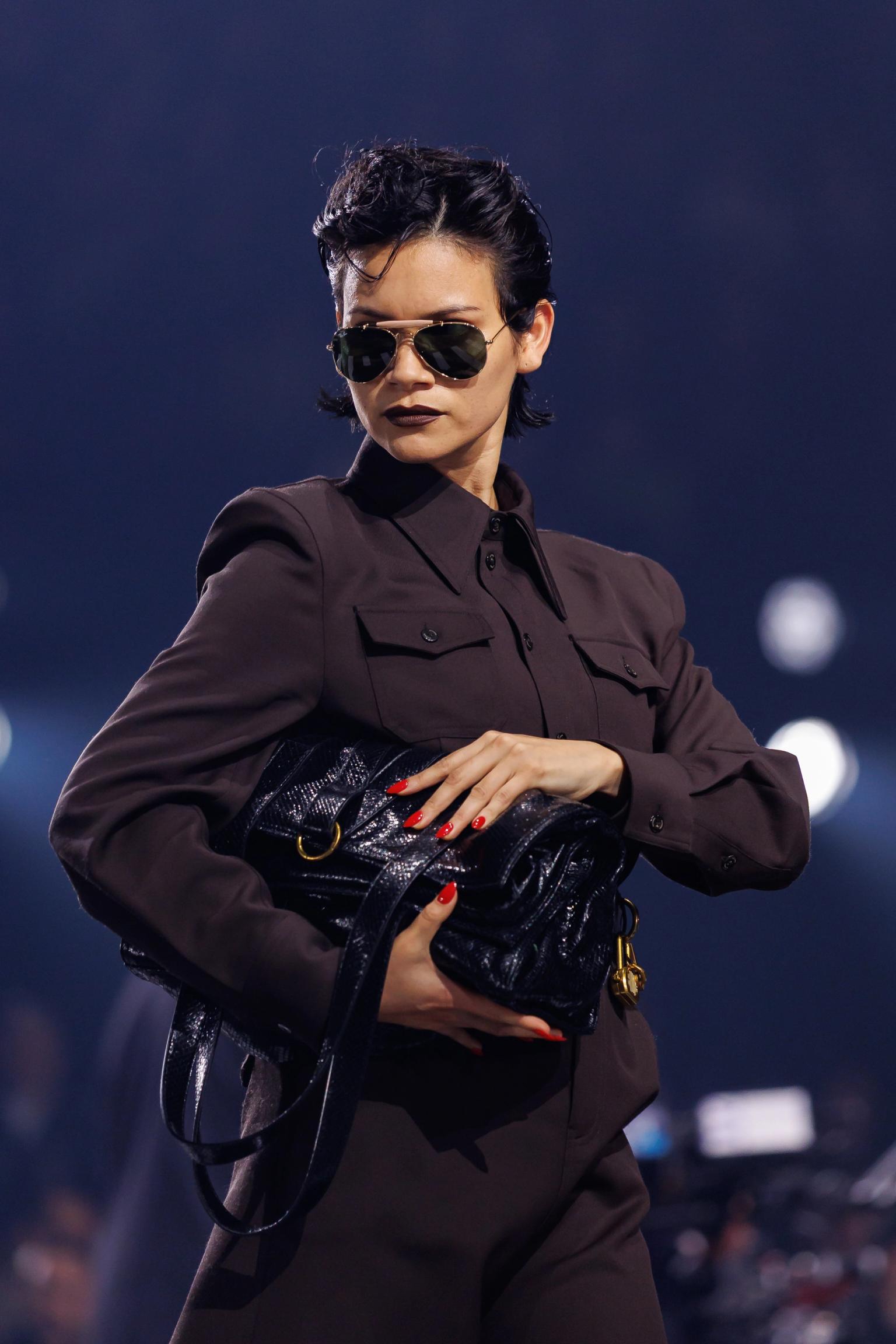
The collection itself moved fluidly between precision tailoring, sportswear, streetwear and evening glamour. Chavarria opened with sharply constructed suits for both men and women, immediately establishing his ability to reinterpret classic elegance through his own visual language. Women wore elongated pencil skirts, sculpted waists and strong shoulders that felt sensual without becoming restrictive, while menswear balanced authority with softness through fluid shirts, pussy-bow blouses and relaxed tailoring.

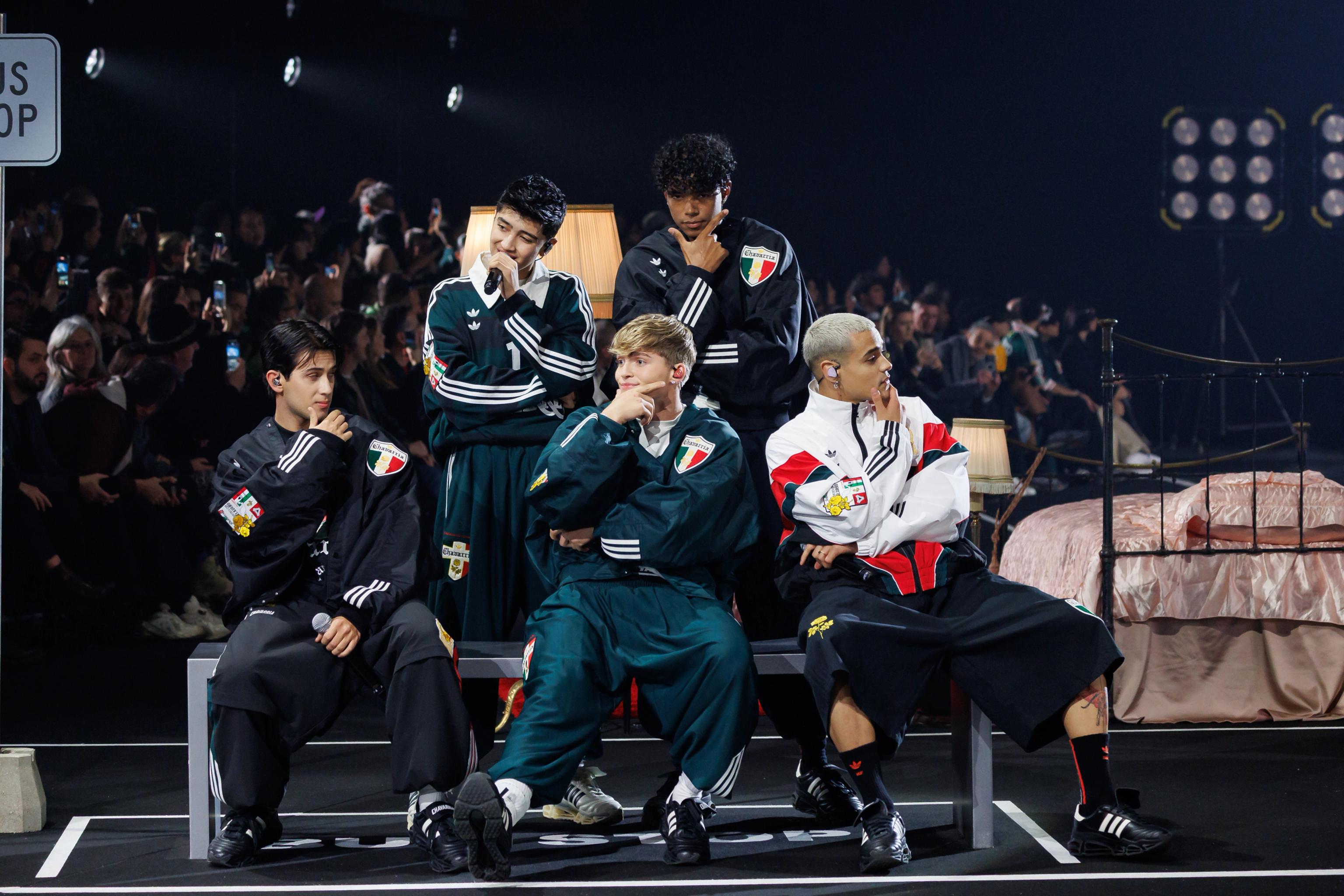
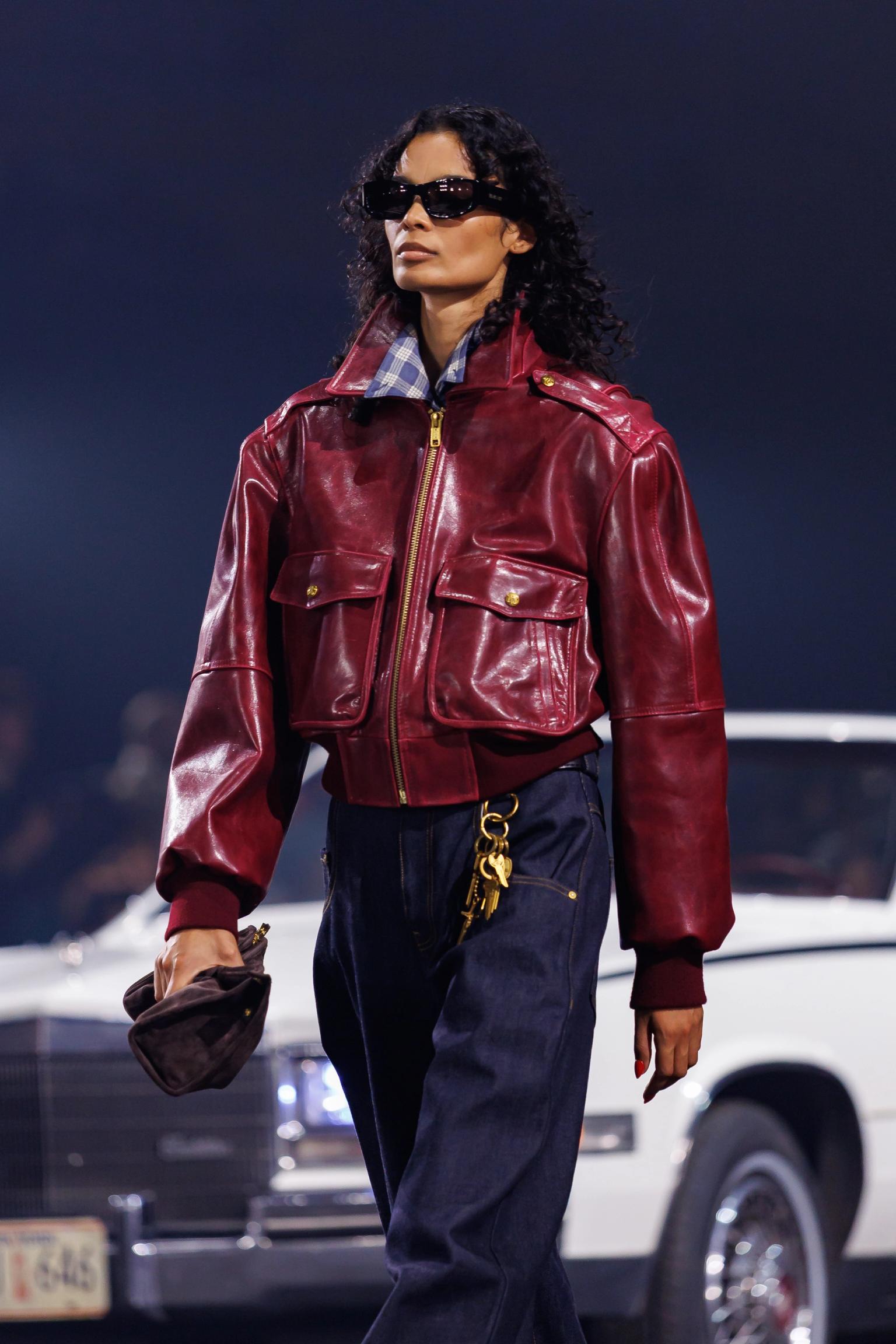
As the show evolved, satin fabrics, sequins, animal prints and rose motifs introduced a sense of melodrama and romance before giving way to unmistakable Chicano references: plaid shirts, oversized bomber jackets, wide-leg denim, tracksuits, shaded caps and exaggerated proportions. These are silhouettes Chavarria has returned to for years, but in Eterno they felt especially refined. He understands how to elevate cultural dress codes without erasing the communities they come from. His proportions are intentionally bold, broad shoulders, long sleeves, loose hips and dramatic trousers, but the styling makes them feel accessible rather than intimidating. Even the smallest details carried meaning, from ribbed white socks worn with tailoring to leather accessories and Cuban-heeled loafers that referenced both 1970s glamour and street style simultaneously.

Fashion as Community
One of the strongest aspects of Eterno was the way Chavarria expanded the show beyond fashion itself into a wider conversation about dignity, representation and connection. Throughout the production, queer relationships, Latino identity and everyday urban life were treated with intimacy rather than spectacle. A collaboration with Grindr explored queer connection and desire as part of the show’s emotional core, while partnerships with adidas introduced football-inspired pieces linked to Mexico’s cultural presence in the upcoming World Cup. Chavarria also launched BIG WILLY, a more accessible line offering workwear staples and casual essentials at lower price points, reflecting his growing interest in making his aesthetic available beyond the luxury market. That democratic mindset is central to his work. Even when the craftsmanship is luxurious, Italian tailoring, rich suedes, silk blends and custom fabrics, the emotional language remains grounded in ordinary life.
Chavarria often speaks about watching people from his apartment window in New York: strangers falling in love, arguing, rushing to work or helping each other during moments of crisis. Eterno translated those observations into fashion, turning the runway into a portrait of collective human experience rather than an isolated fantasy world.


Why Willy Chavarria's Autumn/Winter 2026 Show Matters
What made Willy Chavarria's Autumn/Winter 2026 Show, Eterno, so impactful was not simply its scale, but the clarity of its point of view. At a moment when many runway shows chase virality or minimalism, Chavarria moved in the opposite direction, embracing emotion, excess, sensuality and sincerity without irony. The collection argued for fashion as something deeply human, capable of carrying memory, politics, vulnerability and beauty all at once. That ambition places Chavarria in a rare position within contemporary fashion. He is not interested in creating detached luxury or conceptual distance; he wants clothing to communicate directly with people.
The final image of the designer taking his bow in a T-shirt reading “Protection is Love” captured the spirit of the entire project. For Chavarria, style is not just visual identity, it is care, visibility, confidence and resistance. Eterno ultimately presented fashion as a living emotional language, one capable of bringing different worlds, cultures and people together under the same stage lights.