
Modem
Dream Recorder
- ConceptModem
- Software & hardwareMark Hinch
- Industrial designBen Levinas & Joe Tsao
- IllustratorAlexis Jamet
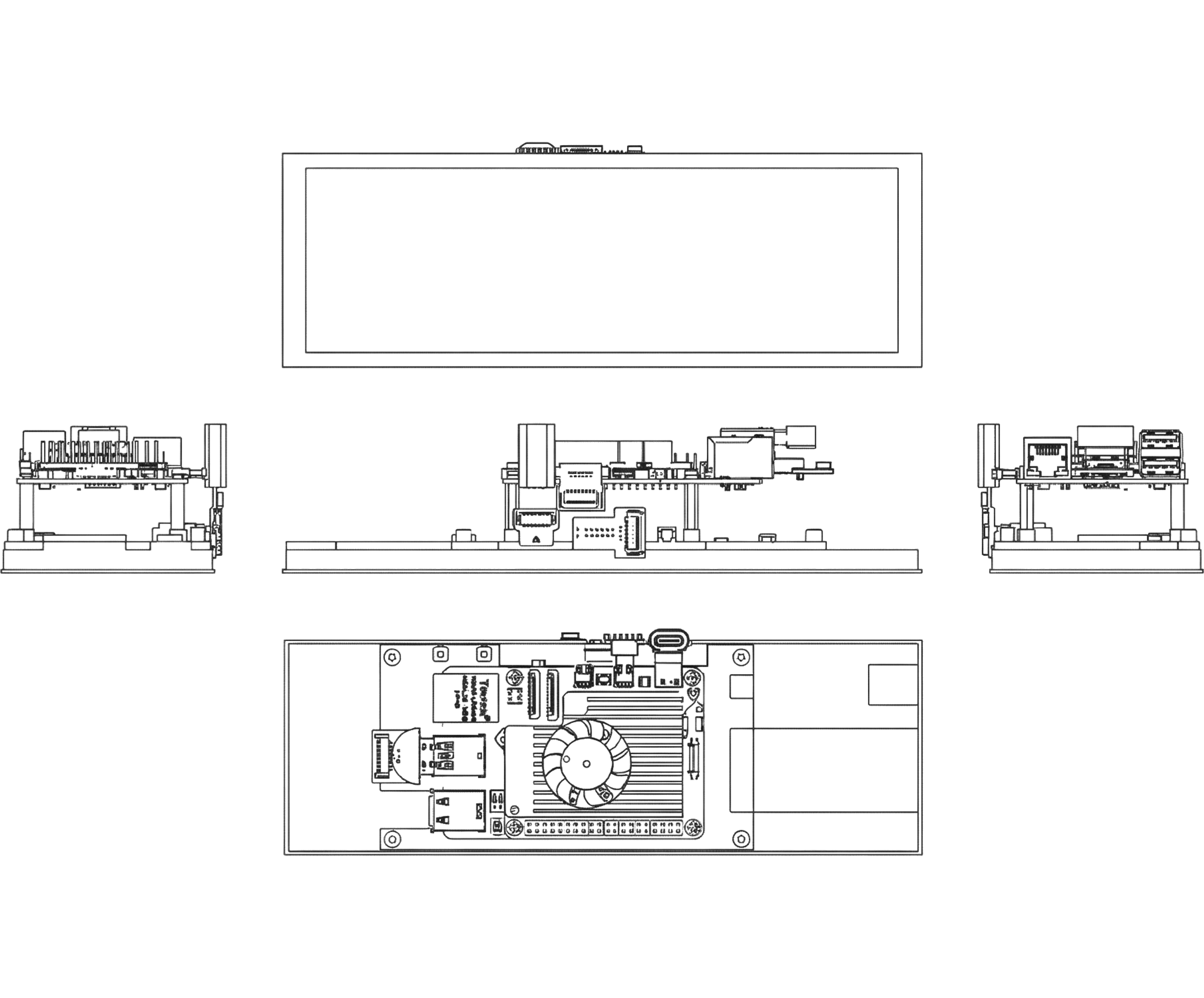
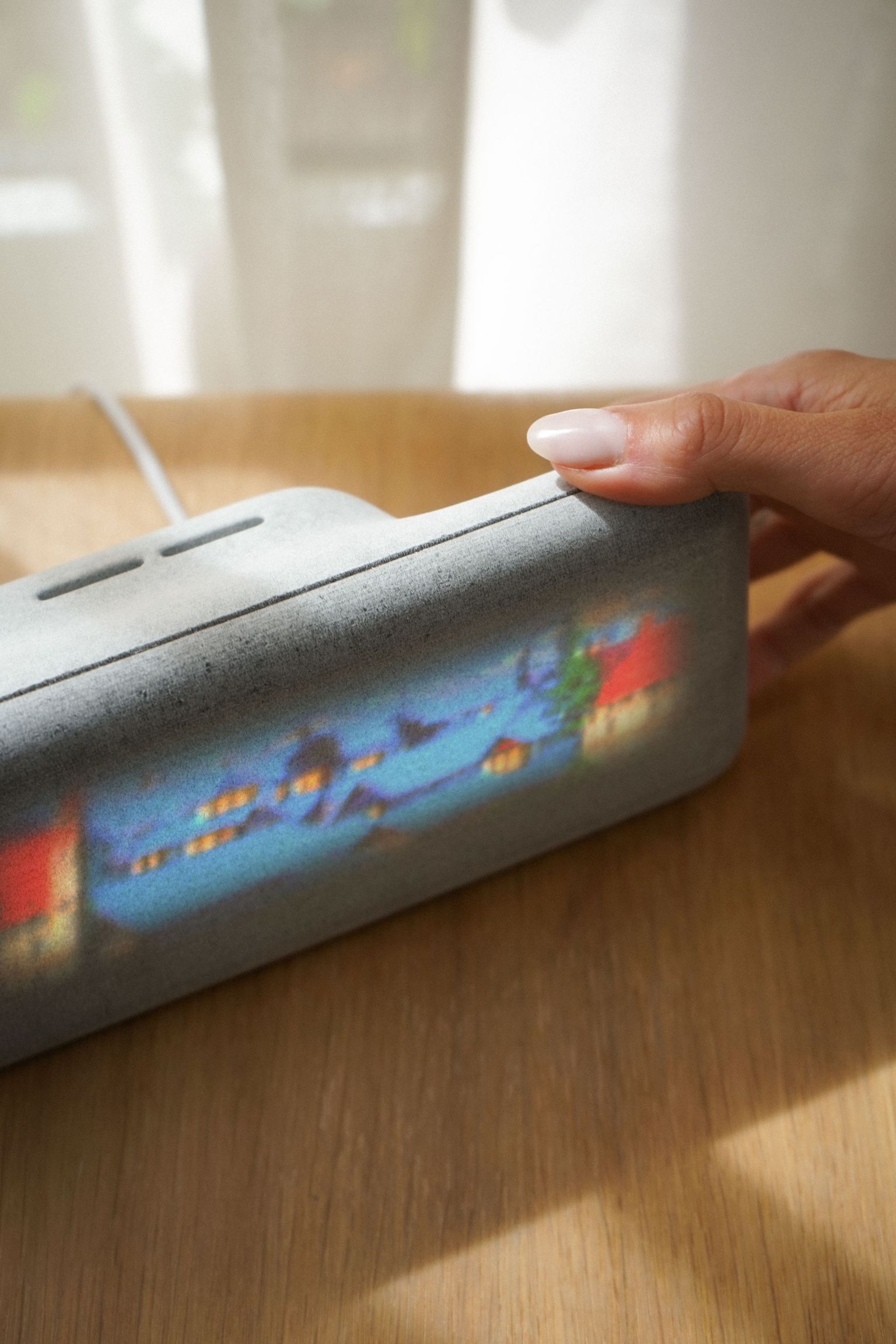
SPRING/SUMMER Vision and concept by Modem Works. Animation, graphic design and UI graphics by Alexis Jamet, Software and Hardware by Mark Hinch Industrial and Industrial Design by Ben Levinas and Joe Tsao. We like the grainy colorful illustration style that become alive and almost look like a small movie.
Dream Recorder: Turning AI Hallucinations into Dream Memories
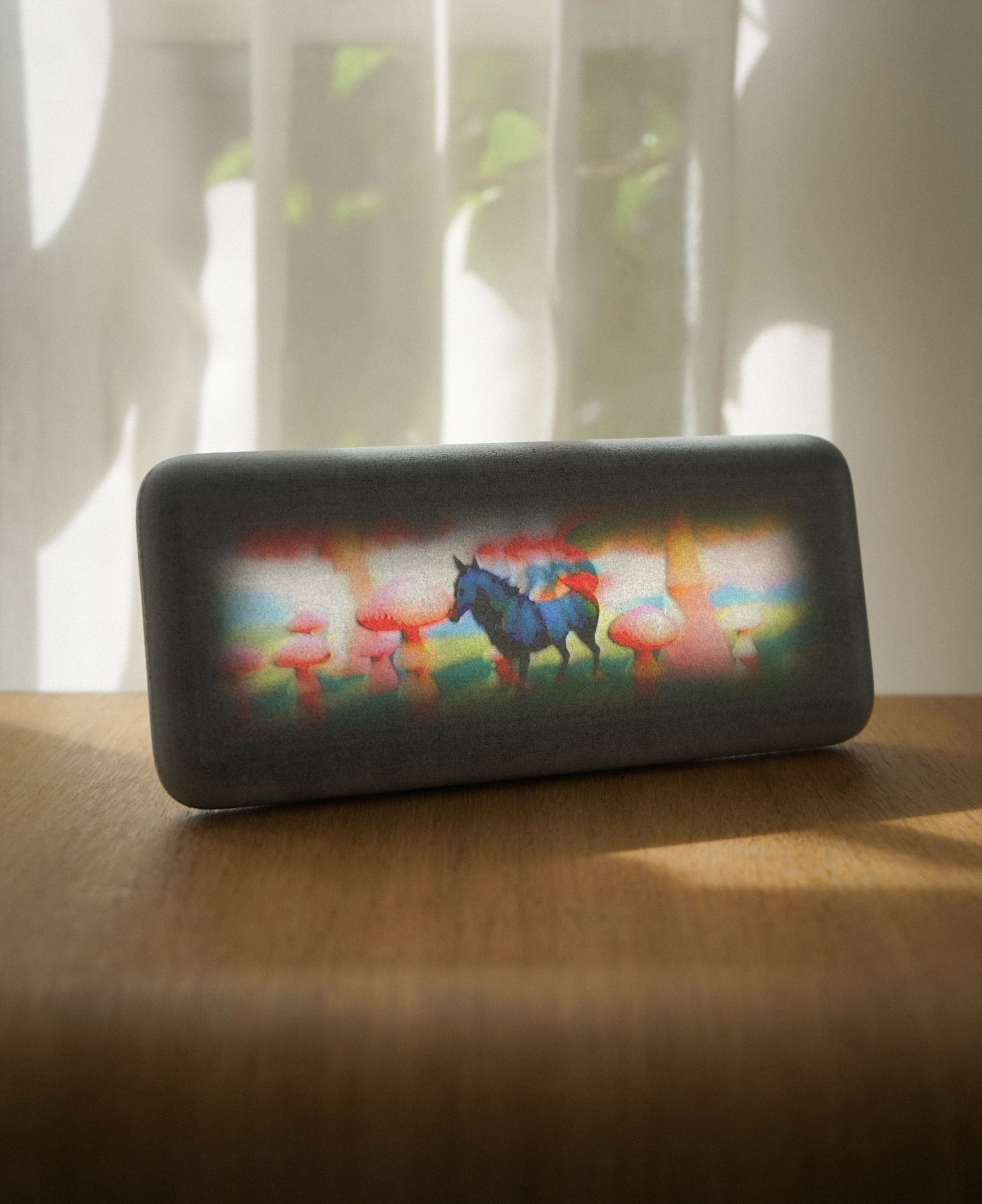
At first glance, Dream Recorder appears to be a machine that records dreams. The reality is both simpler and more intriguing. Created by the design studio Modem, the project is not about reading brain activity or reconstructing dreams directly from the mind. Instead, it transforms spoken dream recollections into short AI generated videos, creating a new kind of dream journal that blends memory, storytelling, and machine imagination.
The idea emerged from a simple observation. Most dreams vanish within minutes of waking. Even when people attempt to keep dream journals, the process often feels tedious and inconsistent. Dream Recorder turns that fleeting morning ritual into something more tangible. Users wake up, describe their dream aloud, and the device generates a visual interpretation that can be revisited later. The resulting videos are not intended to be accurate representations of what happened during sleep. They are closer to memories of memories, shaped by both the dreamer's recollection and the creative distortions of artificial intelligence.


When AI Hallucinations Become a Feature
One of the most compelling aspects of the project is the way it embraces the limitations of AI. In most applications, hallucinations are considered a flaw. Developers work tirelessly to make models more accurate, more reliable, and more faithful to reality. Dream Recorder takes the opposite approach.
Dreams themselves are rarely logical or consistent. They jump between places and times, merge people together, and transform ordinary objects into strange symbols. The visual artifacts produced by generative AI often share these qualities. Images shift unexpectedly, details blur into one another, and scenes evolve according to a logic that feels intuitive rather than rational. For the designers behind Dream Recorder, these imperfections make AI uniquely suited to representing dreams. Instead of fighting against the technology's tendency to invent, the project uses that tendency as a creative tool.
The visual style reinforces this philosophy. The generated videos are intentionally soft, hazy, and impressionistic. Rather than striving for cinematic realism, they resemble the fragmented way dreams are remembered after waking. The result is less like watching a recording and more like revisiting a fading memory.
A Physical Object for a Digital Ritual
Dream Recorder also reflects a broader interest in creating calmer relationships with technology. At a time when smartphones dominate nearly every aspect of daily life, the designers wanted to imagine a different kind of interaction. The bedroom, they argue, should remain a place somewhat separate from the endless notifications, feeds, and distractions of digital culture.
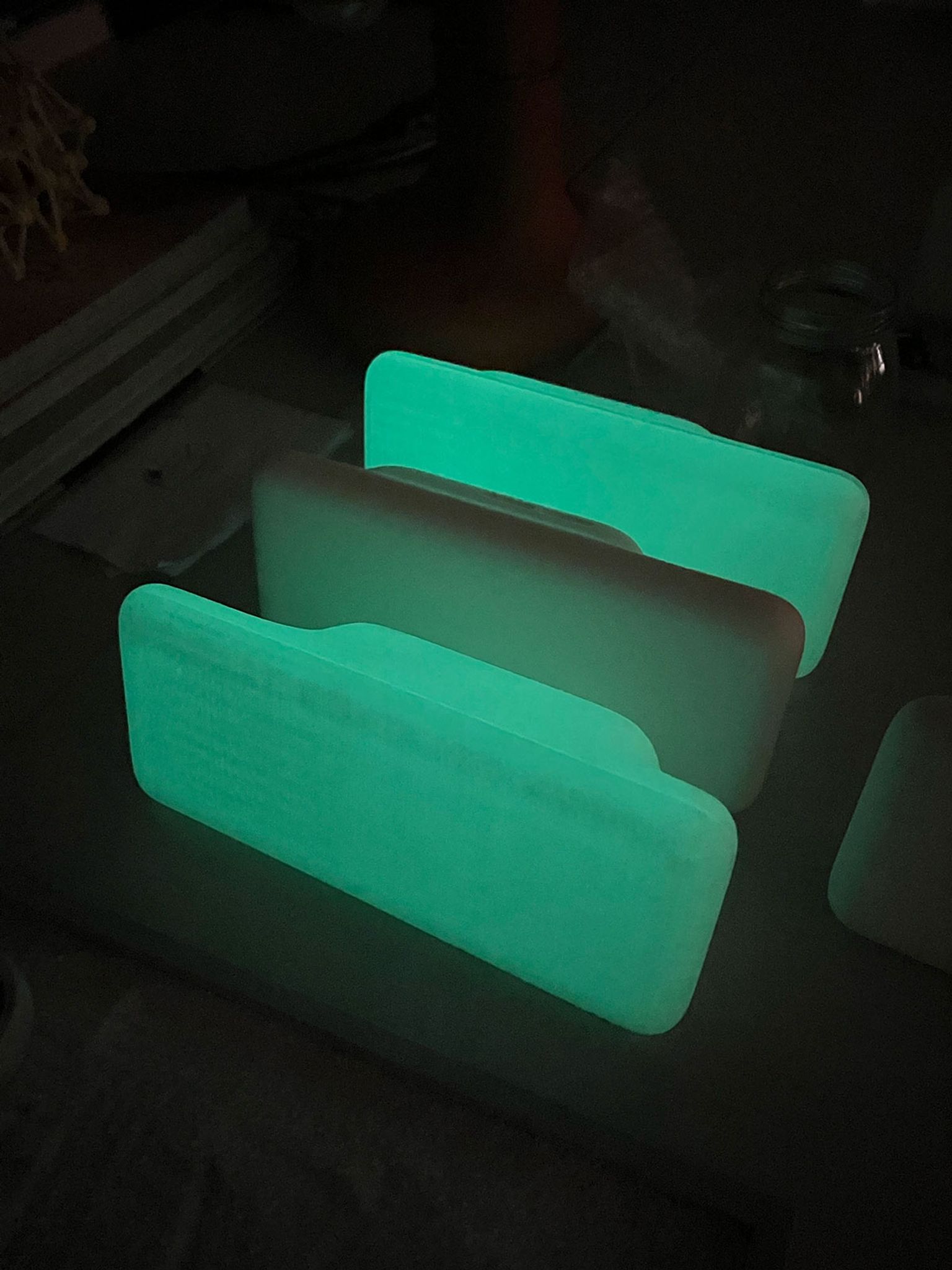
By giving the experience its own dedicated object, Dream Recorder transforms dream journaling into a small daily ritual. The device sits quietly on a bedside table, waiting for a brief interaction each morning. There is no social sharing, no endless archive of content, and no pressure to optimize or perform. The focus remains on reflection and personal curiosity.
This approach places Dream Recorder within a growing movement of experimental products that prioritize atmosphere, intention, and emotional experience over efficiency. It feels closer to a piece of speculative design than a conventional consumer gadget.

More Than a Product
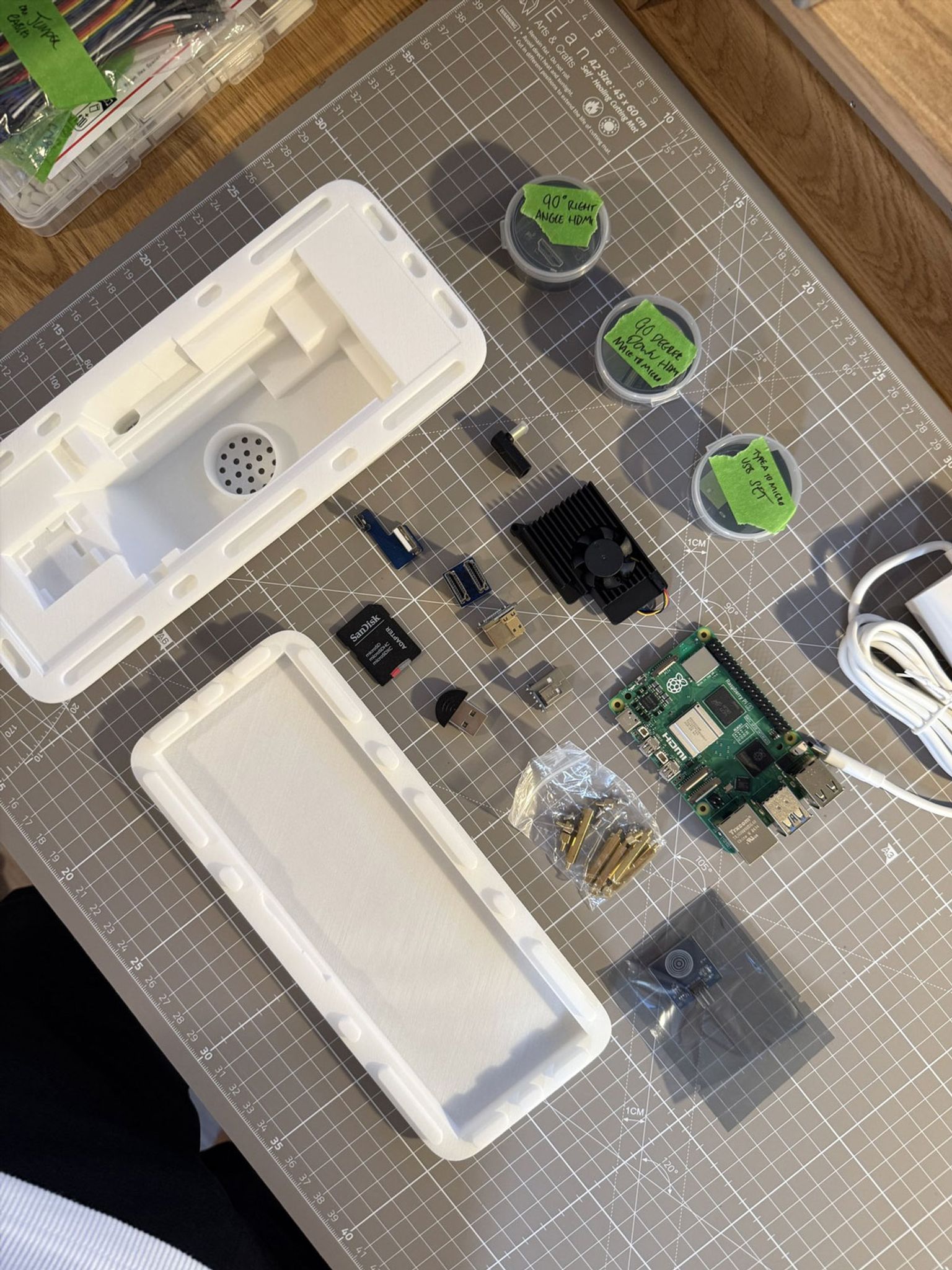
Perhaps the most revealing aspect of Dream Recorder is that it was released as an open project. Rather than packaging it as a finished commercial product, Modem shared the code, hardware instructions, and design files so that others could build and modify it themselves. This decision suggests that the project is ultimately less about selling a device and more about exploring an idea.
At its heart, Dream Recorder asks a fascinating question: if artificial intelligence can generate images from language, what happens when that language comes from the subconscious mind? The answer is not a scientific instrument or a perfect archive of dreams. Instead, it is a poetic collaboration between human memory and machine imagination, where the blurry boundaries between reality, recollection, and invention become part of the experience itself.