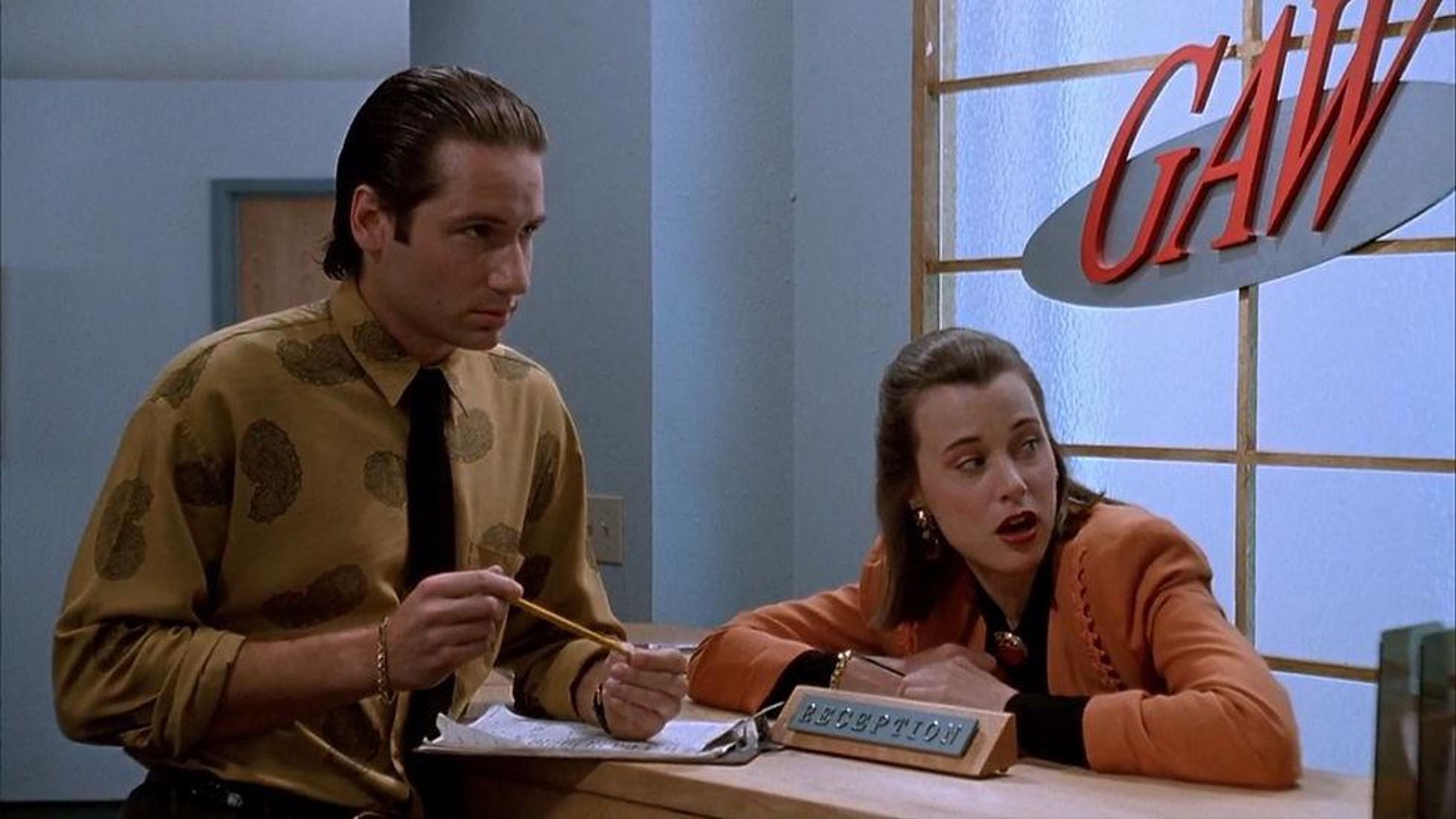

Carol Ramsey
Don't Tell Mom the Babysitter's Dead
- Costume DesignerCarol Ramsey
- DirectorStephen Herek
KRISSIE TORGERSON LOVE LOVE LOVE - I still reference this movie in at least one out of every five jobs, the most recent being this year’s Dunkin’ Super Bowl commercial. It taught me about the idea of being a fashion designer as a kid, and it 100% shaped who I am today and my career.
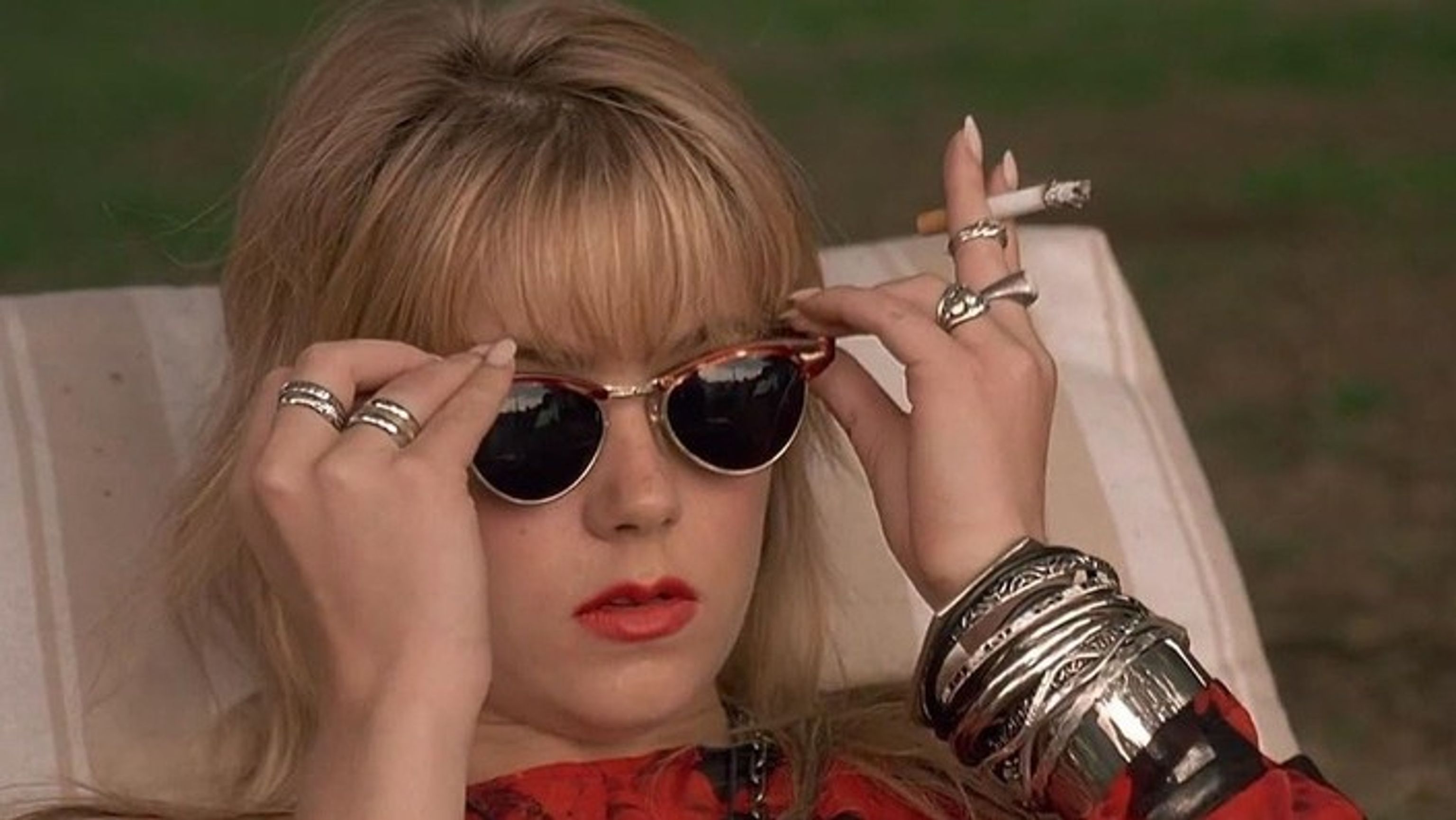

Dressed to Deceive: Carol Ramsey and the Wardrobe of Don't Tell Mom the Babysitter's Dead
When Don't Tell Mom the Babysitter's Dead opened in June 1991, critics largely looked past it. The film received generally negative reviews upon release, though it went on to develop a reputation as a cult classic, helped along by its long run on VHS and cable television. What those early dismissals tended to miss was one of the sharpest pieces of craft on screen: the costume work of Carol Ramsey, who built an entire visual language for the film out of the contradictions at its heart. A teenage girl pretending to be a grown woman. A suburban kid suddenly navigating a Los Angeles fashion company. Clothes that needed to say two things at once.
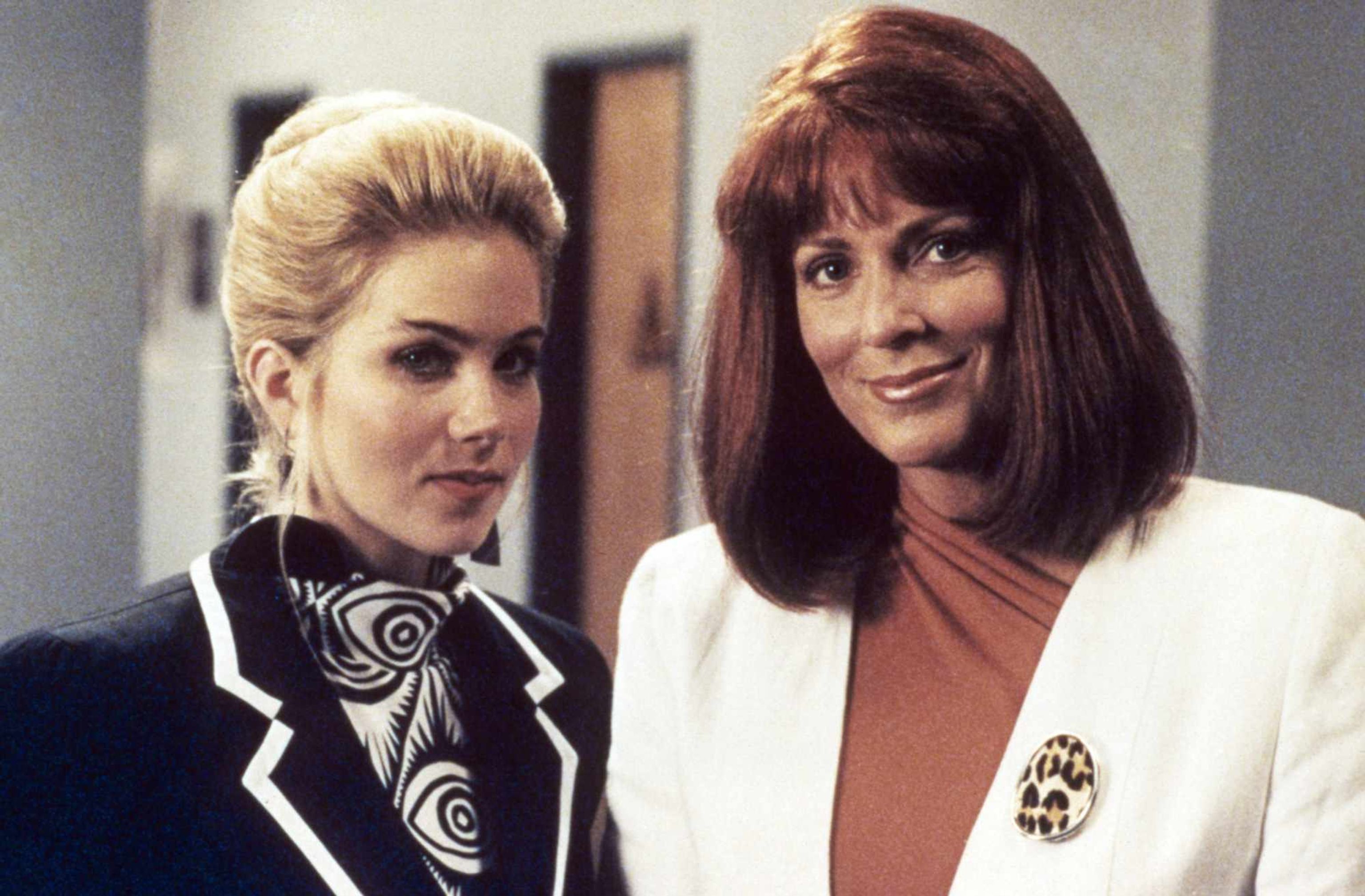
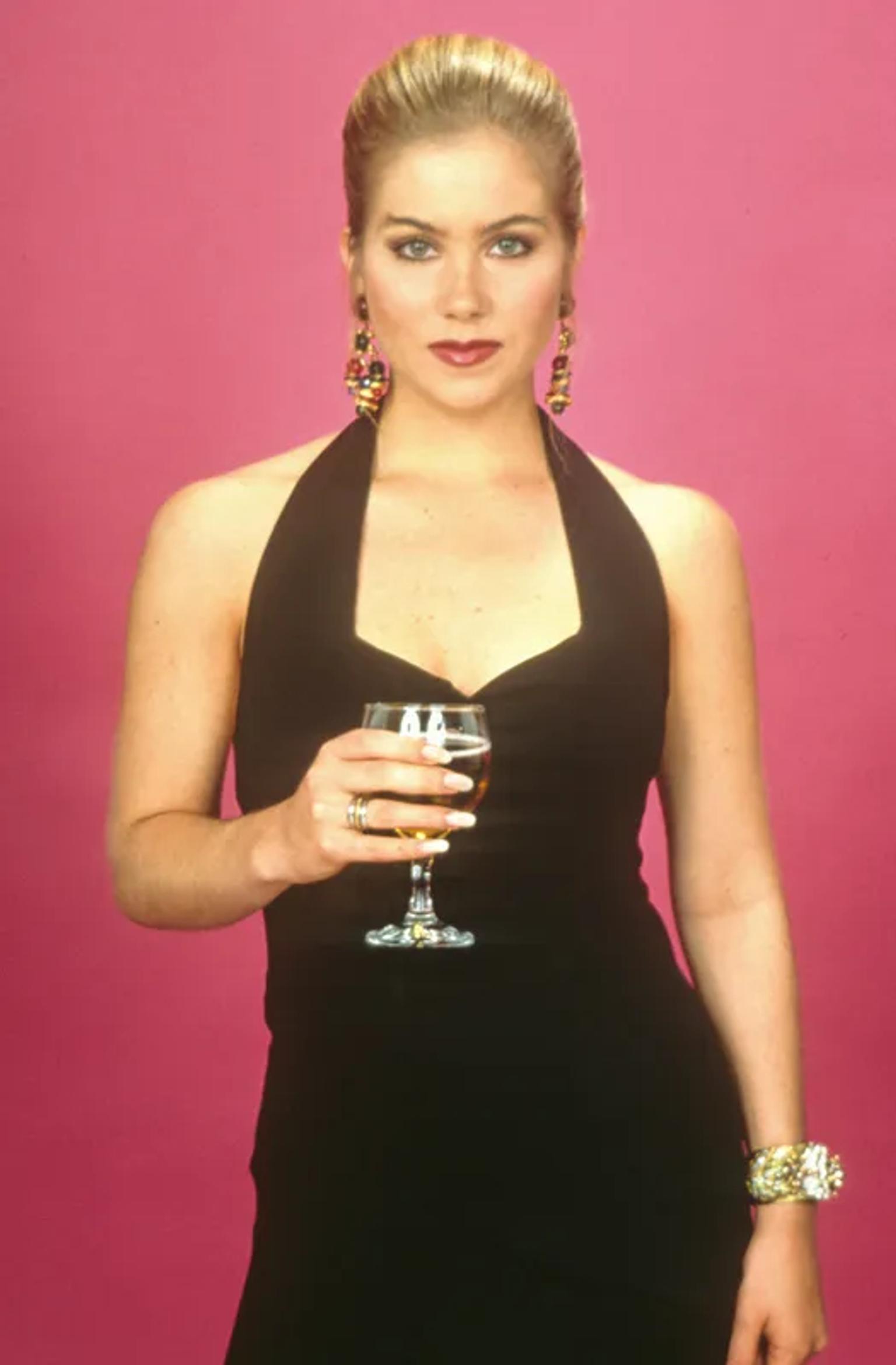
The story follows Sue Ellen, the eldest of five children left at home when their mother departs on a three-month trip to Australia, only for their elderly babysitter to die of a heart attack. To feed and support her siblings, Sue Ellen scams her way into a job at a hip Los Angeles fashion company. That premise handed Ramsey an extraordinary brief. Sue Ellen's wardrobe had to carry the dual identity that drives the entire plot, shifting between a teenager's instincts and a professional woman's armour, often within the same scene.
Two Worlds, One Closet
Ramsey had already proven herself fluent in the language of contemporary urban style. Just two years before, she had been the costume designer on Merchant Ivory's 1989 film Slaves of New York, a project that drew praise for featuring some of the production company's most thoroughly realized design elements. The bold and outrageous clothes she created for the film's characters were described as evoking the spirit of early Madonna. That sensibility, all primary colors and deliberate provocation, carried a distinct echo into the world of Don't Tell Mom.
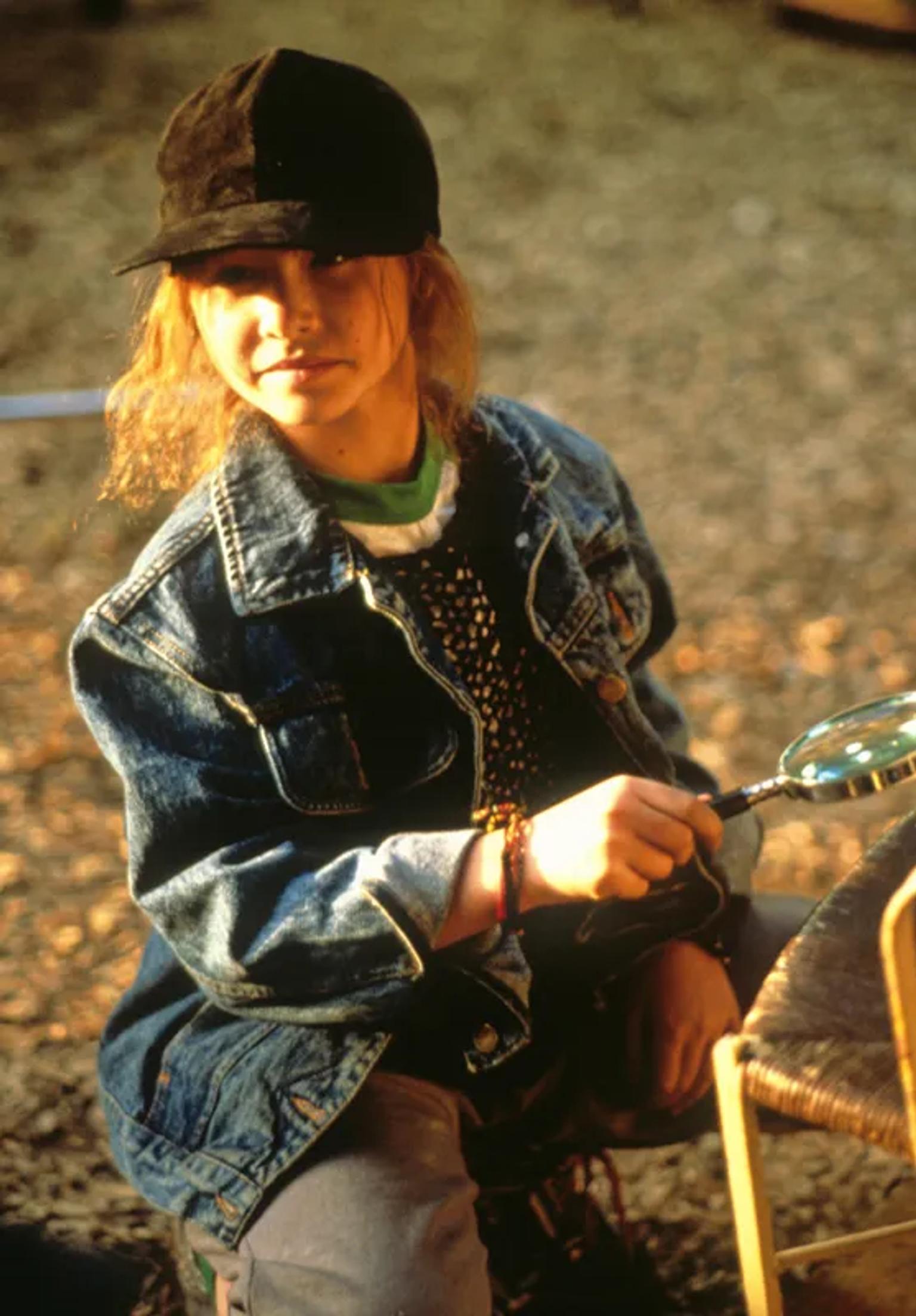
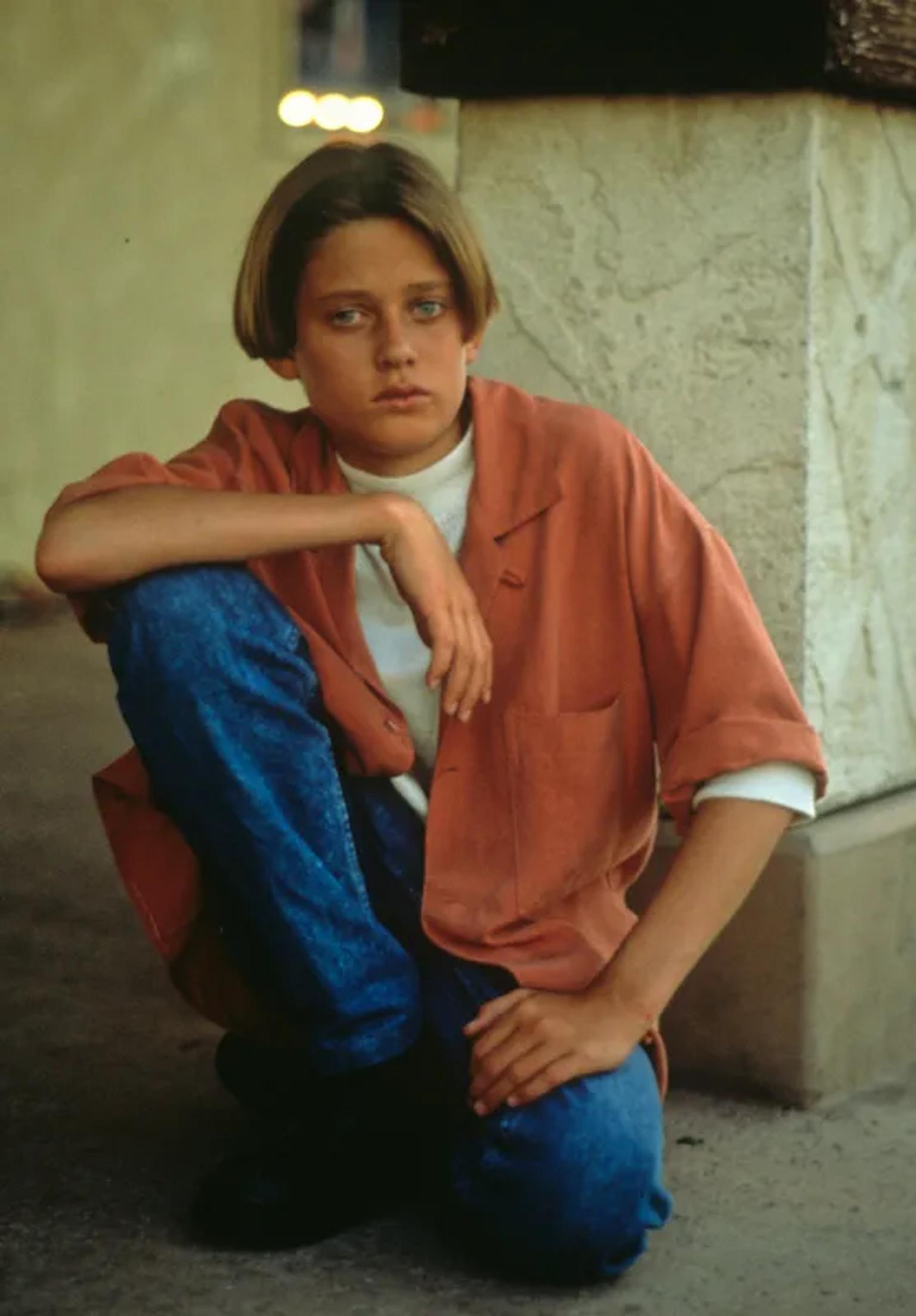
For Sue Ellen's off-duty life, Ramsey leaned into the authentic textures of early nineties teenage style. Christina Applegate later reflected that the character's everyday wardrobe reflected how she actually dressed at the time, including wearing Dr. Martens. The shoulder pads and power dressing that arrive when Sue Ellen enters the office, on the other hand, were a deliberate costume of adulthood, a suit of borrowed authority that the character wears like a disguise. One memorable early image captures Sue Ellen walking away from her brother's catcalling friends in an oversized red dress and green Docs, an image that reads as nonchalant empowerment. Ramsey understood that the comedy and the pathos both lived in that gap between the clothes and the girl wearing them.







Perfection in the Details
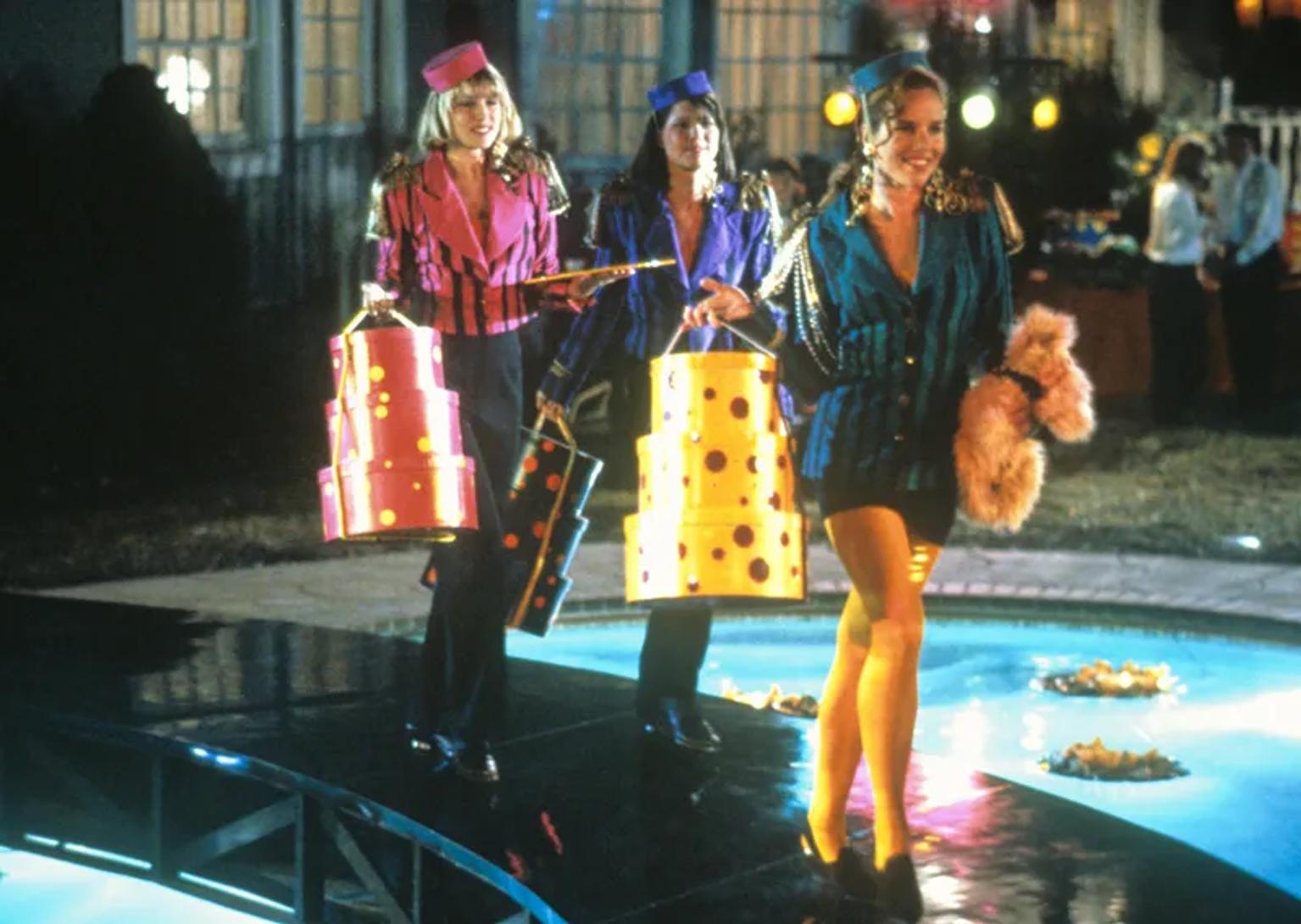
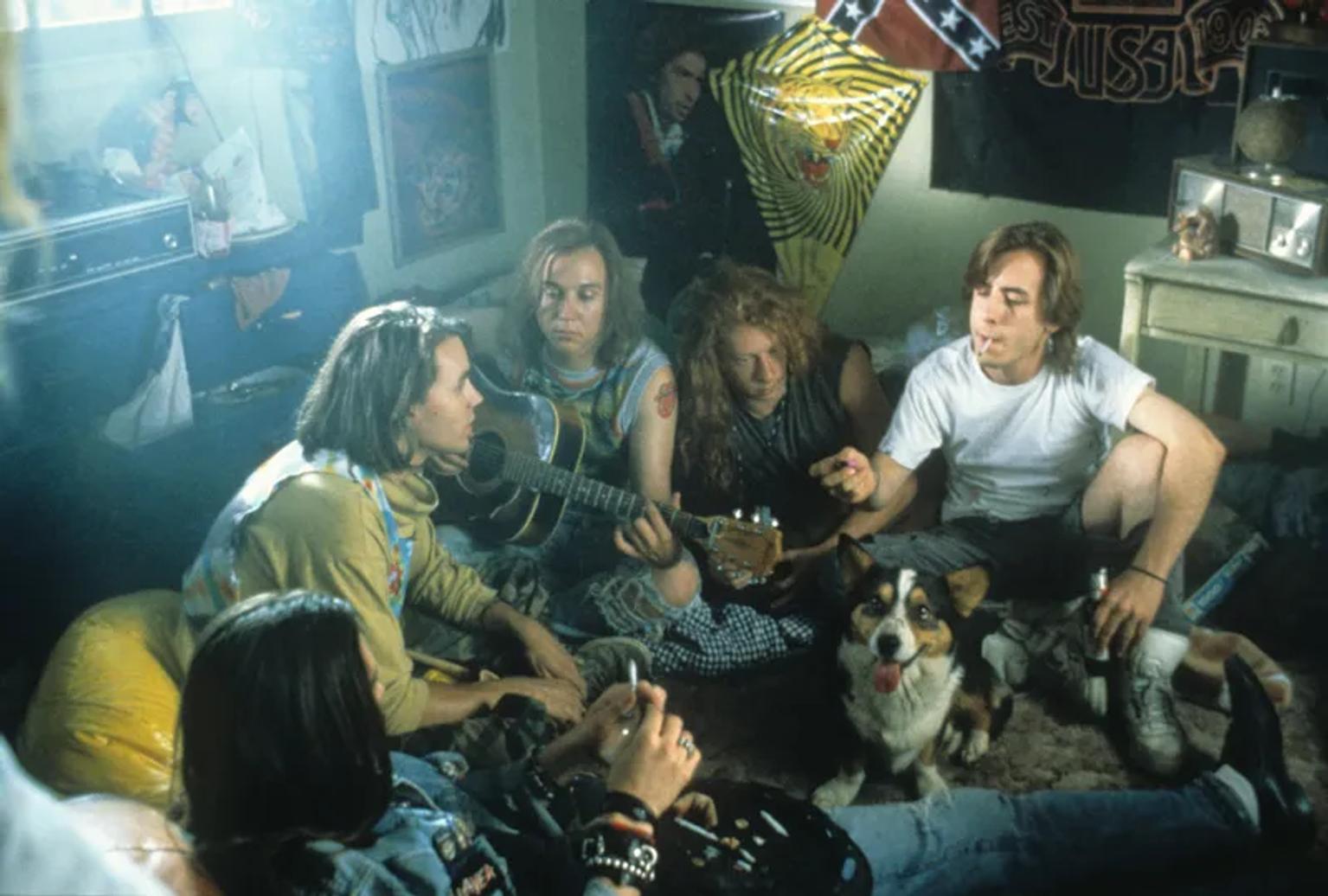
Retrospective assessments of the film have increasingly singled out the costume design as one of its key achievements, calling it perfection and drawing a direct line between Ramsey's work here and her equally chic contributions to Slaves of New York. That recognition took time to arrive. In 1991 the film was not a prestige production, and the clothes were read simply as period-accurate rather than considered. Rewatching it now, the precision becomes clearer. Each character in the Crandell household is dressed to communicate their particular brand of chaos, and the fashion company setting gives Ramsey an almost satirical canvas on which to play with the gap between what clothes are supposed to signal and what they actually reveal.
Viewers who have returned to the film in recent years have noted how sharply realized Sue Ellen's nineties style actually was, with many expressing a desire to recreate her outfits entirely. That kind of durability is not accidental. It comes from a designer who was thinking about character, not just trend.
A Career Built on Contrast
Carol Ramsey has continued working in the industry for decades since the film was released, going on to work on five Merchant Ivory productions over the course of her career. The range she demonstrated across those projects, from the avant-garde downtown art world of Slaves of New York to the suburban comedic chaos of Don't Tell Mom, speaks to a designer who never settled into a single register. The 1991 film remains, in retrospect, a showcase for exactly that kind of intelligence, the ability to make clothes do narrative work so quietly that the audience feels it without quite noticing it. The dishes may be done, but the wardrobe, it turns out, was doing quite a lot more.