Léo Cannone
Costa Verde
- DirectorLèo Cannone
- Production CompanyNew Forest Film
VERA PORTZ Never thought an AI film would get me like this. It really hit deep and unlocked childhood memories I had buried for years.
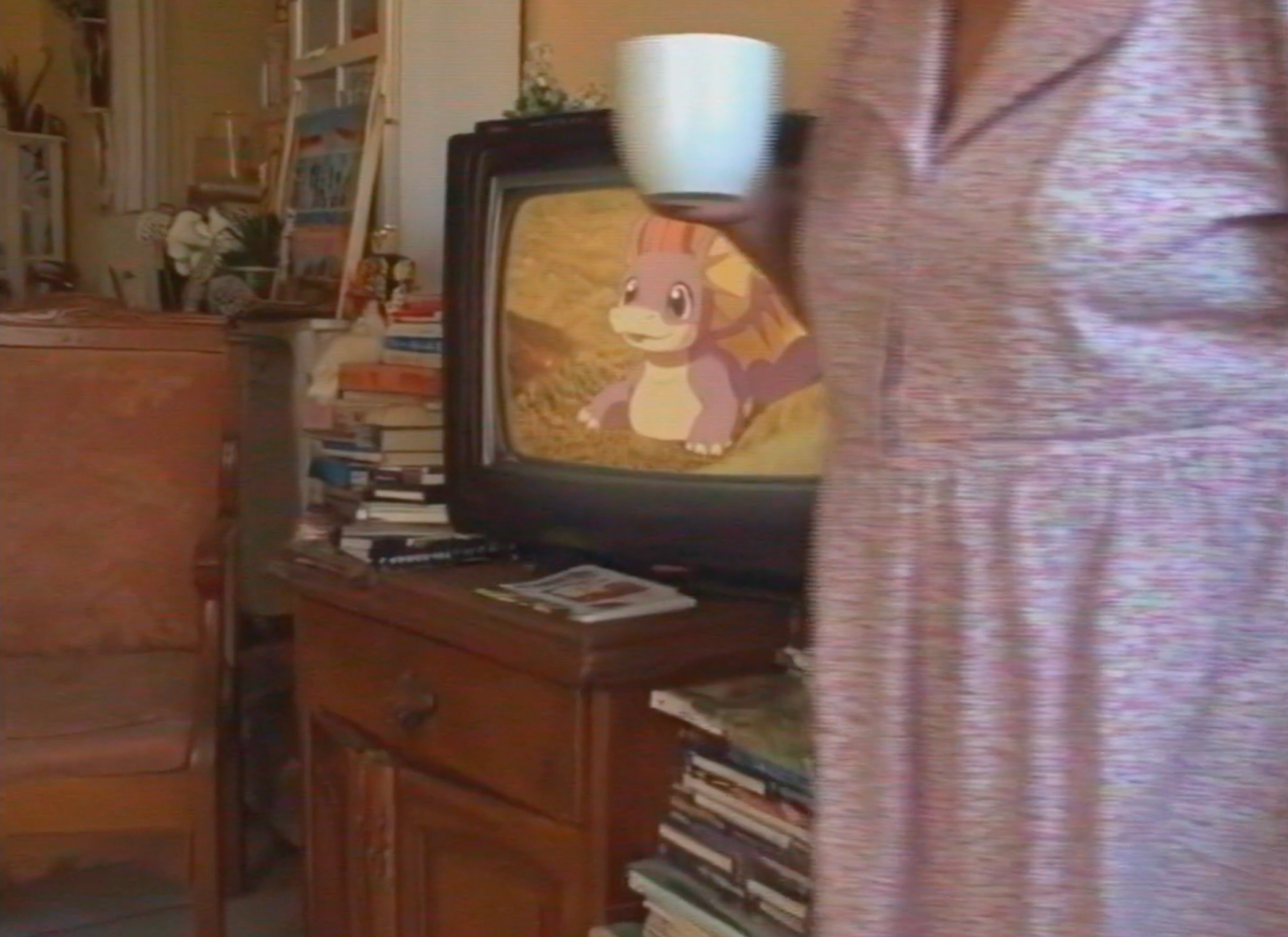

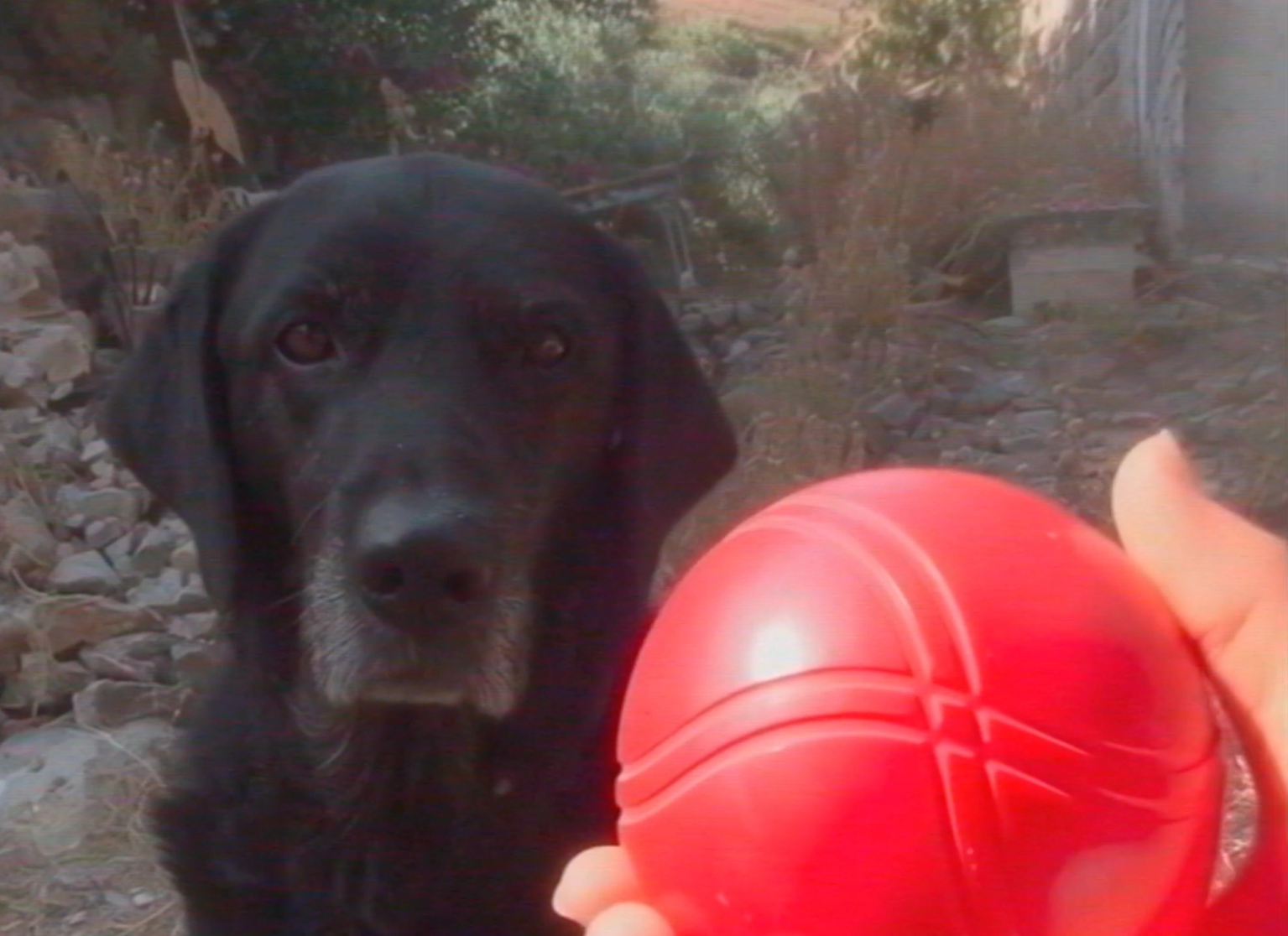

A Memory That Was Never Quite Real
There is something elusive at the heart of Costa Verde, the short film by Leo Cannone that quietly circulated through Nowness and beyond. It feels less like a narrative and more like a fragment of memory, the kind that lingers without clear origin. The film does not announce its intentions. Instead it drifts, guided by atmosphere, texture, and the emotional residue of place.
Cannone’s work often lives in this in between space, where documentation and fiction blur. In Costa Verde, that ambiguity becomes the central language. Viewers are not told whether they are watching a recollection, a dream, or a constructed fiction. The answer is deliberately withheld. What remains is a sensation of having witnessed something intimate yet unreachable.


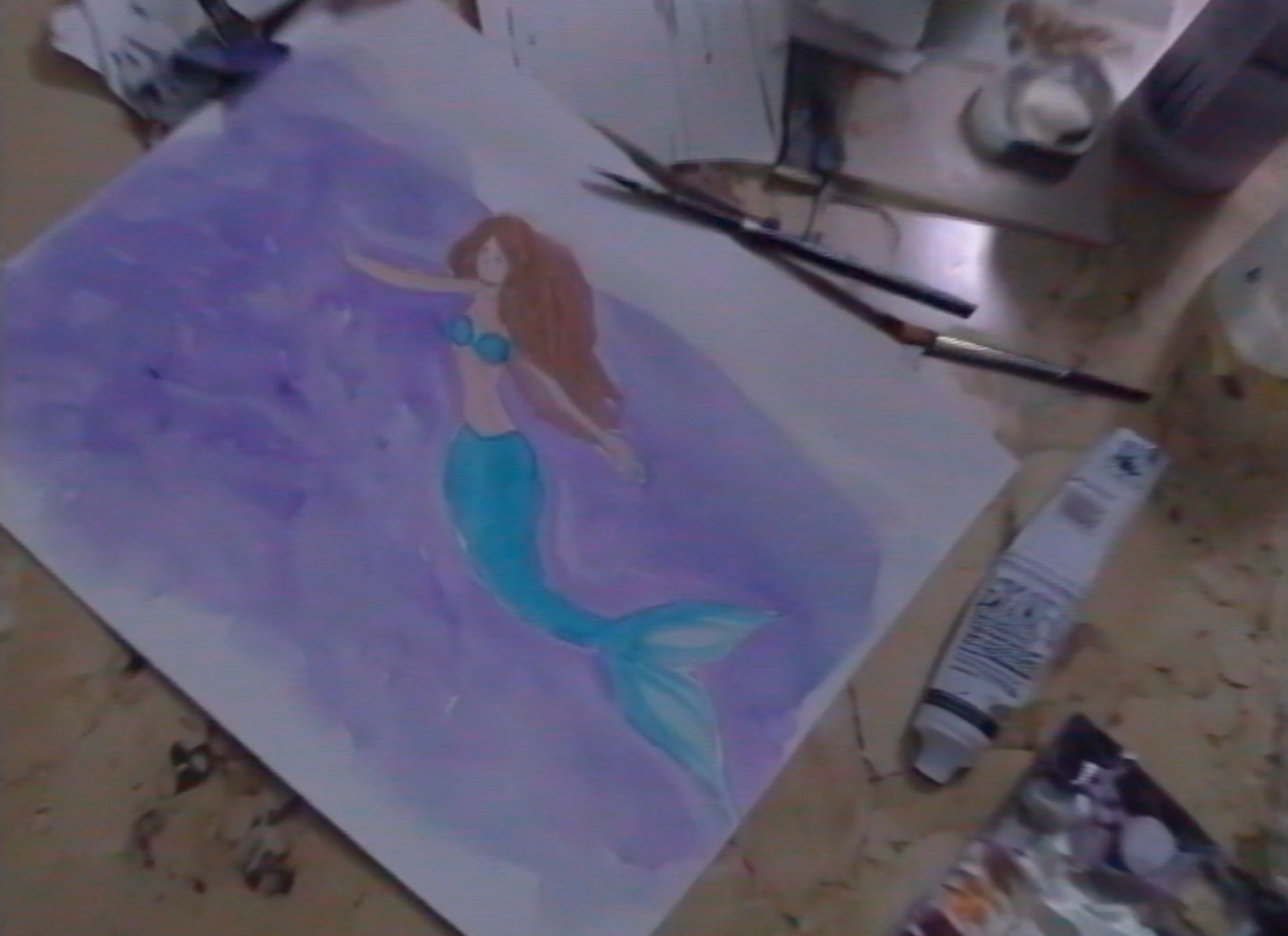

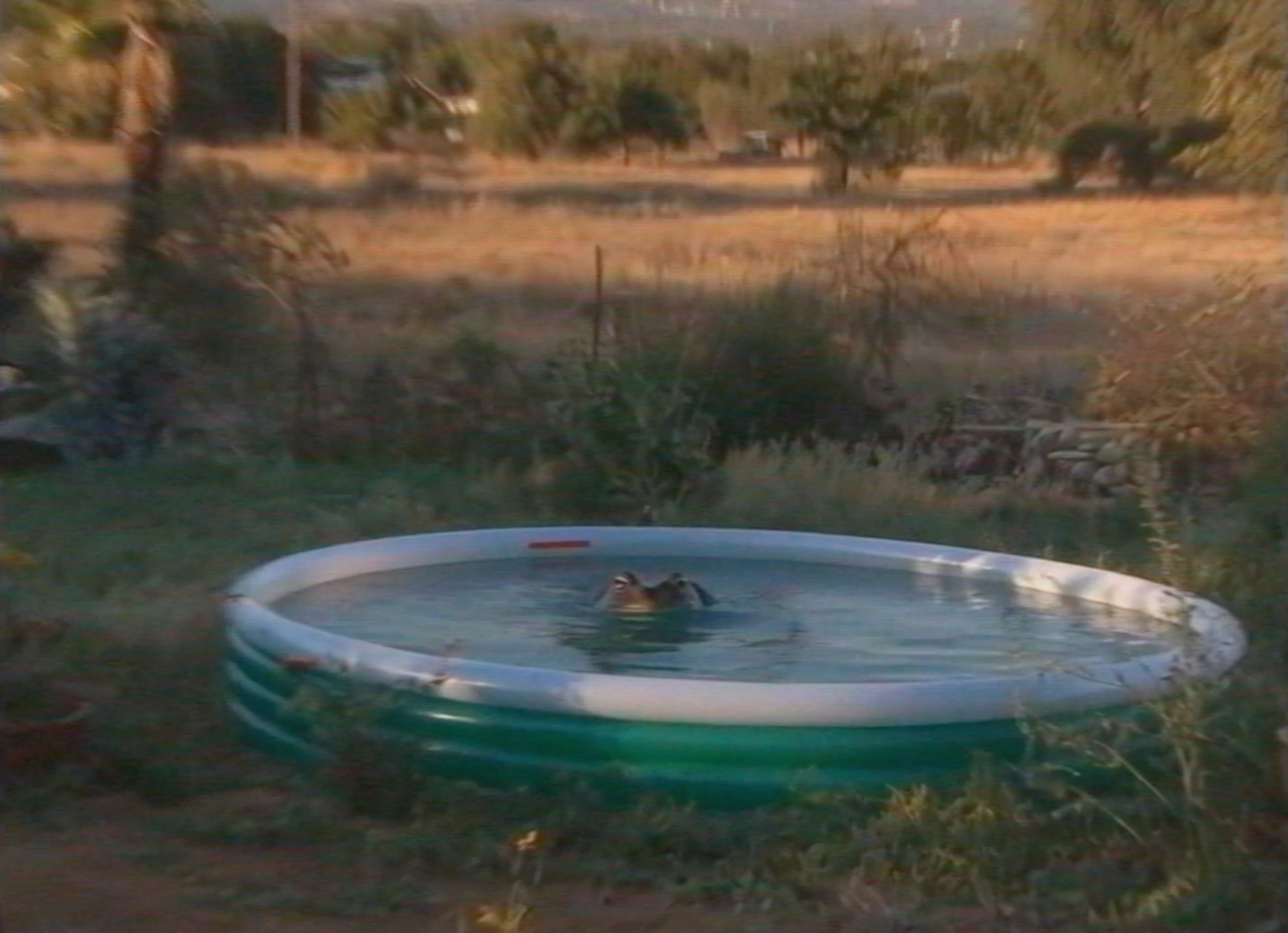

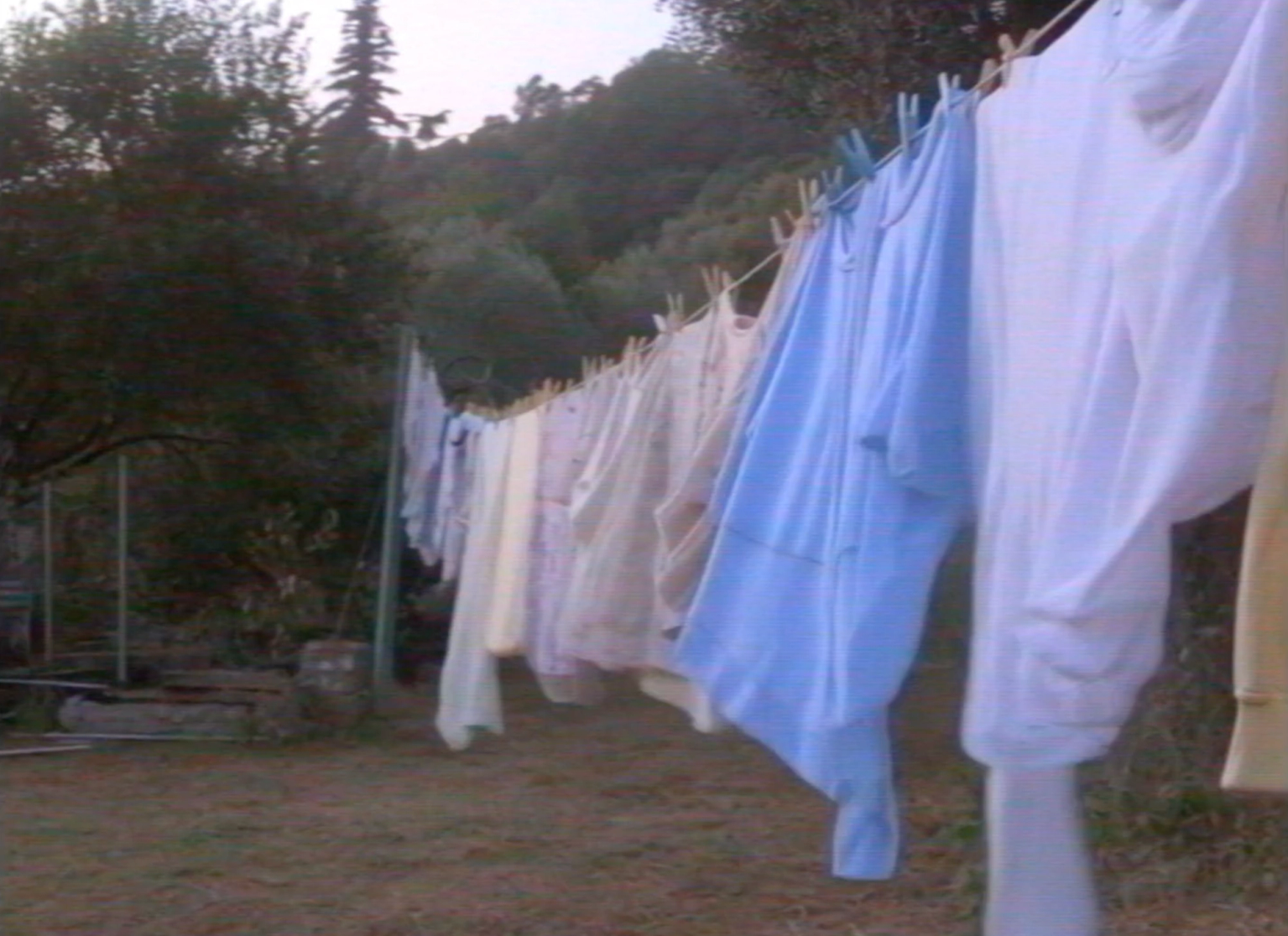

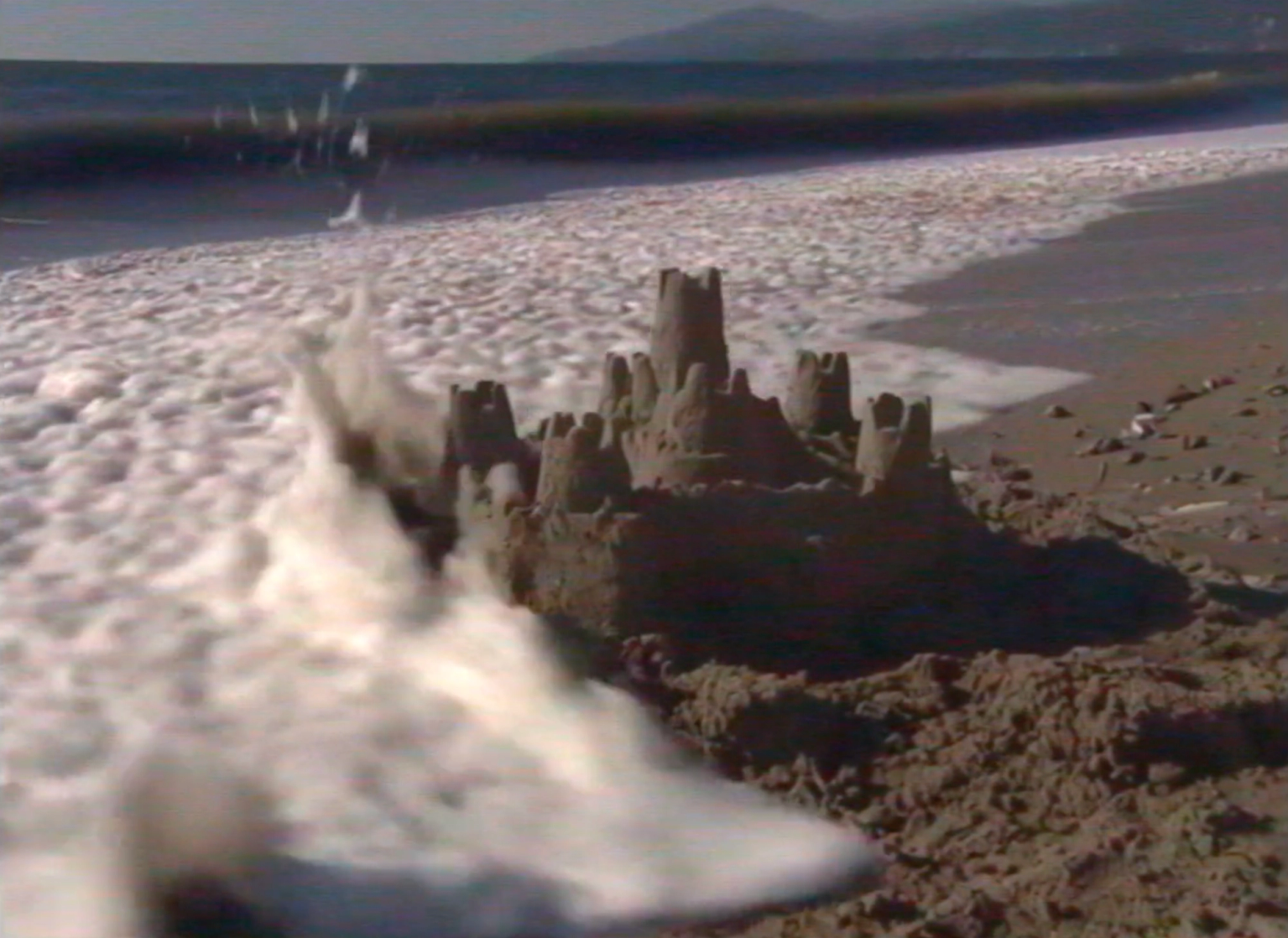

The Geography of Feeling
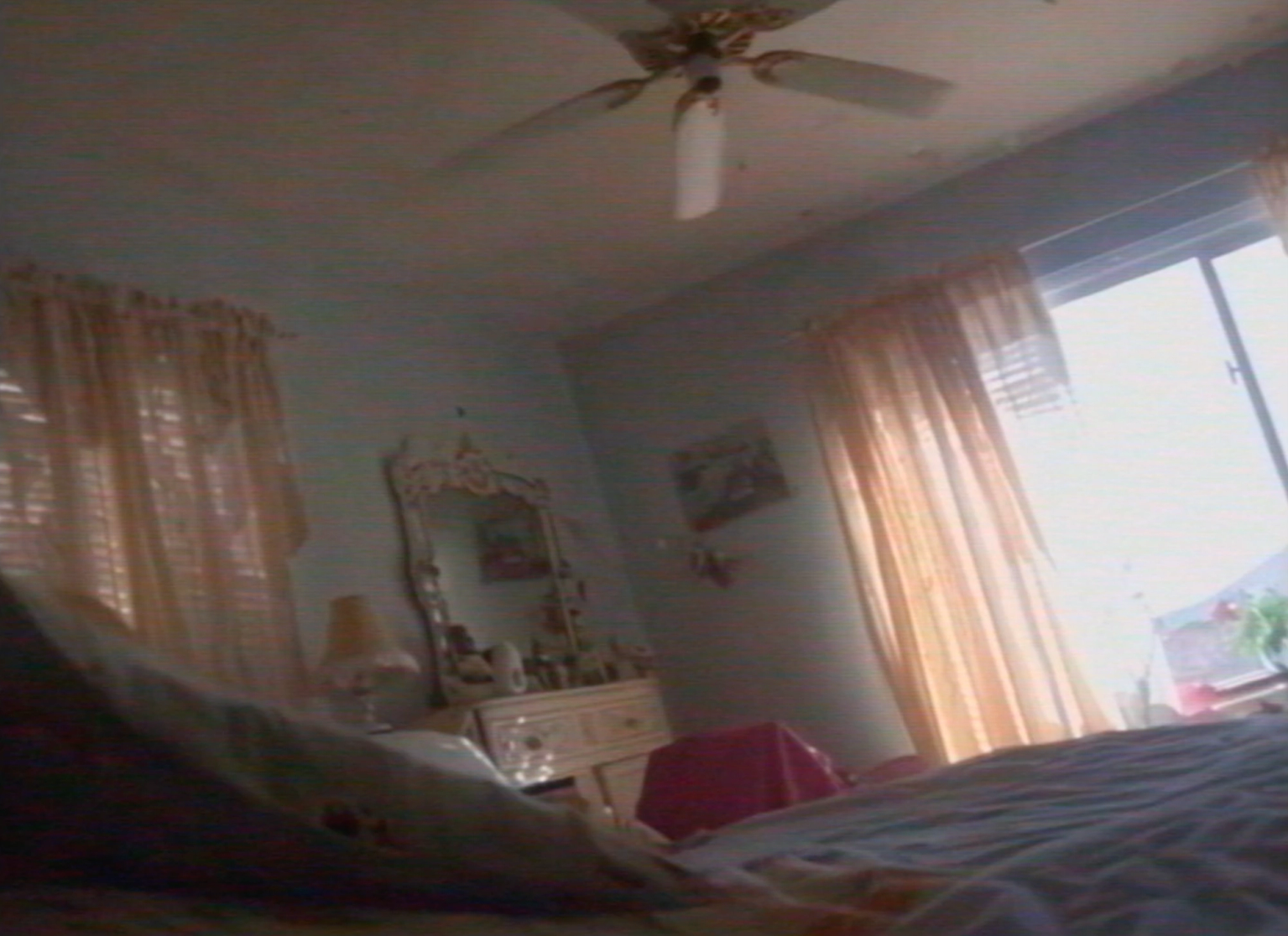
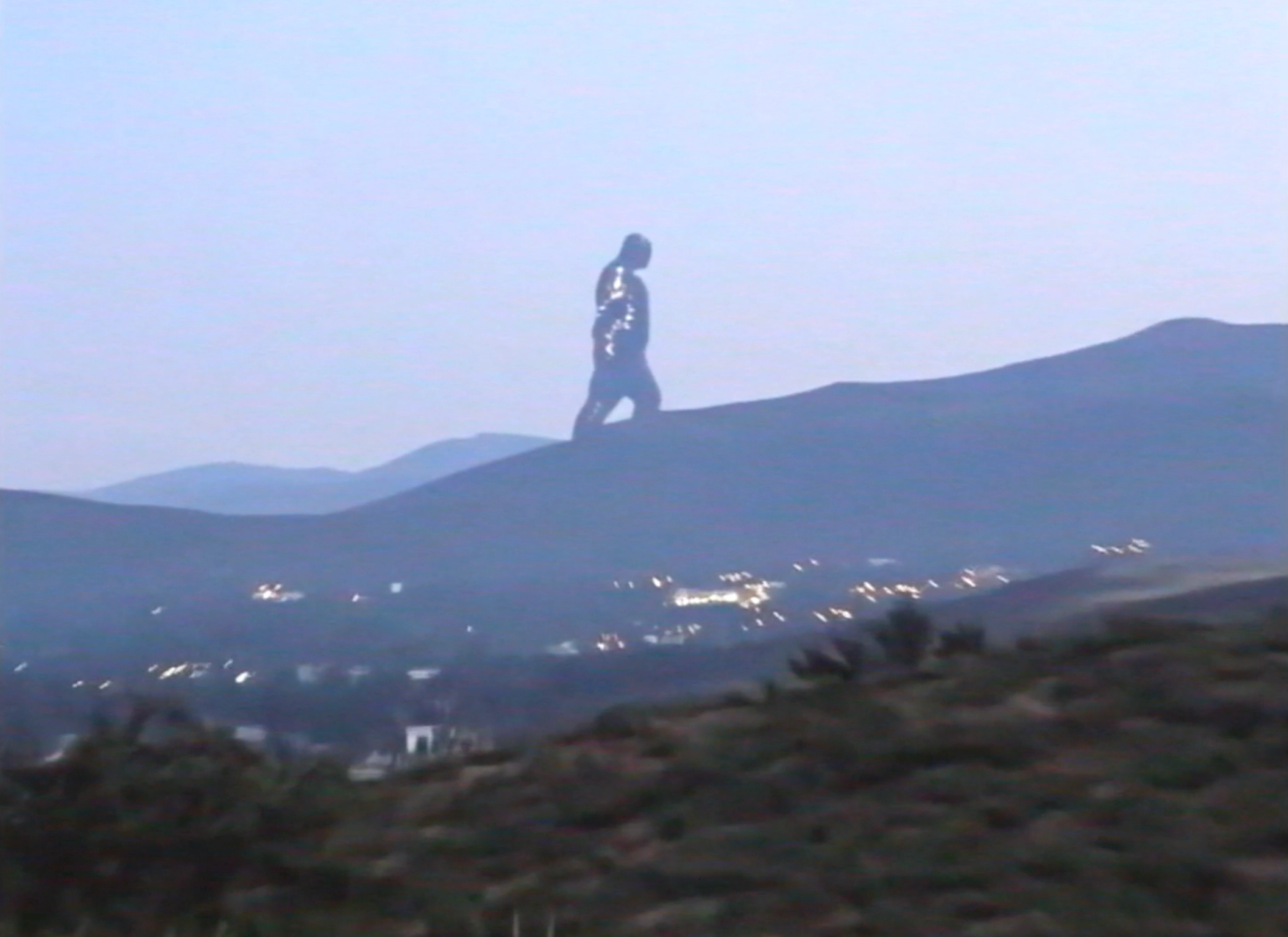
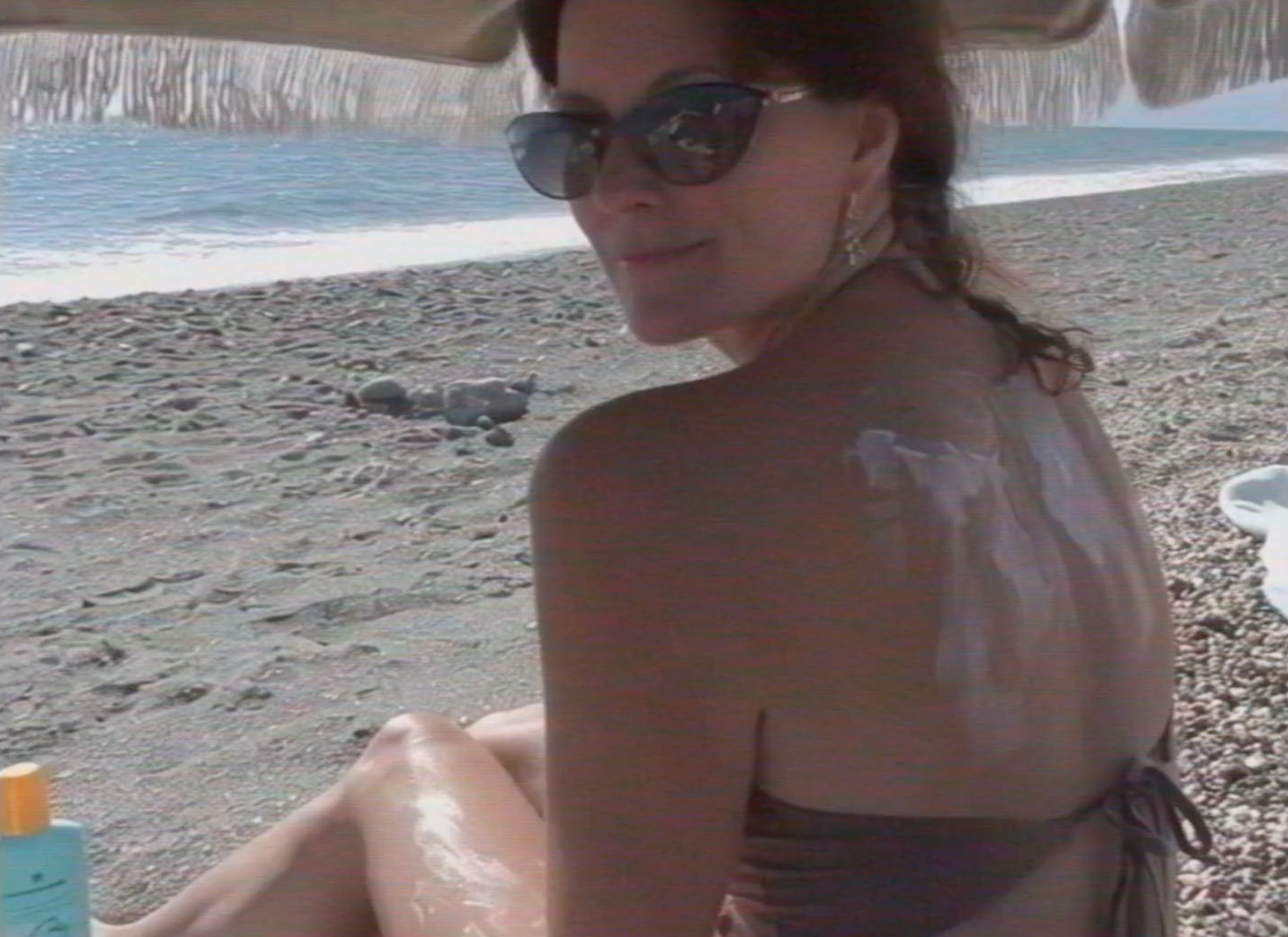
The title itself gestures toward a real location, the Costa Verde, yet the film resists becoming a postcard. Landscape is present, but it is not the subject. Instead it operates as a container for mood. The camera lingers on gestures, fragments of bodies, light moving across surfaces. Time stretches and compresses.
This approach reflects a broader tendency in Cannone’s work and in Nowness commissioned films more generally, where storytelling is less about plot and more about presence. The platform has long favored filmmakers who treat cinema as a sensory experience rather than a narrative vehicle. In that context, Costa Verde becomes part of a lineage of films that prioritize atmosphere over explanation.
There is also a quiet tension between intimacy and distance. The viewer is brought close, almost uncomfortably so, yet never fully oriented. Faces are partially obscured, conversations feel incomplete. It mirrors the way memories function, vivid in detail but unreliable in structure.

A Film About Looking Back Without Resolution
If there is a story behind Costa Verde, it is not one that unfolds in a traditional sense. Rather, it emerges through accumulation. Small moments gather weight. A glance, a pause, the sound of wind. These elements suggest relationships and histories without ever confirming them.
What makes the film resonate is precisely this refusal to resolve. It trusts the viewer to sit בתוך uncertainty, to accept that meaning may remain open. In doing so, Cannone captures something closer to lived experience than scripted drama. Life rarely offers clean conclusions, and neither does Costa Verde.
Perhaps that is why the film lingers. Not because of what it tells, but because of what it withholds. It leaves behind a trace, like a place you remember visiting but cannot fully reconstruct. A coastline that might be real, or might only exist in the mind.