
KHR Architecture
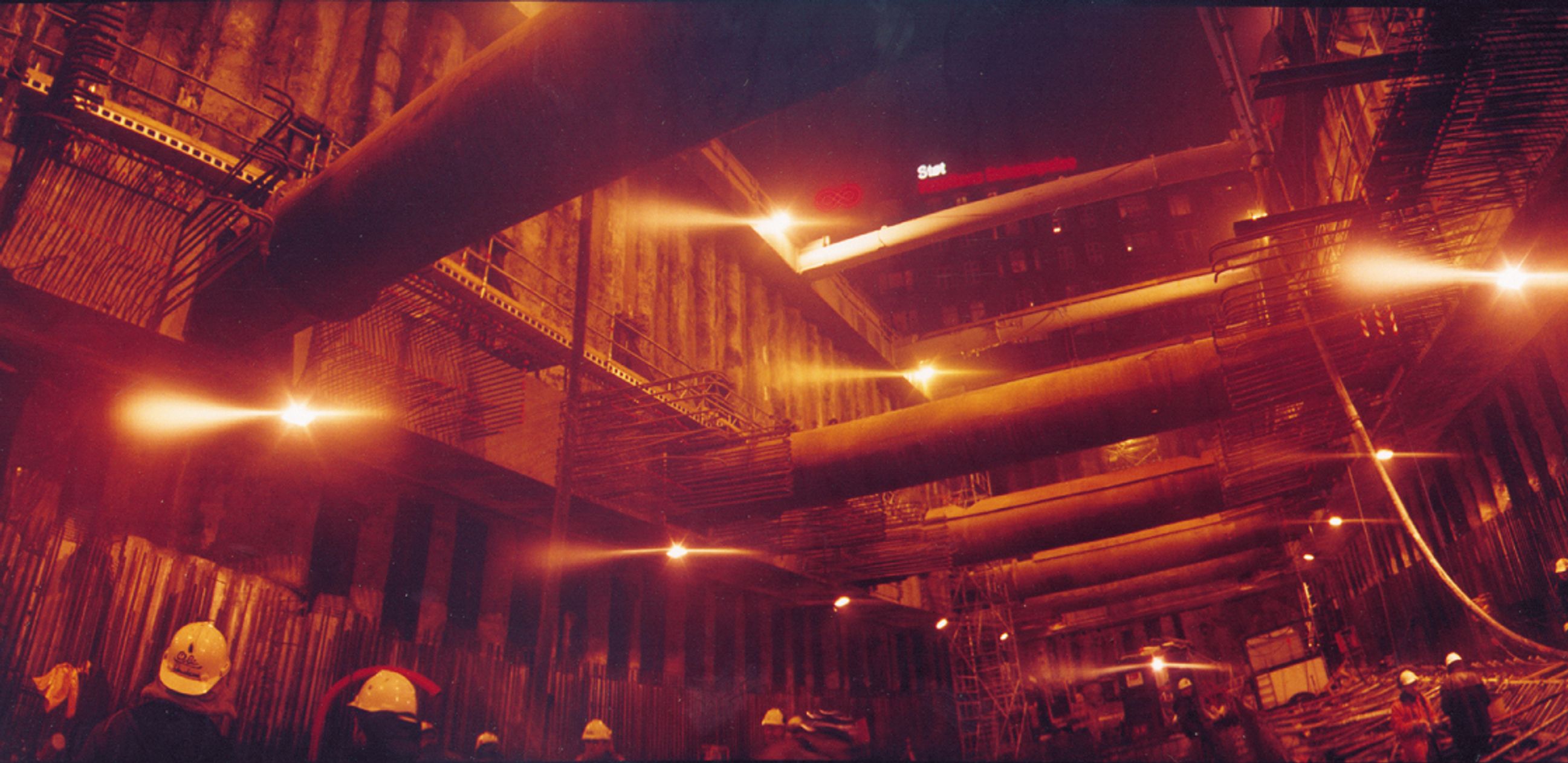
Christianshavns Metro
- ArchitectKHR Architecture
- PhotographerAdam Mørk, Bent Rybergl, Emil Lund Pedersen, Jacob Laursen and Ole Meyer
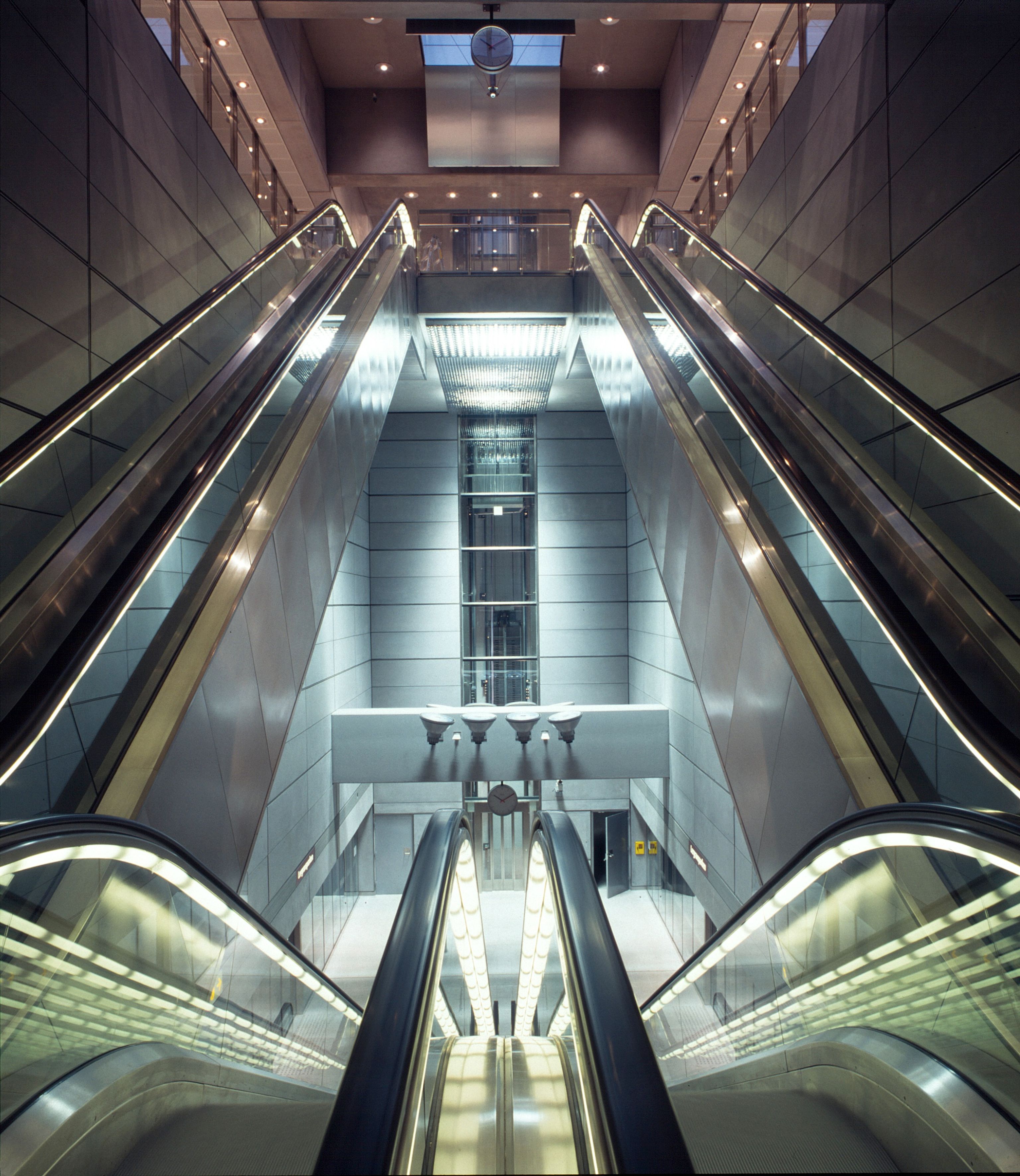
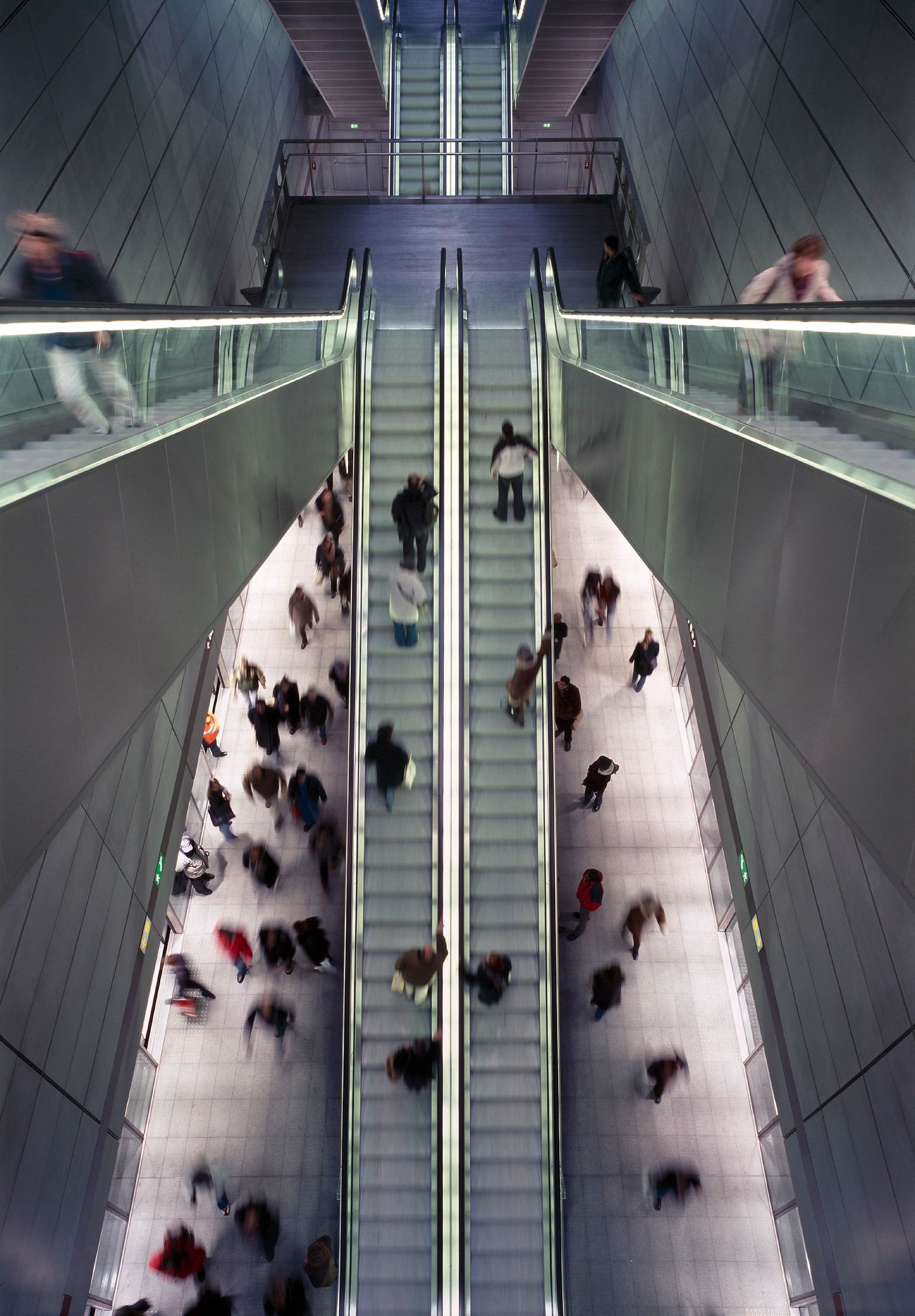
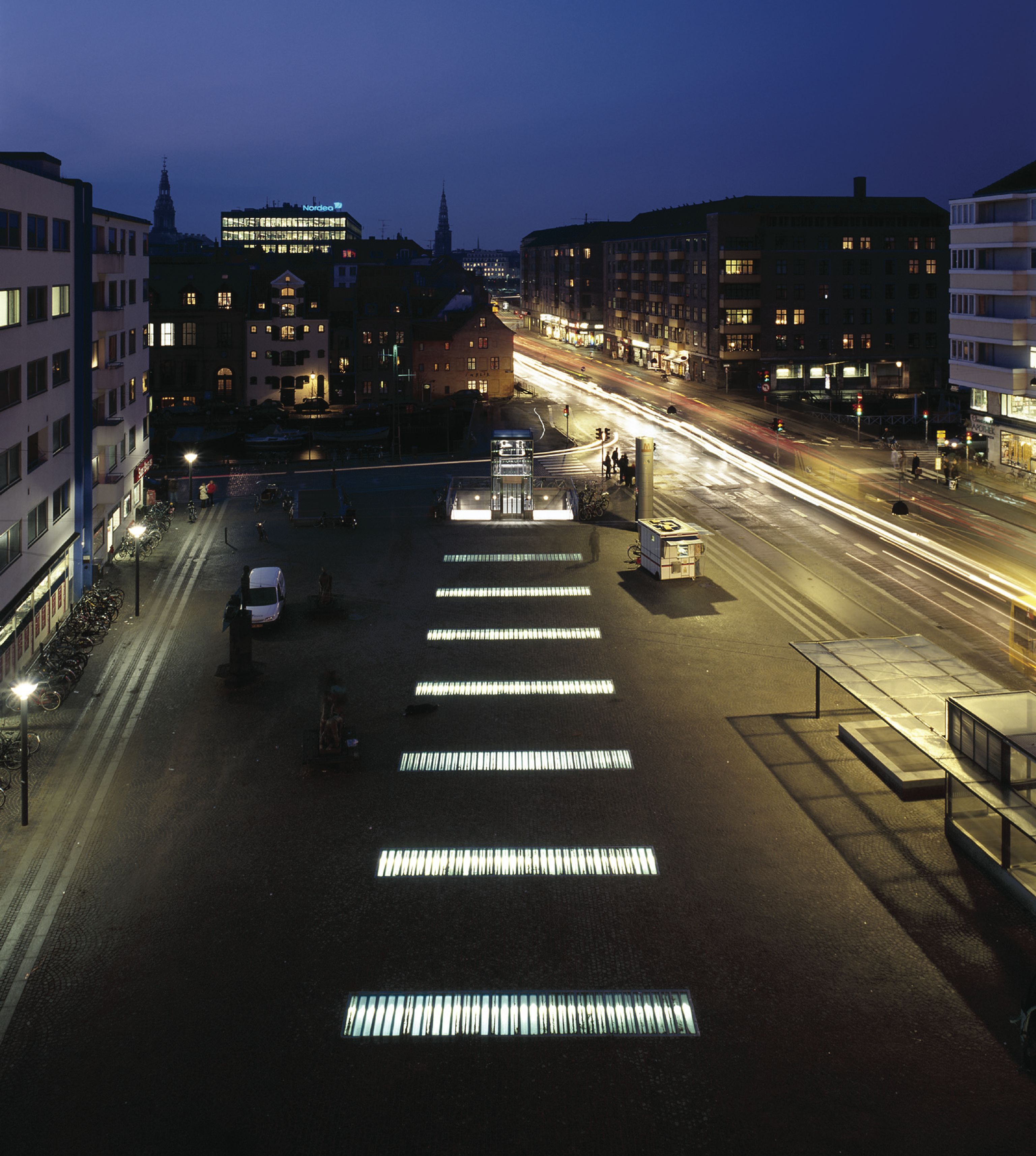
Frederik Gustav What makes the station special to us is the clear transition from the chaos of the square above to an underground space that, during quiet hours, can feel almost ceremonial and, during rush hour, entirely mechanical. The architecture guides movement through light and spatial gestures. It is sensorial infrastructure.

Christianshavn Metro Station: Urban History and Context
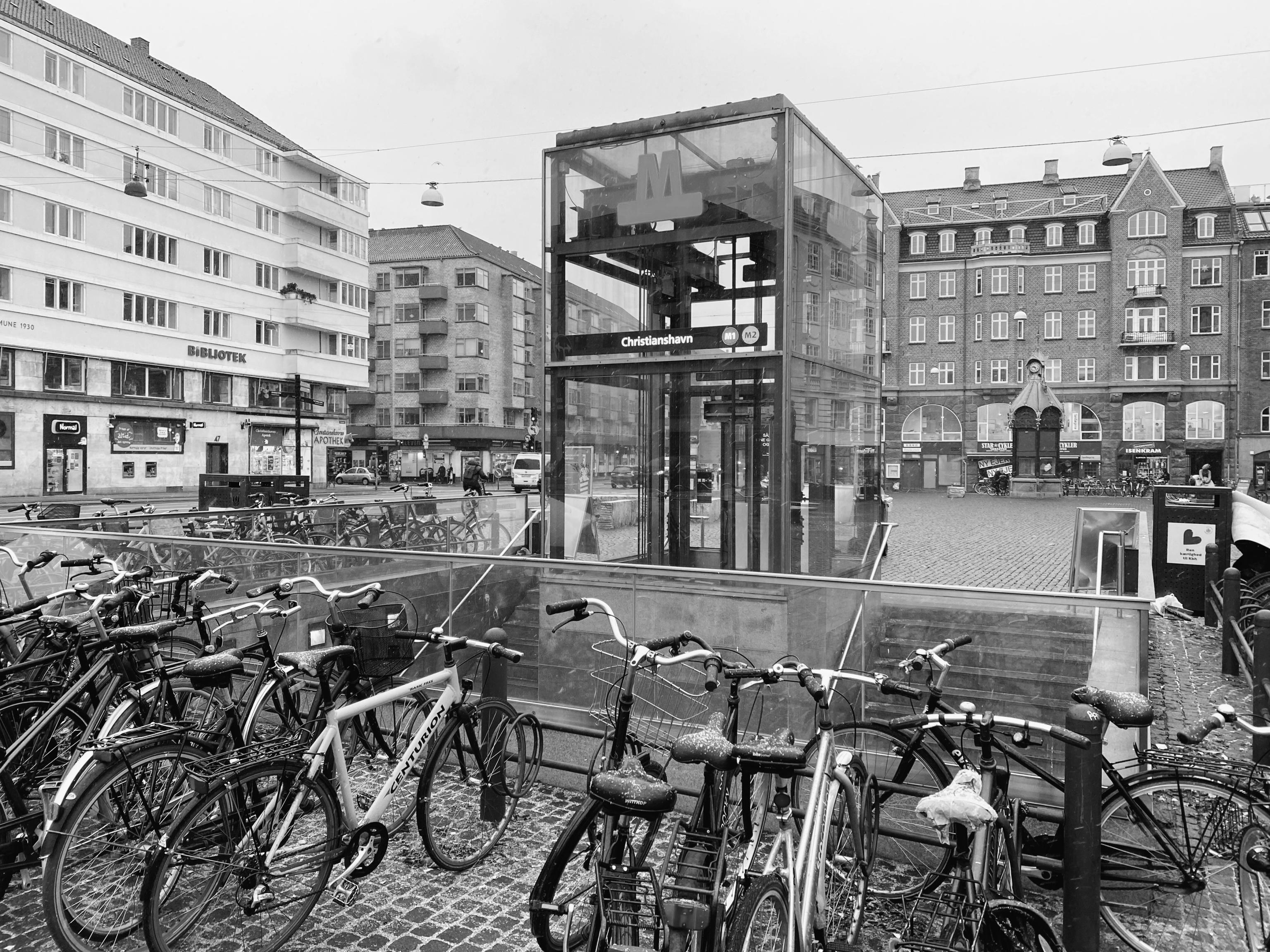
Located beneath Christianshavns Torv, Christianshavn Metro Station is embedded in one of Copenhagen’s most historically layered neighbourhoods. The district itself was founded in the early 1600s by Christian IV of Denmark as a fortified trading town positioned between the inner city and Amager. Canals were introduced to mirror Dutch mercantile cities, and today they remain the defining spatial character of the area, framed by houseboats, cafés, and narrow streets that preserve a distinctly maritime atmosphere. The station therefore operates in dialogue with a place where history, water and urban life overlap, acting as a modern infrastructural layer beneath a centuries-old urban landscape.

The Metro as Urban Connector
Opened in 2002 as part of Copenhagen’s first automated metro network, the station serves lines M1 and M2, functioning as a branching node that links the city centre, Amager, and the airport. The metro system represents a deliberate urban strategy in which dense historical city fabric is protected by moving mass transit underground rather than expanding surface infrastructure. Copenhagen’s choice of metro over cheaper surface solutions reflects the city’s prioritisation of public space, pedestrian life and compact urban form. Today the station handles roughly 14,000 daily passengers, making it one of the busiest transport points in the district and an important gateway for both commuters and tourists visiting nearby cultural sites such as the alternative community of Christiania and the iconic church tower of Vor Frelsers Kirke.

Minimalist Infrastructure and Architectural Thinking
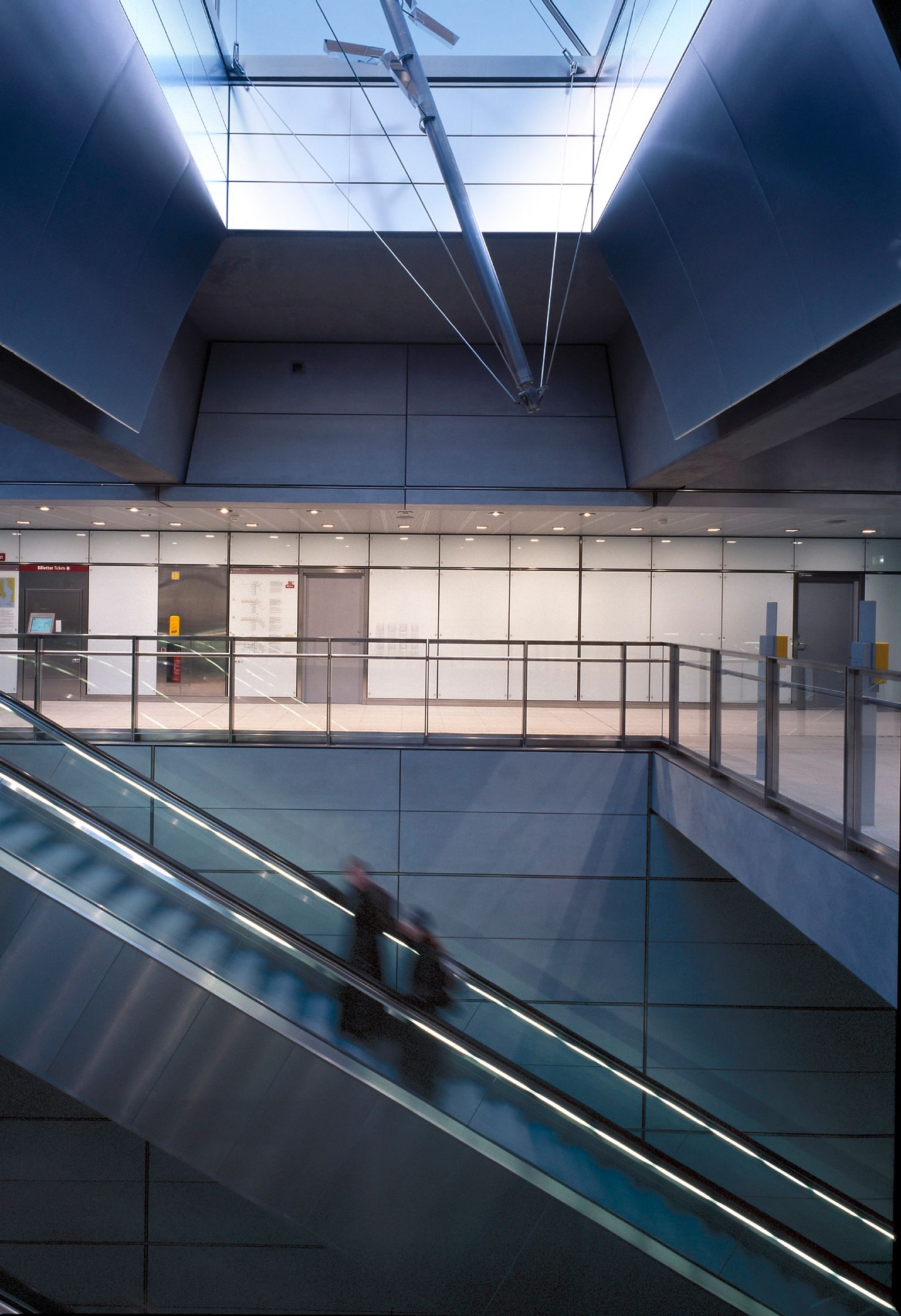
The design of Christianshavn Metro Station was developed by KHR Architecture, an office known for user-centred and contextually grounded architecture. Their philosophy is rooted in the belief that infrastructure should solve technical challenges while simultaneously shaping meaningful spatial experiences. The station expresses a Scandinavian minimalist language characterised by light surfaces, clear geometry and generous visual overview. Underground spaces are softened by skylights that channel daylight from the square above, reflecting the firm’s long tradition of combining engineering precision with architectural clarity. Materials such as tile-clad walls, concrete structures and glass safety screens support durability, safety and acoustic control in the humid harbour-adjacent environment.

Movement, Safety and Passenger Experience
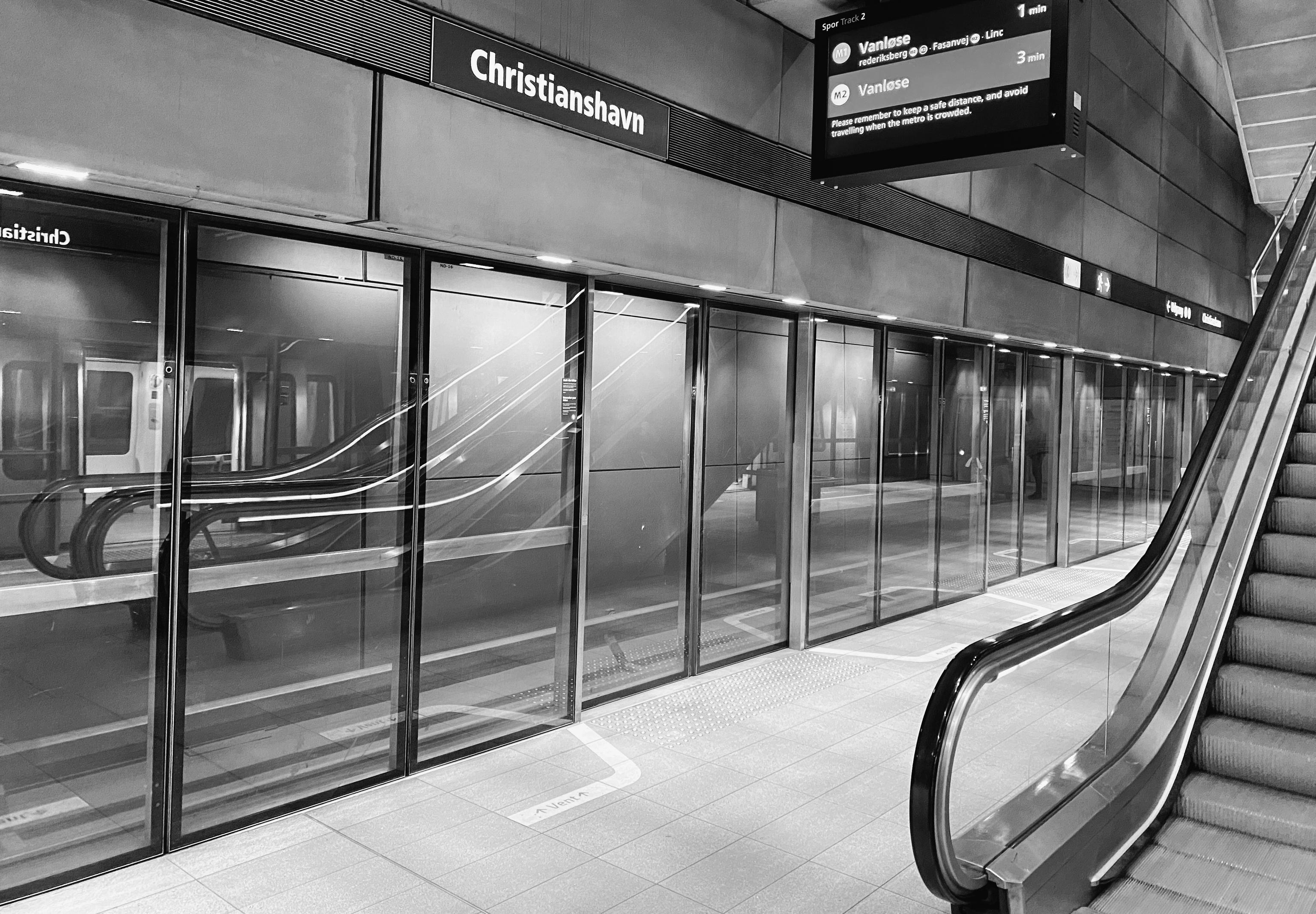
The station is designed around the idea of short, efficient stays. Platforms are kept open and legible, allowing passengers to move quickly through the space as trains arrive every two to four minutes during peak hours. Driverless metro technology enables high-frequency service, while platform screen doors and controlled circulation improve safety. The spatial strategy follows a philosophy of transparency and orientation rather than enclosure; there are few hidden corners, and circulation is intuitive. This approach reflects a broader Scandinavian tradition where public transport is conceived as part of everyday civic life rather than merely technical infrastructure.

Future City and Continuous Expansion
Christianshavn Metro is part of Copenhagen’s long-term metropolitan transformation, where underground transport enables urban growth without sacrificing historic streetscapes or waterfront identity. The station is connected to the wider metro network including the Cityringen, and future expansions toward Nordhavn and Sydhavn are expected to strengthen the city’s circular mobility structure. The project reflects KHR Architecture’s broader mission of creating architecture that “unlocks the full potential” of each project by combining user understanding, technical expertise and contextual sensitivity. In this sense, the station is not only a transport facility but also a quiet urban mediator between Copenhagen’s historical past and its evolving metropolitan future.