
Gaia Squarci
Buhe Festival in Ethiopia
- PhotographerGaia Squarci
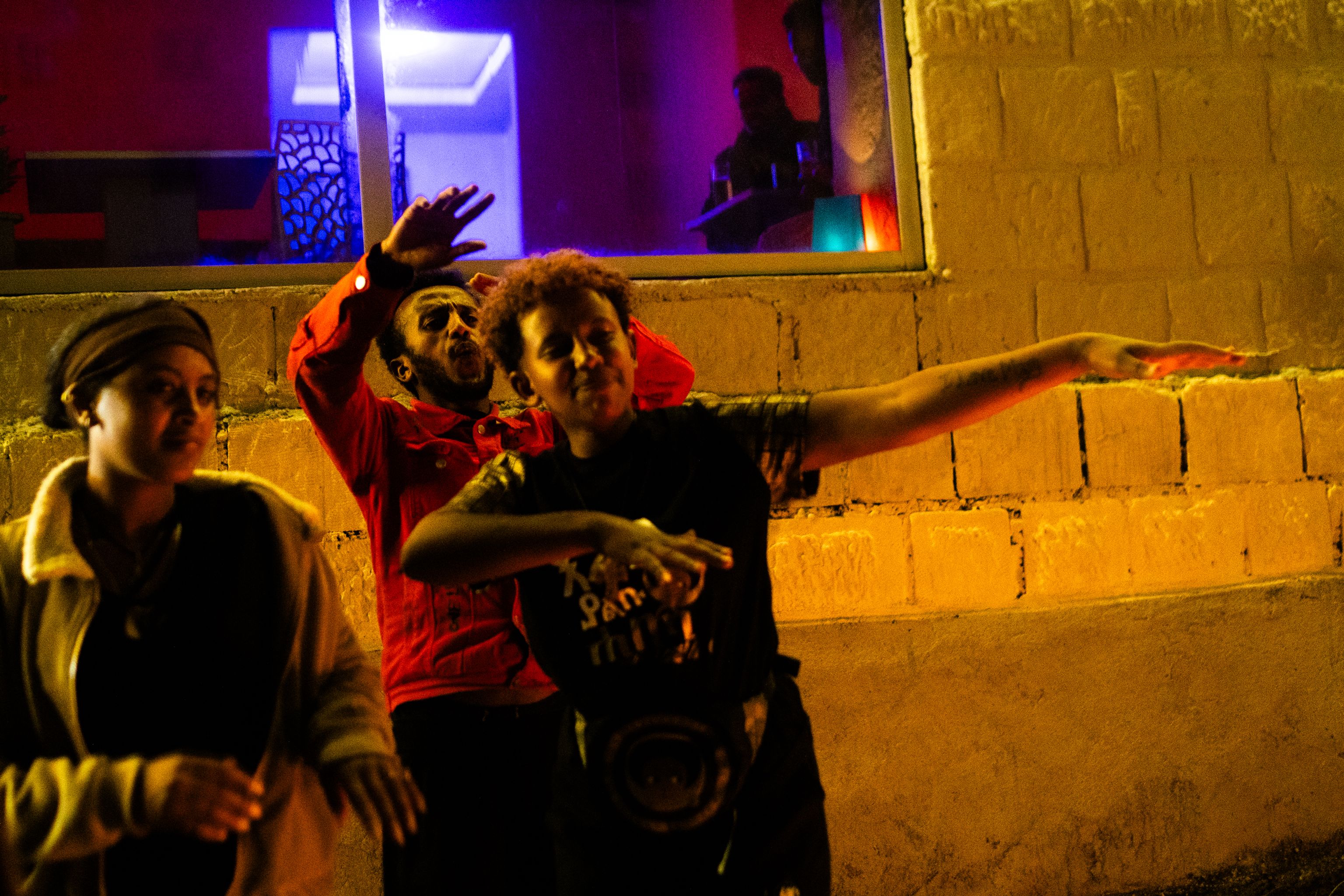
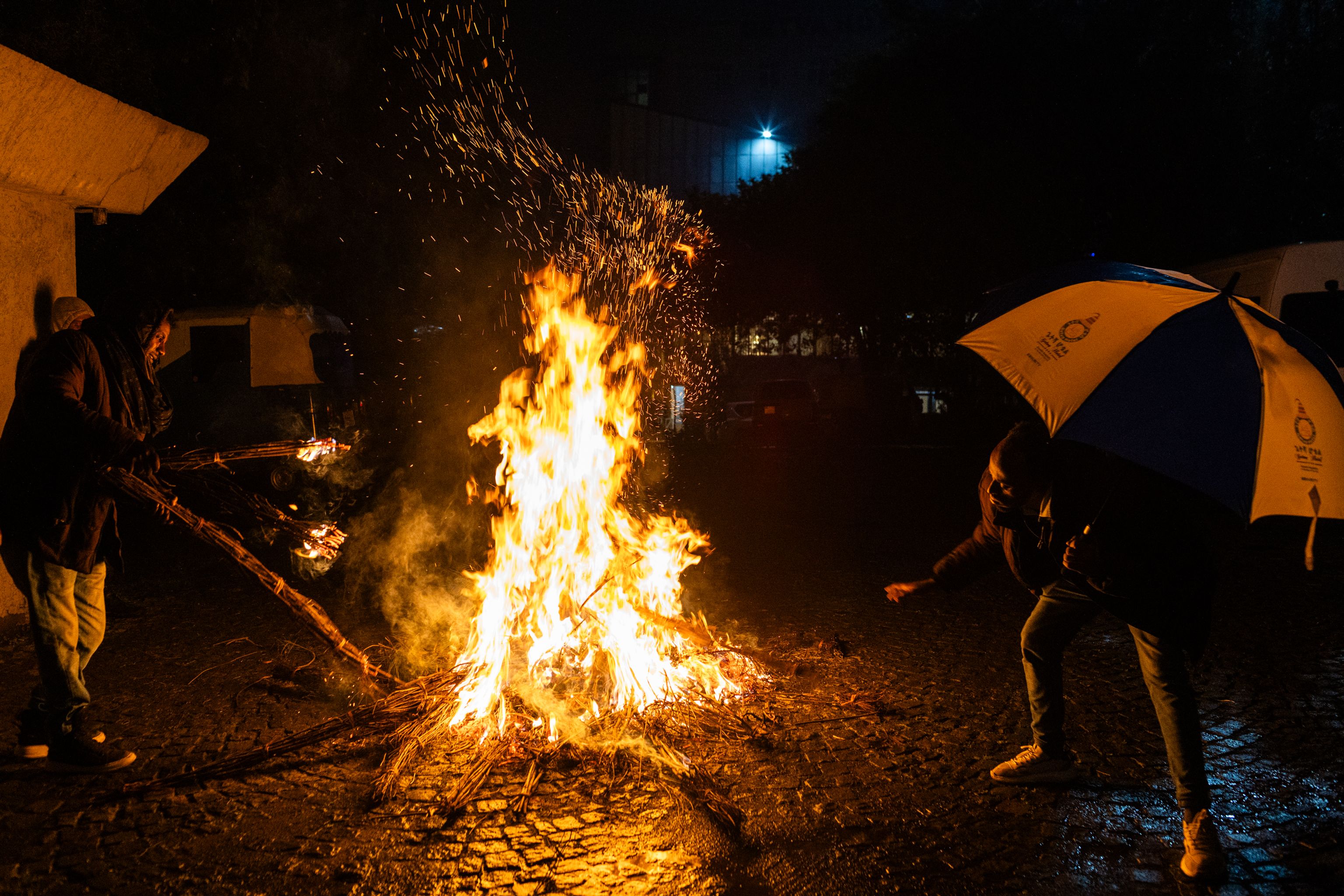
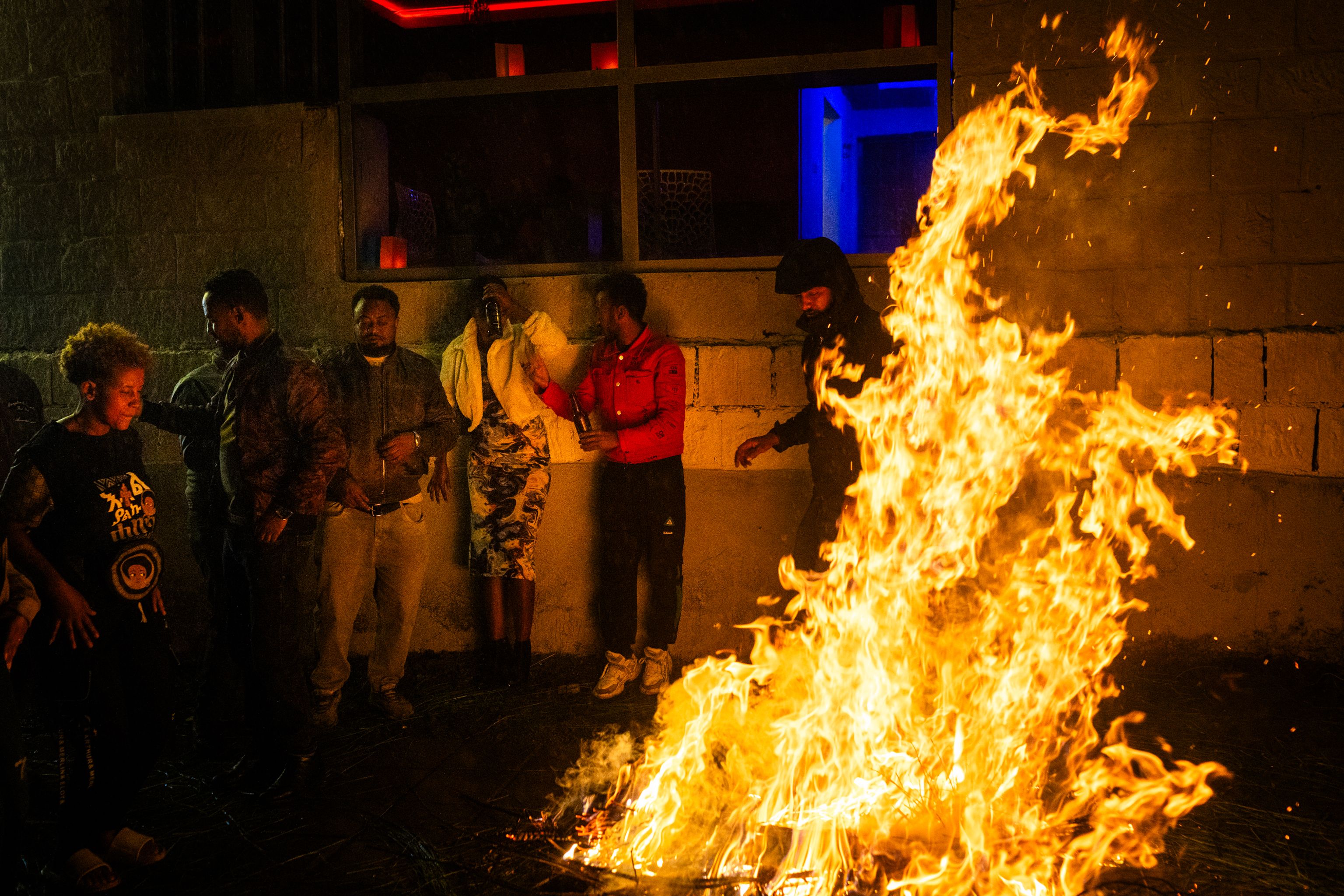
Thelonious Stokes I was in Addis during Buhe in 2025. Another spirit, connected, rooted. Fires all around. Everyone outside.
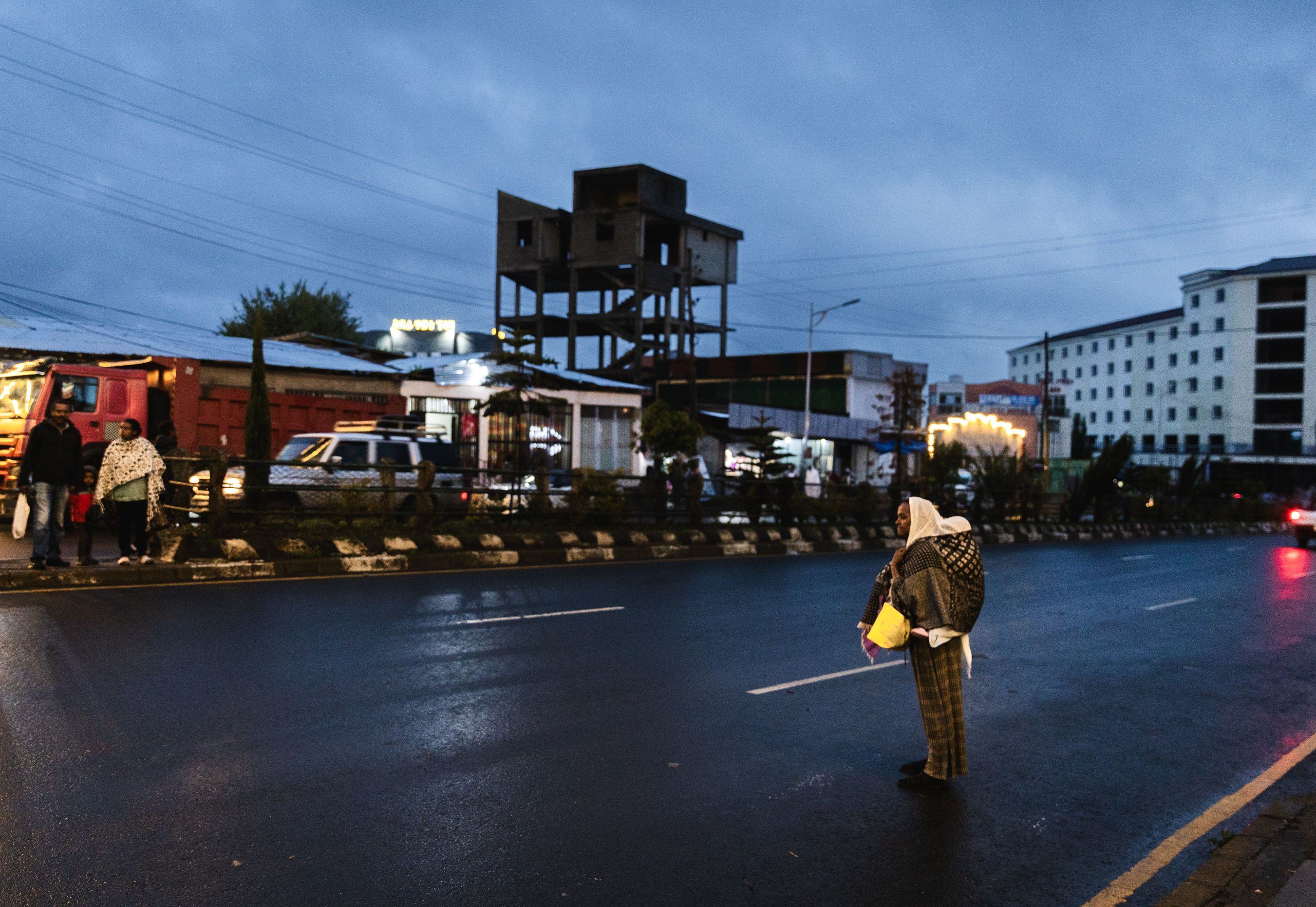

Fire as Sacred Light
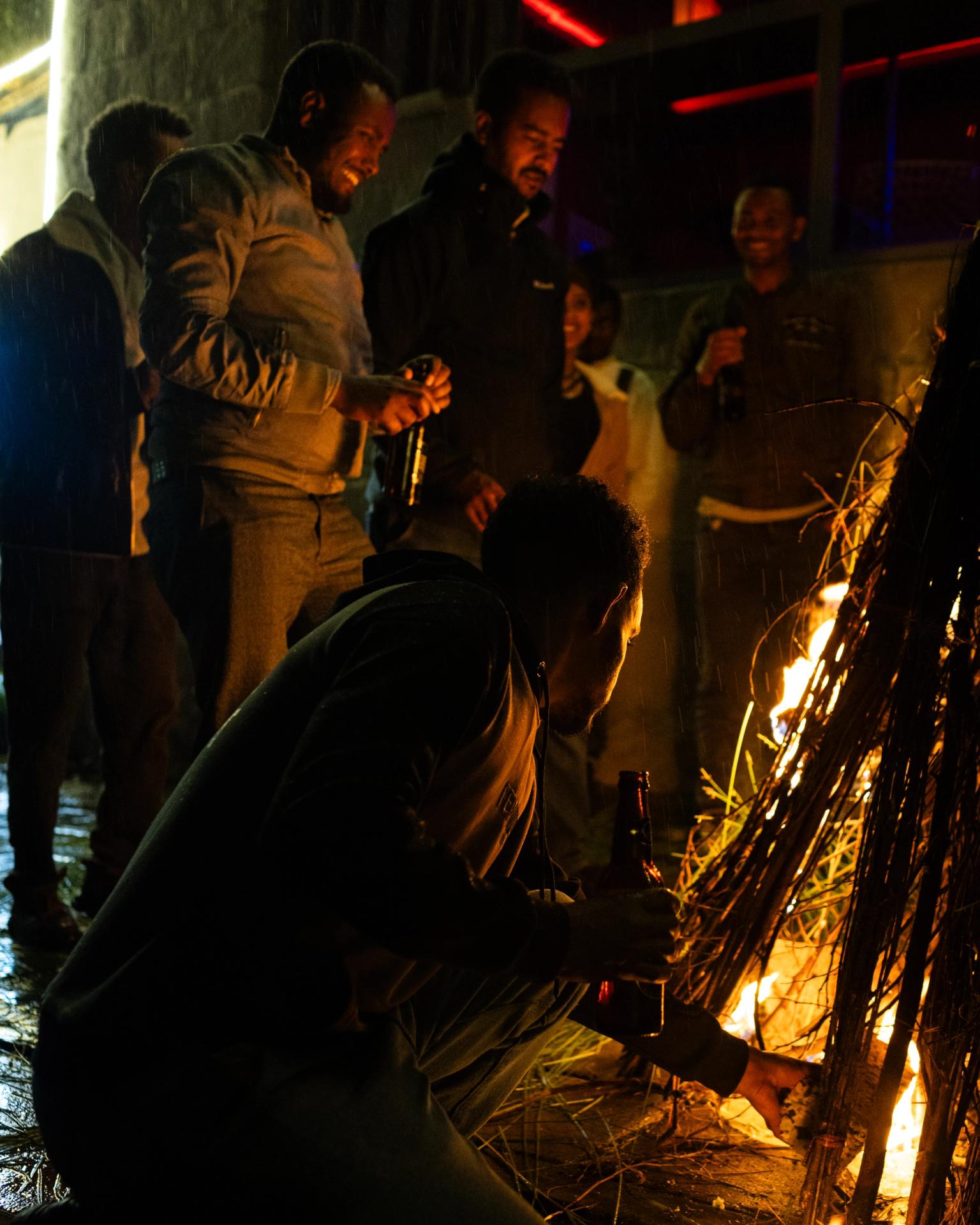
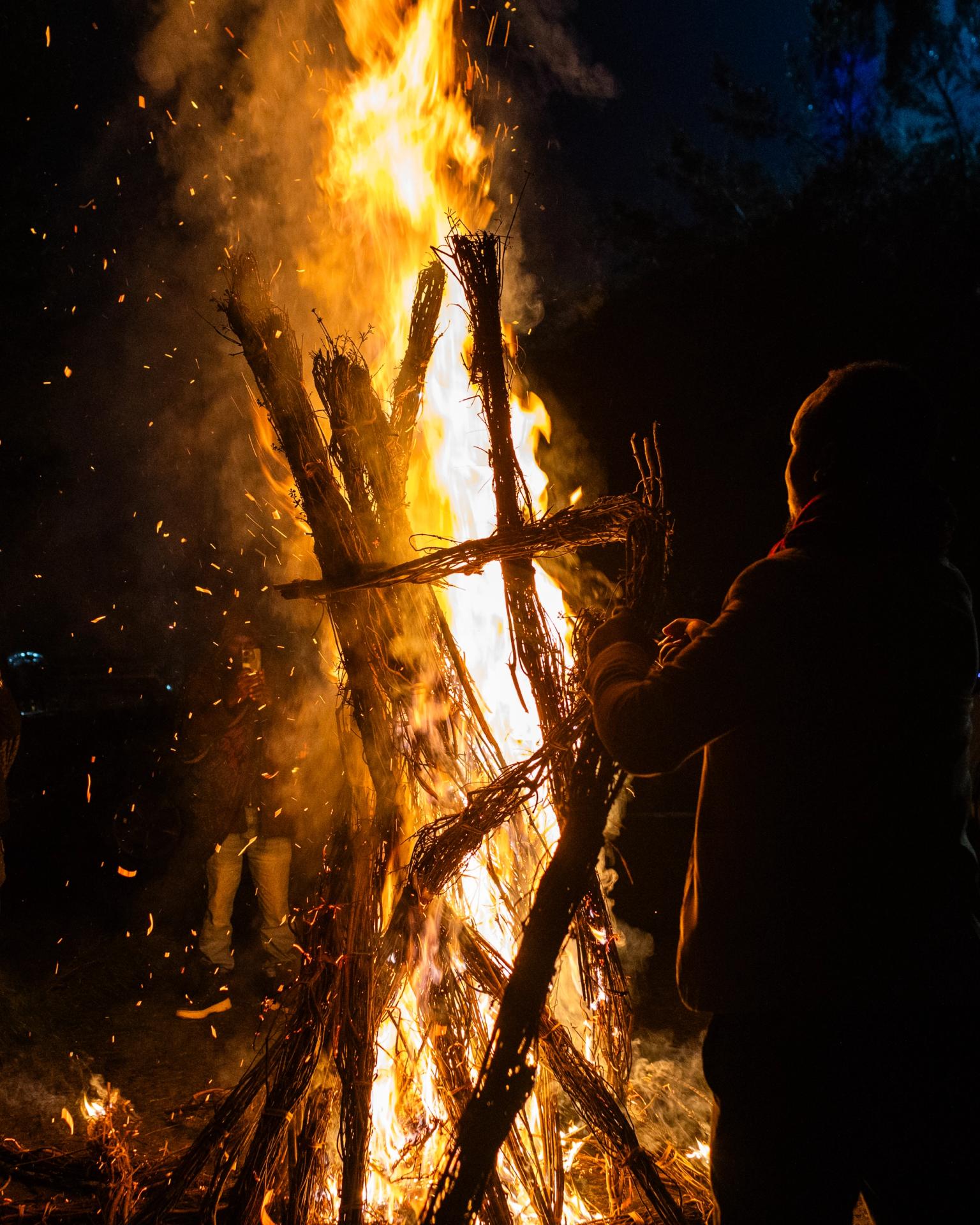
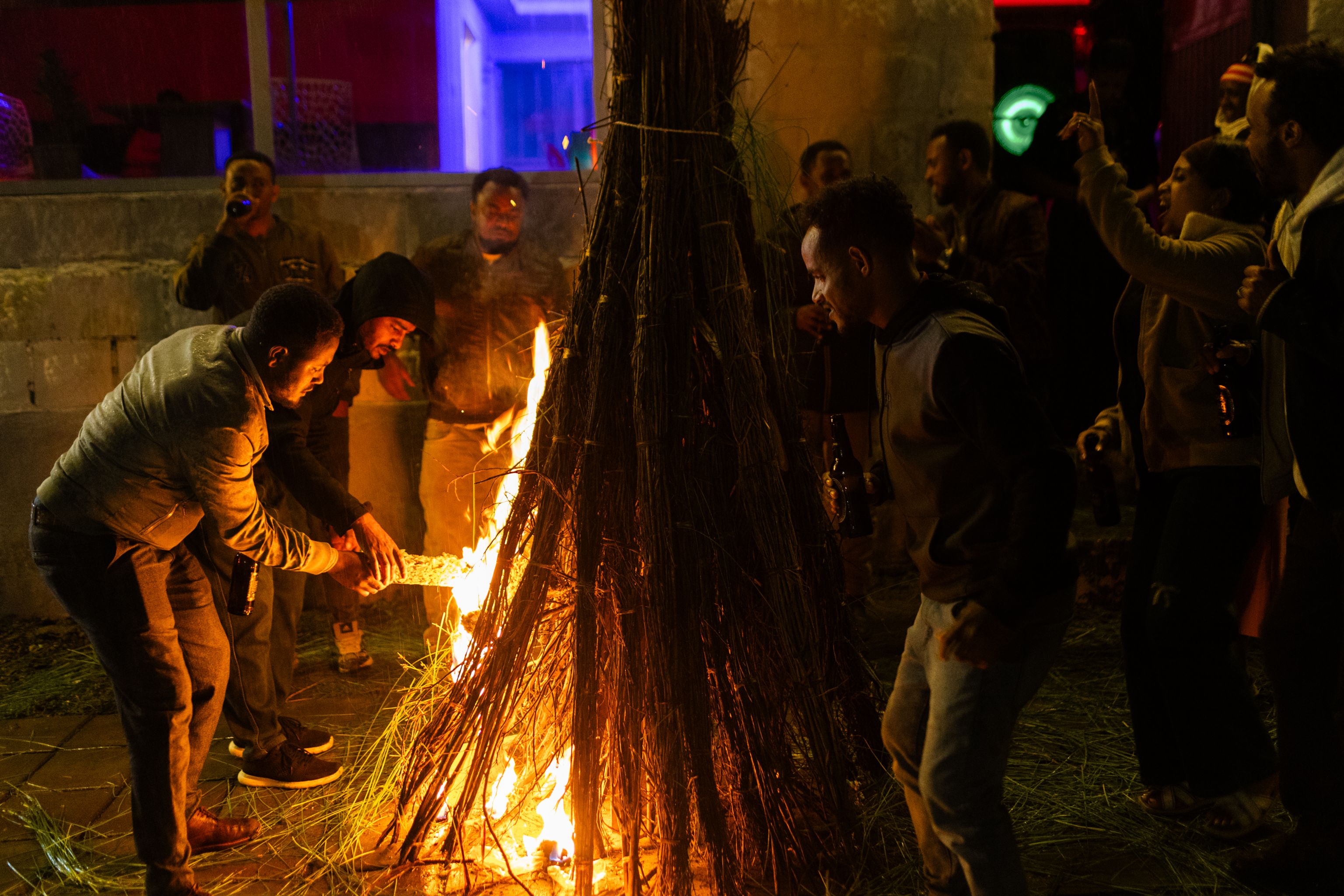
Ethiopian Orthodox Tewahedo Church and Eritrean Orthodox Tewahedo Church celebrate Buhe on August 19 as a commemoration of the Transfiguration of Christ on Mount Tabor. At the heart of the festival lies the ritual of fire, expressed through chibo - bundles of sticks gathered by neighbourhoods and ignited on the eve of the celebration. The rising flames function as a symbol of divine light, purification, and the promise of brighter days after the long rainy season. Across towns and villages in Ethiopia, the glowing fires transform night into a communal landscape of warmth and spiritual resonance.

Community Rituals and Collective Voice
Buhe is as much a social celebration as it is a religious observance. Children and young boys move through neighbourhoods singing the traditional “Hoya Hoye” chant, a rhythmic call-and-response performance that carries echoes of oral heritage. The songs are performed outside homes as blessings are offered to families for the coming year. In return, households share small gifts, often freshly baked ring-shaped bread known as mulmul or small amounts of money. This circulation of song and hospitality reinforces community bonds, turning the festival into a living network of generosity, gratitude, and shared joy.

Food, Hospitality, and Everyday Sacredness
Food plays a central role in Buhe, where domestic ritual meets festive culture. Families prepare traditional bread and gather around coffee ceremonies that slow the pace of celebration into moments of conversation and care. Hospitality is not framed as an exceptional gesture but as a cultural ethic embedded in daily life. By offering food to children and neighbours, the festival expresses the Ethiopian understanding of social belonging - where spiritual celebration is inseparable from acts of communal nourishment.

Living Tradition Between Faith and Culture
Although rooted in the biblical narrative of Christ’s Transfiguration, Buhe has evolved into a broader cultural festival where religion, memory, and social life converge. The chibo fire symbolizes the eternal presence of light, while songs preserve intergenerational storytelling. Today, the festival continues to thrive in both rural and urban contexts, maintaining its role as a marker of seasonal transition and cultural continuity. For observers and participants alike, Buhe offers a glimpse into a living tradition where spirituality is experienced not through isolation, but through collective sound, flame, and community.