Claire Denis
Beau Travail
- DirectorClaire Denis
- CinematographerAgnès Godard
Luis Rojo Performance, masculinity, colonialism. Formal and sensory exploration. That final scene!

The Legionnaire’s Obsession: Plot and Characters
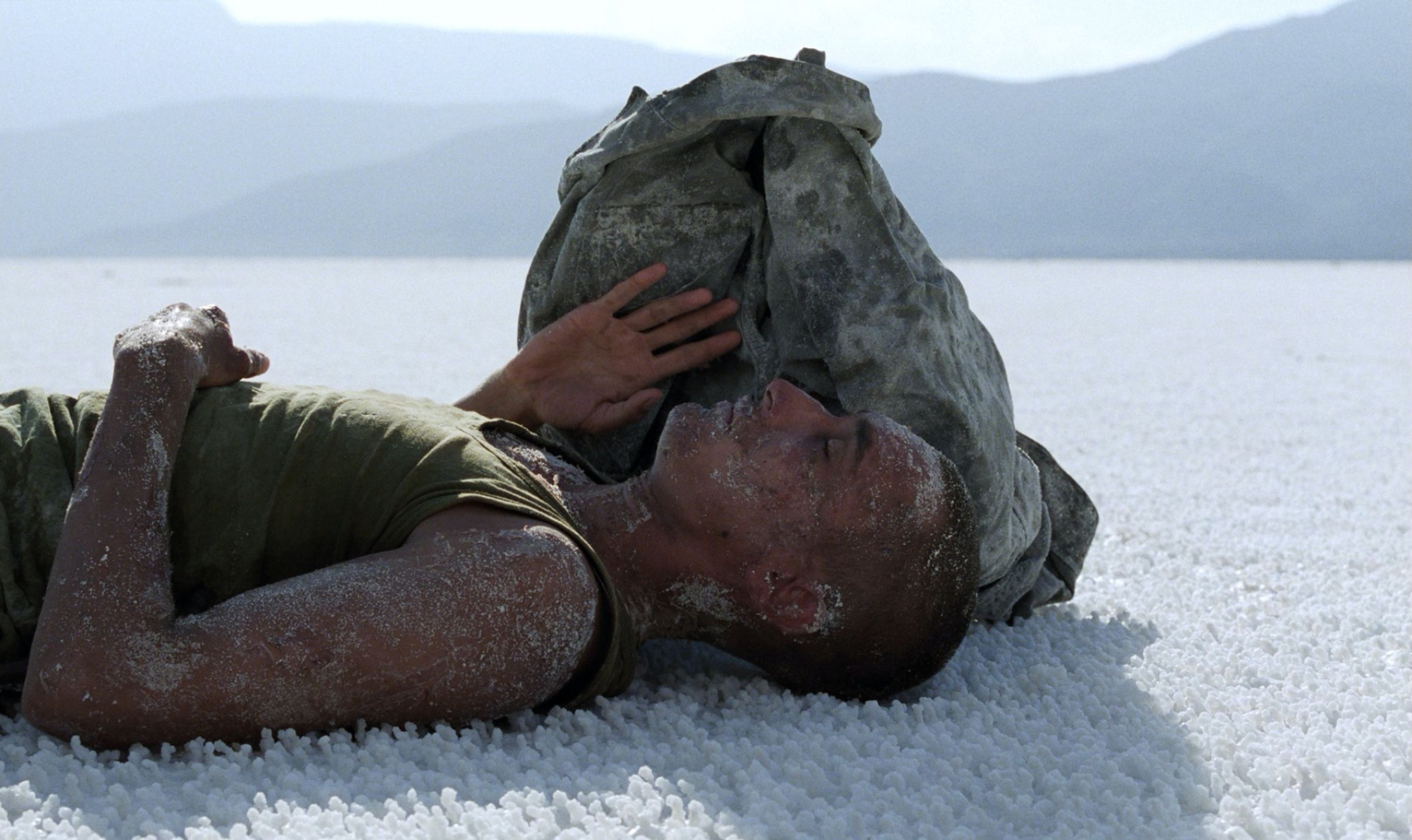
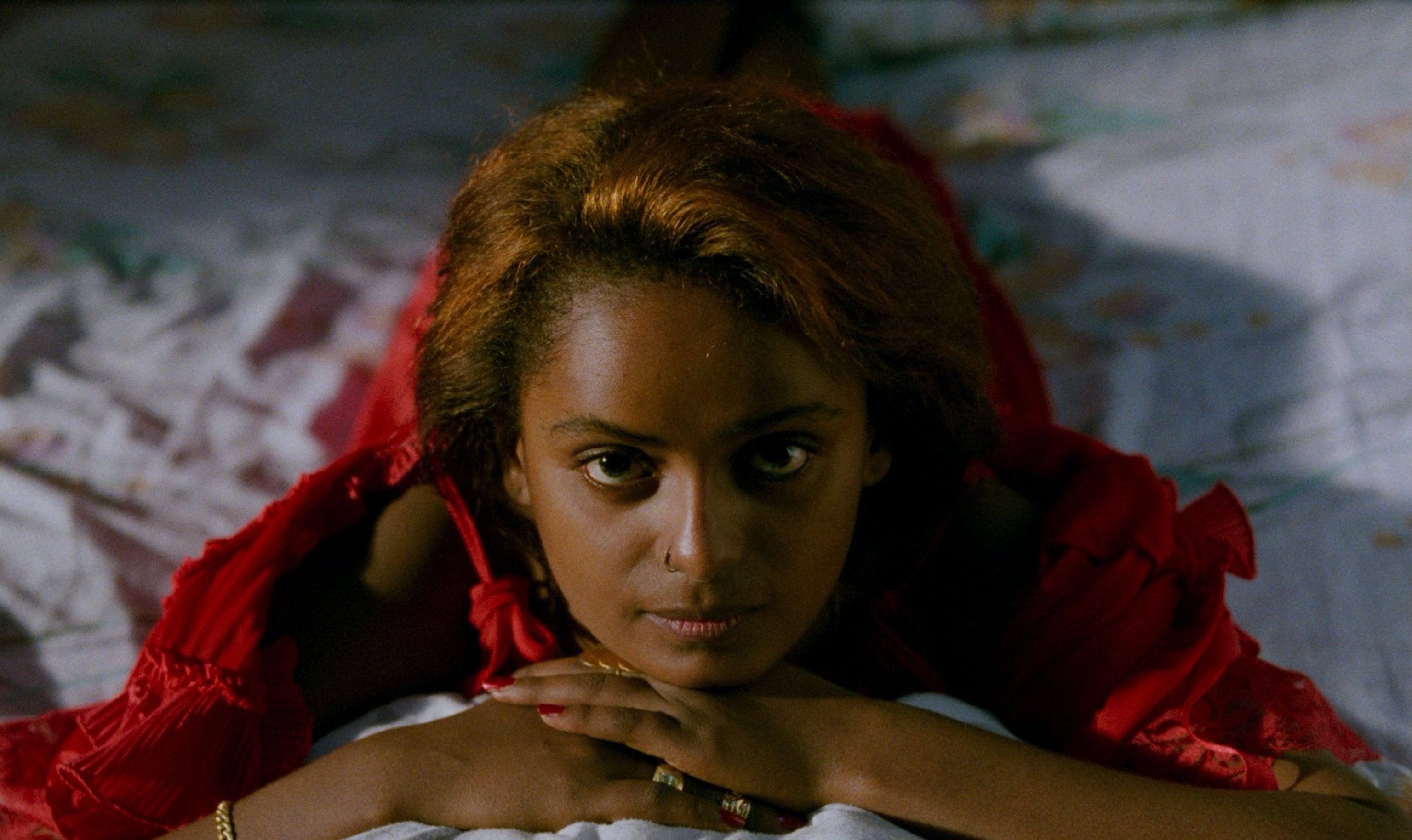
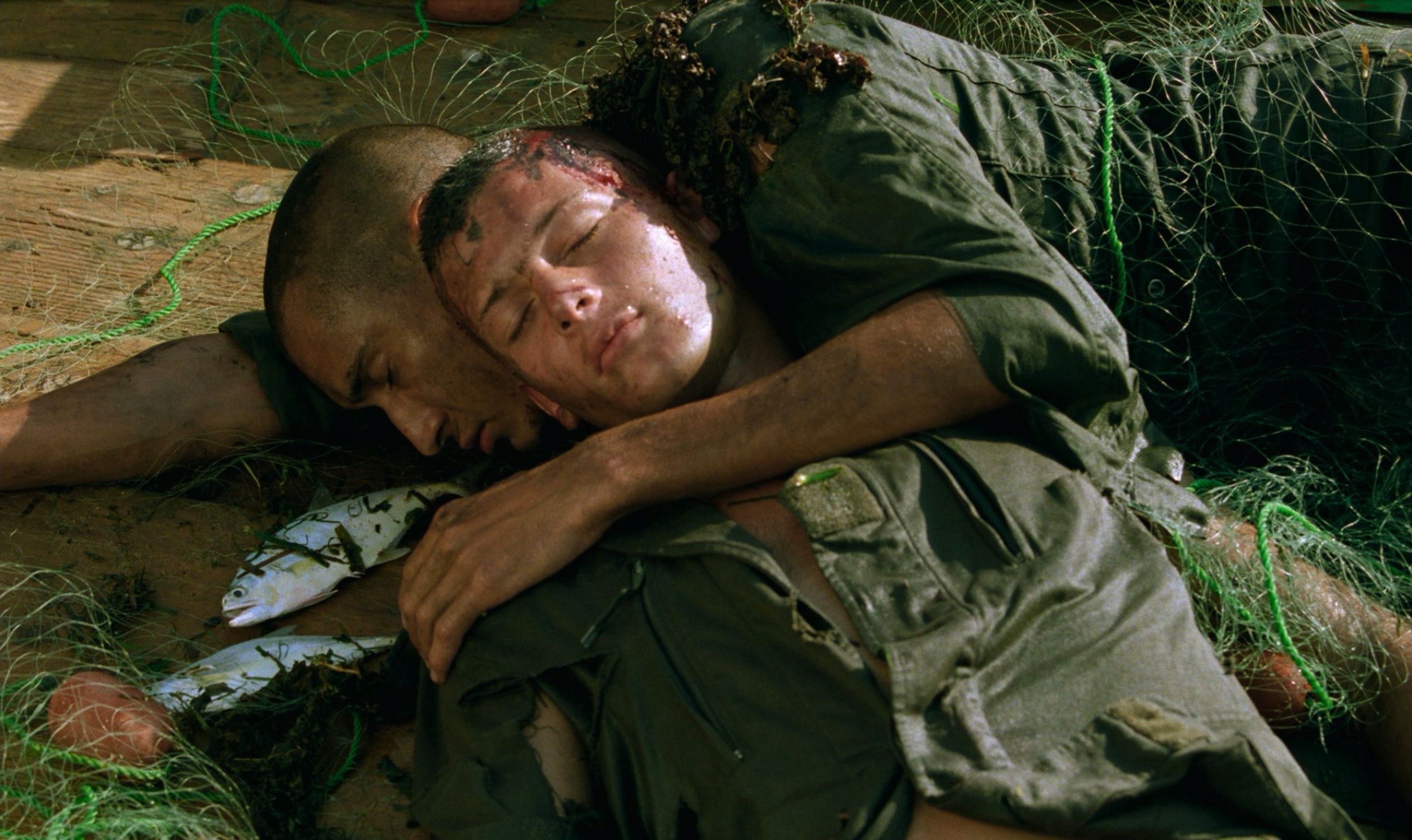
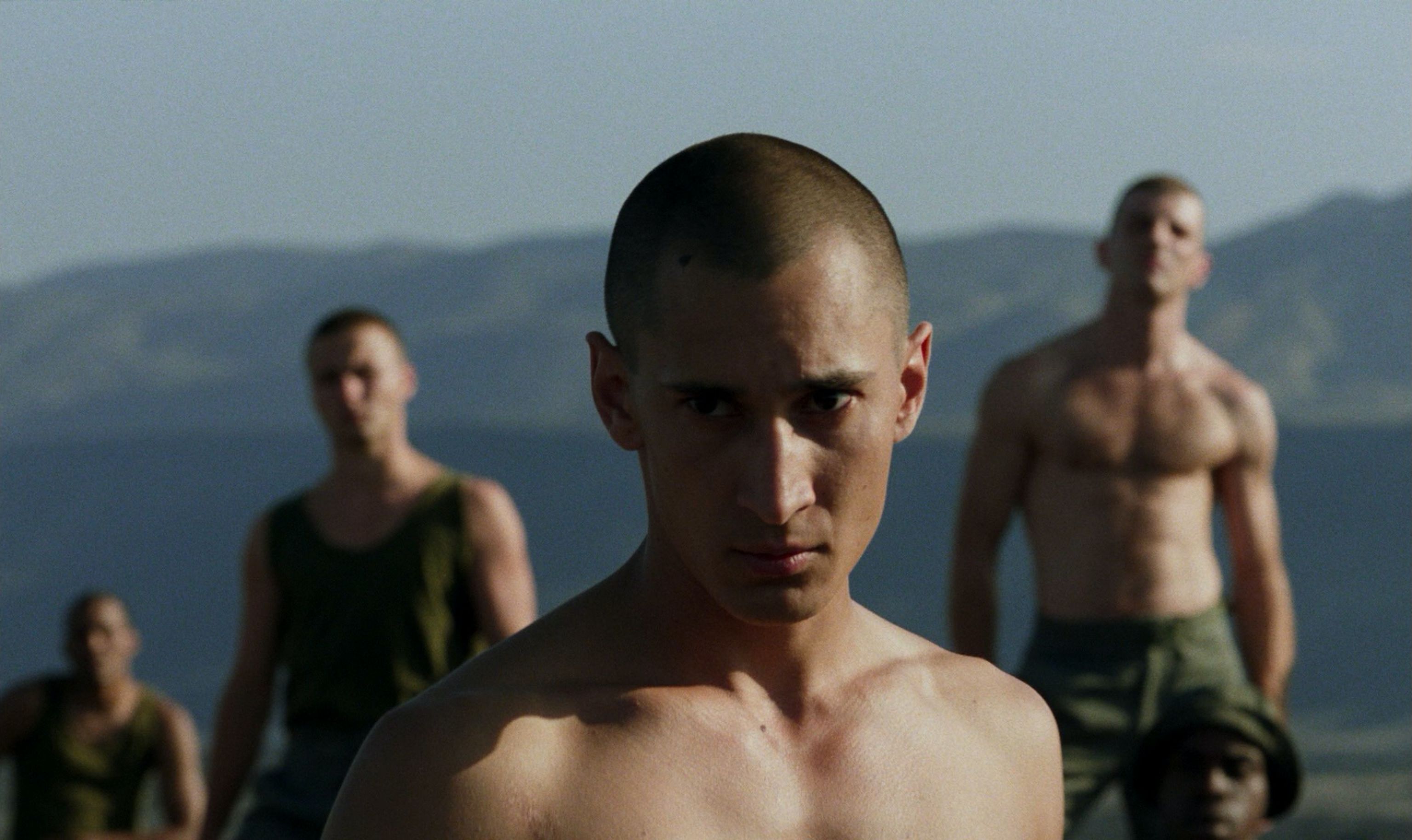
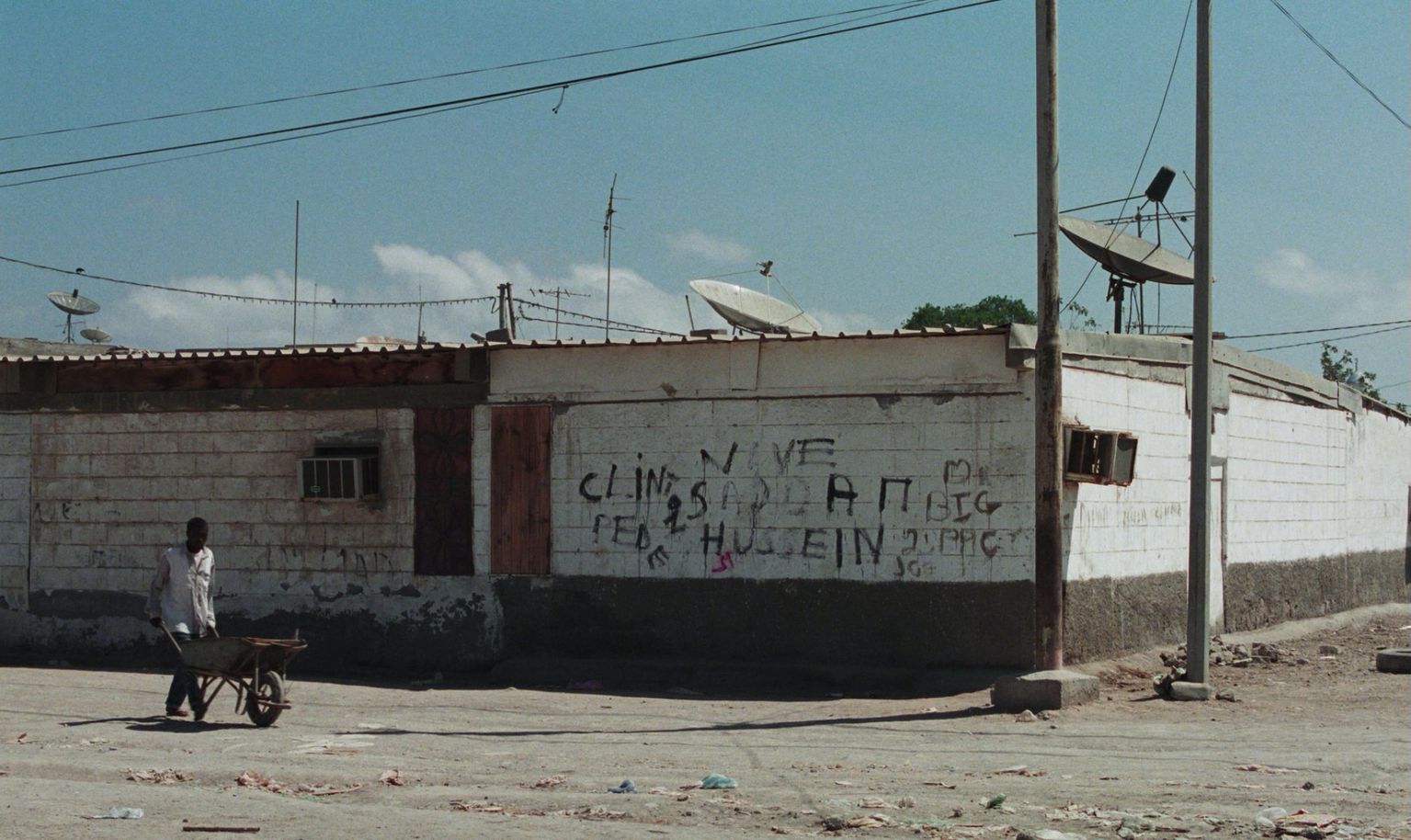
Beau Travail (1999) is Claire Denis’ masterpiece of sensuality, discipline, and psychological tension, set against the stark landscapes of Djibouti. Adapted from Herman Melville’s novella Billy Budd, the film tells the story of Adjudant-Chef Galoup (Denis Lavant), a devoted yet troubled officer of the French Foreign Legion. From his home in Marseille, Galoup recalls his time leading a section under Commandant Bruno Forestier (Michel Subor), a commanding figure he admires with a mixture of loyalty and envy. When the new recruit Gilles Sentain (Grégoire Colin) arrives, Galoup’s suppressed jealousy and obsession escalate, culminating in acts of sabotage that leave Sentain stranded in the desert.
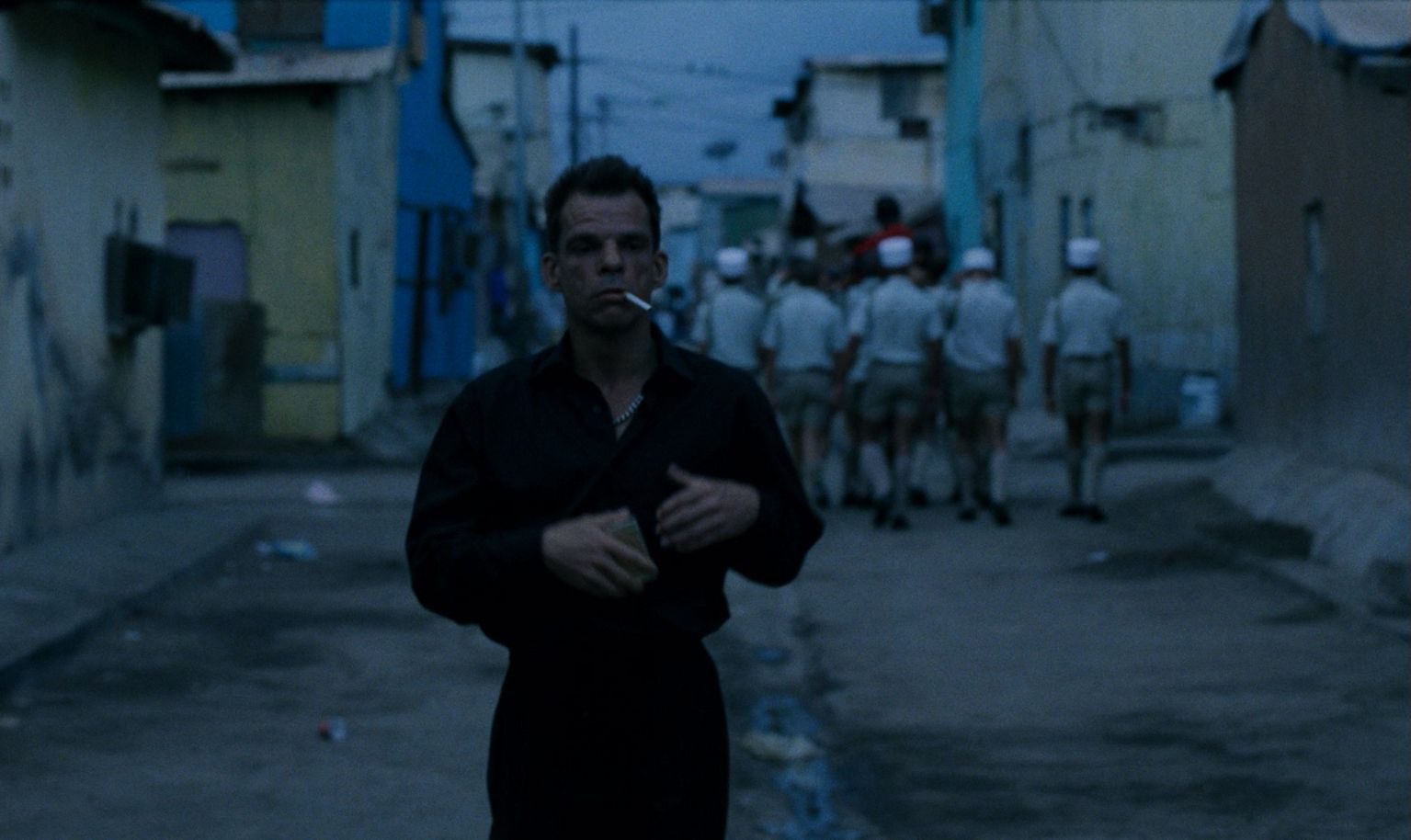
Galoup’s exile back to France for his transgressions marks the emotional and moral apex of the story, while his final nightclub dance sequence in Djibouti, where he moves alone amid mirrored lights to the beat of Corona’s “Rhythm of the Night,” transforms personal despair into a liberated, ecstatic, and almost transcendental physical expression. Beyond the plot, Denis’ narrative explores the unspoken rituals, hierarchies, and homoerotic undercurrents within the Legion, turning the soldiers’ every action into a stage for tension, desire, and discipline.

Cinematography and Choreography
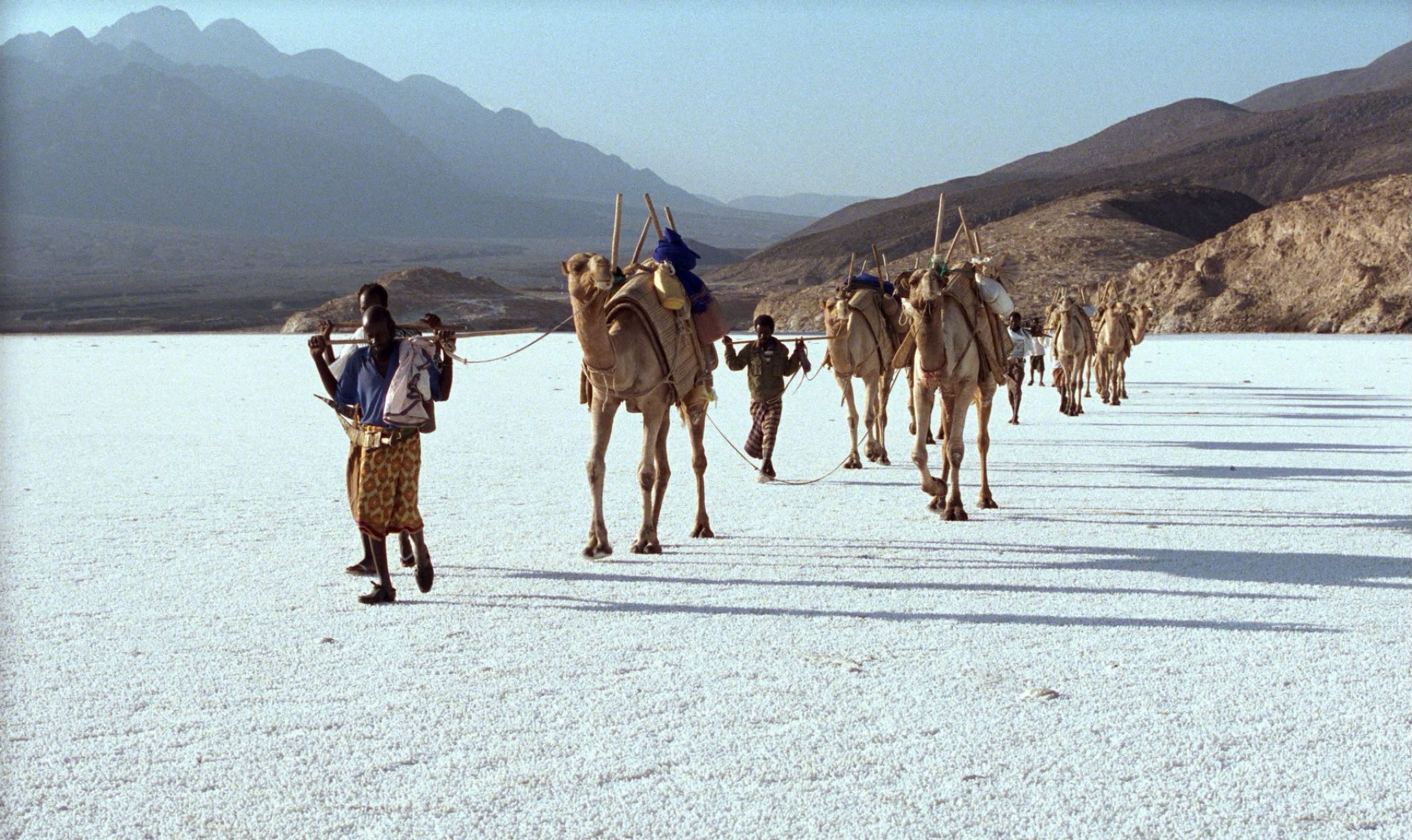
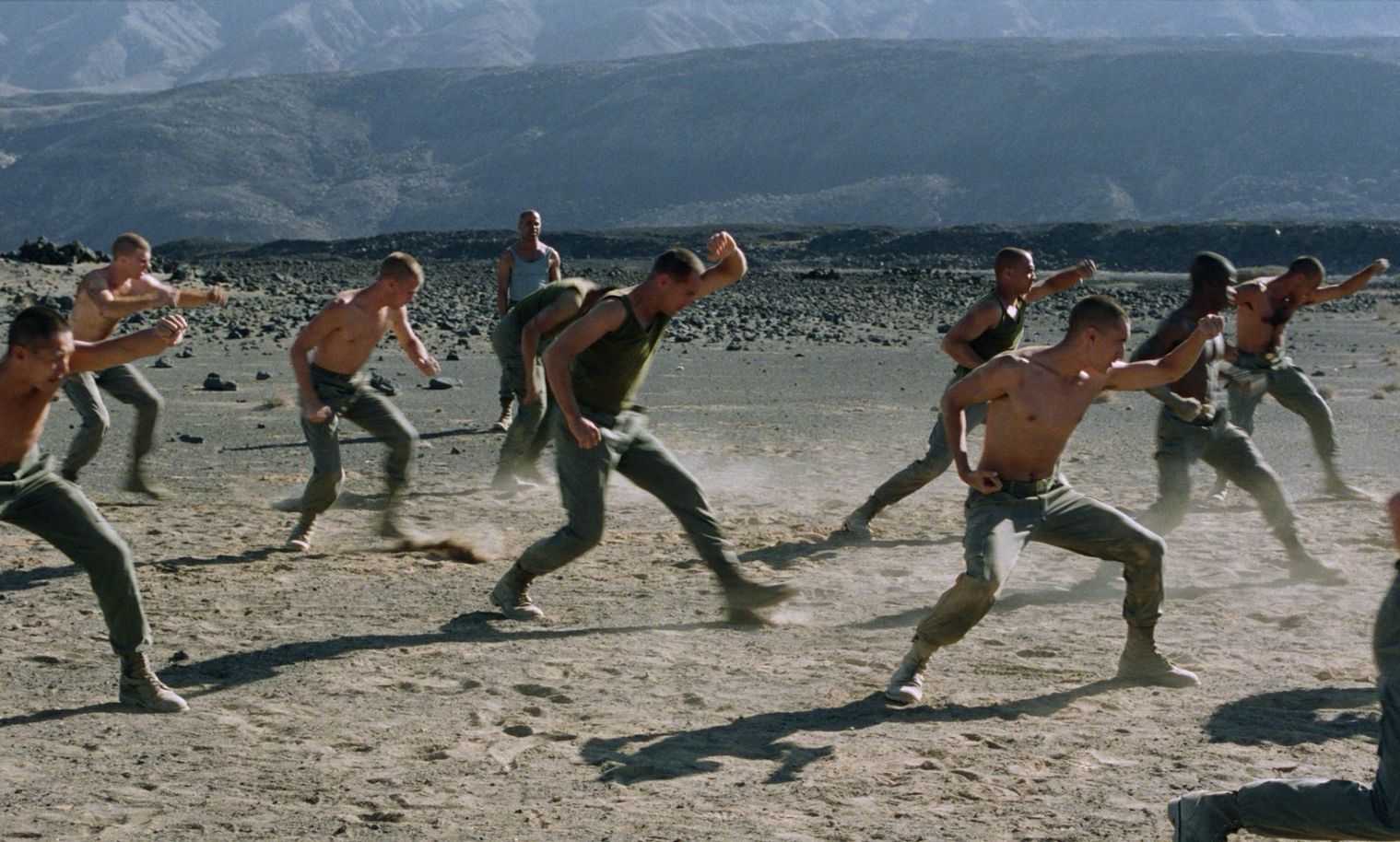
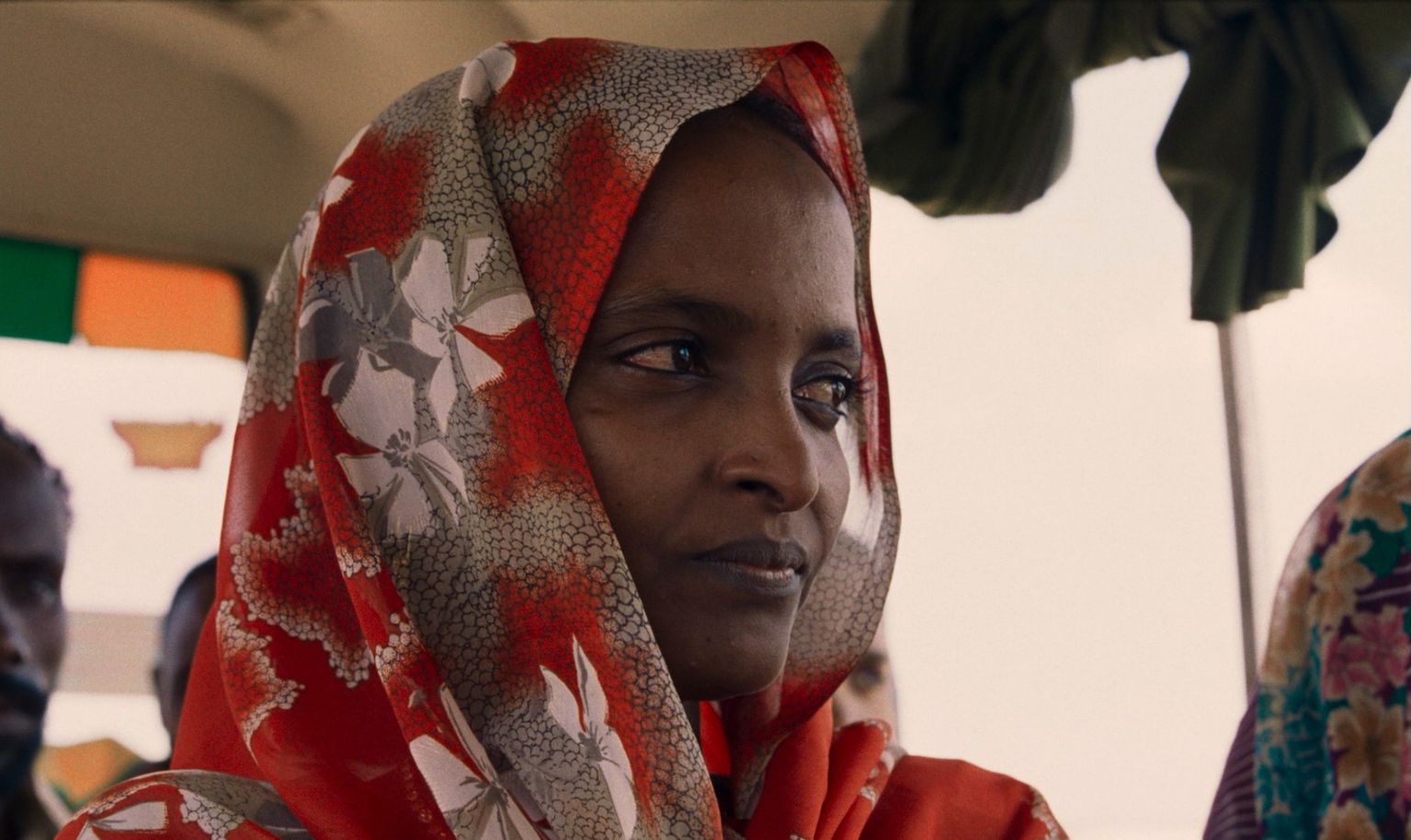
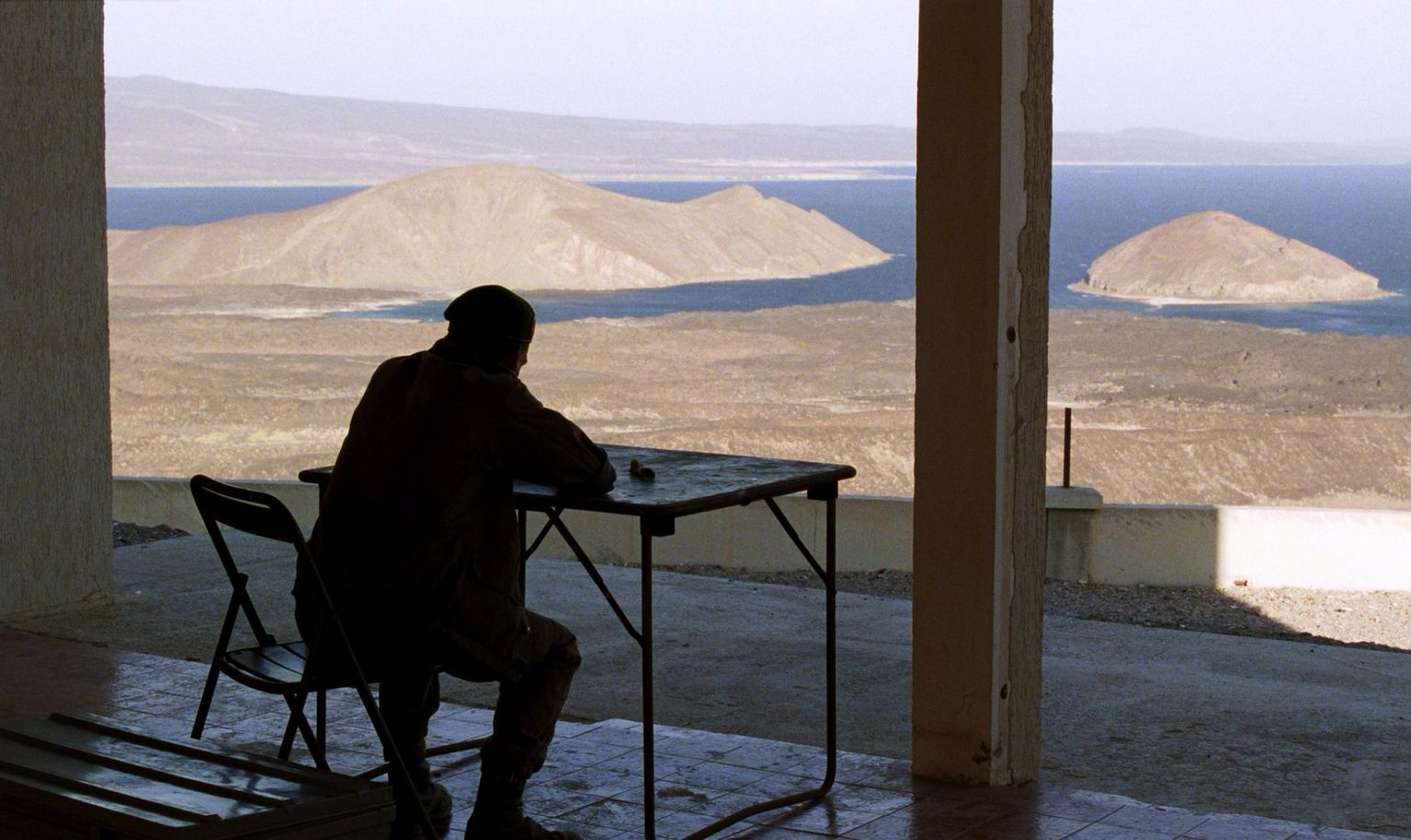
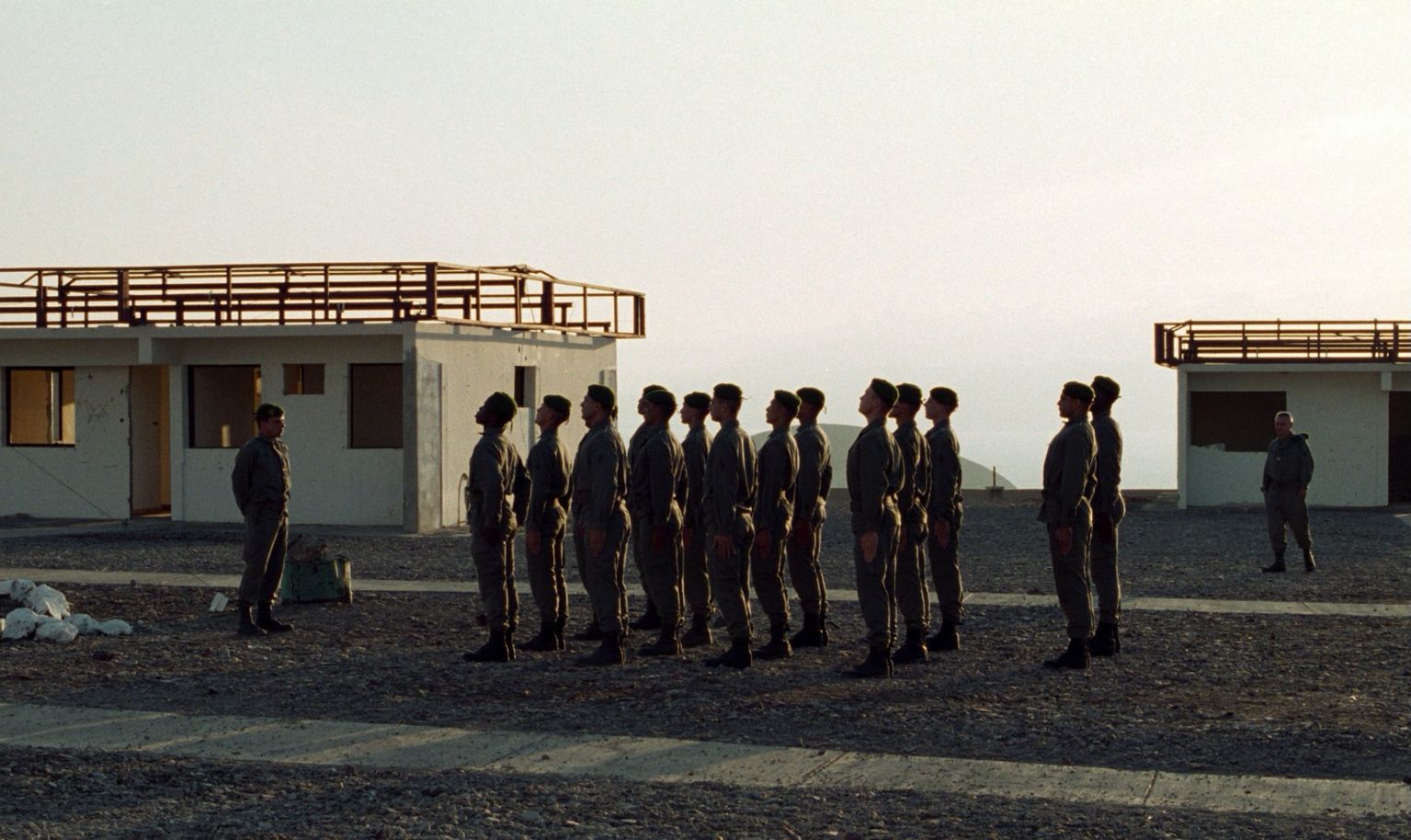
Agnès Godard’s cinematography elevates Beau Travail into an almost sculptural meditation on the human form. Sun-drenched deserts, salt flats, and stark African skies frame the legionnaires’ exercises, where military drills are choreographed into balletic sequences. Push-ups, runs, and physical confrontations become ritualized dances, merging brutality with elegance, often synchronized to Benjamin Britten’s operatic score. Denis’ vision transforms physical exertion into an erotic and emotional language: the clashing of bodies conveys desire, competition, and obsession without words. These sequences blur realism and abstraction, sometimes appearing as mirages or internal visions, reinforcing the psychological depth of Galoup’s perspective.
The interplay of light, shadow, and reflective surfaces amplifies both the tension and the beauty, creating tableaux where emotion and form are inseparable. The film’s iconic final dance crystallizes this approach, rendering Galoup’s liberation and torment as a kinetic, visual poem in a nightclub that exists both within and outside narrative time.






Claire Denis’ Direction and Vision
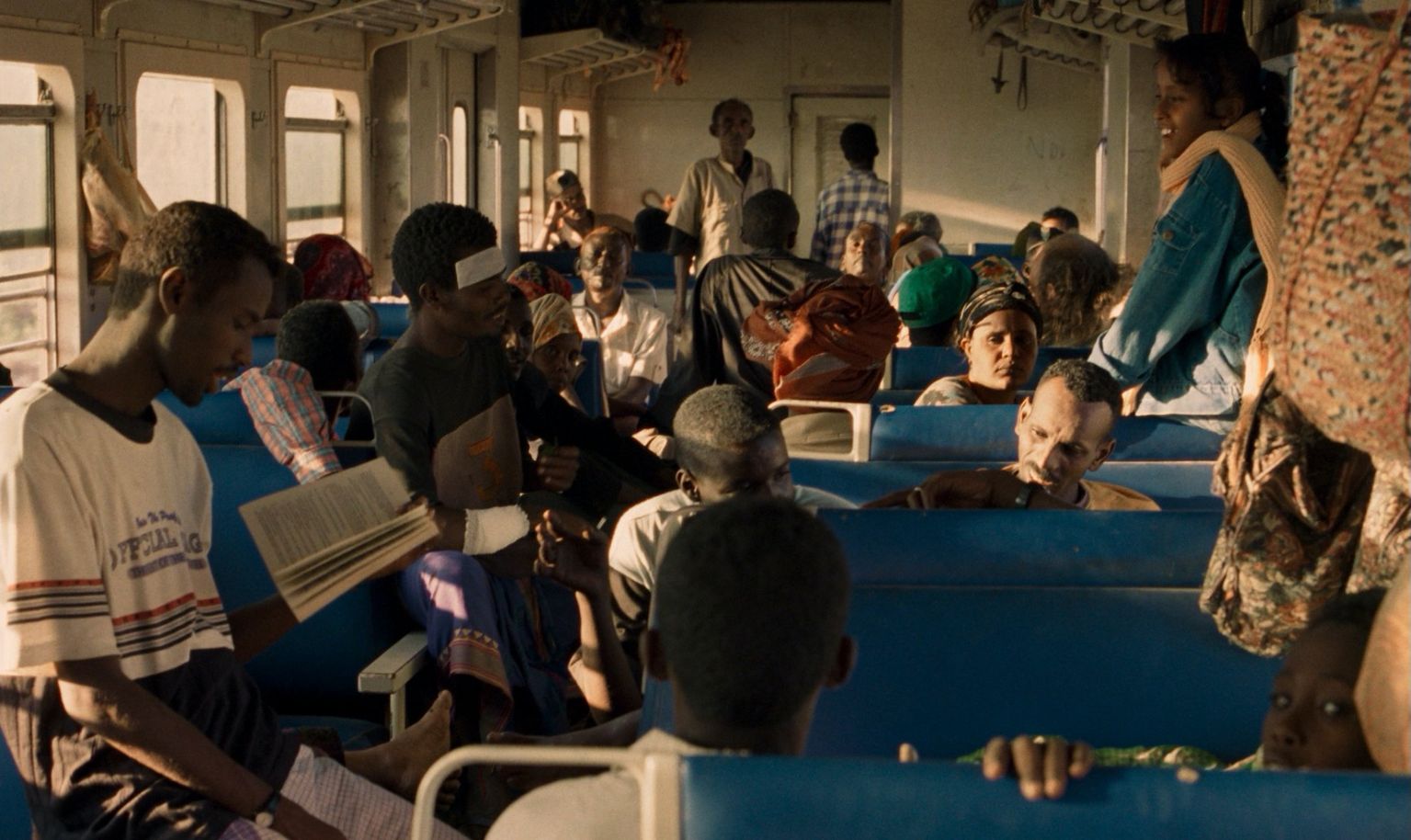
Denis’ personal history as a “daughter of Africa” profoundly informs the film’s texture, atmosphere, and sensibilities. Having grown up in post-colonial Africa, she channels a nuanced understanding of space, power, and memory into the Legion’s arid desert setting. Collaborating closely with co-writer Jean-Pol Fargeau and long-time cinematographer Agnès Godard, Denis blends structured military exercises with improvisational, bodily-driven storytelling. She treats dialogue sparsely, allowing voiceover, memory, and gesture to carry narrative weight, while ritualized drills and physicality express tension and desire.
Denis’ approach is also deeply musical: Benjamin Britten’s Billy Budd opera intertwines with diegetic dance tracks, linking classical tragedy and contemporary rhythm to heighten the film’s emotional and psychological resonance. Every production choice – from casting Denis Lavant and Grégoire Colin to training sequences adapted from real legionnaire exercises – reflects her commitment to authenticity and stylized realism, transforming simple action into symbolic, sensual, and emotionally charged imagery. The film’s treatment of male camaraderie, rivalry, and obsessive desire is uniquely Denisian: intimate, disciplined, violent, and deeply human.
Denis’ approach is also deeply musical: Benjamin Britten’s Billy Budd opera intertwines with diegetic dance tracks, linking classical tragedy and contemporary rhythm to heighten the film’s emotional and psychological resonance. Every production choice – from casting Denis Lavant and Grégoire Colin to training sequences adapted from real legionnaire exercises – reflects her commitment to authenticity and stylized realism, transforming simple action into symbolic, sensual, and emotionally charged imagery. The film’s treatment of male camaraderie, rivalry, and obsessive desire is uniquely Denisian: intimate, disciplined, violent, and deeply human.
Enduring Resonance: Critical Acclaim and Legacy
Upon release, Beau Travail was celebrated as a landmark of arthouse cinema, establishing Denis as one of the most influential contemporary directors. Critics praised its hypnotic visual poetry, narrative subtlety, and transformative choreography. Jonathan Rosenbaum called it a “masterpiece,” while Erika Balsom described the closing sequence as “perhaps the best ending of any film, ever.” Sight and Sound ranked it the 7th best film of all time, citing its bold fusion of corporeal discipline, desire, and landscape.
The film’s aesthetic innovations – melding operatic music, physicality, and poetic narrative – have influenced generations of filmmakers exploring masculinity, obsession, and ritual. Its careful study of power, colonial legacy, and internalized desire situates Beau Travail not only as a high point in Denis’ career but as a defining work in world cinema, where the extremes of discipline, emotion, and beauty coexist in shimmering, unforgettable sequences. Even decades later, the film’s vision of bodies, rhythm, and memory continues to captivate audiences, standing as a testament to cinema’s ability to make the unseen – desire, jealousy, and liberation – tangible on screen.