
Robin Friend
Bastard Countryside
- PhotographerRobin Friend
EDMUND SUMNER Robin is, for me, part of this new breed of landscape photographer. I first came across his work at the Royal Academy Summer Exhibition and have since gone on to acquire several pieces…

Edmund Sumner´s perspective on Robin Friend
…What draws me in is his use of large format, and his quiet but persistent exploration of decay and time. There’s a patience in the work, a willingness to let the subject reveal itself slowly.
His images sit somewhere between observation and meditation. They’re not simply about landscape, but about what landscape holds – histories, erosion, traces of human presence. And it’s their ambiguous relationship with reality that I find most compelling.
Because they feel truthful… but not necessarily real.
And in an age of post-truth, that distinction begins to matter less and less.


A Landscape That Doesn’t Behave
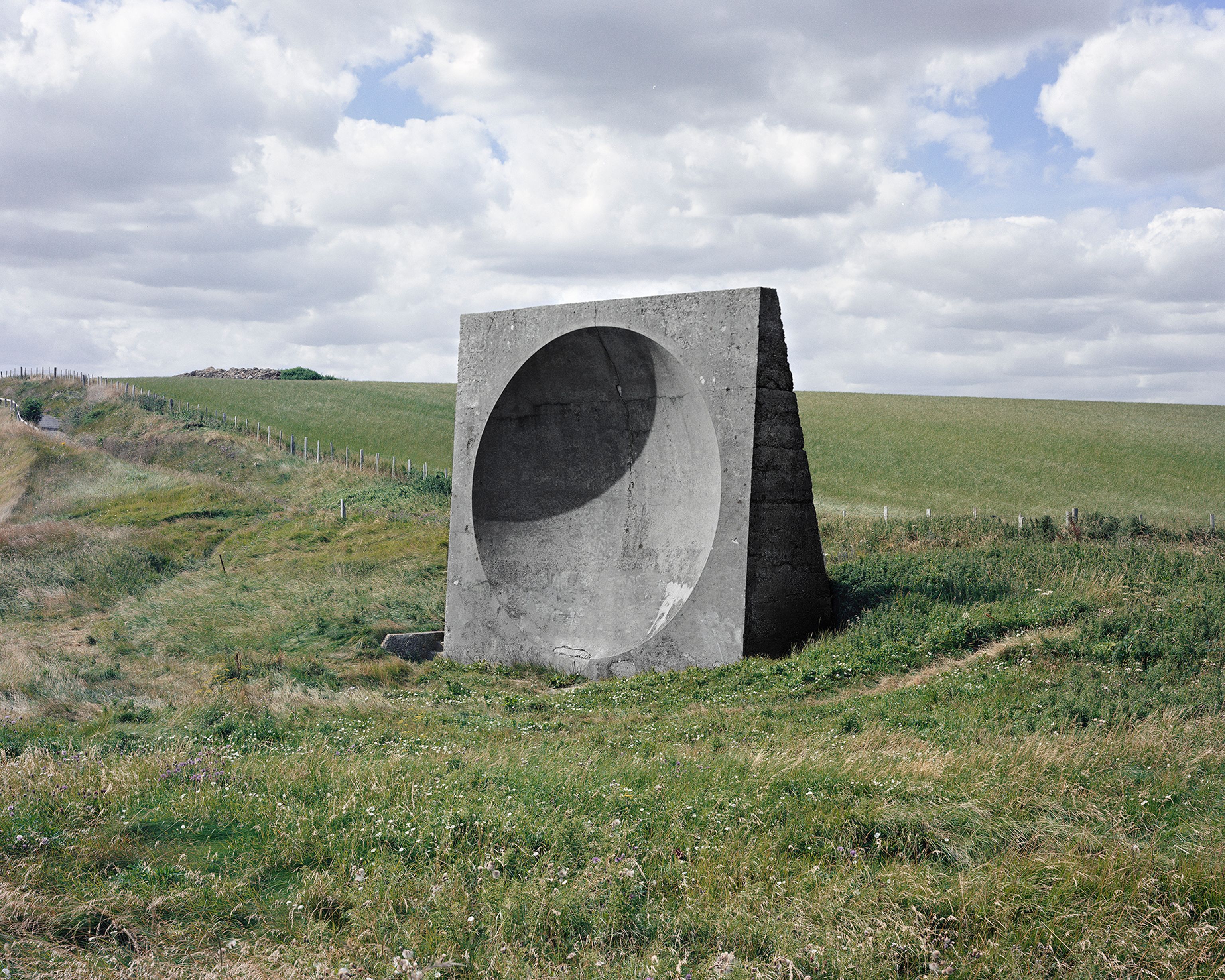
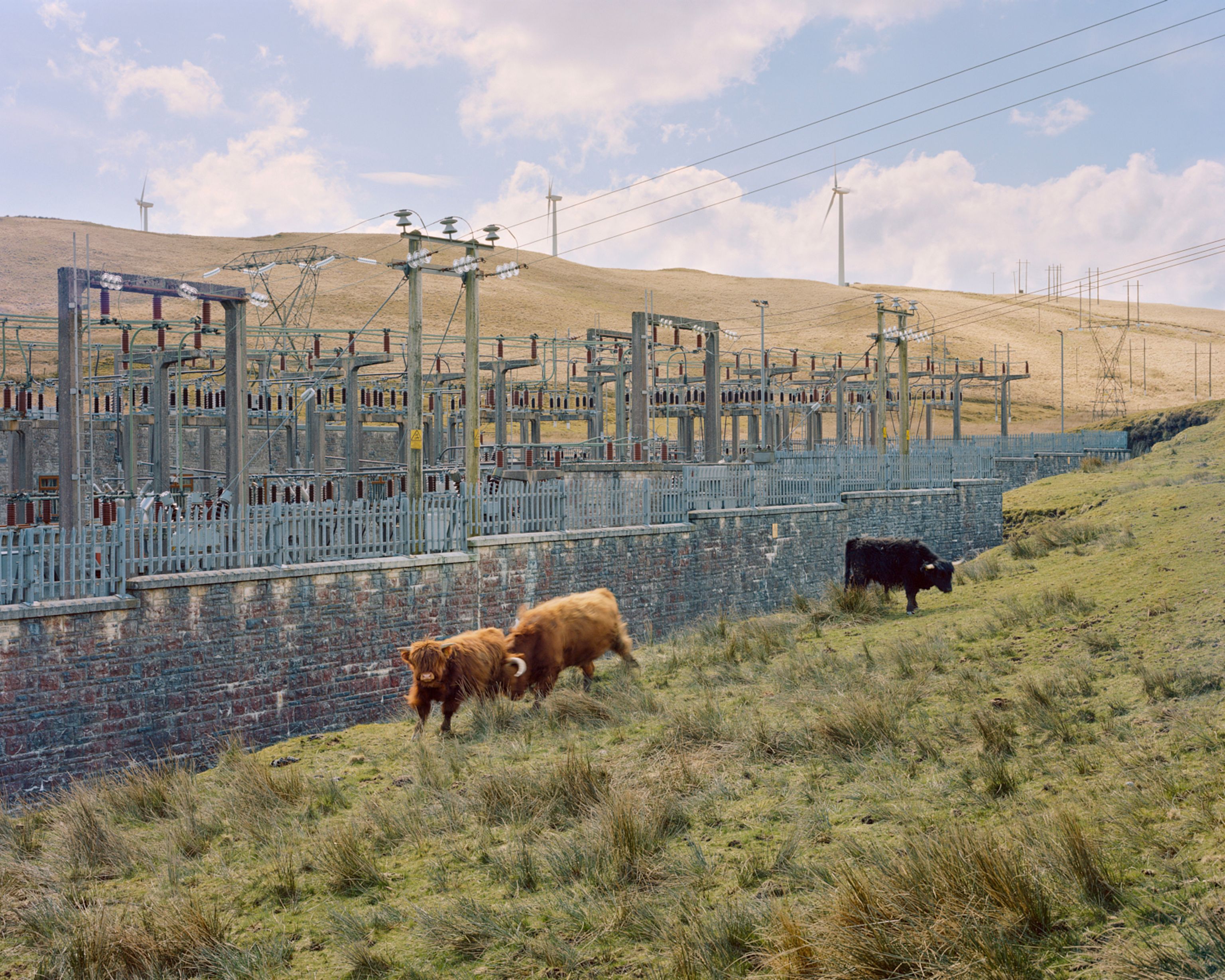
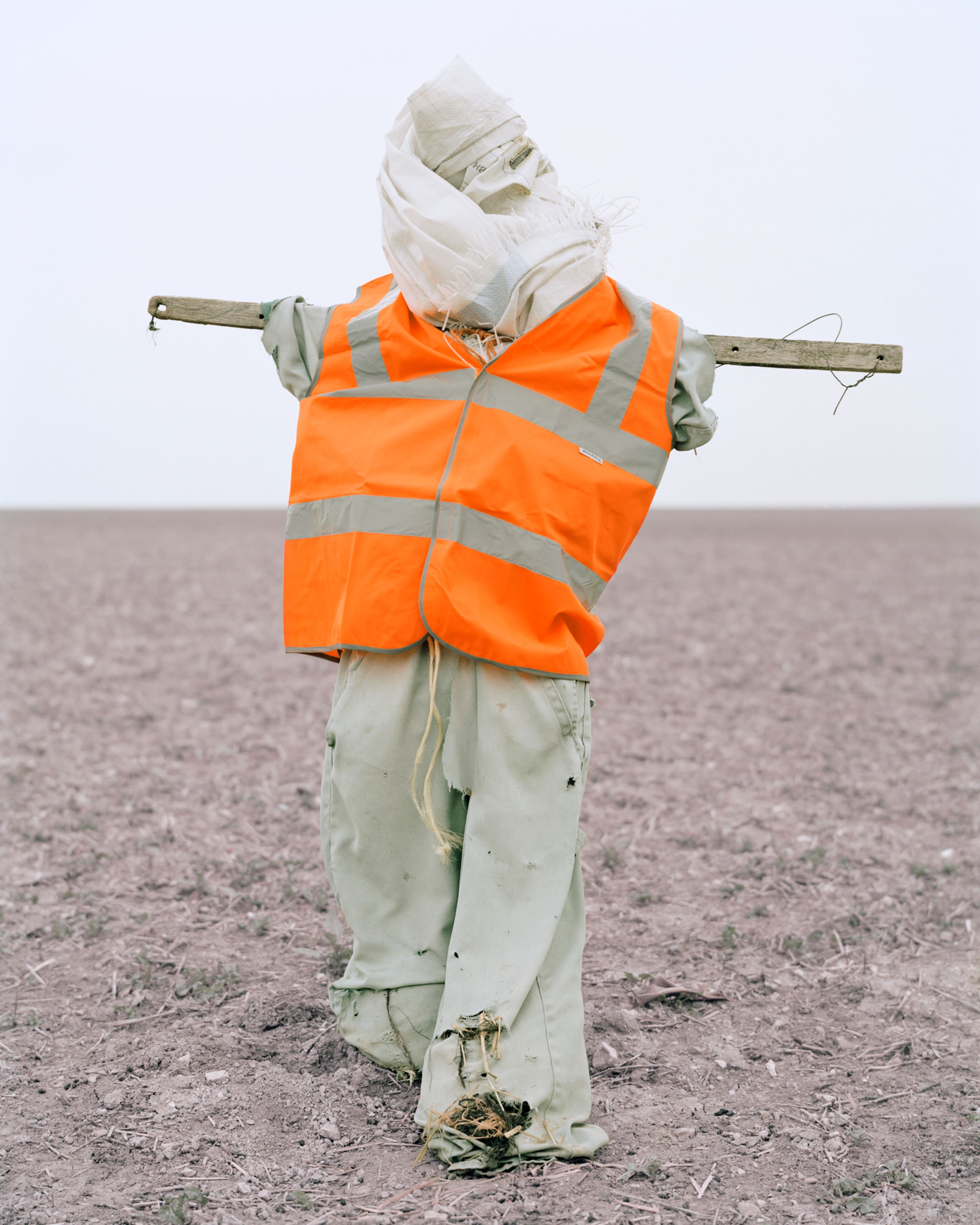
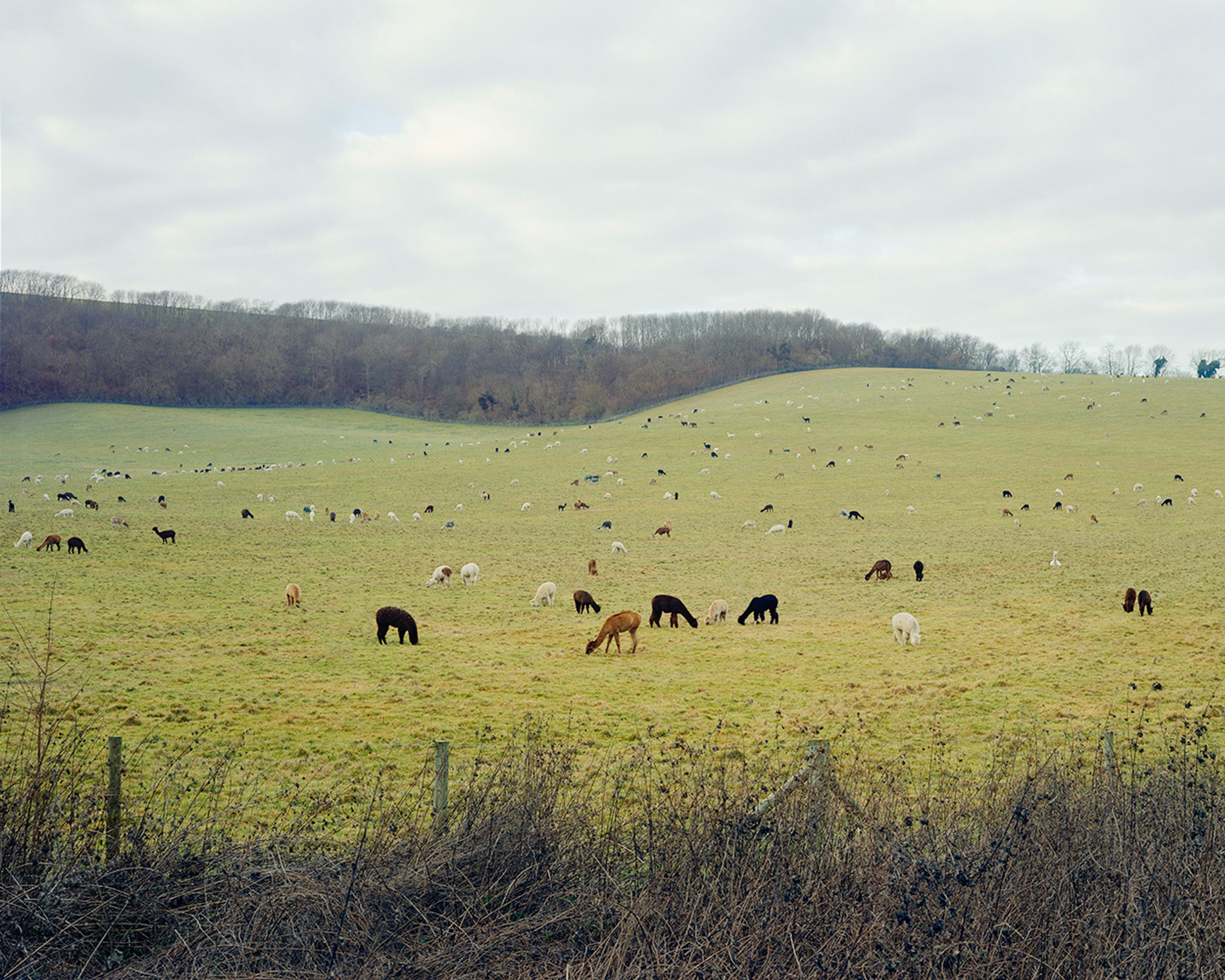
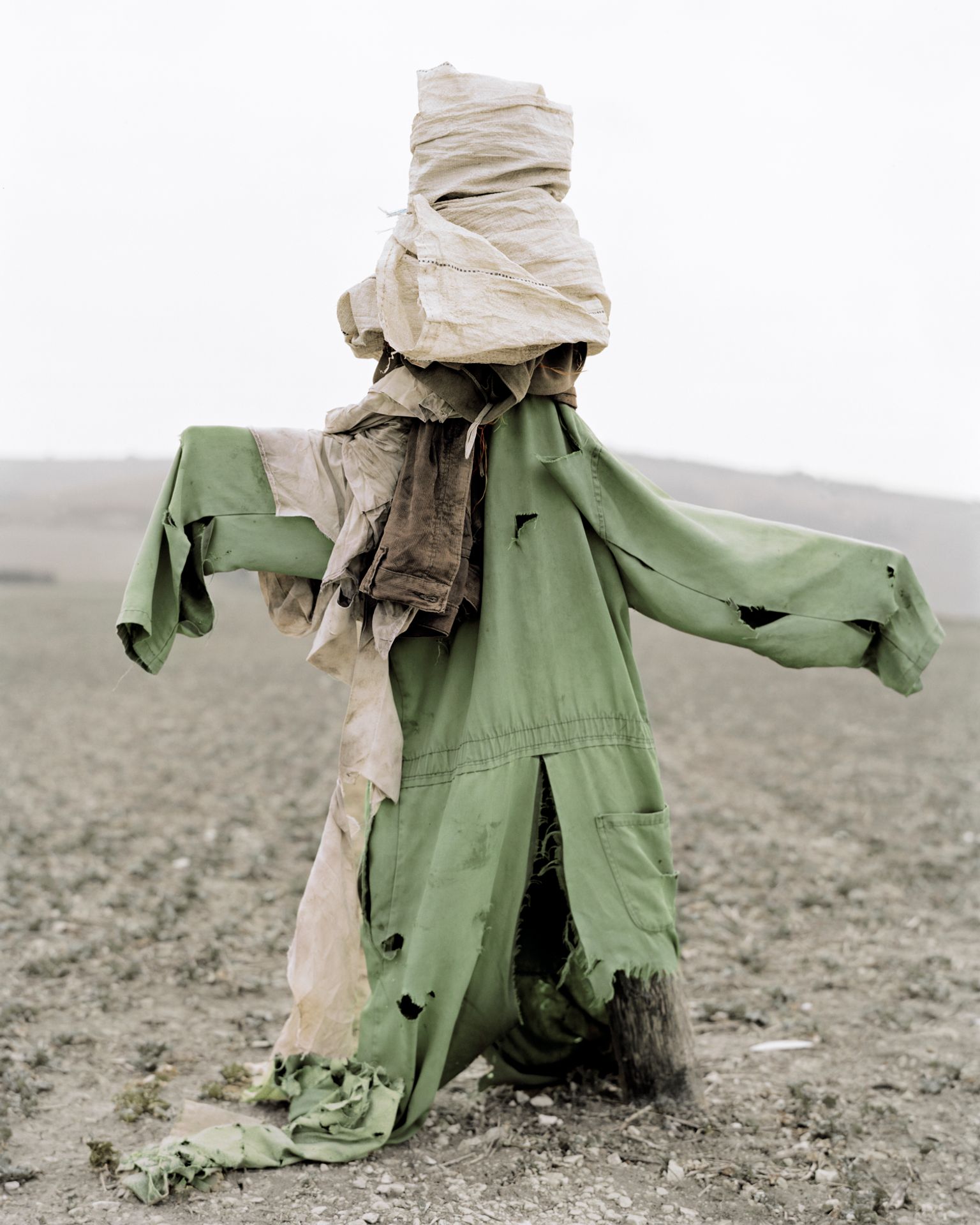
Bastard Countryside by Robin Friend unfolds as a long-term visual investigation into Britain’s shifting terrain. The title is borrowed from Victor Hugo, who described a “bastard countryside” as something unstable and mixed – neither fully rural nor urban, but a collision of both. Over 15 years, Friend has returned again and again to these edge conditions, building a body of work that slowly evolved into his first monograph. Rather than a collection of individual images, the book operates as a structured narrative, carefully sequenced so that the viewer moves through shifts in rhythm, intensity, and atmosphere.
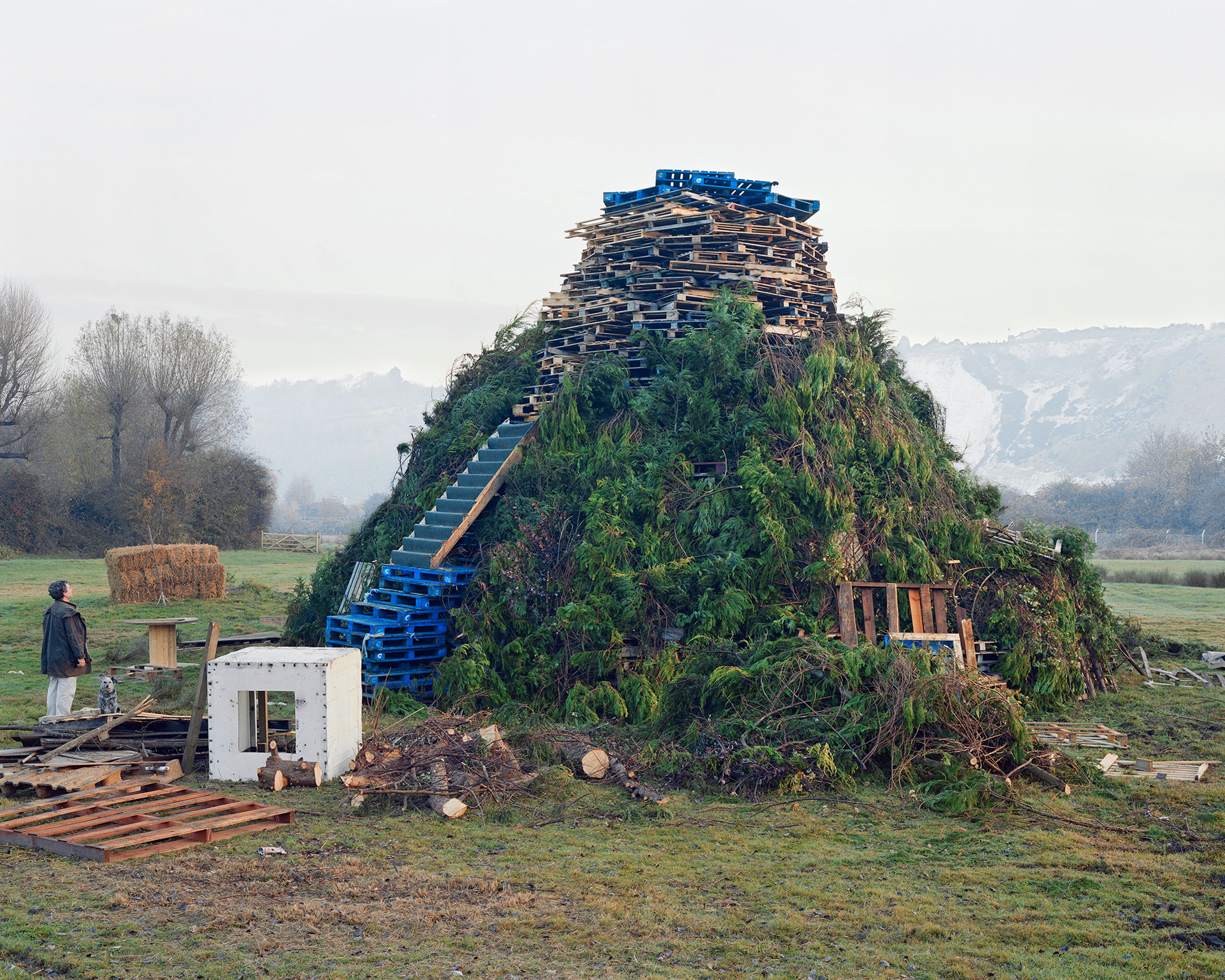
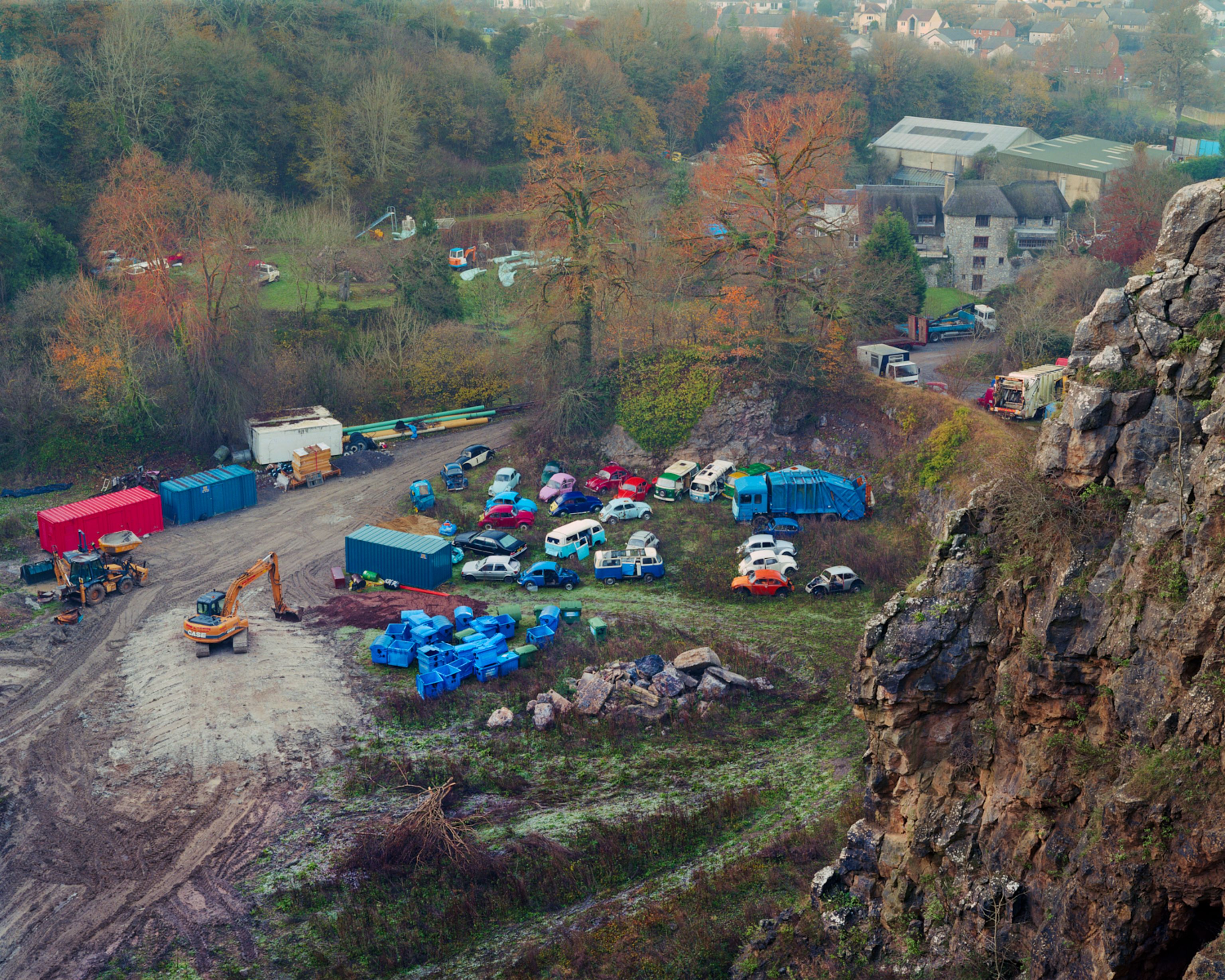
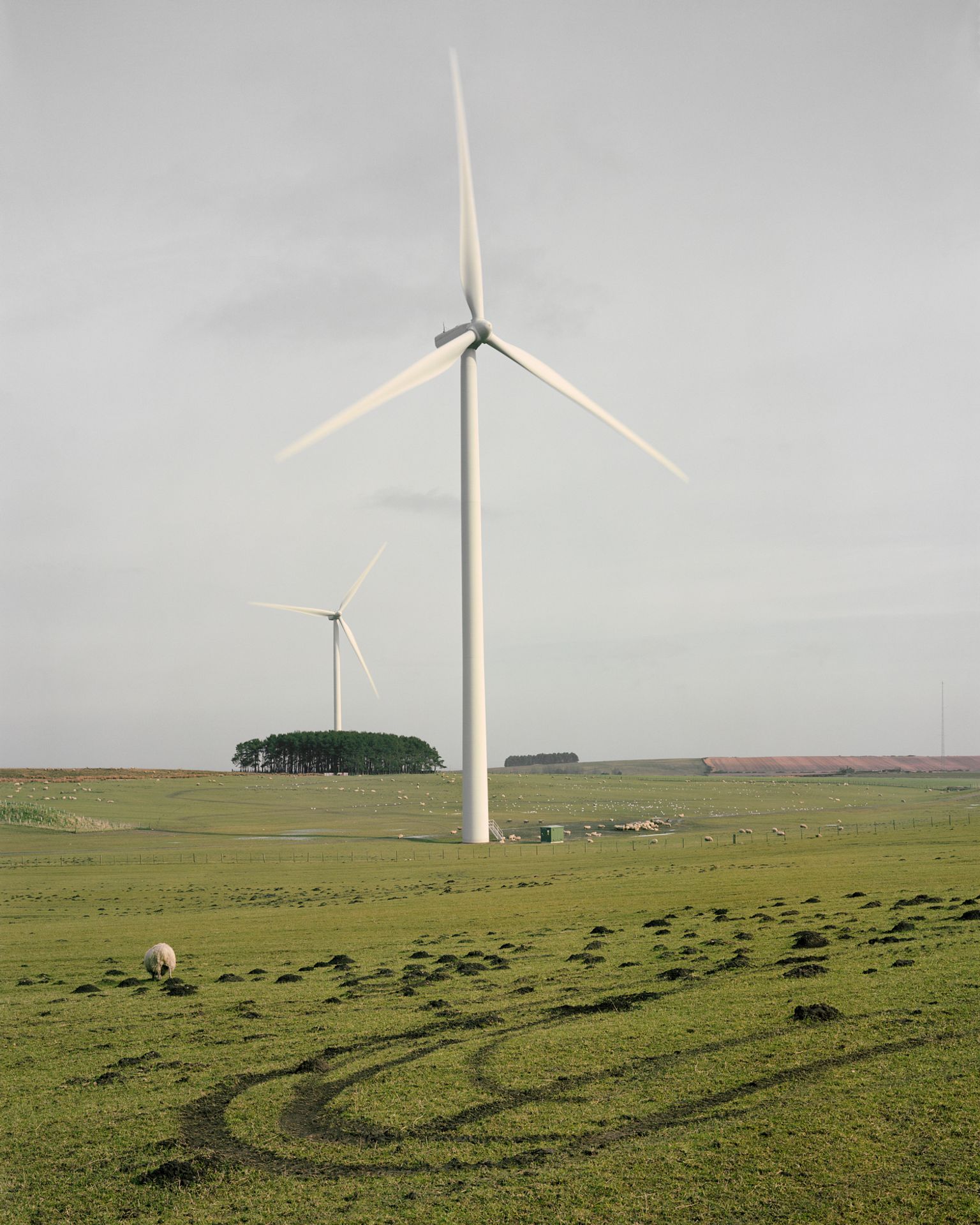
At its core, the project is about landscapes that resist clarity. These are not iconic views or protected wildernesses, but ordinary places where systems overlap: infrastructure meeting soil, industry pressing into fields, nature pushing back through human control. Friend treats these spaces as a continuous field rather than isolated moments, allowing the work to accumulate meaning over time.

Between Beauty and Breakdown
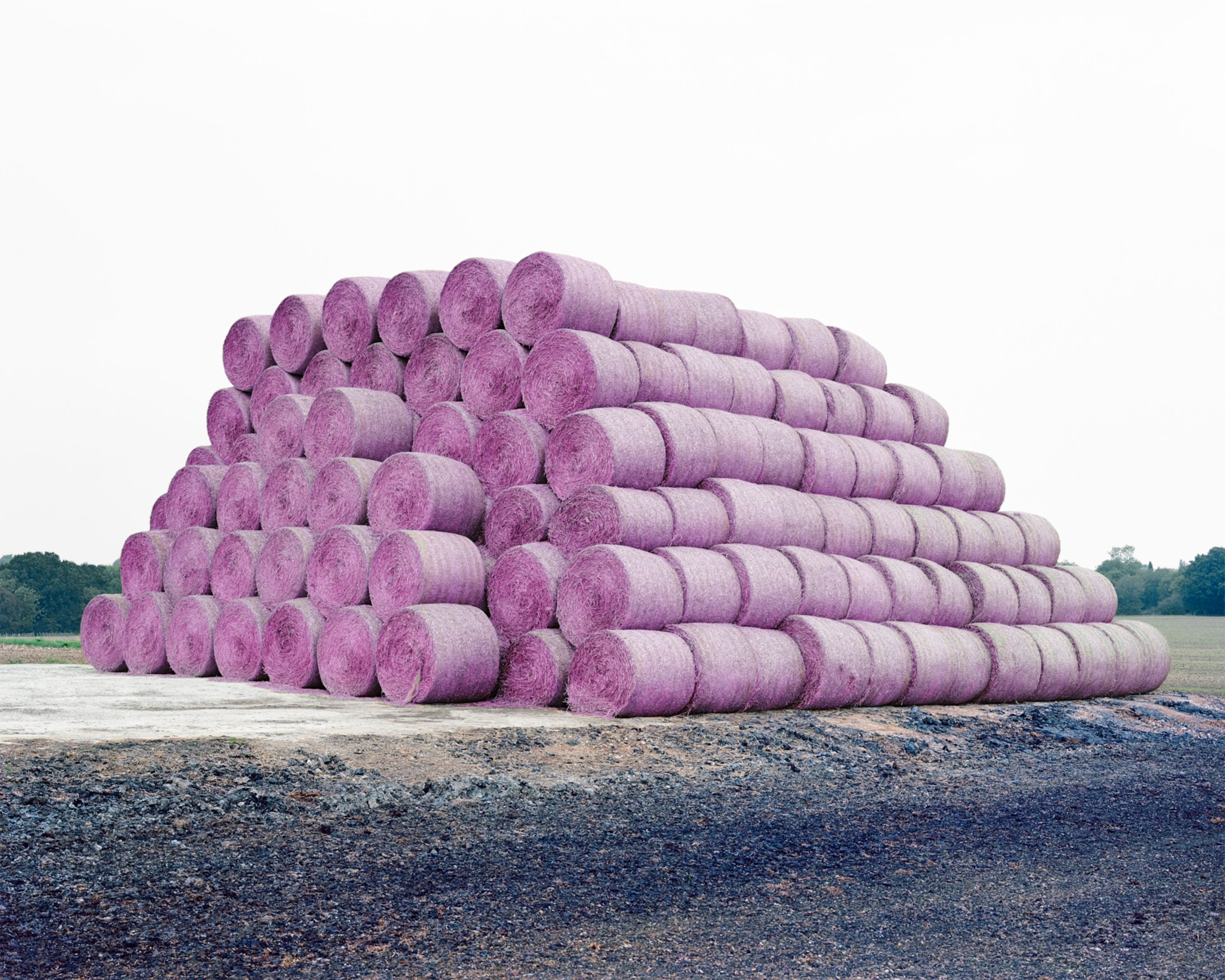
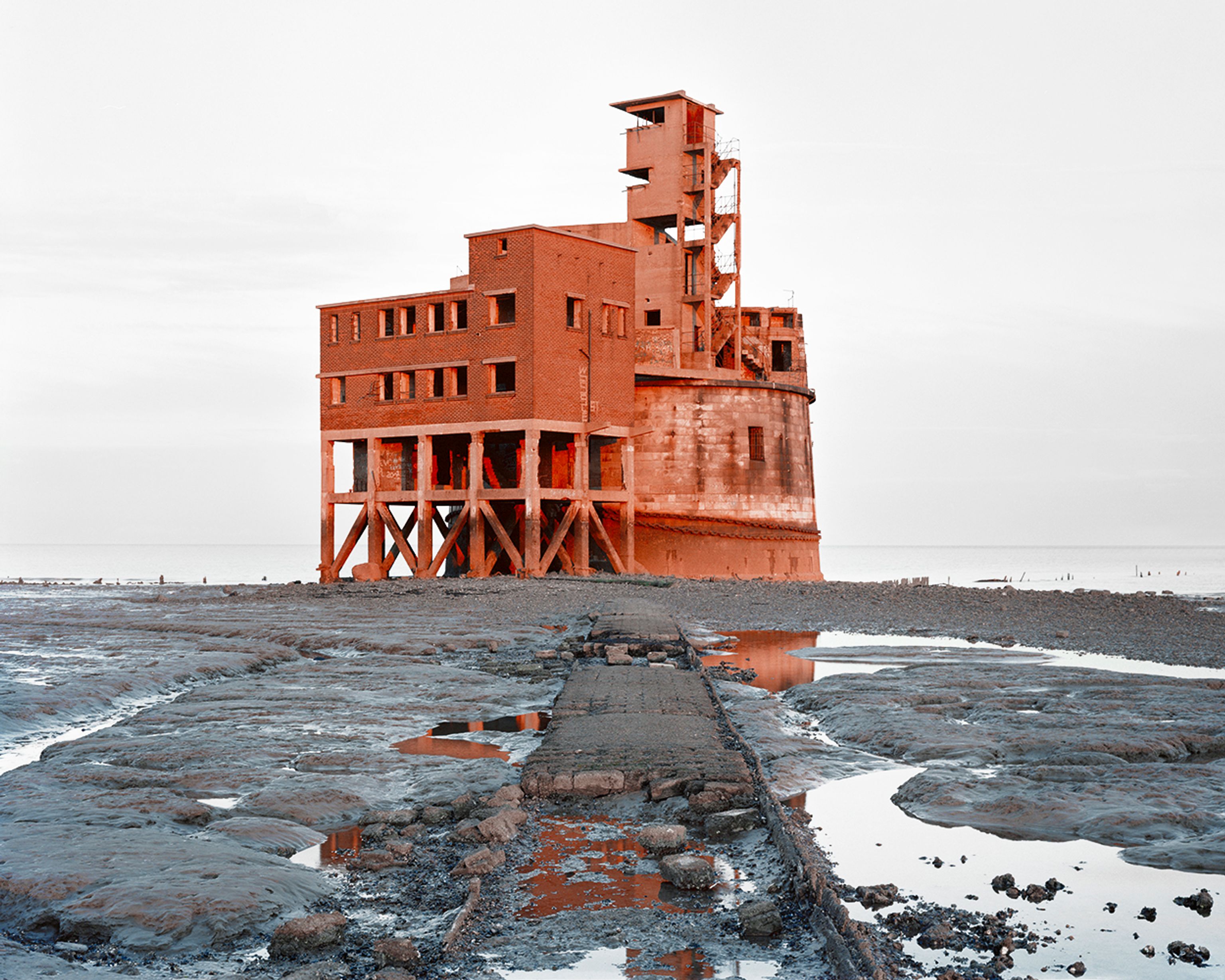
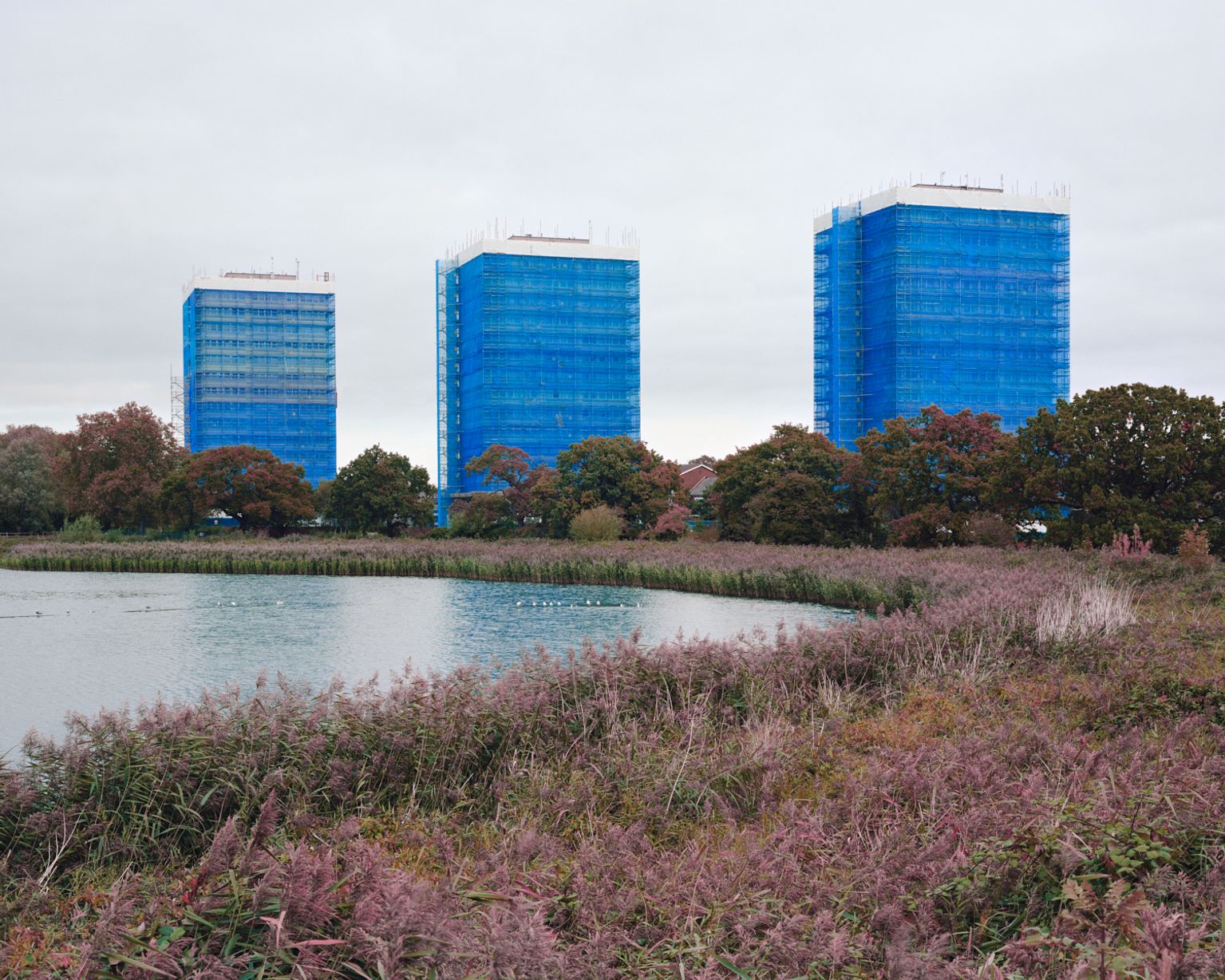
The visual language of the series draws from classical landscape traditions, balanced framing, depth, and a painterly sense of light. But this familiarity is constantly interrupted. Friend deliberately introduces friction into the image: pollution, residue, collapse, or containment appear as quiet intrusions that shift the reading of the scene.
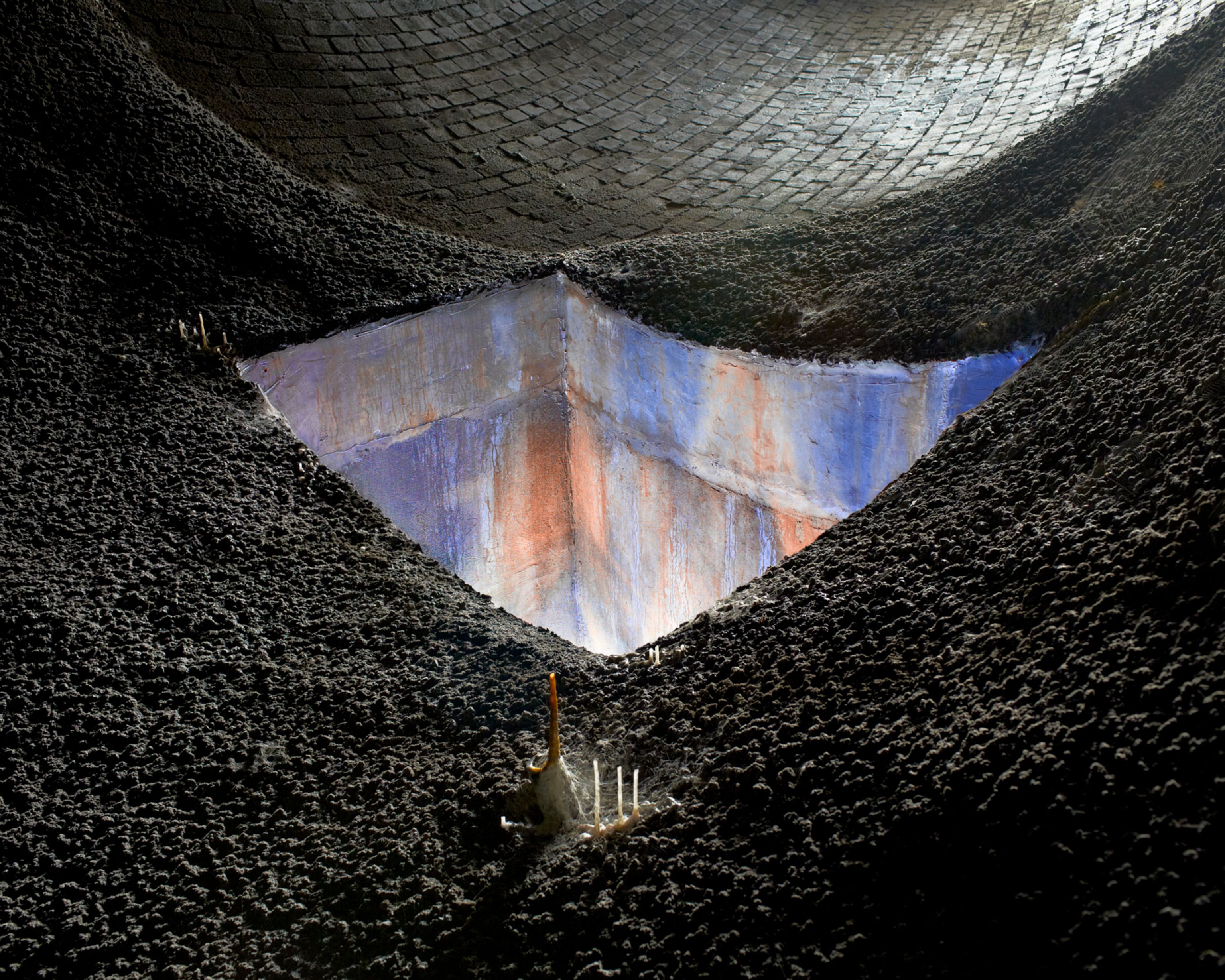
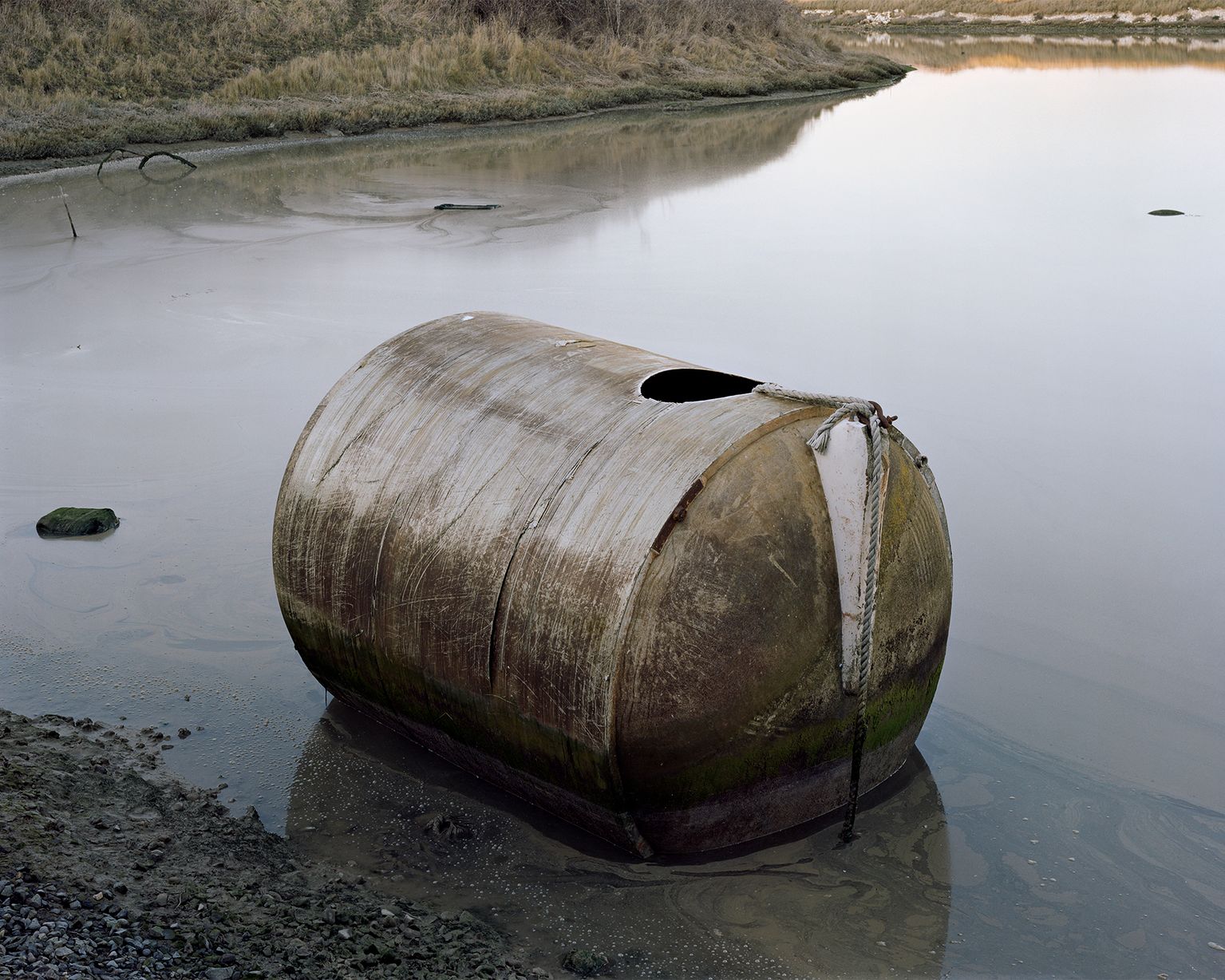
What makes the work powerful is this refusal to separate the beautiful from the broken. A flooded field, a discarded structure, or a contaminated shoreline is not treated as anomaly but as part of the composition itself. Colour plays a key role here, subtly pushed and adjusted to heighten tension, not to beautify but to unsettle. The result is a landscape that feels both precise and unstable, as if it is holding two realities at once.

A Process of Pursuit
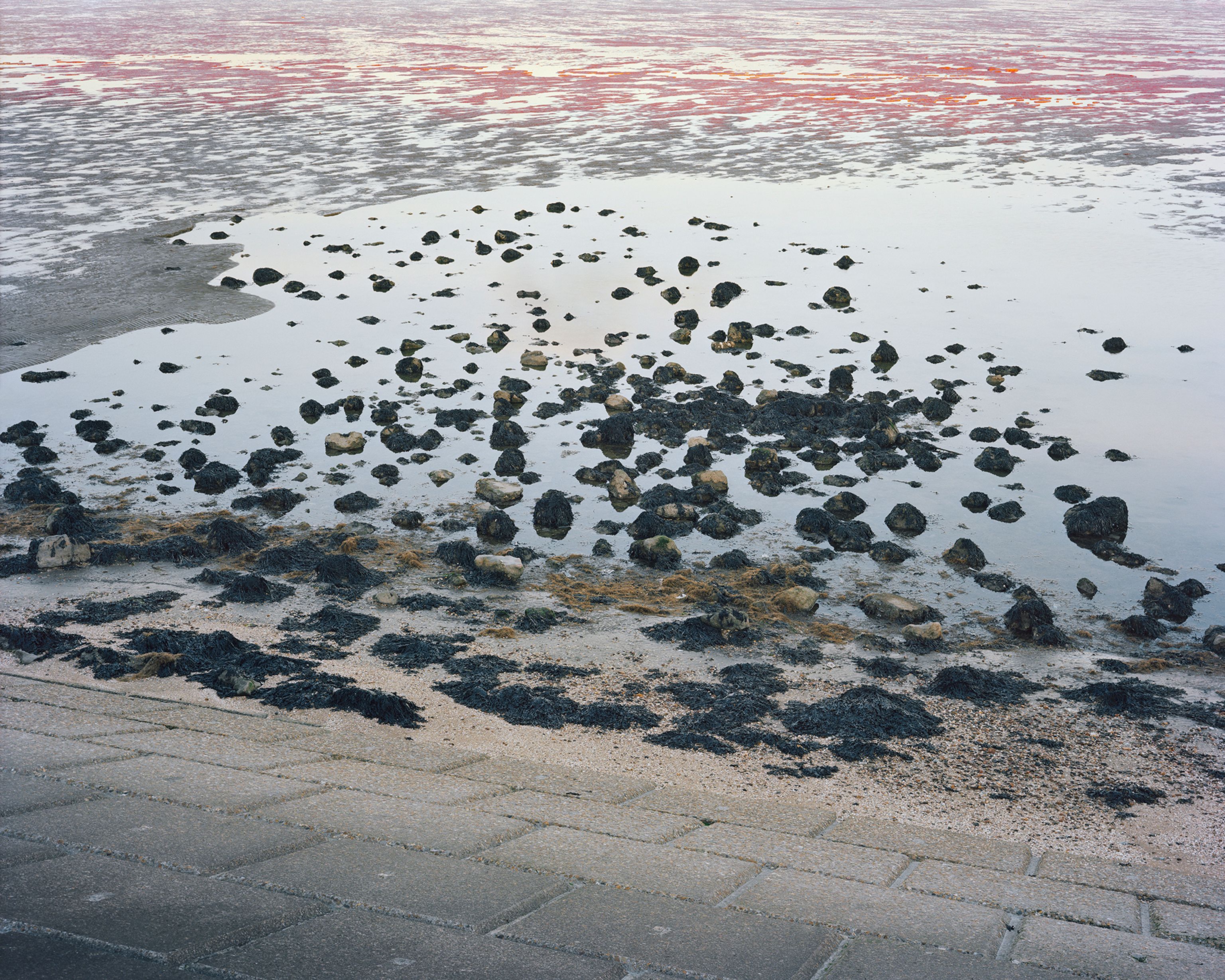
Friend’s approach is deeply physical. Working primarily with a large-format 5x4 camera, each image requires time, preparation, and patience. This slows the act of photographing down and gives weight to every decision within the frame. But the process extends far beyond technique.
Many of the locations are not immediately accessible. Friend often travels to remote or overlooked sites, sometimes after extensive research, sometimes through chance encounters or local knowledge. The work involves walking, waiting, and entering spaces that are not designed to be seen as “landscape” at all. In certain cases, this has meant navigating difficult terrain, abandoned infrastructure, or submerged industrial sites. The camera becomes both a reason to explore and a way to justify staying with a place longer than expected.


Constructed Realities
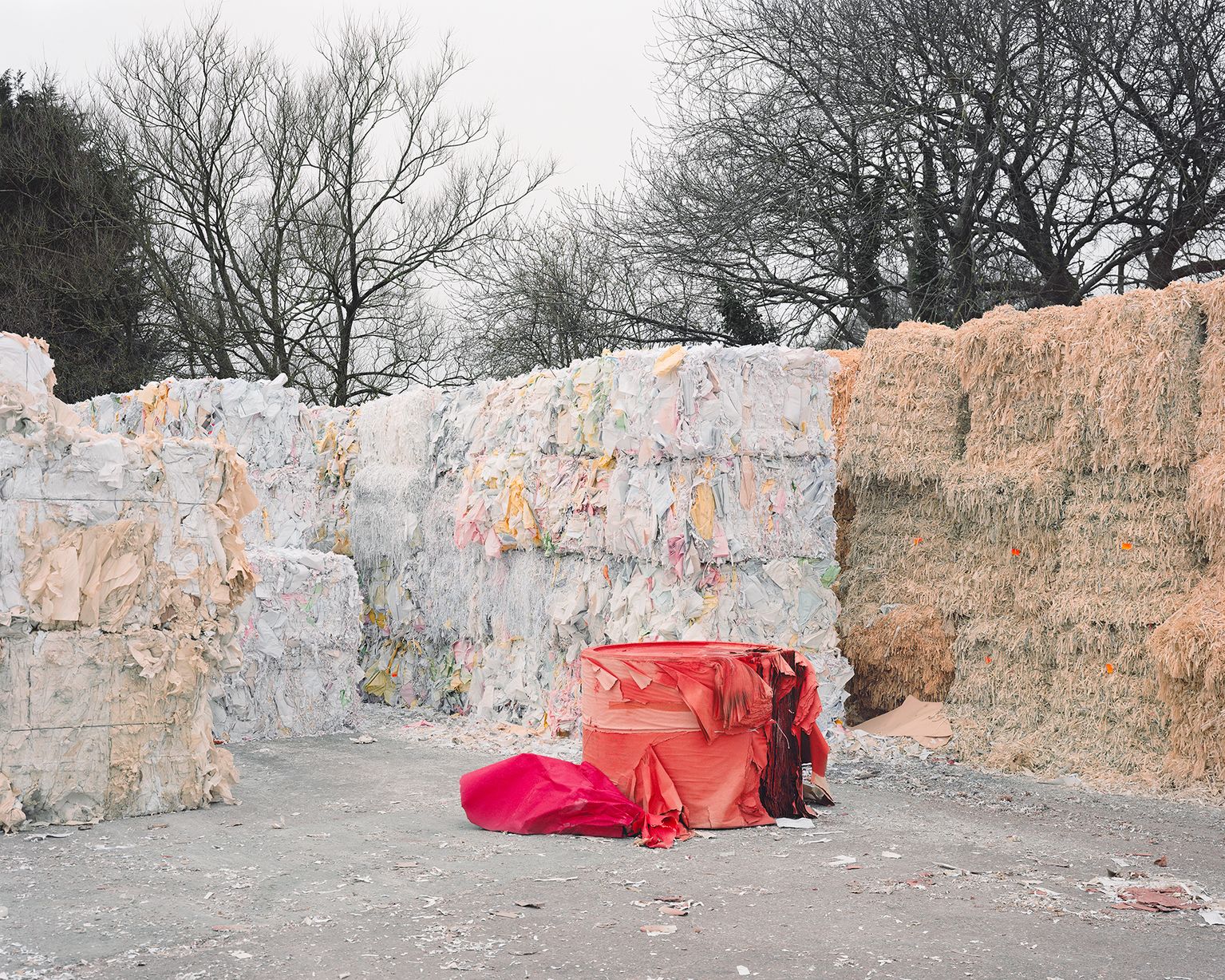
Although rooted in observation, the final images are carefully constructed. After shooting, Friend scans his negatives at high resolution, allowing for subtle manipulation of tone, contrast, and colour balance. This is not about fabrication, but about control, refining how the viewer encounters the scene.
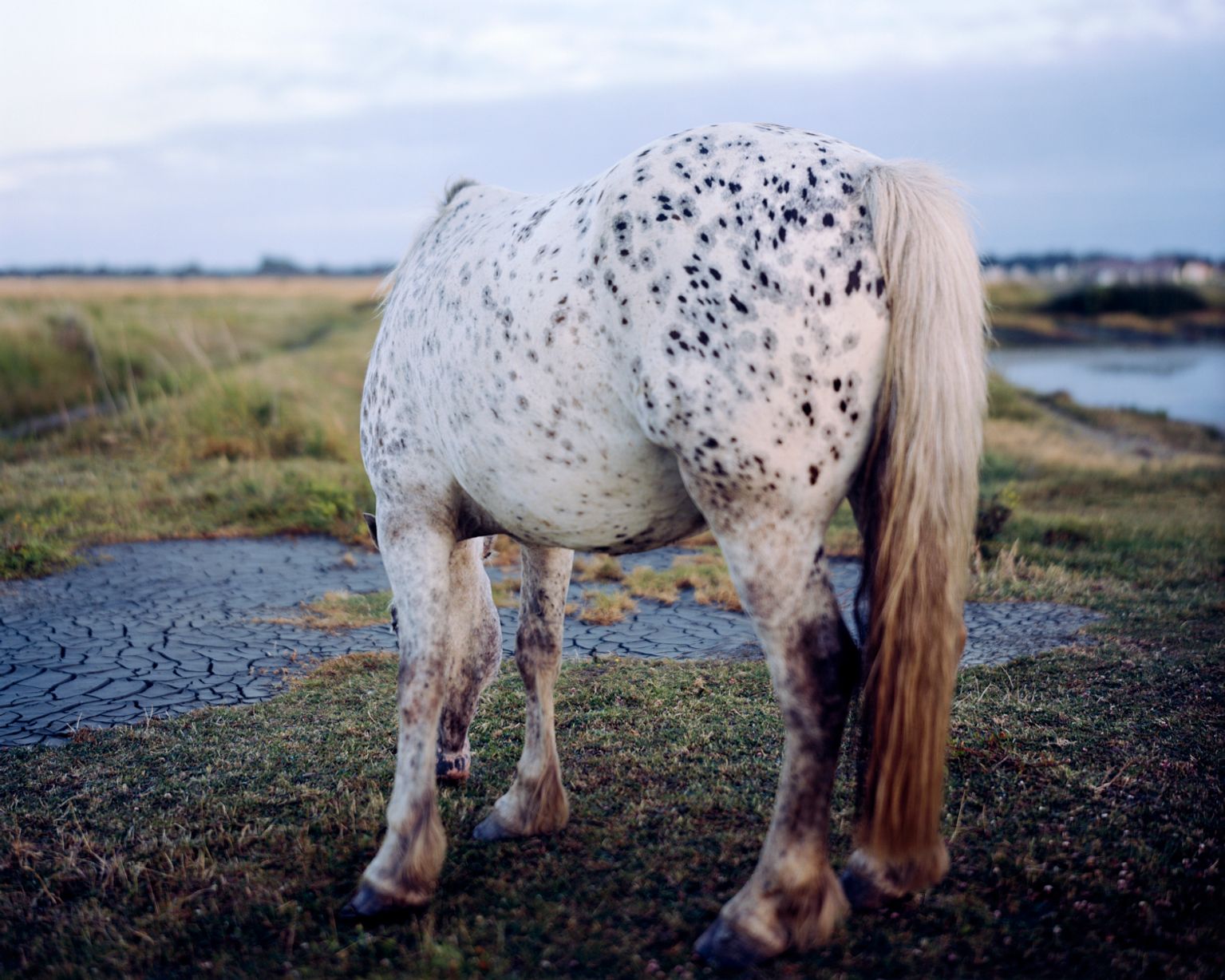
There is also a clear compositional logic at play. Subjects are often placed centrally, rejecting traditional landscape hierarchy in favour of something closer to portraiture. The result is a shift in attention: the viewer is not scanning a view, but confronting a presence. Even vast environments begin to feel contained, almost staged, as if the landscape itself is being asked to perform.

A Shared Condition of Nature
Writer Robert Macfarlane situates the work within a larger idea of “modern nature”, a landscape shaped not by separation, but by entanglement. In this reading, the “bastard countryside” is not an exception but a condition that now defines much of the world we move through.
The project opens up questions rather than closing them. What counts as nature today? What do we choose to ignore when we look at a landscape? And how do we live inside environments that are constantly being rewritten? Friend does not resolve these questions, but he frames them through experience rather than argument. The photographs hold space for uncertainty.


A Landscape That Stays With You
What lingers in Bastard Countryside is not a single image, but a way of seeing. The project builds a slow awareness of how landscapes are assembled – layered with histories, systems, and interruptions. It is both intimate and expansive at the same time: rooted in specific sites, but pointing toward a broader global condition.
There is a quiet tension throughout. These places are neither purely damaged nor purely natural. They exist in between, shaped by use, neglect, and adaptation. Friend’s work does not try to resolve this complexity. Instead, it asks us to stay with it a little longer, and to recognise that this “in-between” is no longer the edge of the landscape, it is the landscape itself.