Whit Stillman
Barcelona
- DirectorWhit Stillman
- CinematographerJohn Thomas
AMANDA KRAMER There was a not-so-short time in my life where i would've happily forgone all films outside of whit stillman's 90s trilogy. They are each magnificent and without flaw, led by perfectly cast actors who understand the tone and humor of this impossibly erudite and wonderful man better than any "movie star" ever could. During this time, i would lay in bed at night and ache for chris eigeman, a gorgeous human built for whit's hyper-articulate cynics. Obsessed with propriety, concerned with decorum, and obsessively moral. Fuck Patrick Bateman, fuck Julian Kaye, fuck Gordon Gekko - i love them but there's no yuppies like stillman's yuppies. The suited suitors of my writerly infatuation.

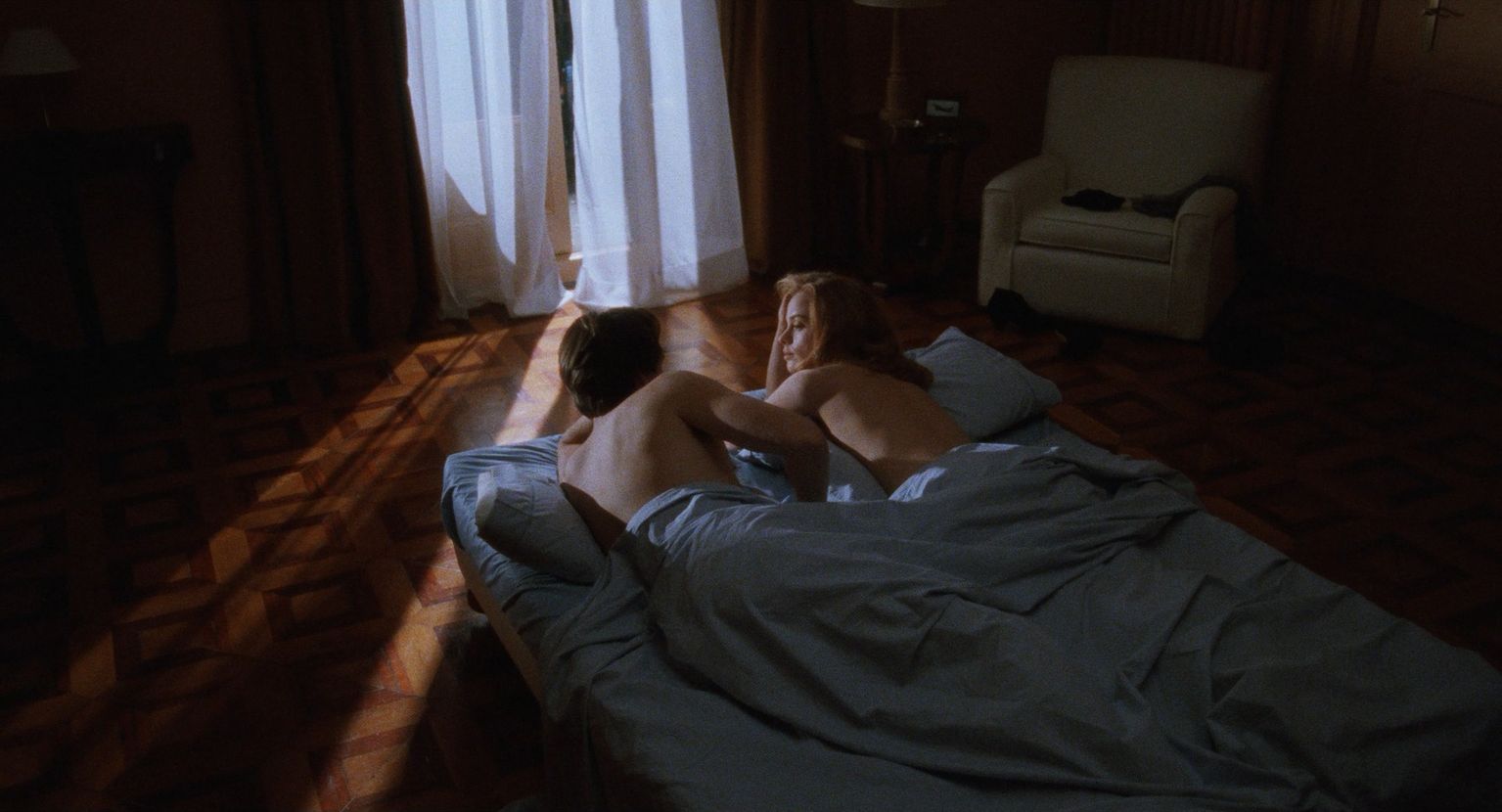

An American in Barcelona
Whit Stillman did not arrive at his second film the way most directors do. The seed for Barcelona was planted not in a writer's room or a development meeting, but in late-1970s Spain, when a young Stillman traveled to Barcelona to court the woman he hoped to marry. He had to return the following year to seal the deal, and in doing so fell into a life that would later become the raw material for one of the most distinctive American comedies of the 1990s. After graduating from Harvard in 1973, Stillman had been working as a sales agent for Spanish films, helping producers and directors like Fernando Trueba sell the foreign rights to their work. He was, in other words, a salesman navigating a foreign culture, trying to communicate across a gap that was as much psychological as linguistic. That experience would end up almost verbatim on screen.
Stillman first sketched out the idea for Barcelona in 1983, but the script did not reach a workable draft for nearly a decade. By that point, his debut feature Metropolitan had become an unlikely success story: made for around $200,000 by incorporating the project and selling shares to friends and family, the film earned an Oscar nomination for its screenplay and established Stillman as a genuine voice in American independent cinema. He had been planning to fund Barcelona the same scrappy way when a call came in from Castle Rock Pictures. The studio offered him four million dollars, full creative control, and the freedom to shoot wherever he liked. It was, by any measure, a remarkable offer for an indie filmmaker known for drawing-room conversations and understated irony. Stillman, characteristically cautious, was initially wary that a Hollywood partner would tamper with his sensibility. Instead, he found Castle Rock almost unusually supportive. They accepted his final cut, backed off when creative disagreements arose, and largely let him work as he always had, just with more money.
The City as Co-Star
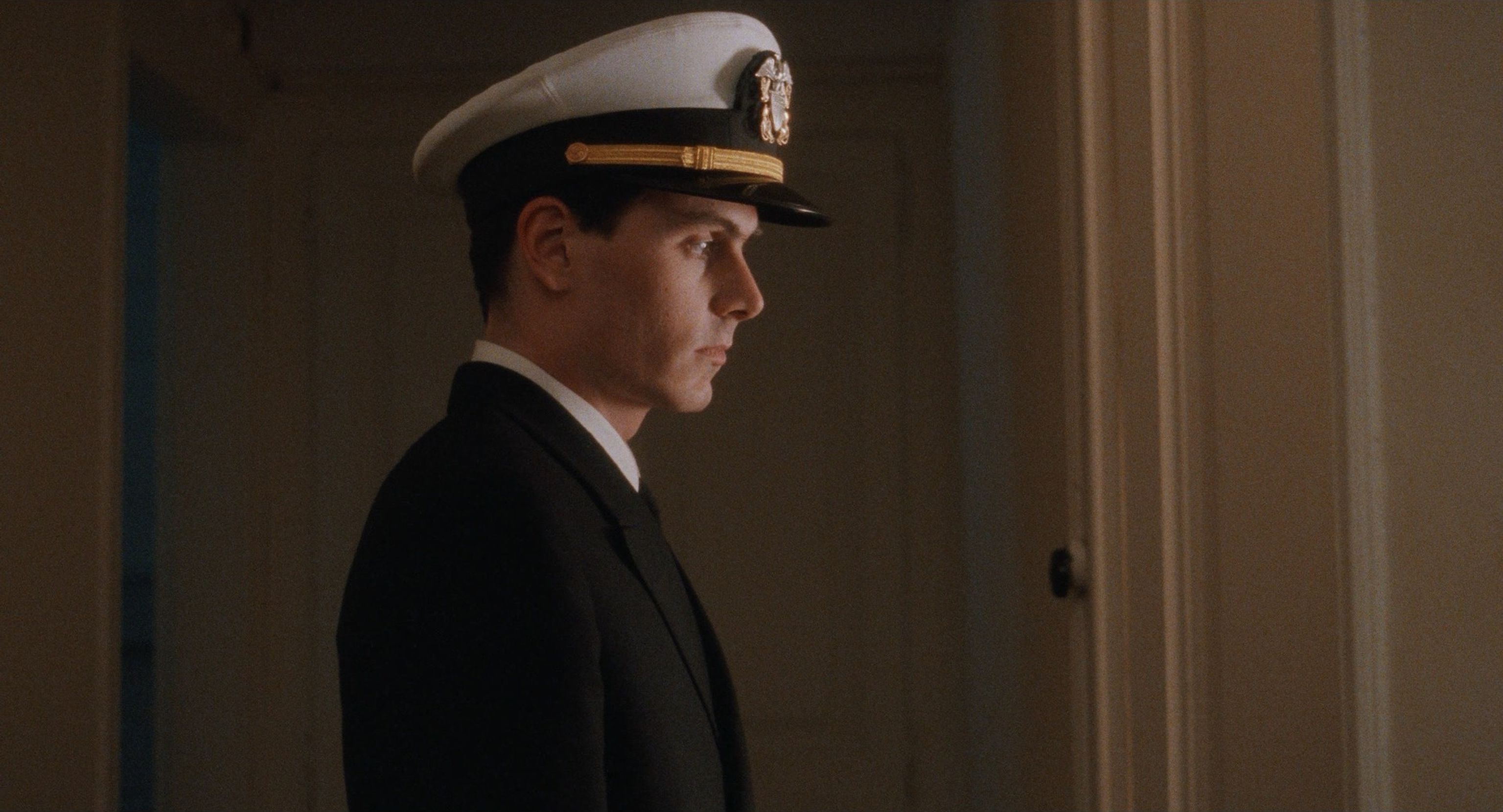
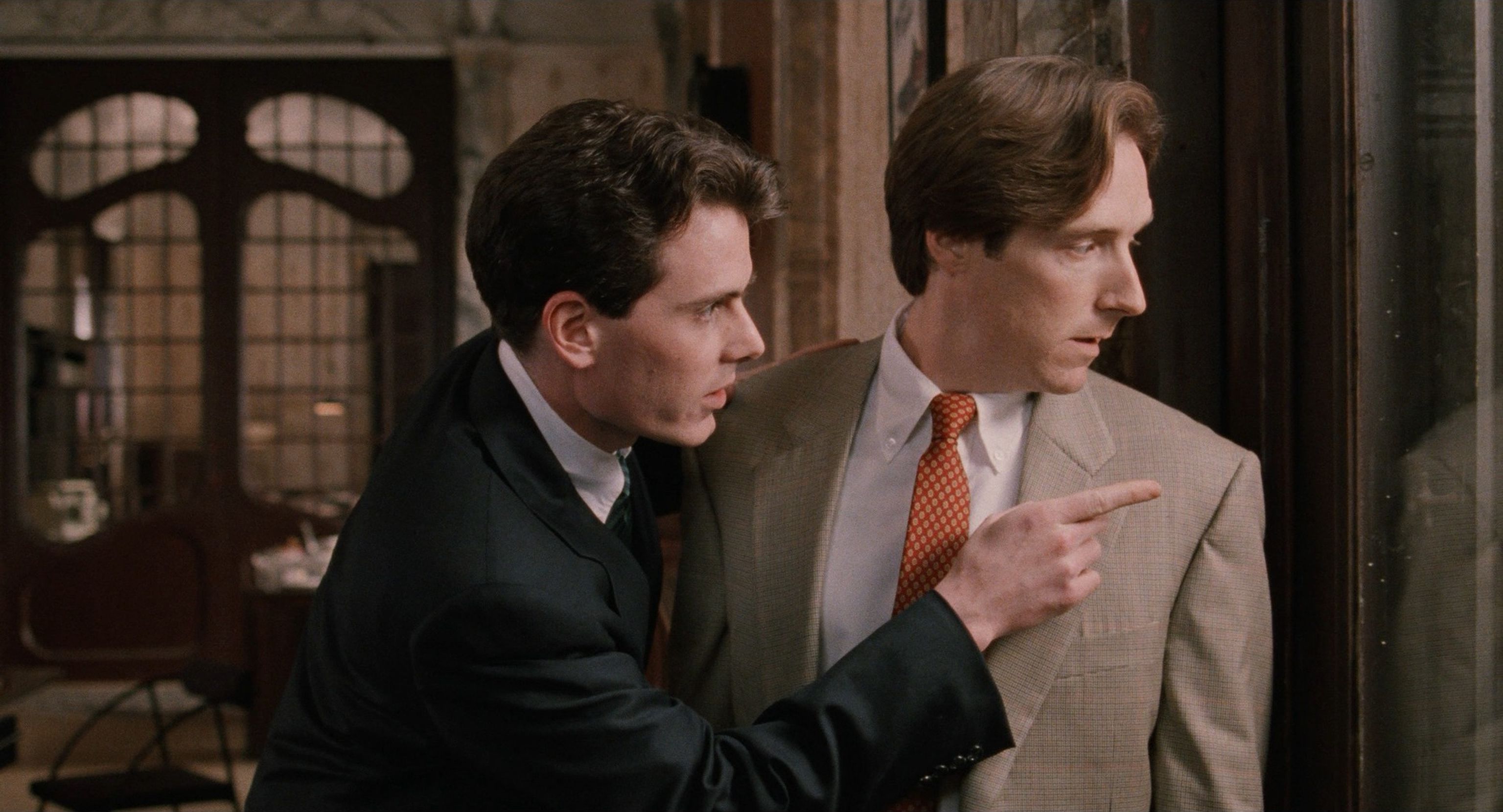
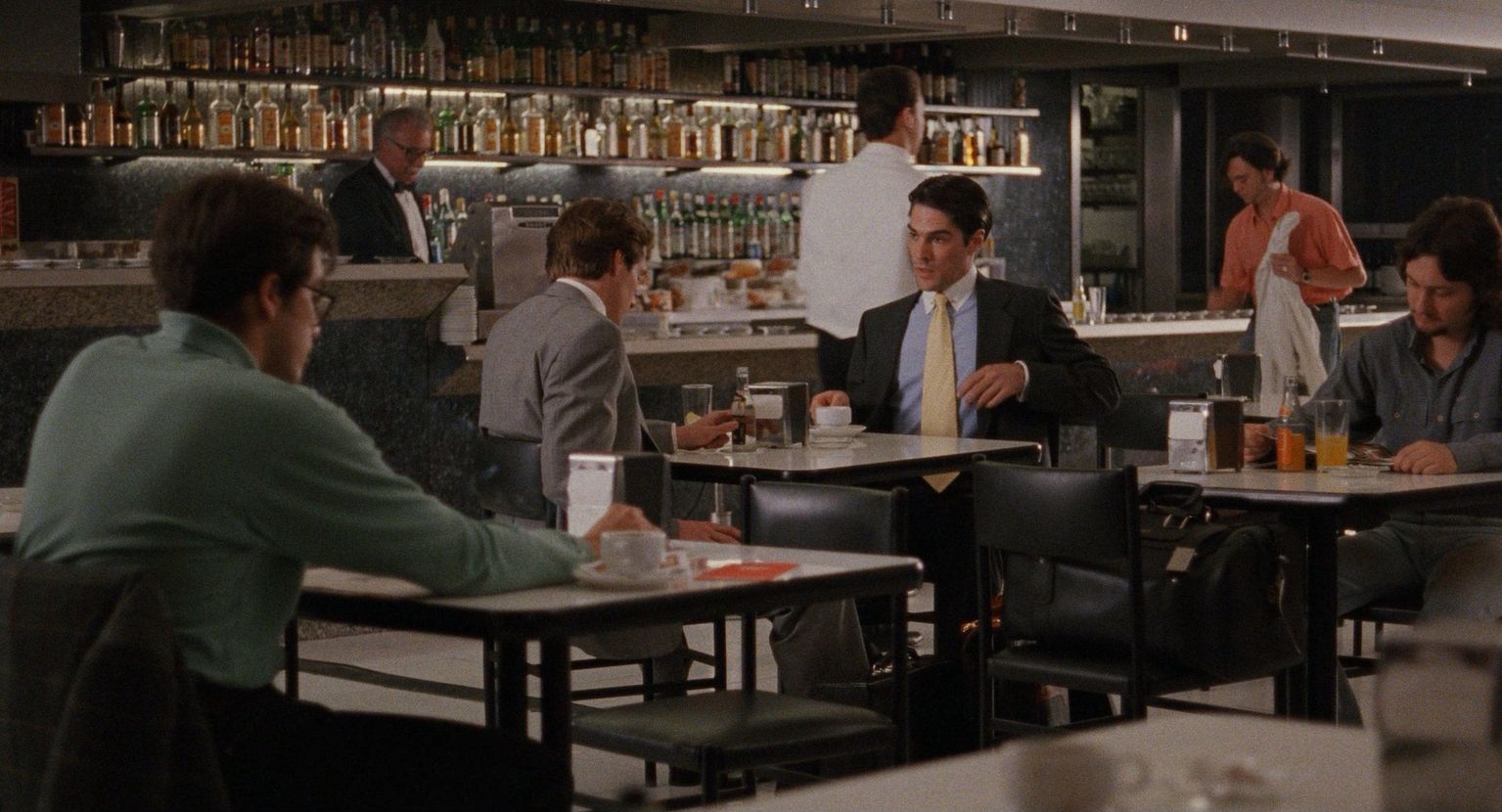
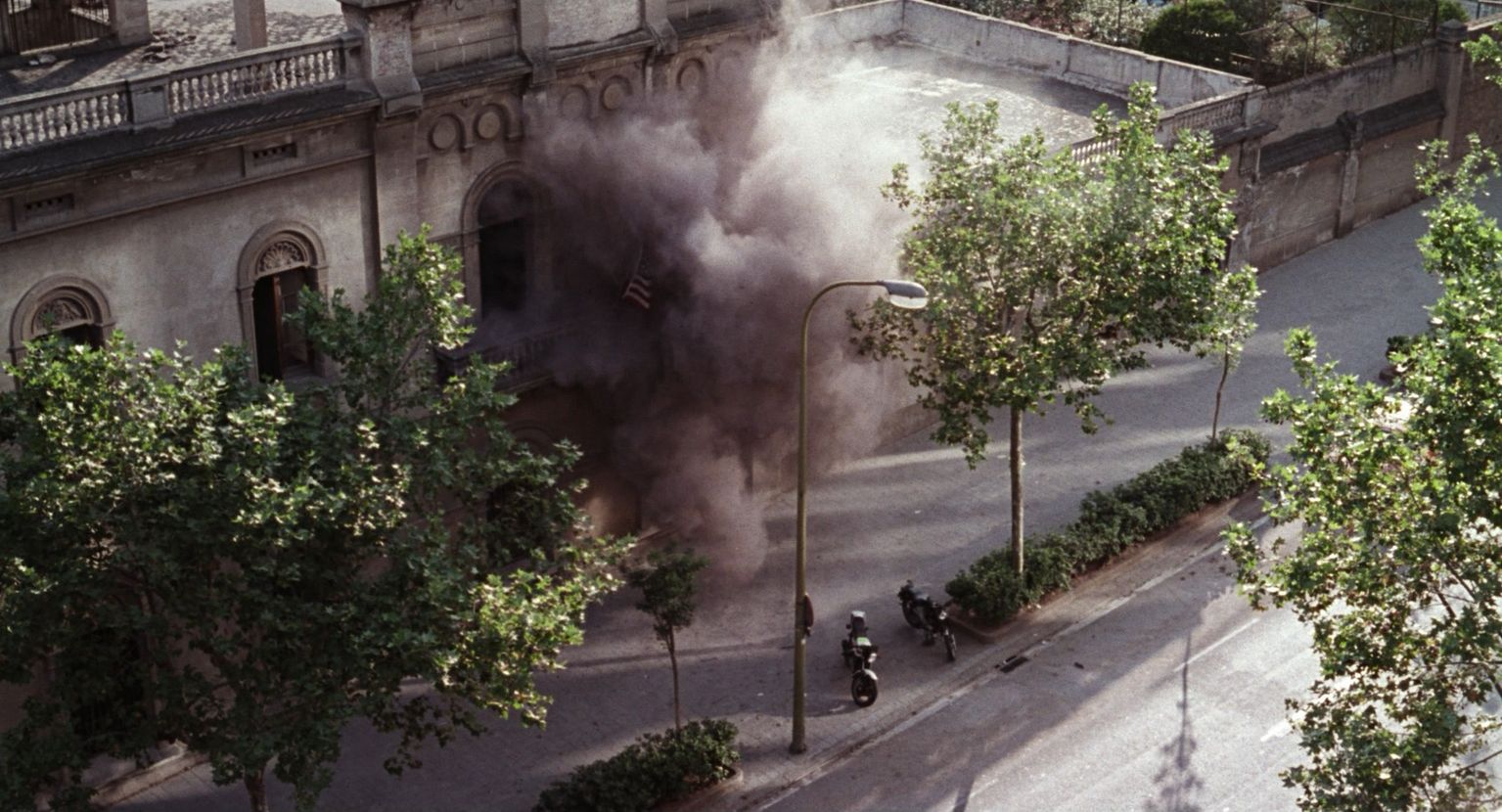
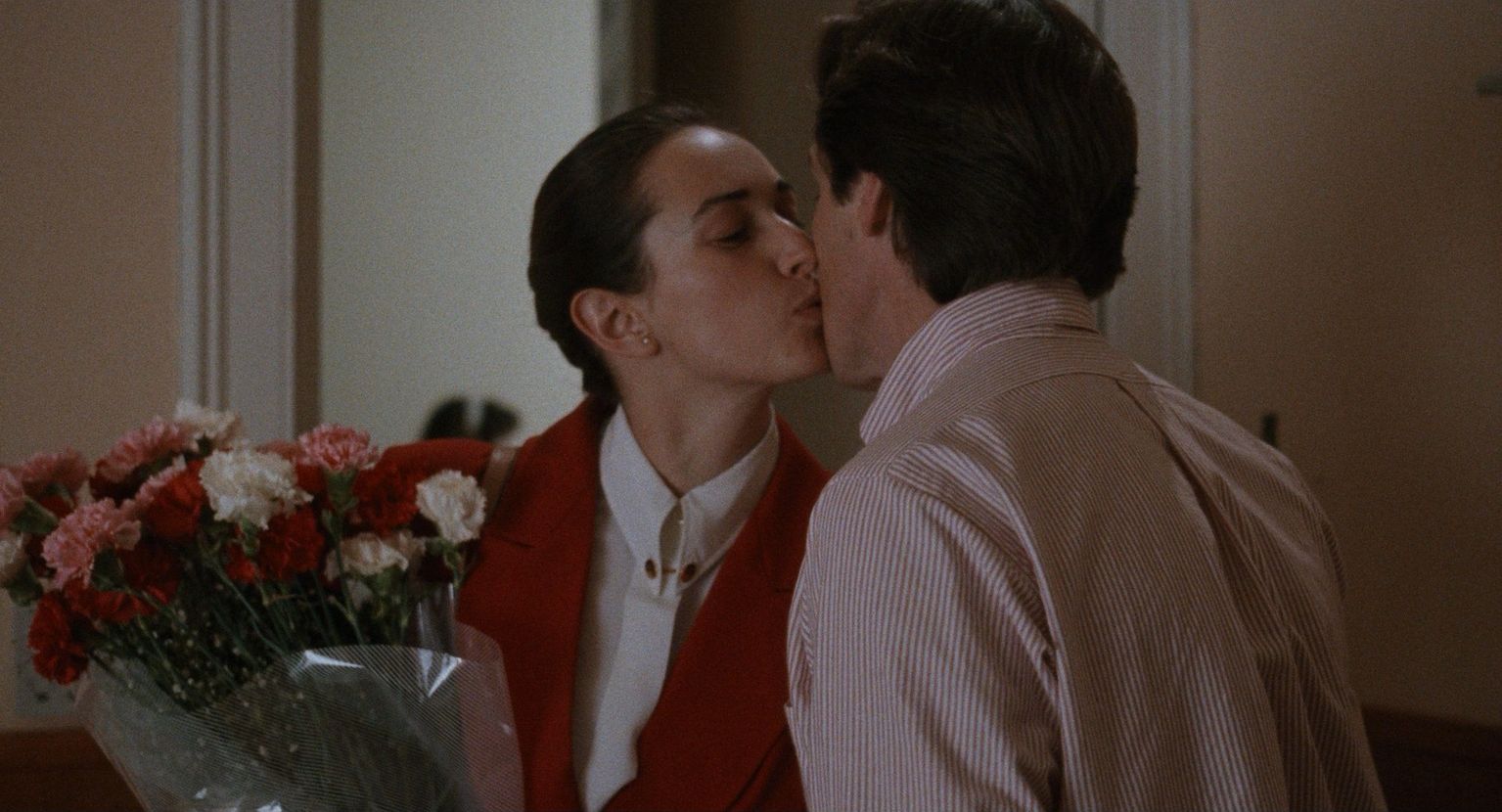
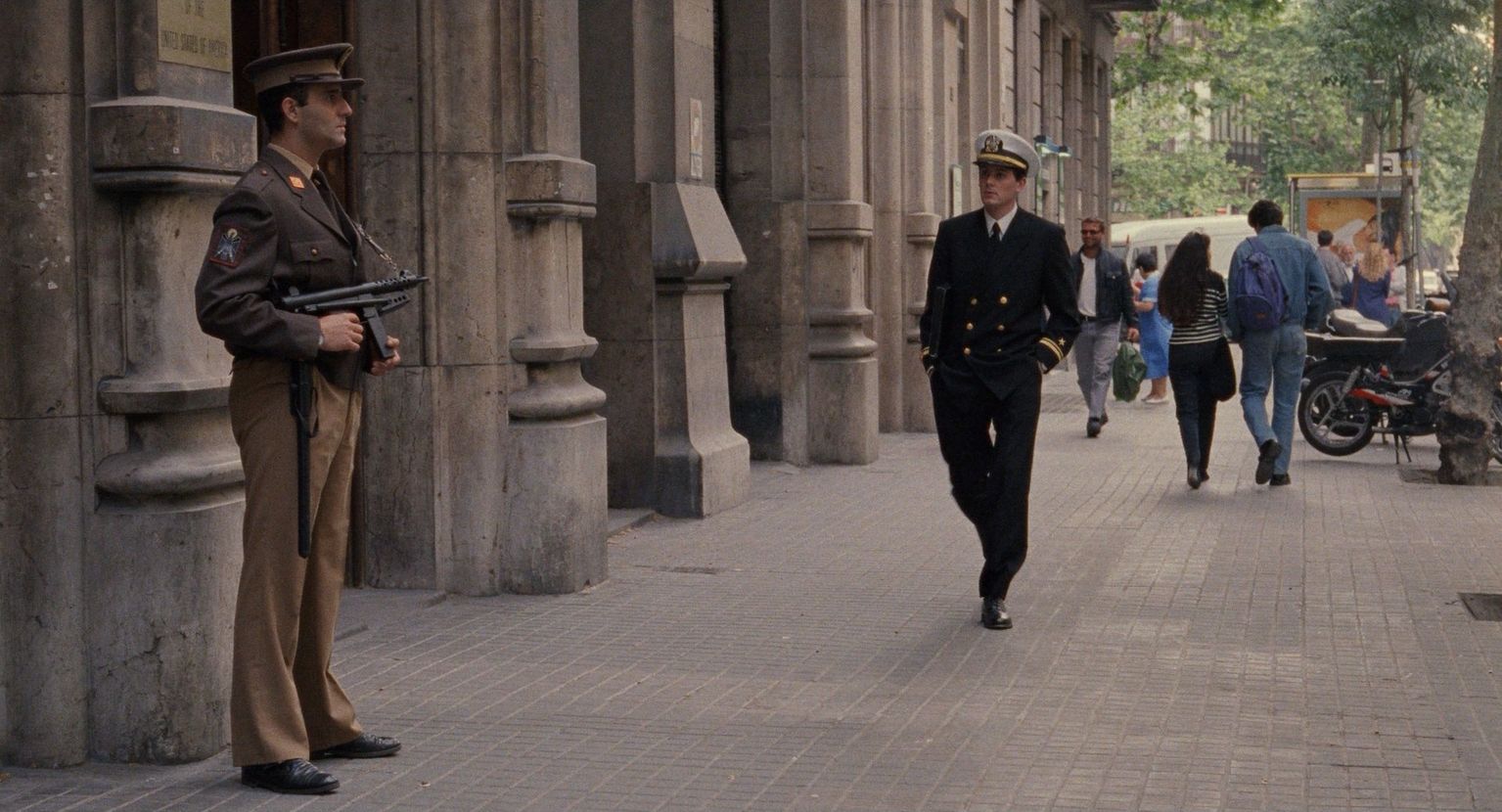
The setting itself was non-negotiable. The film is anchored in early-1980s Barcelona, a city still finding its footing after the Franco years, newly infatuated with disco and the sexual revolution, and deeply suspicious of the American military presence it associated with Cold War politics. Into this charged atmosphere Stillman dropped two cousins: Ted, a rigid American salesman trying to recover from a failed relationship by resolving to date only unattractive women, and Fred, a US Navy officer whose blunt manner and impolitic opinions make him a lightning rod for anti-American sentiment. Their story is one of romantic comedy and political farce twisted together, with characters on all sides filtering reality through fixed ideas that the plot quietly, mercilessly dismantles.
Shooting began in April 1993, and almost immediately the production ran into trouble. Stillman had hired a local production company to handle logistics, but their approach, honed on fast-paced American television work, was simply incompatible with his unhurried, dialogue-driven method. He eventually dissolved the arrangement, registered his own production entity with a Spanish notary, and reverted to the leaner, more flexible mode he had used on Metropolitan. The decision turned out to be liberating. A smaller crew restored the atmosphere of shared purpose he remembered from his first film. And when the dollar strengthened against the Spanish peseta during the shoot, Stillman was able to extend his schedule and capture the city with an unhurried eye, guided in no small part by his wife, a Barcelona native who arranged housing, locations, extras, and props, and who, as Stillman put it, essentially ran crisis management without any official title.
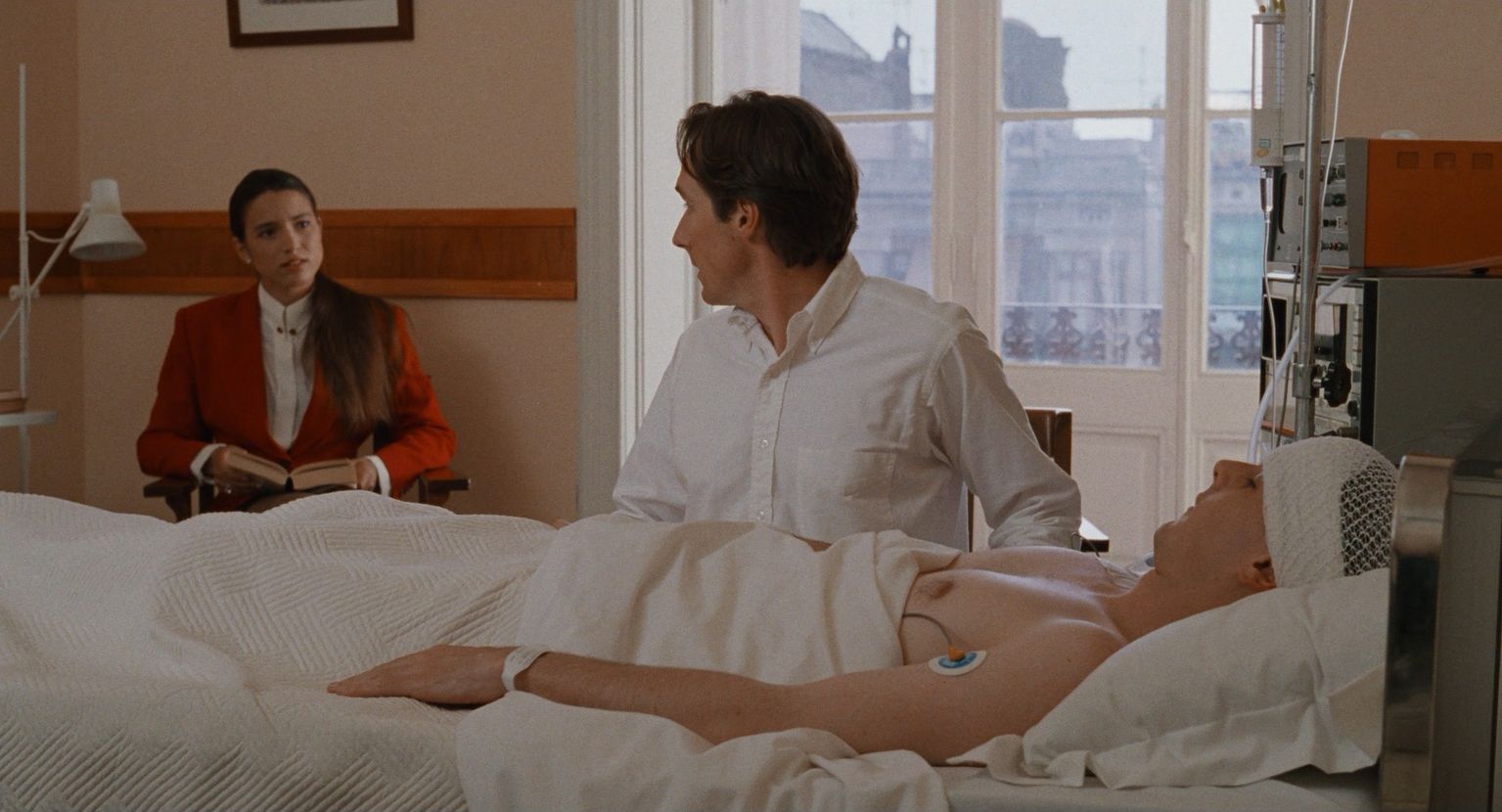

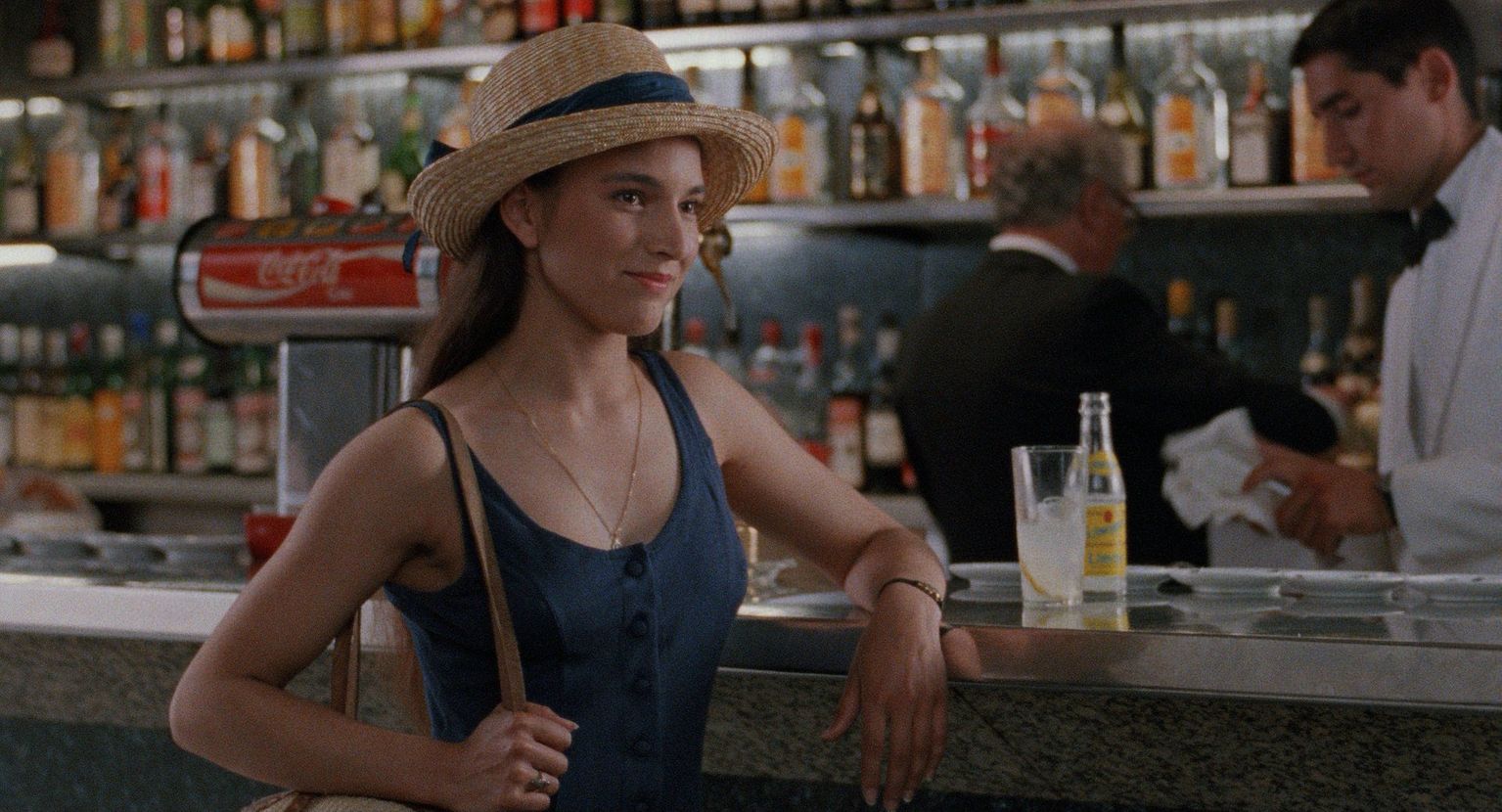

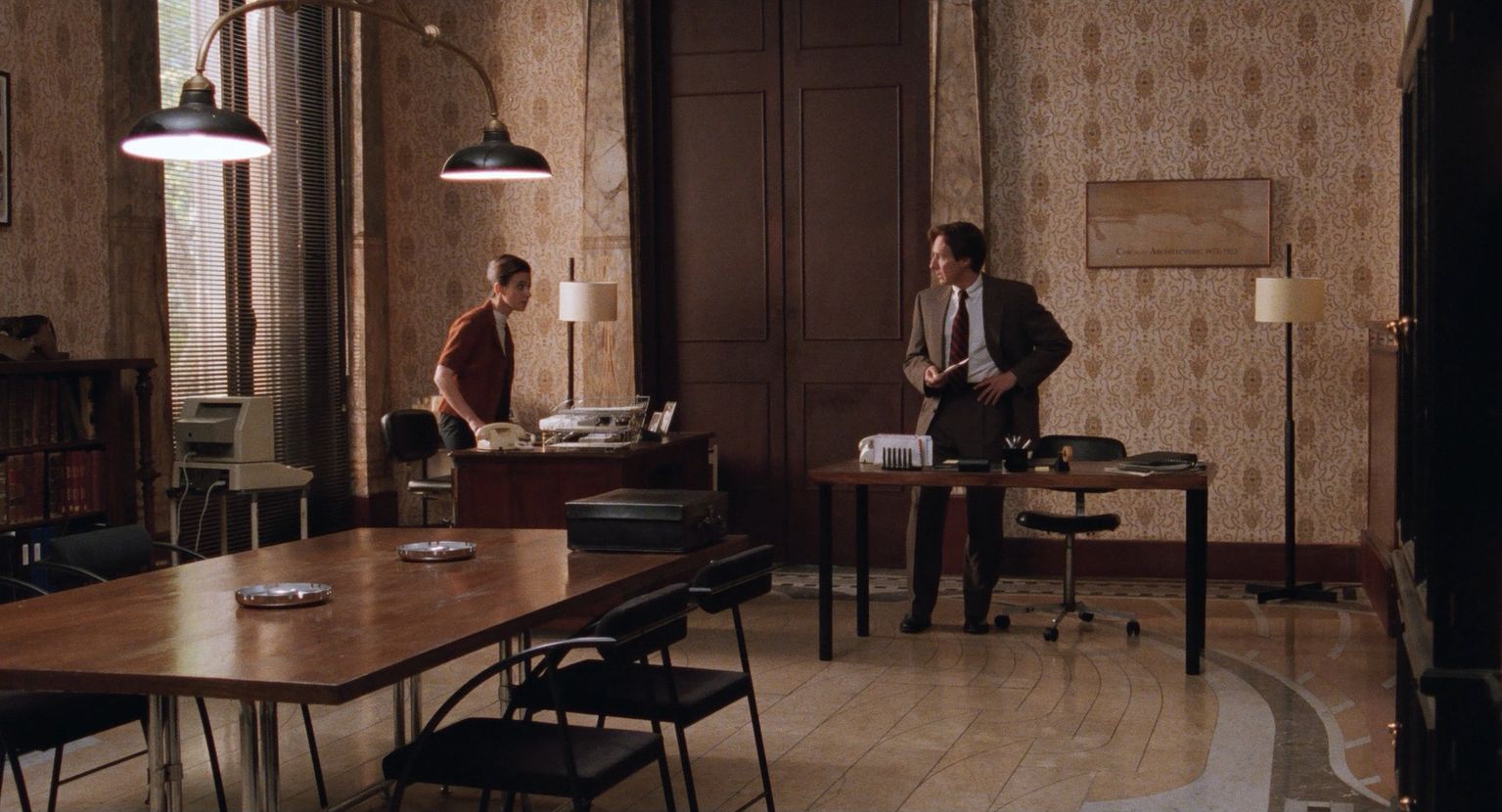




Talking Their Way Through the Cold War
The cast reassembled several key collaborators from Metropolitan: cinematographer John Thomas, editor Christopher Tellefsen, and actors Taylor Nichols and Chris Eigeman. Eigeman in particular had become the human instrument through which Stillman's voice sounded most precisely, his delivery sharp and coiled, capable of making an offhand remark feel both genuinely offensive and somehow irresistible. Stillman's dialogue, dense with self-justification, political argument, and absurdist tangents, required actors willing to commit to its rhythms without tipping into parody, and even returning collaborators found it took adjustment.
The film's political dimension drew directly from Stillman's own arguments and frustrations during his years in Spain. He wanted Ted and Fred to make fools of themselves in political debates because that, he said, was simply what happened when he got into them. But the film never becomes a polemic. Its Spanish characters are not the butt of the joke; they, too, are caught inside their own fixed worldview, convinced that the AFL-CIO is somehow the AFL-CIA, a secret intelligence operation masquerading as a trade union. Everyone in Barcelona is, to one degree or another, seeing the world through the lens of what they already believe. The dramatic engine runs on the slow, sometimes painful, sometimes funny process of that lens being adjusted.
Castle Rock raised one concern late in the process: the ending, which originally featured an assassination attempt in the final scene. Stillman, who had been uneasy about the conclusion anyway, agreed to change it, quietly disarming the assailant in the editing room. There was also a note from producer Andrew Scheinman, who felt that Ted's reliance on self-help books should lead to disillusionment. Stillman pushed back. His point, characteristically, was that if the books contain genuinely useful advice, the comedic absurdity surrounding them is no reason to dismiss that advice. The books stayed, and so did the argument.
Barcelona was released in the summer of 1994 and went on to be ranked among the finest American independent films of the decade. It is the middle chapter of what came to be called Stillman's "doomed bourgeois" trilogy, bracketed by Metropolitan and The Last Days of Disco, but it stands apart from the other two in its geographic scale and political texture. Stillman had made something quietly ambitious: a romantic comedy set against the last gasps of the Cold War, in a city that belonged as much to his own biography as to any fictional map.