
FAT Architecture and Grayson Perry
A House for Essex
- ArchitectFAT Architecture
- ArtistGrayson Perry
- Photographer© Jack Hobhouse, www.jackhobhouse.com
Atelier Axo A House for Essex radically rethinks domestic space through narrative, ornament and symbolism. By collapsing boundaries between art, architecture and lived experience, the project queerly challenges conventional spatial hierarchies and expectations.

Narrative Art-Architecture in the Essex Landscape
A House for Essex is a collaborative work between contemporary artist Grayson Perry, one of Britain’s most celebrated Turner Prize-winning artists known for his richly narrative ceramics, tapestries, and cultural commentary, and the architectural practice FAT Architecture. The project was commissioned by Living Architecture, an initiative founded by writer and philosopher Alain de Botton, whose ambition was to explore how modern architecture can be experienced as a form of cultural education and emotional storytelling. De Botton’s programme invites leading architects and artists to create holiday houses that function simultaneously as artworks and living environments.
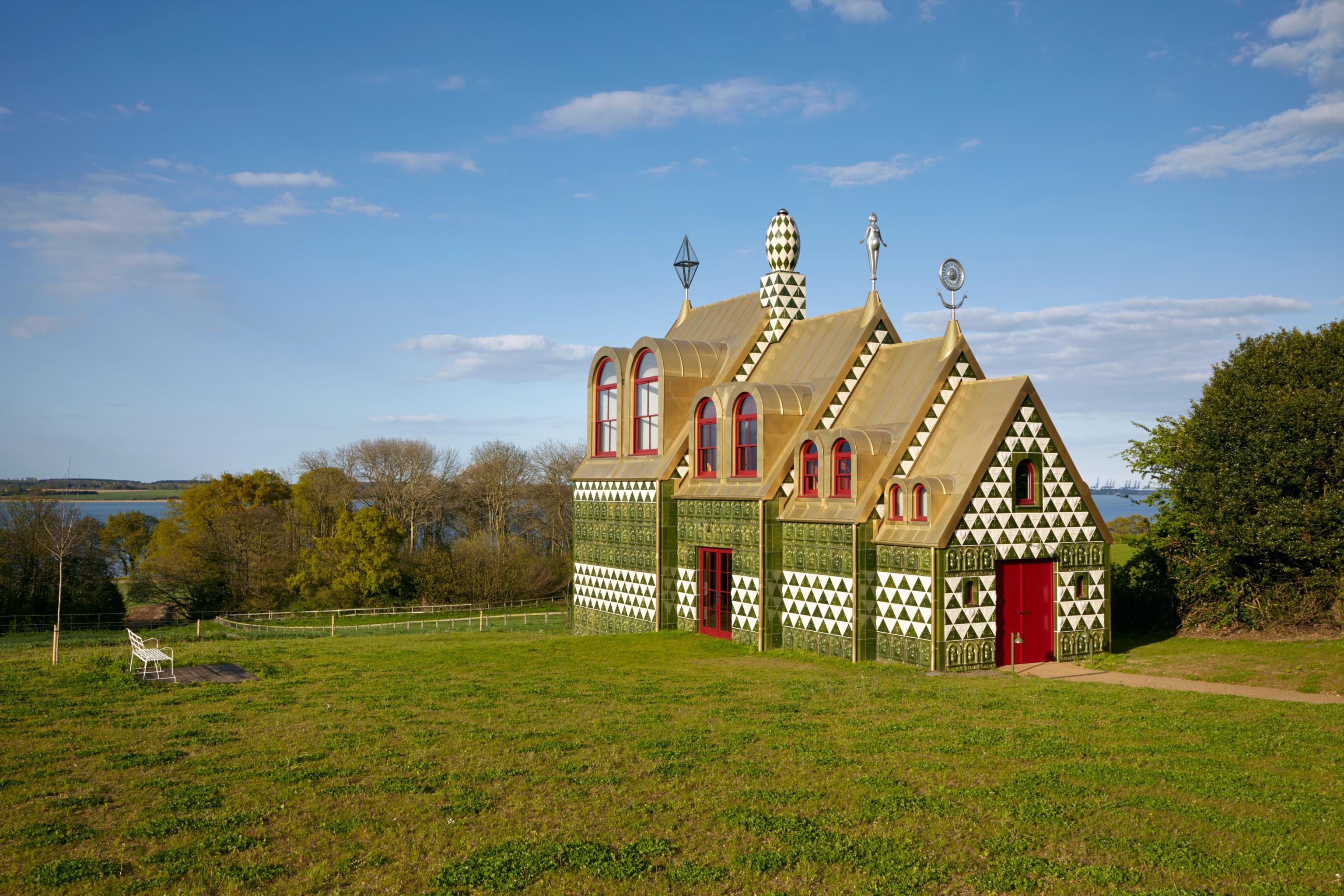
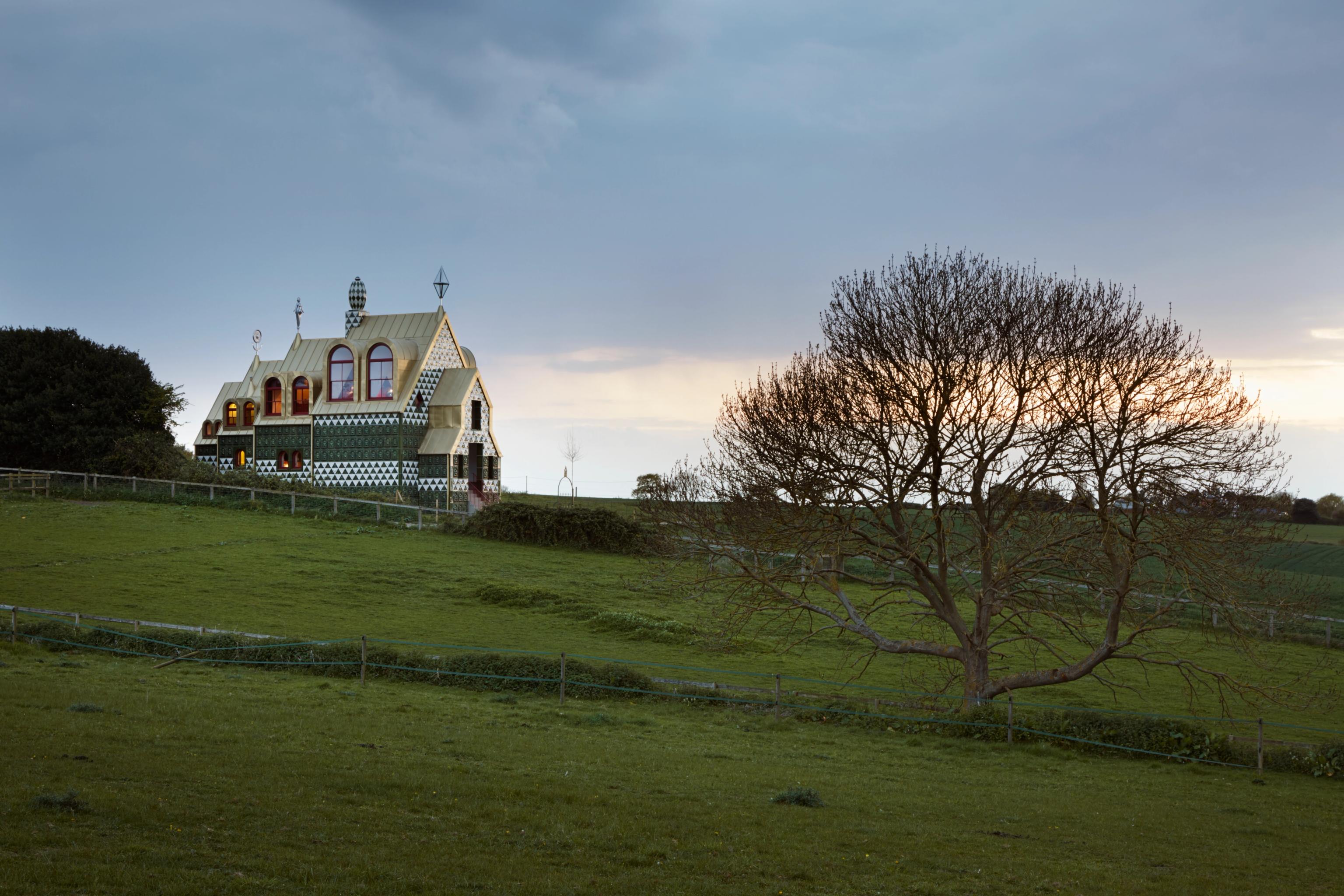
Designed together with architect Charles Holland, the house reflects a shared fascination with ornament, narrative, and architecture’s capacity to communicate place, identity, and memory. Situated on the slopes of the Stour estuary in northern Essex, the building responds to the regional landscape while translating local history and mythology into spatial form.

Fictional Biography as Architectural Concept
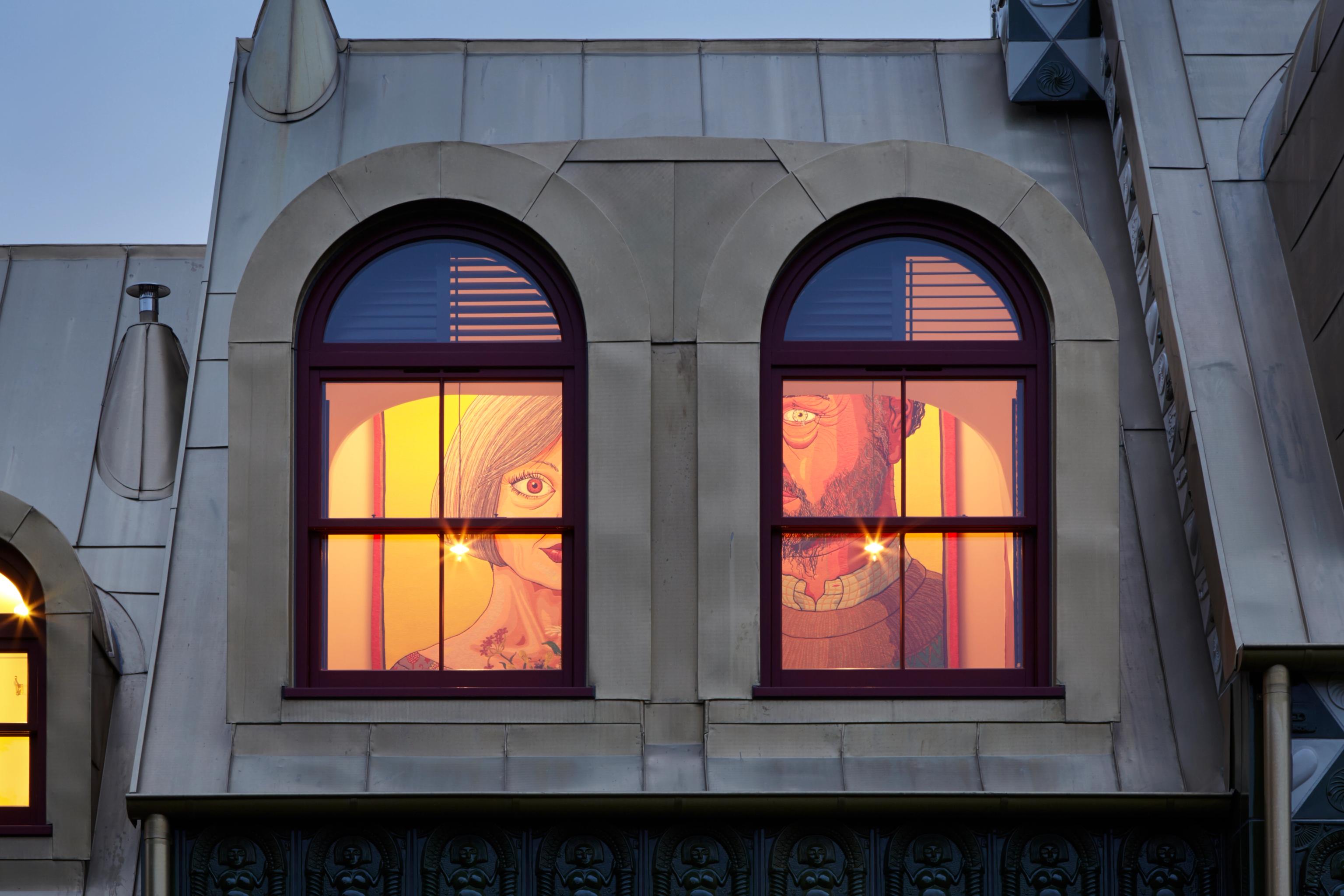
The house is centred on the imagined life of Julie Cope, a fictional Essex woman created by Perry as a narrative device. Perry, whose artistic practice often blends autobiography, social observation, and cultural satire, developed the character through a long poetic work describing Julie’s life across marriage, struggle, and tragedy. The building functions as a memorial chapel dedicated to this invented figure, merging domestic space with ritualistic symbolism. Visitors move through a sequence of rooms that feel like chapters in a story, where everyday actions such as bathing, sleeping, or gathering by the fireplace become emotionally charged experiences. The project draws inspiration from pilgrimage architecture, particularly traditional wayside chapels, while reinterpreting them through contemporary artistic language.

Ornament, Materiality and Regional Identity
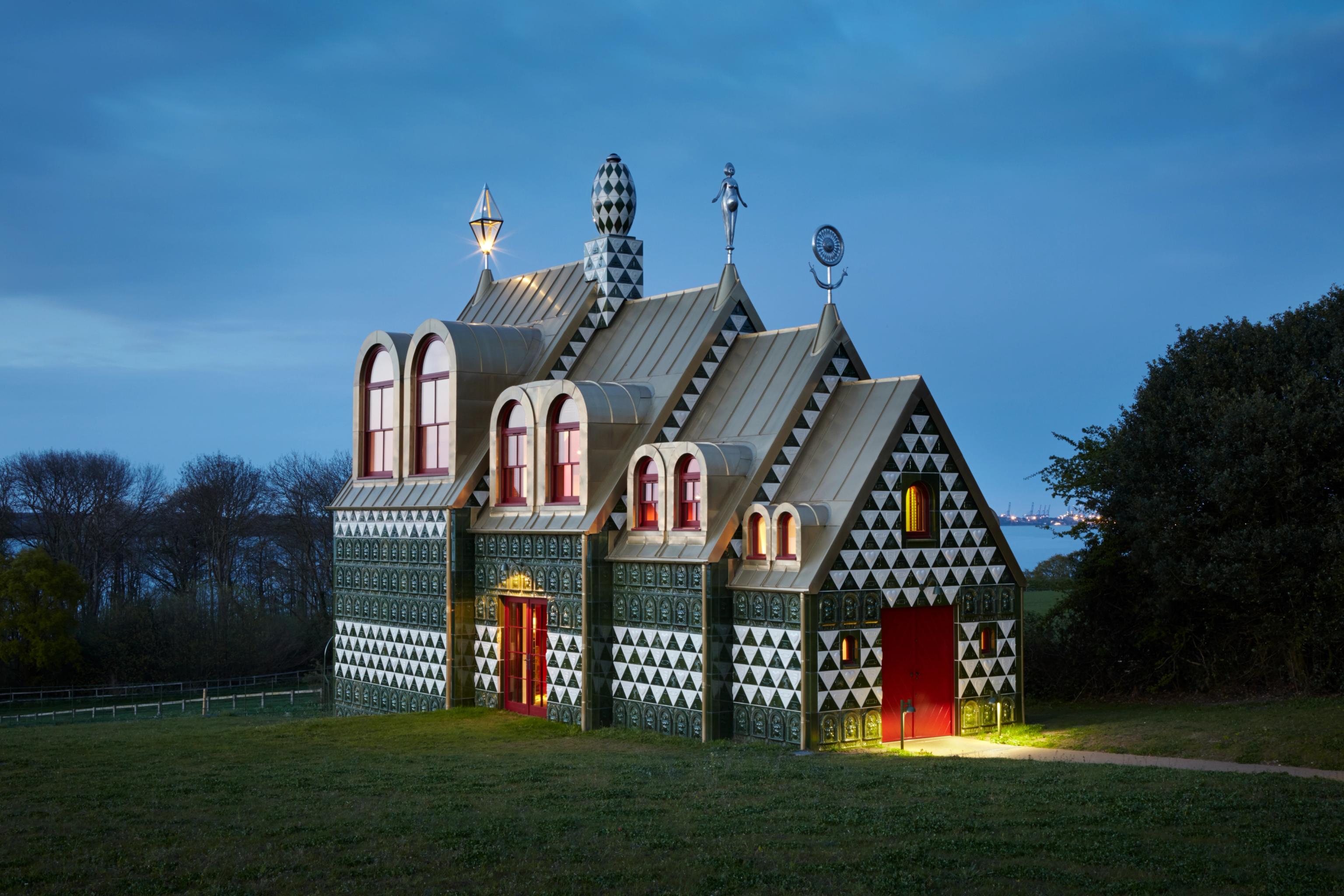
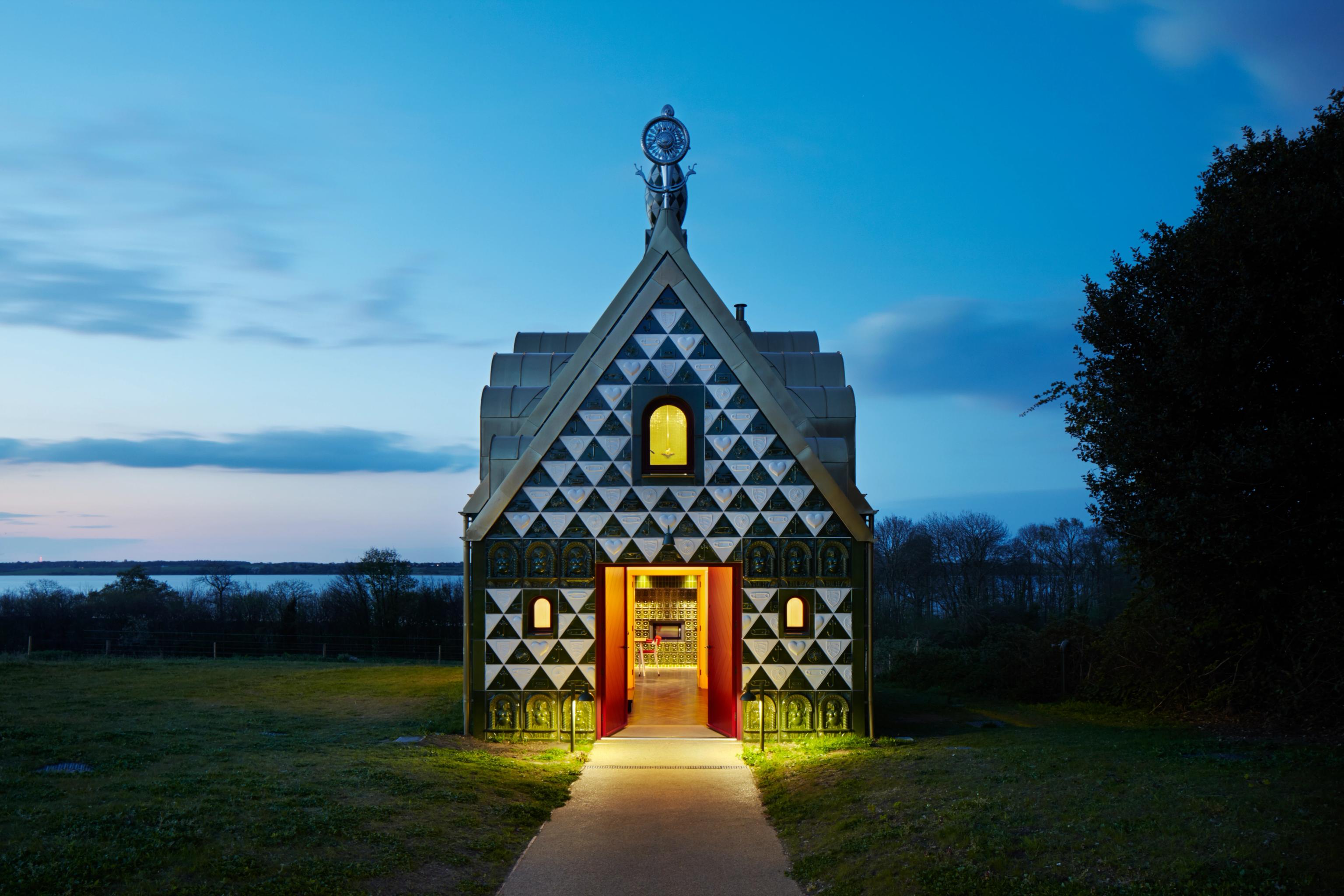
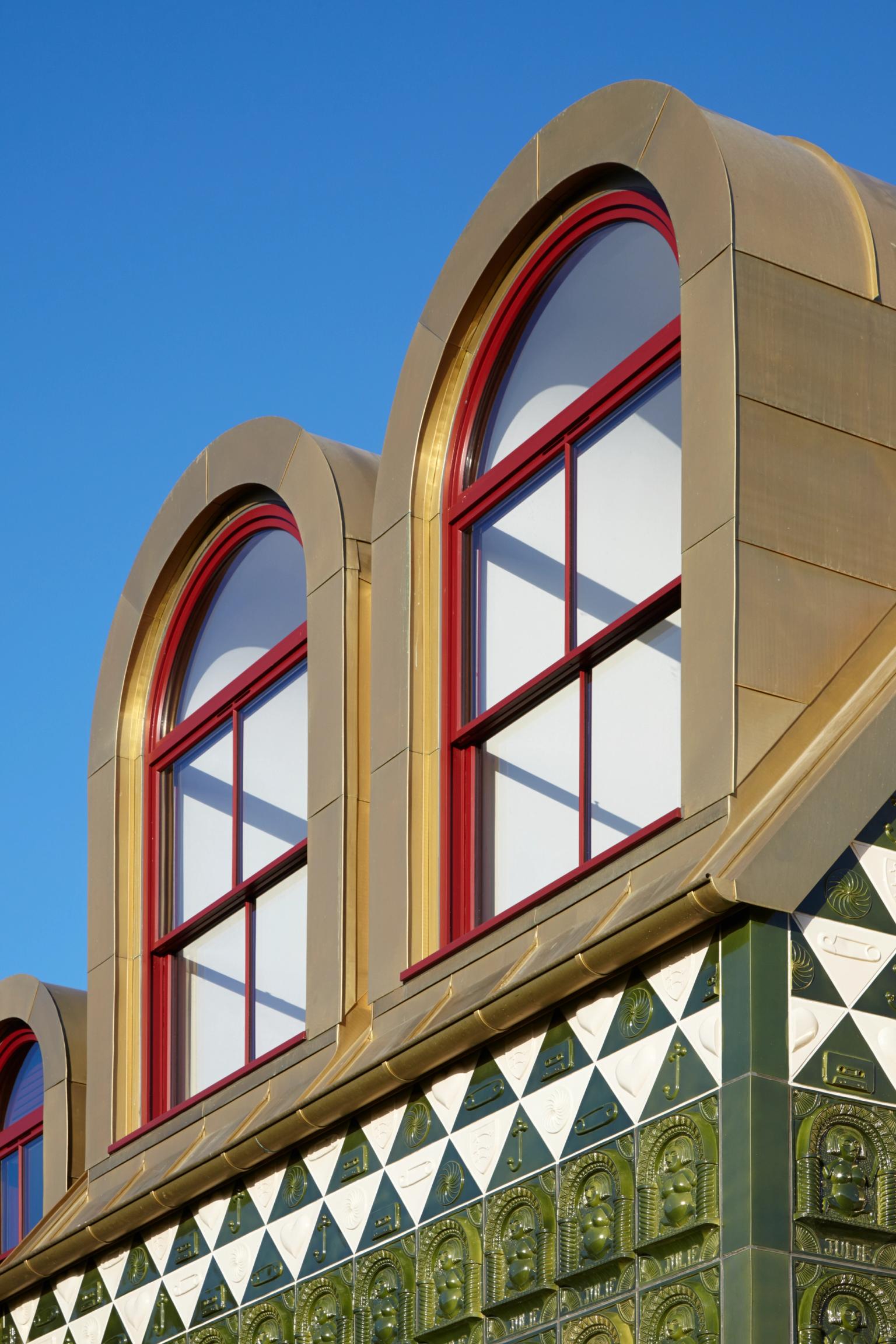
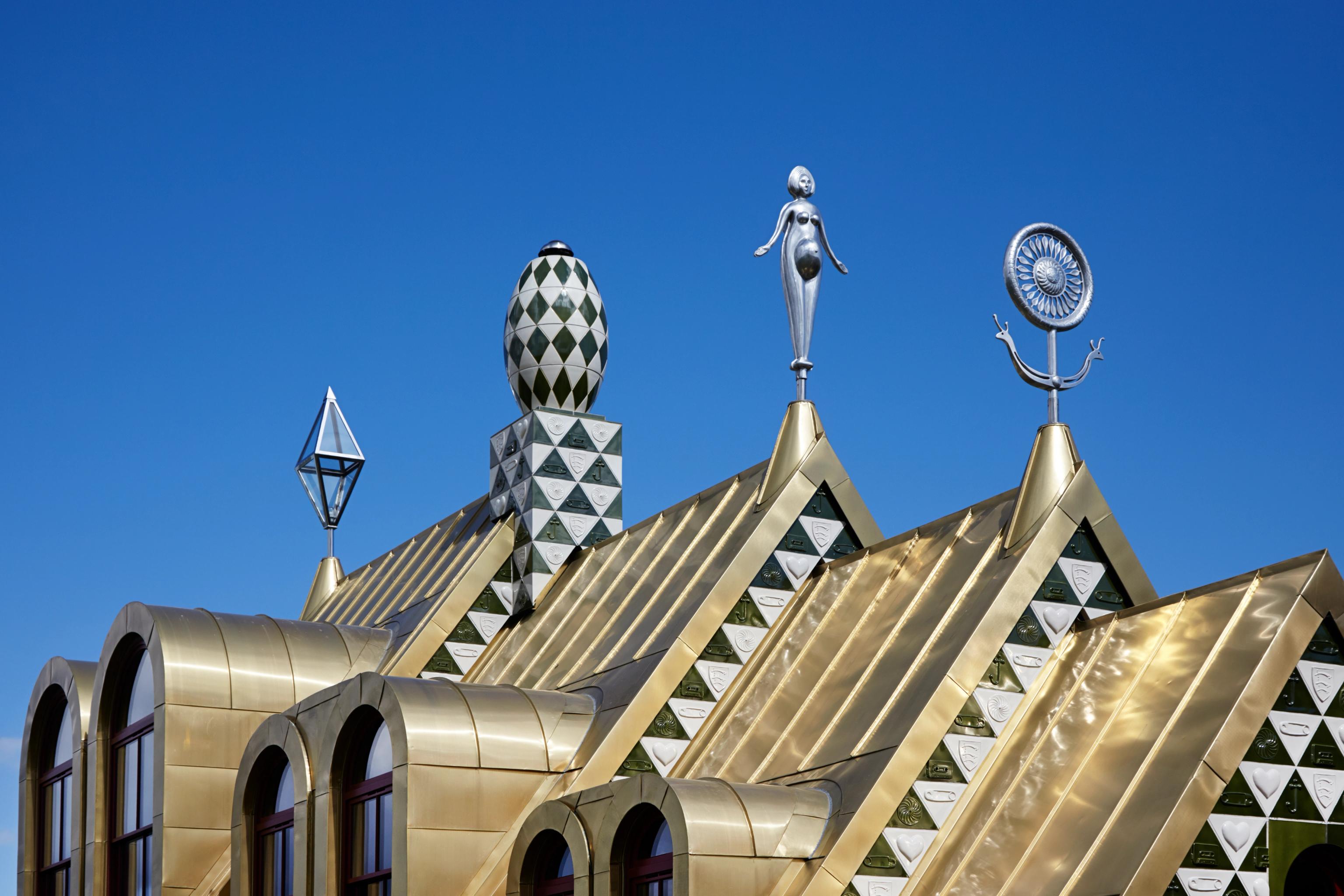
The exterior of A House for Essex is defined by its highly decorative ceramic façade, composed of more than 1900 bespoke tiles produced from Perry’s designs. The polychromatic surfaces depict Julie Cope alongside symbolic objects associated with her fictional life, transforming the building into a monumental sculptural artwork. Formally, the house is composed as four stacked archetypal house volumes, expanding gradually toward the rear of the site in a Russian-doll-like spatial logic.
The brass-toned roof and sculptural rooftop figures reference English baroque decoration, arts-and-crafts domestic architecture, and vernacular ecclesiastical forms such as medieval pilgrimage chapels and stave churches. The colour palette was carefully chosen to resonate with the surrounding countryside of cornfields, river light, and seasonal vegetation.


Interior as Immersive Narrative Environment
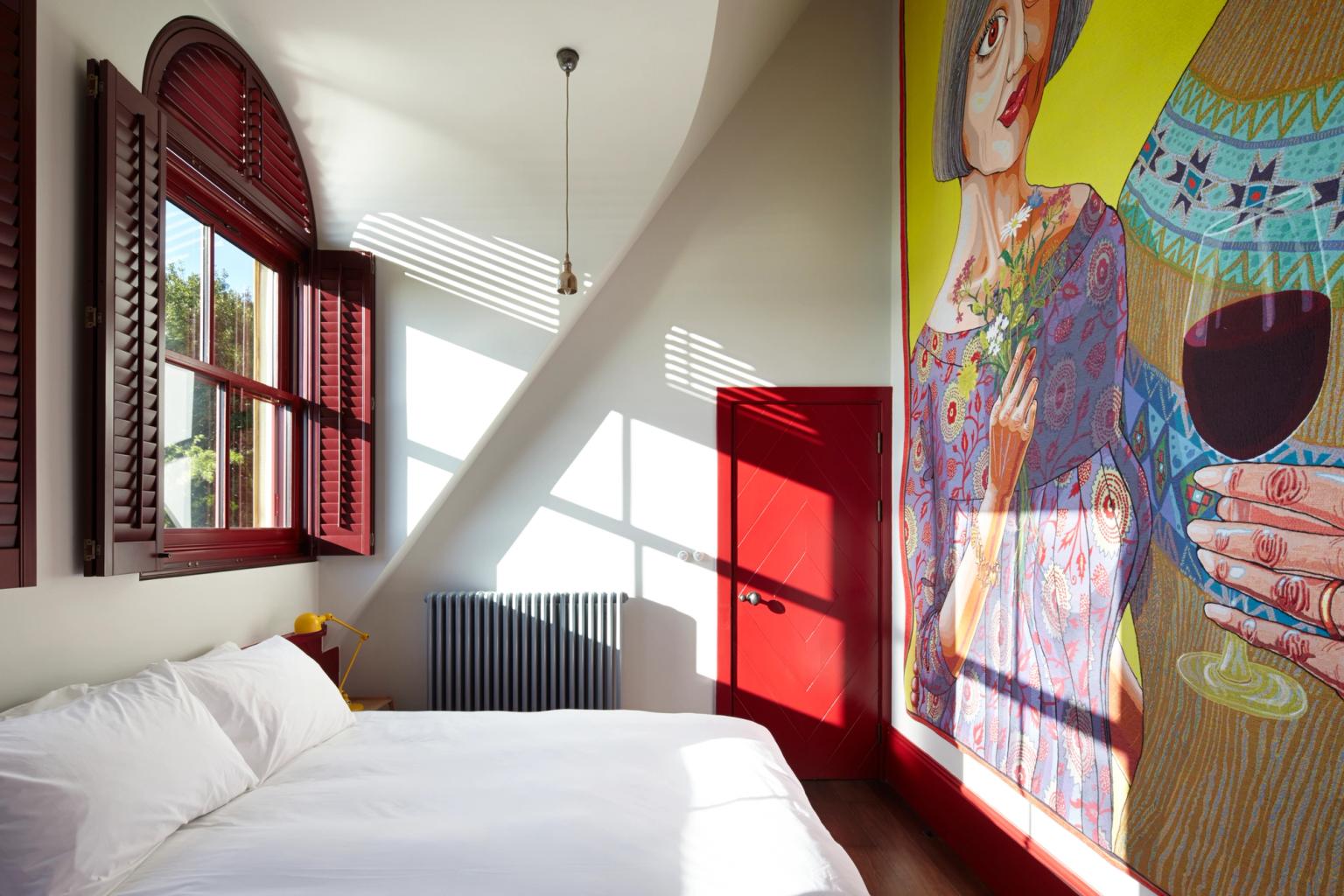
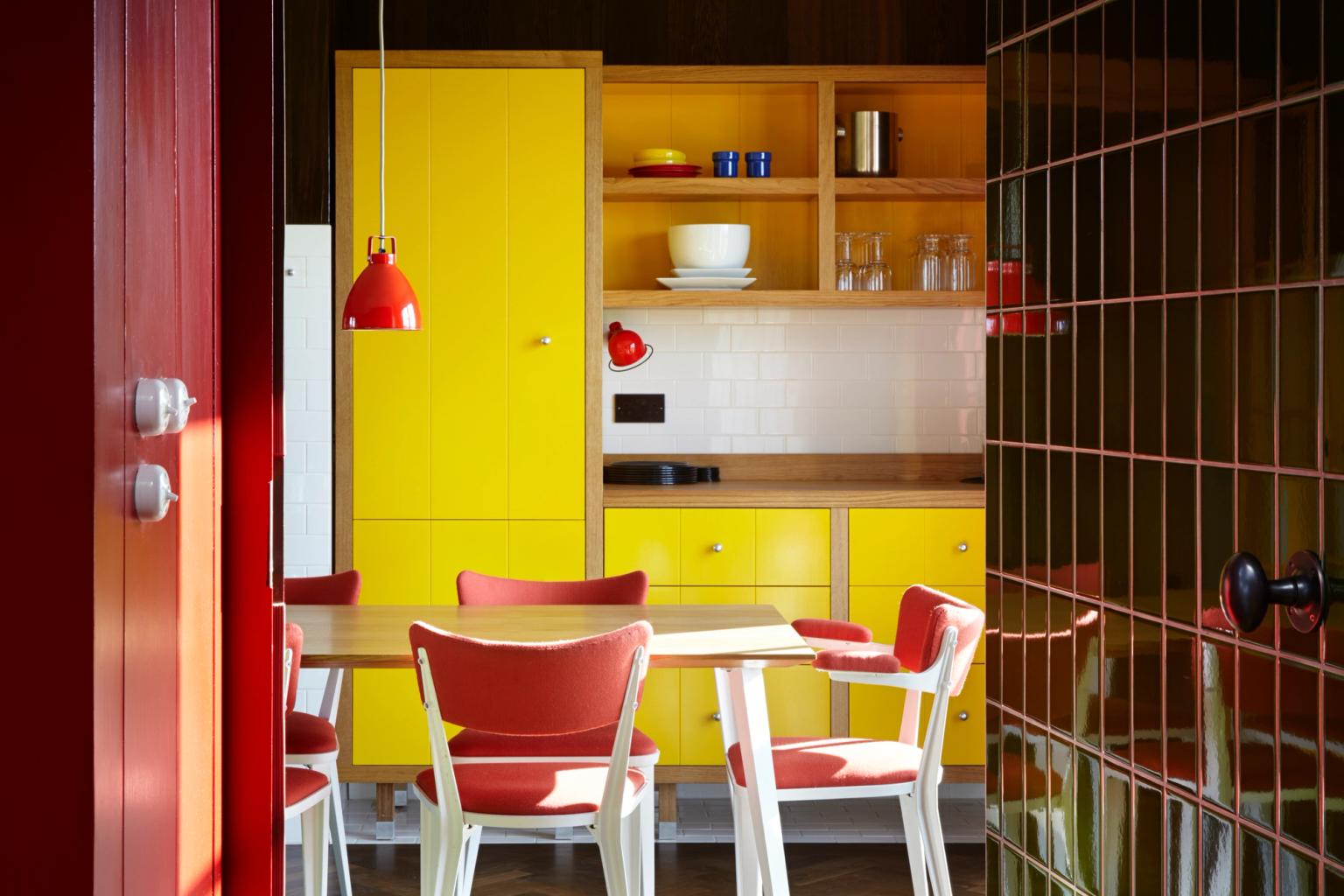
Inside, the architecture unfolds as an enfilade of spaces that intensify gradually toward the central double-height living room. The interior integrates Perry’s artworks directly into the building, including tapestries, ceramic vessels, mosaic flooring, and sculptural objects that narrate Julie’s biography. Domestic elements are treated as artistic components: built-in seating, timber paneling, and a fireplace framed by silvery tiles create a hybrid between gallery and home. Influences from Arts and Crafts domestic interiors and restrained modernist traditions are combined to produce a space that is intimate yet visually rich. Hidden doors, internal balconies, and framed views across the River Stour reinforce the sensation that the house is both a lived environment and a fictional world.

Art, Landscape and Architectural Storytelling
A House for Essex stands as a radical example of collaboration between art and architecture, continuing FAT Architecture’s long-standing interest in ornament, communication, and narrative design. The project was conceived as a contemporary secular chapel, echoing historical pilgrimage architecture while functioning as a holiday residence for up to four guests. Built using insulated concrete blockwork and a ceramic rainscreen façade, the design also sought to minimise environmental impact and energy consumption.
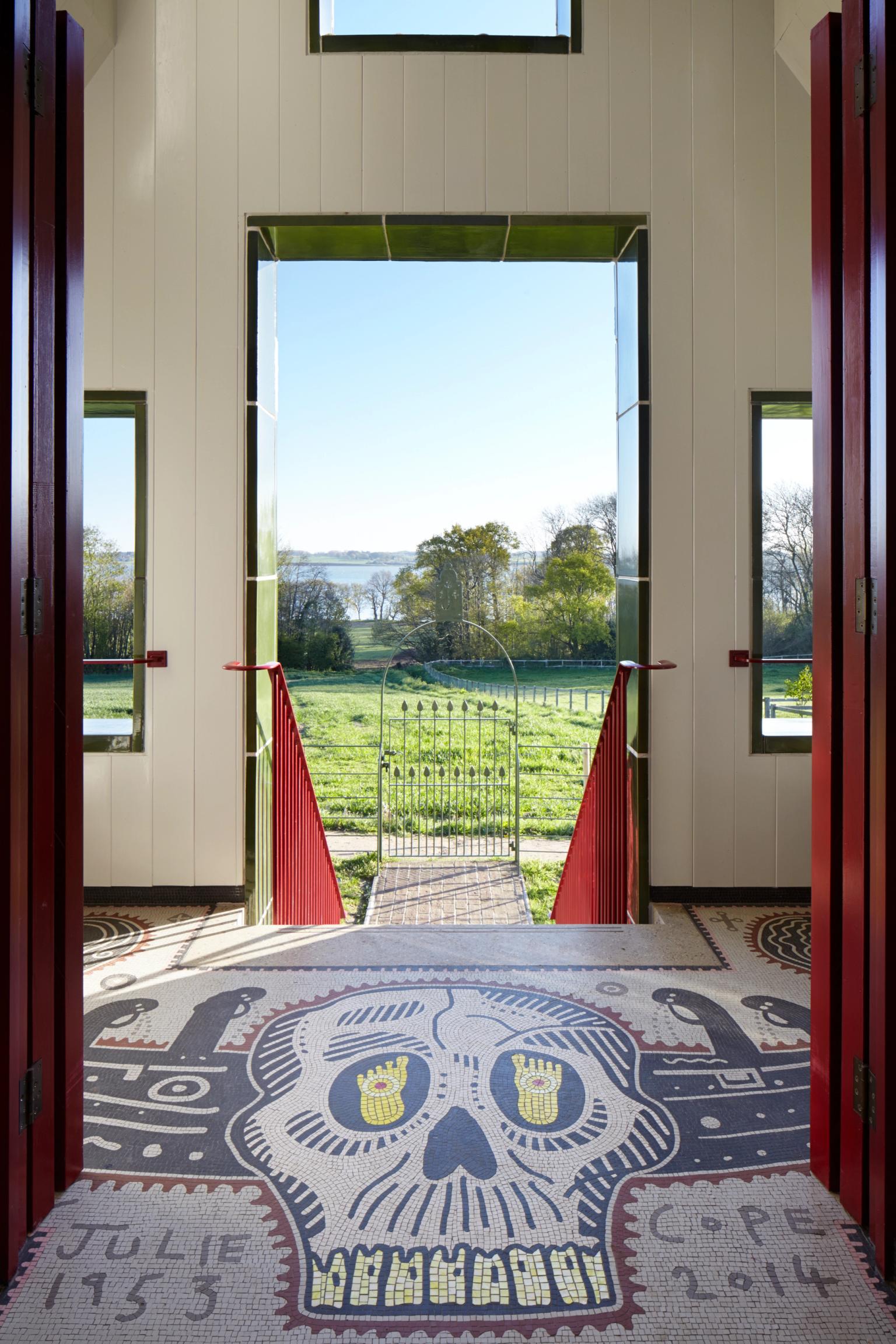

Located at the edge of an Area of Outstanding Natural Beauty, the building operates as a sculptural landscape object that contributes rather than dominates its rural context. Ultimately, the house exists as a three-dimensional story – a playful, slightly uncanny monument where fiction, memory, landscape, and architecture merge into a single immersive experience.